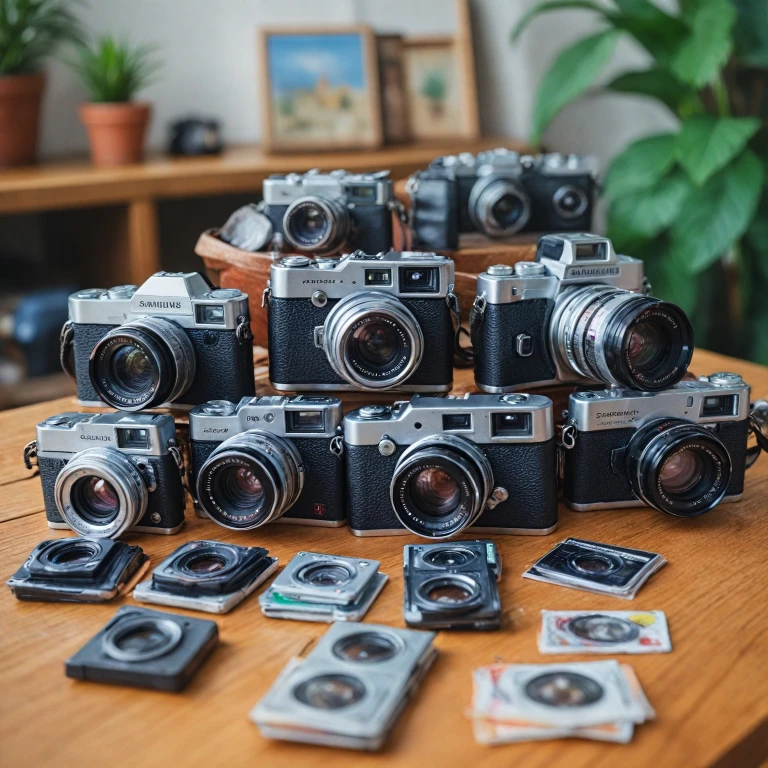
Understanding Point and Shoot Film Cameras
What Makes Point and Shoot Film Cameras Unique?
Point and shoot film cameras have a distinct charm that continues to captivate photography enthusiasts. These compact cameras are designed for simplicity, allowing users to capture moments without the complexity of manual settings. With a fixed lens and automatic focus, they offer a straightforward approach to film photography, making them a great choice for beginners and seasoned photographers alike.
Why Choose a Point and Shoot?
The appeal of point and shoot film cameras lies in their ease of use and portability. Unlike digital cameras, these film cameras provide a tactile experience, where each shot feels intentional. The average price of these cameras can vary, but they often offer great value for those looking to explore film photography without a significant investment.
Exploring the Variety
There are numerous models and brands to consider, each offering unique features. Brands like Canon, Olympus, Nikon, and Contax have produced some of the best point and shoot cameras over the years. Models such as the Olympus Mju, Olympus Stylus, and Contax TVS are particularly popular for their image quality and compact design. Whether you're interested in a camera with a zoom lens or one with a built-in flash, there's a point and shoot film camera to suit your needs.
Understanding the Basics
When diving into the world of film cameras, it's essential to understand the basic features that define them. These cameras typically include a fixed lens, automatic exposure compensation, and a built-in flash. Some models, like the Nikon Big Mini or the Canon Sure Shot, offer additional features such as half frame capabilities or advanced focus options.
For those interested in exploring the charm of these cameras further, you might find this link insightful.
Key Features to Look For
Essential Features to Consider in a Point and Shoot Film Camera
When diving into the world of point and shoot film cameras, it's crucial to understand the features that can significantly impact your photography experience. These compact cameras are designed for simplicity and ease of use, but there are several key aspects to consider to ensure you get the best out of your investment.
Lens Quality and Zoom Capabilities
The lens is the heart of any camera, and in point and shoot film cameras, it determines the clarity and sharpness of your photos. Look for cameras with high-quality lenses from reputable brands like Canon, Nikon, and Olympus. Zoom capabilities can also enhance your shooting flexibility, allowing you to capture subjects from various distances without compromising image quality.
Focus and Exposure Control
While point and shoot cameras are known for their automatic settings, having some control over focus and exposure can be beneficial. Features like exposure compensation allow you to adjust the brightness of your shots, ensuring that your images are neither too dark nor too bright. Autofocus systems in cameras like the Olympus Mju and Contax Tvs are known for their reliability, making them great choices for capturing sharp images.
Built-in Flash and Image Quality
A built-in flash is a handy feature for shooting in low-light conditions. However, the quality of the flash can vary, so it's worth testing it out if possible. Additionally, consider the overall image quality the camera produces. Models like the Olympus Stylus and the Contax Tvs are praised for their excellent image reproduction, making them popular choices among film photography enthusiasts.
Compact Design and Portability
One of the main advantages of point and shoot film cameras is their compact design. Cameras like the Olympus Stylus Epic and the Nikon Big Mini are lightweight and easy to carry, making them ideal for travel and everyday use. Their portability ensures that you can capture spontaneous moments without the bulk of larger camera systems.
Price and Brand Reputation
Price is always a consideration, and the average price of point and shoot film cameras can vary widely. Brands like Canon, Olympus, and Contax have established reputations for producing reliable and durable cameras. Investing in a well-regarded brand can often mean better build quality and longevity.
For more detailed insights into specific models and their features, you might find this exploration of the Sony Cyber-shot DSC-HX30V helpful.
Benefits of Using Film Cameras
The Timeless Charm of Film Photography
Even in this era dominated by digital technology, film cameras such as point and shoot types hold a unique charm for many photography enthusiasts. These cameras are cherished for their ability to capture images with a distinct and authentic quality. Unlike digital images, film photos often evoke a sense of nostalgia and offer a different texture and depth, making them highly valued among photo aficionados.
Film cameras like the Olympus Stylus Epic or the Canon Sure Shot present an aesthetic that’s hard to replicate with modern devices. Shooting with film introduces an element of surprise and reward as you wait to see how the developed photos turn out. This tangible aspect adds an enjoyable layer to the photography process, often missing from digital captures.
The Sensory Experience of Shooting Film
Shooting film also provides a more deliberate approach to taking pictures. When using a compact camera like the Contax Tvs or the Ricoh Big Mini, photographers often find themselves more focused and considerate about each shot. This heightened awareness and the limitations of a film roll encourage creativity as you work within those confines. This intentionality can transform a simple image into a masterpiece.
Moreover, using a film camera involves engaging with the physical tools of photography. Adjusting the lens, manually setting the focus, and listening to the click of the shutter – these actions create a sensory experience that digital cameras often lack. Many enthusiasts appreciate this tactile interaction as it enriches their connection to the craft.
Why Consider Film in the Age of Digital Cameras?
Despite advances in digital technology, many photographers are revisiting the traditional practice of film photography for its creative advantages. The rich, vibrant colors produced by film are often cited as being superior to digital images. Additionally, film’s ability to better handle exposure compensation and highlight details can enhance the artistic expression in your photographs.
While digital offers convenience and immediacy, the authenticity of film adds depth and a unique stylistic element to photos. For those interested in enhancing their creative skills in photography, exploring film cameras is an enriching endeavor. If you’re intrigued by how different resolutions impact modern cameras, diving deep into film photography could further broaden your perspectives.
Popular Models and Brands
Top Picks in the Point and Shoot Film Camera Market
When diving into the world of point and shoot film cameras, several models and brands stand out for their exceptional features and reliability. These cameras are renowned for their ease of use, making them perfect for both beginners and seasoned photographers looking to capture the nostalgic feel of film photography.
Canon Sure Shot Series
The Canon Sure Shot series is a popular choice among film enthusiasts. Known for its compact design and reliable autofocus, these cameras offer great image quality. The built-in flash and exposure compensation features make it versatile for various lighting conditions. The average price of these models is quite reasonable, making them accessible to many.
Olympus Mju and Stylus Epic
Olympus has made a significant mark with its Mju and Stylus Epic models. These cameras are celebrated for their sleek design and superior lens quality. The Olympus Stylus Epic, in particular, is praised for its sharp lens and compact size, making it a favorite for those who value portability without compromising on image quality.
Nikon L35AF
Nikon's L35AF is another excellent option, known for its robust build and sharp lens. It features a reliable autofocus system and a built-in flash, ensuring great shots in various settings. The camera's average price is slightly higher, reflecting its durable construction and high-quality components.
Contax T Series
For those willing to invest in premium quality, the Contax T series offers exceptional performance. The Contax TVS, for instance, is equipped with a high-quality zoom lens and a titanium body, making it both durable and stylish. While the price is on the higher end, the image quality and build justify the investment.
Minolta Big Mini
The Minolta Big Mini is a great choice for those seeking a simple yet effective point and shoot camera. Its compact design and ease of use make it ideal for everyday photography. Despite its simplicity, it delivers impressive image quality, making it a favorite among casual photographers.
When choosing a point and shoot film camera, consider the features that matter most to you, such as lens quality, autofocus capabilities, and price. Each of these models offers unique benefits, catering to different preferences and needs in the realm of film photography.
Tips for Choosing the Right Camera
Considerations for Selecting Your Ideal Film Point and Shoot
Choosing the right point and shoot film camera hinges on several personal preferences and practical aspects. Here are some vital considerations to help you make an informed decision:- Budget and Average Price: Determine how much you're willing to spend. The price of film cameras can vary widely depending on the brand and model. Setting a budget can streamline your options and prevent overspending.
- Image Quality and Lens: Look for cameras known for their excellent image quality. Cameras from brands like Canon, Nikon, and Olympus often boast superior lens technology that produces sharp images. Consider whether a fixed lens or a zoom lens better suits your photo-taking style.
- Compactness and Portability: Evaluate how and where you'll use the camera. Cameras like the Olympus Mju or the Olympus Stylus offer a compact form, making them convenient for travel while still delivering high-quality shots.
- Great Features and Functionality: If precise control over your photos is important to you, check for features like exposure compensation and flash control. Some models, such as the Contax TVS or a big mini, provide a range of options for more intricate photography.
- Brand Reputation and Longevity: Brands like Olympus, Canon, and Contax have established themselves as reliable, offering point and shoot cameras that are durable and long-lasting. Investing in a reputable brand can offer peace of mind regarding quality and service.
- Specific Uses and Preferences: Consider what kind of photos you like to take. For example, if you often shoot in low light, ensure your camera has a robust flash system. If film photography is a passion, point shoots with great focus capabilities might be more suitable for your needs.
- Advanced Features for Enthusiasts: Some models offer additional conveniences such as autofocus enhancements or half frame options, allowing more shots per roll of film. Explore these features if you're open to exploring creative film photography.
Caring for Your Film Camera
Maintaining Your Beloved Film Companion
Caring for your film camera is essential to ensure its longevity and preserve the image quality it delivers. Here are some tips on how to keep your camera in top shape:- Regular Cleaning: Dust and dirt can quickly accumulate on your camera and lens. Use a soft brush or a blower to gently remove any particles from the lens and camera body. A microfiber cloth can help in cleaning the lens surface to maintain the clarity of your photos.
- Proper Storage: Store your camera in a cool, dry place when not in use. Investing in a camera bag or case can be a great way to protect it from moisture and impacts. Consider using silica gel packs to absorb any excess humidity, especially if you are in a humid environment.
- Battery Care: If your point and shoot film camera uses batteries, make sure to remove them when the camera is not in use for an extended period. This helps prevent battery leakage, which can damage the internal components.
- Lens Protection: Use a lens cap when your camera is not in use to protect the lens from scratches and dirt. Additionally, a UV filter can provide an extra layer of protection for the lens while preserving color balance in your shots.
- Inspection of Mechanics: Pay attention to the camera's mechanical parts like the film advance, focus, and zoom mechanisms. If you notice any stiffness or unusual noises, it's wise to get it checked by a professional to avoid further complications.
- Avoid Direct Sunlight: Prolonged exposure to direct sunlight can damage both the film inside the camera and its exterior. Keep your camera in shaded areas whenever possible.