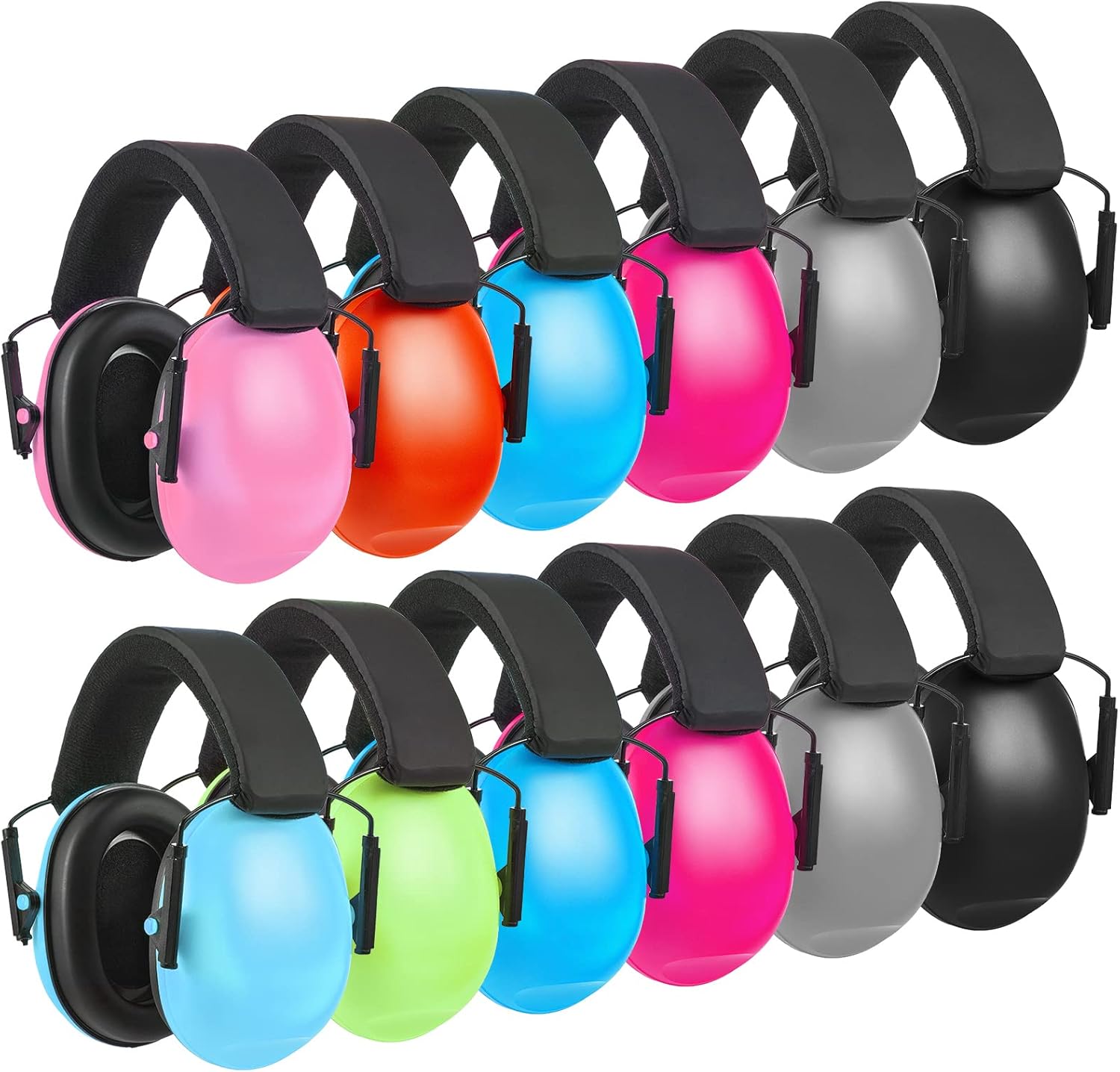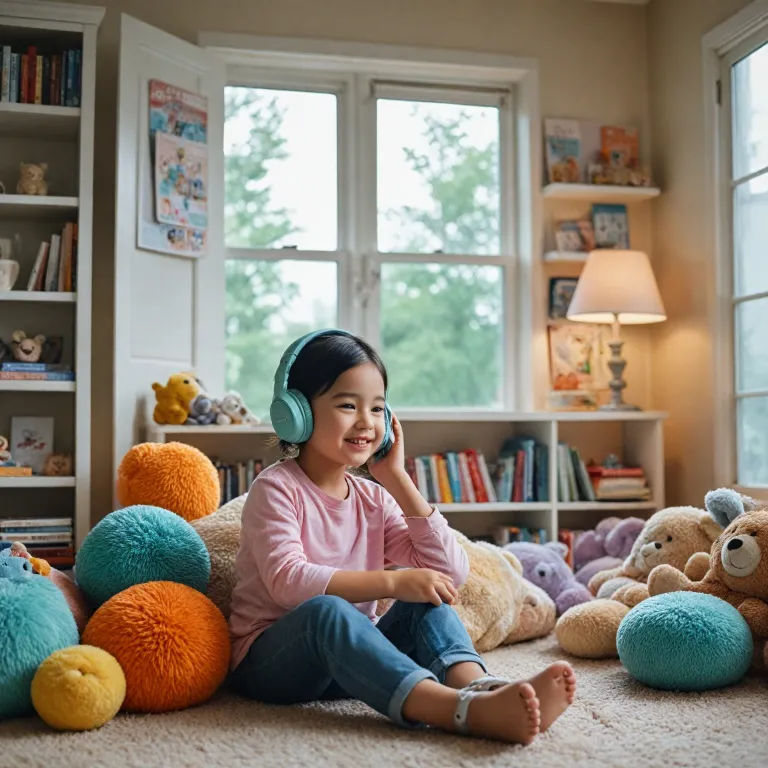
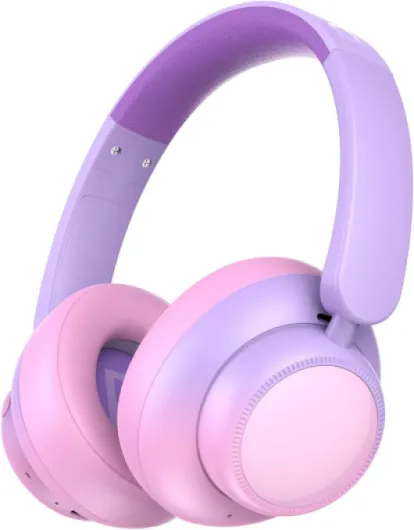

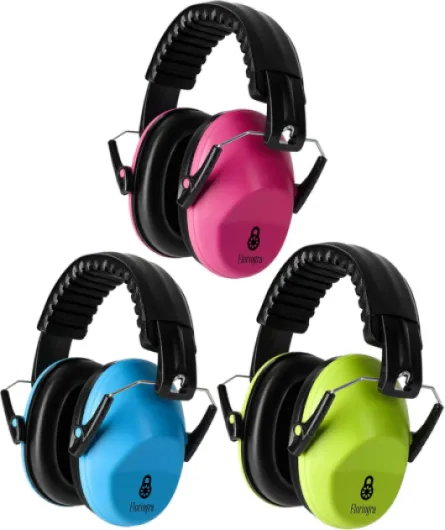
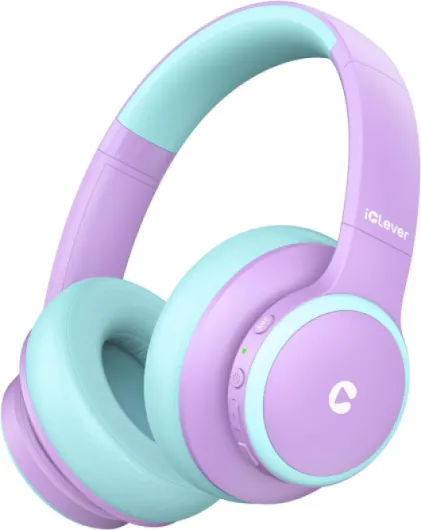
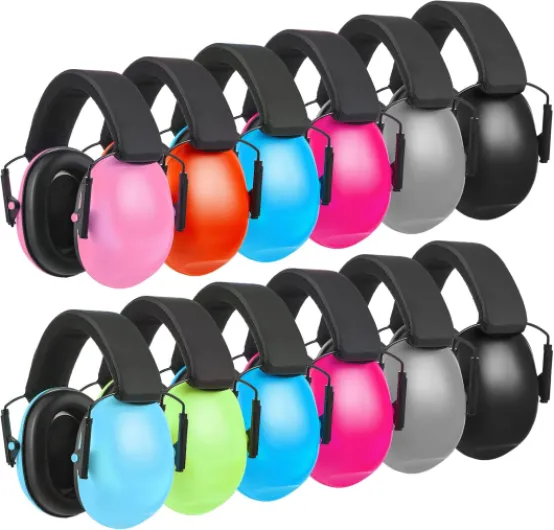
Understanding the need for noise cancelling headphones for children
Why children benefit from noise canceling headphones
Children today are surrounded by noise, whether it’s in the classroom, during travel, or at home. Excessive sound can be distracting and even harmful to young ears. Noise canceling headphones for kids are designed to reduce unwanted background noise, making it easier for them to focus, relax, or enjoy audio content at a safe volume. This is especially important for children who are sensitive to sound or need extra concentration for learning.
Common scenarios where noise canceling headphones help
- Travel: Airplanes, trains, and buses can be loud. Wireless headphones with active noise cancellation help protect children’s hearing and make journeys more comfortable.
- School: In busy classrooms or during study sessions, kids headphones with noise cancelling features can help minimize distractions.
- Home: Whether it’s siblings playing or household appliances running, noise canceling headphones let children enjoy their favorite audio or focus on homework.
Understanding the difference: noise canceling vs. regular headphones
Unlike standard headphones, noise canceling models use active technology to block out ambient noise. This means children don’t have to turn up the volume to dangerous levels to hear clearly, supporting safer listening habits. Many products also include volume limiting features for extra ear protection, which is crucial for young users.
What parents are looking for
- Safe audio levels: Volume limiting and hearing protection are top priorities.
- Comfort and fit: Kids need headphones that are lightweight and adjustable for smaller heads and ears.
- Wireless convenience: Bluetooth headphones and fast charging options make life easier for families on the go.
- Durability and price: Parents often check stars reviews on Amazon and compare price, battery life, and play time before they buy.
For families in the United Kingdom and elsewhere, the range of kids headphones is growing, with models like the JLab JBuddies and others offering features like active noise cancellation, wireless connectivity, and volume limiting. If your child wears glasses, you might want to explore finding the perfect fit for glasses and noise canceling headphones to ensure comfort and protection.

Key features to look for in children s noise cancelling headphones
What Makes Headphones Suitable for Kids?
When searching for noise canceling headphones for children, it’s important to focus on features that balance comfort, safety, and performance. Kids have different needs than adults, especially when it comes to ear protection and fit. Here are some key aspects to consider when evaluating products:
- Volume Limiting: Look for headphones with built-in volume limiting, usually capped at 85 dB, to help protect young ears from excessive sound exposure. This is a crucial feature for hearing protection and safer listening.
- Active Noise Cancelling: Active noise cancellation (ANC) can help reduce background noise, making it easier for kids to focus or relax. However, ensure the headphones allow some ambient sound for safety in public spaces.
- Comfort and Fit: Adjustable headbands and cushioned ear cups are essential for a secure, comfortable fit. Lightweight designs are better for smaller heads. If your child wears glasses, check out this guide to finding the perfect fit with glasses and noise canceling headphones.
- Wireless and Bluetooth Options: Wireless or Bluetooth headphones reduce the risk of tangled cords and offer more freedom of movement. Fast charging and long battery life (play time) are practical for busy families.
- Durability: Kids headphones should be sturdy enough to withstand drops and daily use. Look for reinforced hinges and flexible materials.
- Audio Quality: While safety comes first, clear sound and balanced audio are still important for an enjoyable listening experience. Some models, like the JLab JBuddies, are designed specifically for kids and receive high stars reviews on Amazon for their sound quality and protection features.
- Price and Value: Compare the price and features of different models. Products with high stars and positive reviews often offer better long-term value.
When evaluating headphones for kids, consider how each product addresses these needs. Features like active noise cancellation, volume limiting, and comfortable design can make a big difference in both safety and enjoyment. Always check for certifications and read stars reviews from other parents in the United Kingdom or your region to ensure you’re making a safe, informed choice.
Safety considerations for young users
Protecting Young Ears: What Parents Need to Know
When it comes to choosing noise canceling headphones for kids, safety is a top priority. Children’s ears are more sensitive than adults’, so it’s important to focus on features that offer both comfort and hearing protection. Here are some key points to consider:- Volume Limiting: Look for headphones with built-in volume limiting, ideally capped at 85 decibels. This helps prevent accidental exposure to loud audio that could harm your child’s hearing. Many headphones kids models on Amazon and other retailers clearly state this feature in their product descriptions and stars reviews.
- Ear Protection: Active noise cancelling headphones can reduce the need to turn up the volume in noisy environments, making them a safer choice for young listeners. By minimizing background noise, kids are less likely to increase the volume to unsafe levels. For additional information on hearing protection, you might find this guide to ear protection and noise cancellation helpful.
- Comfort and Fit: The ear cups should be cushioned and adjustable to fit smaller heads. A good fit ensures effective noise cancellation and reduces the risk of discomfort during longer play time or study sessions. Some wireless headphones, like the JLab JBuddies, are designed specifically for kids and offer a snug, comfortable fit.
- Safe Materials: Make sure the product is made from non-toxic, durable materials. Kids headphones should be free from small detachable parts that could pose a choking hazard.
- Wireless and Bluetooth Safety: Wireless and bluetooth headphones reduce the risk of tangled cords, but always check battery life and fast charging features. Ensure the battery compartment is secure and not easily accessible by children.
Comparing popular models of children s noise cancelling headphones
Popular picks for kids: What parents are buying
When searching for the best noise canceling headphones for children, many parents look for models that balance ear protection, comfort, and reliable sound quality. Here’s a comparison of some of the most popular products available in the United Kingdom and globally, based on features, price, and stars reviews on platforms like Amazon.| Product | Type | Active Noise Cancelling | Volume Limiting | Wireless/Bluetooth | Battery Life/Play Time | Price Range | Stars Reviews |
|---|---|---|---|---|---|---|---|
| JLab JBuddies Studio Wireless | Over-ear | No (Passive) | Yes (85dB) | Bluetooth | Up to 13 hours | Low | 4.5/5 |
| Puro Sound Labs BT2200 | On-ear | No (Passive) | Yes (85dB) | Bluetooth | Up to 20 hours | Mid | 4.6/5 |
| BuddyPhones Cosmos+ | Over-ear | Yes (Active) | Yes (75/85/94dB) | Bluetooth | Up to 24 hours | Mid-High | 4.4/5 |
| Snuggly Rascals Headband | Headband | No (Passive) | Yes (85dB) | Wired | N/A | Low | 4.3/5 |
What matters most in kids headphones?
- Volume limiting: All the headphones above include volume limiting, which is essential for safer listening and hearing protection. Look for models that cap the volume at 85dB or lower.
- Active noise cancellation: Some products, like the BuddyPhones Cosmos+, offer active noise cancellation for extra noise reduction. Others rely on passive noise isolation, which can still provide good ear protection in less noisy environments.
- Wireless and Bluetooth: Wireless and Bluetooth headphones are popular for kids, reducing the risk of tangled cords. Fast charging and long battery life mean less downtime and more play time.
- Comfort and fit: Over-ear and on-ear designs are common, but headband styles like Snuggly Rascals can be more comfortable for younger children or bedtime use.
- Price and reviews: Products with high stars reviews on Amazon and other retailers often reflect real-world satisfaction. Consider your budget, but don’t compromise on safety or audio quality.
How to choose the right model?
When comparing kids headphones, think about where and how your child will use them. For travel or noisy environments, active noise canceling headphones may offer better protection. For home or school, passive noise canceling models with volume limiting can be sufficient and more affordable. Always check for certifications related to hearing protection and safe materials. Remember, the best headphones for your child are those that combine reliable noise cancellation, safe volume levels, and a comfortable fit. Prioritize ear protection and healthy listening habits, as discussed earlier in this guide.Tips for encouraging healthy headphone habits
Building Healthy Listening Habits for Kids
- Set volume limits: Many kids headphones come with built-in volume limiting features, usually capped at 85 dB, which is considered safer for young ears. Always check if the product offers this function, especially for wireless or bluetooth headphones.
- Monitor play time: Encourage regular breaks. Even with active noise cancellation and ear protection, long listening sessions can impact hearing. Experts recommend the 60/60 rule: listen at no more than 60% volume for no longer than 60 minutes at a time.
- Choose the right fit: A comfortable, secure fit helps with both noise isolation and overall ear protection. Ill-fitting headphones may lead to kids turning up the volume, which can be less safe for their hearing.
- Discuss safe listening: Talk to your child about why it’s important to keep the volume at a safe level and to use headphones only when necessary, especially in noisy environments.
- Check battery life and charging habits: For bluetooth headphones, teach kids to charge their headphones safely and avoid using them while charging. Fast charging features can be helpful, but always supervise younger children.
- Review stars reviews and ratings: When choosing a product, look for headphones with high stars on platforms like Amazon, but also read detailed reviews to see how other parents rate their safety and durability.
- Supervise usage: Especially for younger kids, keep an eye on how and when they use their headphones. This helps reinforce healthy habits and ensures the headphones are used for appropriate activities.
Encouraging Responsible Use of Noise Canceling Headphones
- Model good behavior: Show your child how you use your own noise canceling headphones responsibly, including keeping the volume at a safe level and taking breaks.
- Teach about hearing protection: Explain that noise cancelling and active noise cancellation features are designed for ear protection, not just for blocking out sound. This helps kids understand the purpose behind these features.
- Store headphones properly: Teach kids to keep their headphones in a safe place when not in use. This extends the product’s life and keeps them clean and ready for use.
- Compare features regularly: As your child grows, their needs may change. Revisit the features of their headphones, such as bluetooth connectivity, battery life, and fit, to ensure continued safety and comfort.
By building these habits early, you can help your child enjoy their headphones safely, whether they’re using wireless, bluetooth, or wired models. Prioritizing ear protection and responsible use ensures a safer audio experience for kids.
Frequently asked questions about children s noise cancelling headphones
Are noise cancelling headphones safe for kids?
When used properly, noise cancelling headphones can be safer for kids than regular headphones. The main reason is that active noise cancellation helps reduce the need to turn up the volume in noisy environments. This means less risk of hearing damage. Look for headphones with volume limiting features, which cap the maximum sound level to protect young ears. Always supervise use, especially for younger children, and check that the fit is comfortable and not too tight around the ear.
What is the difference between active and passive noise cancellation?
Active noise cancelling headphones use built-in microphones and electronics to cancel out background noise, while passive noise cancellation relies on the physical design and materials to block sound. For kids, active noise cancelling can be more effective in loud settings like travel or classrooms. However, passive models can still offer good ear protection, especially when combined with volume limiting.
How do I know if a product is suitable for children?
Check for features like volume limiting (usually set at 85 dB or lower), lightweight design, and a comfortable fit for smaller heads. Many kids headphones are labeled as "kids headphones" or "children's headphones" and include safety certifications. Reading stars reviews on sites like Amazon can also help you gauge real-world performance and safety. Look for products with high ratings and positive feedback on comfort and durability.
Are wireless or bluetooth headphones better for kids?
Wireless and bluetooth headphones offer more freedom of movement and fewer tangled cords, which can be safer for active kids. However, battery life and play time are important factors to consider. Some models, like the JLab JBuddies, offer fast charging and long battery life, making them practical for daily use. Always check that the wireless headphones have volume limiting and are designed for children.
How much should I expect to pay for quality noise cancelling headphones for kids?
Price can vary widely depending on the brand, features, and level of noise cancellation. Entry-level models with basic noise protection and volume limiting can start around £20-£30 in the United Kingdom. More advanced headphones with active noise cancellation, bluetooth, and longer battery life may cost £50 or more. Consider your child's needs and how often the headphones will be used when deciding on a budget.
How do I encourage safe listening habits?
- Set volume limits on devices and headphones.
- Encourage regular breaks to protect hearing.
- Teach kids to use headphones only when necessary, and not for extended periods.
- Choose headphones with ear protection and comfortable fit.
- Monitor usage and check for any signs of discomfort or hearing issues.