Summary
Analysis score
Average of the criteria rated below
Value for money: where this kit sits in the market
Design and footprint: compact boxes, classic Yamaha look
Build quality and longevity: what to expect
Sound performance: real 5.1 impact vs soundbars
What the Yamaha YHT-4950U actually includes
How well it solves real-world home theater problems
Pros
- Complete 5.1 package with AV receiver, five speakers and powered subwoofer from a known brand
- Supports 4K Ultra HD, HDR (including Dolby Vision and HLG) and has 4 HDMI inputs for modern sources
- Strong user feedback on dialogue clarity, surround immersion and subwoofer impact for movies and games
Cons
- All speakers are wired and the included speaker cables are very thin
- No Wi‑Fi, Dolby Atmos or wireless rear speakers; feature set is basic compared with newer smart receivers
- Auto-calibration (YPAO) doesn’t always give good results, and the full manual is long and only available online

Specifications
View full product page →| Brand | Yamaha |
A budget-friendly way to get real surround sound
The Yamaha YHT-4950U targets a very specific audience: people who are tired of flat TV speakers or basic soundbars and want a full 5.1 home theater without piecing together separate components. It bundles a Yamaha AV receiver, five compact speakers and a powered subwoofer, with Bluetooth and 4K HDR pass-through. On paper, it’s a straightforward turnkey solution: plug in your TV and sources, run the auto-calibration, and you have surround sound for movies, games and music.
Public feedback is quite positive. The system sits at around 4.5/5 stars from more than 1,300 reviews, which is a solid result for a kit in this category. Buyers regularly highlight the jump in clarity compared with TV speakers and soundbars, especially when it comes to hearing dialogue during action scenes. Several comments describe that classic frustration of having to ride the volume up and down all the time, and say this setup largely fixes that once the room calibration is done properly.
On the feature side, this isn’t a flashy smart receiver with Wi‑Fi streaming apps or voice assistants. Instead, Yamaha sticks to the basics that actually matter for a home cinema chain: 4 HDMI inputs with HDCP 2.2 for 4K sources, support for HDR formats like Dolby Vision and HLG, and a simple Bluetooth input for music and podcasts. No wireless rears, no Wi‑Fi, no Dolby Atmos. The focus is a classic 5.1 surround configuration that should suit most living rooms or bedrooms.
In my opinion, the main appeal of the YHT‑4950U is the combination of brand reputation, complete package and reasonable price. It’s not a high-end audiophile system, and the compact speakers make that clear, but for someone coming from a TV speaker or a midrange soundbar, the jump in immersion and flexibility looks substantial. It does have some compromises: wired-only speakers, thin included cables and a manual that you have to download. Still, judging from the specs and the reviews, this kit seems to hit a good balance between simplicity, performance and cost.
Value for money: where this kit sits in the market
The exact selling price can move with promotions, but the Yamaha YHT‑4950U clearly targets the entry-to-midrange home theater bundle segment. For that, you’re getting a full AV receiver plus 5.1 speakers and a subwoofer from a well-known brand, with support for 4K HDR, Dolby Vision and Bluetooth. Considering that a decent standalone AV receiver can already cost a good chunk of the budget, bundling matched speakers and a powered sub in this range is attractive for anyone starting from scratch.
In terms of value, the 4.5/5 average rating across more than 1,300 reviews is a strong indicator that most buyers feel they got their money’s worth. Many explicitly compare it to soundbars and say that, if you can handle running speaker wires, this kind of kit offers much better immersion and flexibility for a similar or slightly higher budget. The fact that it ranks near the top of the Home Theater Systems category on Amazon suggests it hits a sweet spot between cost, features and perceived quality.
There are trade-offs that keep the price down. You don’t get Wi‑Fi streaming, multiroom audio, Dolby Atmos, wireless rears, or high-end speaker cabinets. The included cables are basic, and one user notes that you may want to buy 16-gauge speaker wire for better performance and longer runs. The manual is digital-only, which saves printing costs but shifts a bit of hassle to the buyer. And the speakers, being compact 6-ohm units, are clearly designed to be good enough rather than high-end.
In my opinion, for someone who wants a straightforward 5.1 system with a reputable receiver, HDMI switching, Bluetooth, and a decent subwoofer, the YHT‑4950U offers good value for money. It’s especially appealing if you don’t already own speakers and don’t want to research matching components. If you’re an enthusiast willing to buy a separate receiver and invest in larger or more refined speakers, you can eventually beat this setup in performance—but that usually means spending significantly more. For most non-enthusiasts looking for a solid, simple surround solution, this Yamaha bundle sits in a very sensible spot.
Design and footprint: compact boxes, classic Yamaha look
Visually, the YHT‑4950U sticks to a simple black design across all components. The receiver follows Yamaha’s usual home theater styling: a 17" wide chassis, about 6" high and 12" deep, with a front display, volume knob and basic buttons. It’s not ultra-slim, so you’ll need a proper TV stand or shelf with enough depth and airflow. Several buyers mention being surprised by the receiver’s size, which is normal for an AV amp but can catch people off guard if they’re used to soundbars or compact streaming boxes.
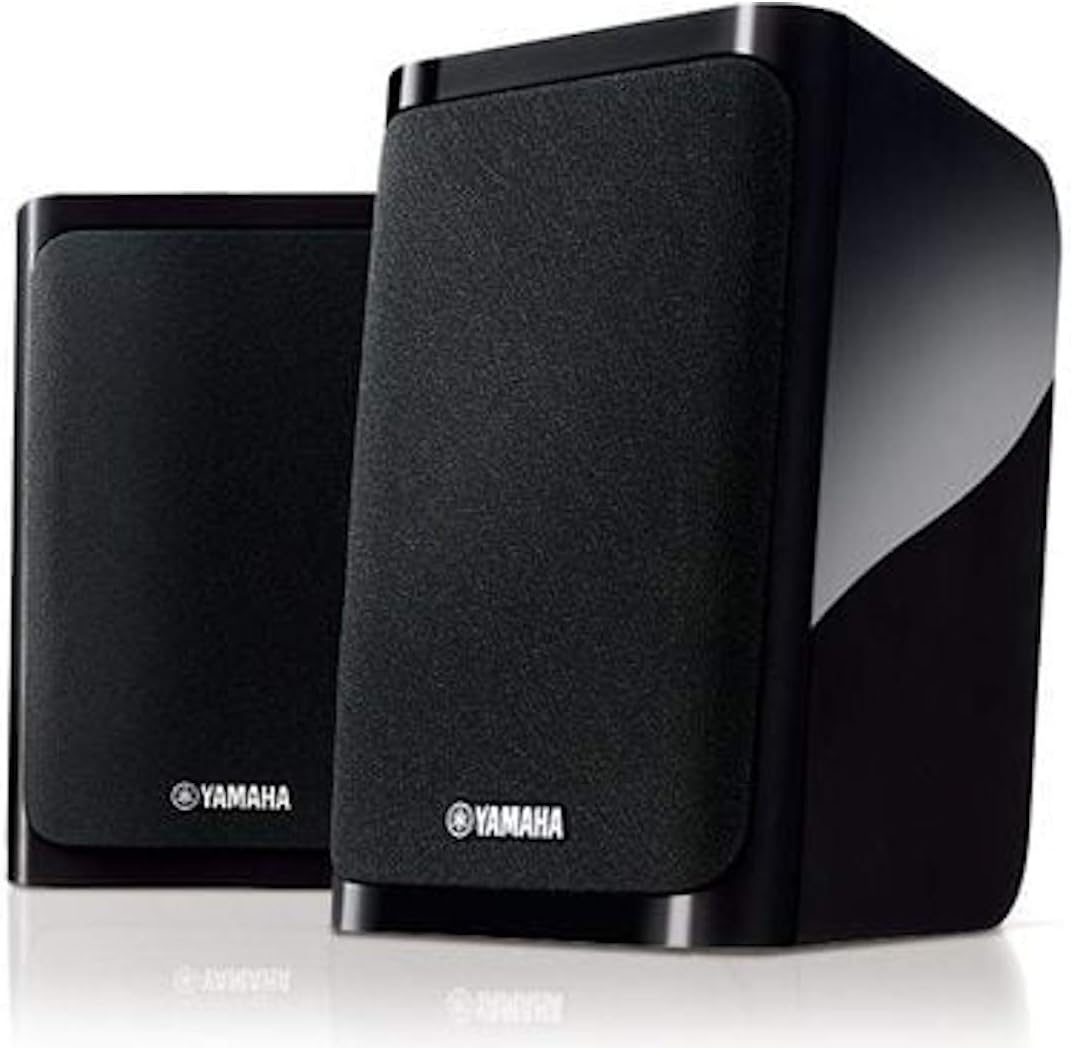
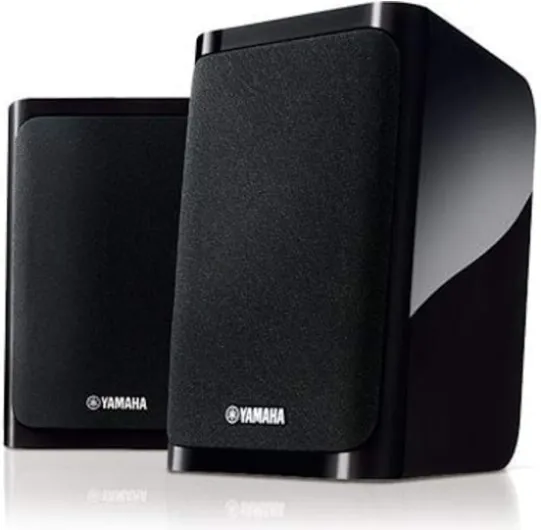
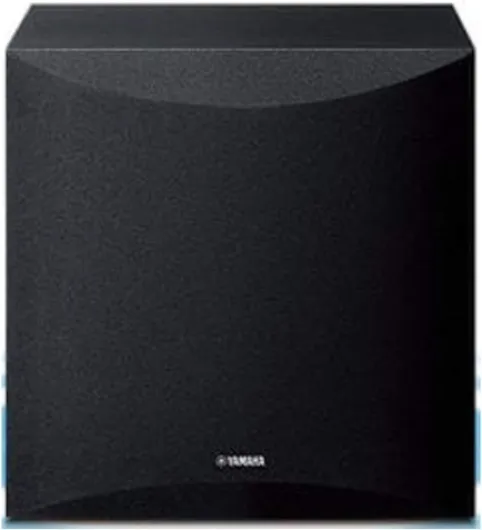
The speakers are clearly designed to be discreet rather than showpieces. At around 4" x 6" x 4" for the satellites, they are small enough to place on shelves or mounts without dominating the room. The center channel, at 10" wide, sits nicely under most TVs. The subwoofer’s 11" x 11" footprint is also modest, making it suitable for smaller rooms and even bedrooms. Several reviews come from users who installed this system in a bedroom and seem satisfied with how it fits physically.
On the functional design side, Yamaha includes its Virtual CINEMA FRONT feature, which allows all speakers to be placed at the front of the room while still simulating surround sound. That’s helpful for people who can’t or don’t want to run cables to the back of the room. There’s also the YPAO microphone for automatic room optimization. One review describes placing the mic between pillows on a bed to calibrate the sound specifically for that listening position, and the owner was very happy with the result, especially for dialogue clarity and balance between effects and voices.
However, another user reports the opposite: they found the automatic mic setup made the system sound off and preferred to tweak settings manually. This shows the design gives flexibility, but also that the interface and options can be a bit dense, especially since the full manual is online-only and runs over 100 pages. In my opinion, the design is functional and understated, with a clear goal: blend into typical living spaces and provide enough positioning options to work around cable routing constraints, but without any visual flair or premium materials. For the price segment and the audience, that feels appropriate.
Build quality and longevity: what to expect
From the specs and the brand’s track record, the YHT‑4950U comes across as a midrange, mass-market system with sensible build choices rather than premium materials. The total package weight of 51.8 pounds, including receiver, five speakers and a subwoofer, suggests the enclosures are likely MDF or similar with simple vinyl finishes, which is standard for this level. The receiver being made in Malaysia is seen positively by at least one buyer, who explicitly says they’re glad it’s not manufactured in China and associates that with good quality control.
Yamaha backs the system with a 2‑year manufacturer warranty, which is pretty typical for AV receivers in this range. The Amazon ranking (#4 in Home Theater Systems) and the large volume of reviews also imply this is a widely sold, mainstream product rather than a niche experiment. Among the public comments available, there aren’t widespread reports of early failures or chronic defects. Most feedback focuses on sound performance, setup quirks and cabling rather than reliability issues, which is a good sign.
That said, some elements show where Yamaha has cut costs. Multiple buyers describe the included speaker wire as very thin, and at least one explicitly recommends upgrading to 16-gauge cable for longer runs and better performance. Thin wire isn’t a durability issue by itself, but it does hint that accessories are budget-grade. The small, lightweight speakers also mean the cabinets and drivers are likely optimized to hit a price point. They should be fine for normal home use, but they’re not built like heavy-duty studio monitors that can take abuse or constant high-volume use for hours on end.
In my opinion, if the system is used reasonably—proper ventilation for the receiver, no constant max-volume abuse, and careful handling of the wiring—it should hold up well through the warranty period and beyond. Yamaha has a long history in home audio, and that usually translates into reliable electronics and decent quality control. Just don’t expect luxurious materials or overbuilt cabinets: this is more about delivering reliable, decent sound than about being a tank. For someone wanting a reasonably robust, brand-name 5.1 kit for a living room or bedroom, the durability prospects look solid for the category.
Sound performance: real 5.1 impact vs soundbars
On paper, the YHT‑4950U offers a typical 5.1 surround configuration with a frequency response down to 28 Hz (likely referring to the system with subwoofer) and up to 25 kHz. The receiver’s power figures (around 140–150 W mentioned in the specs) suggest enough headroom for small to medium rooms, especially with efficient satellite speakers. This isn’t a monster power amp, but for bedroom or living room use, it should be able to reach cinema-like levels without too much strain when set up correctly.
In the reviews, performance is easily the most praised aspect. Many buyers coming from soundbars or failing HT-in-a-box systems describe the sound quality as a big step up. One verified buyer says the system “blew me away,” especially highlighting the subwoofer’s impact: they talk about feeling the bass in their chest and having explosions rattle the room, which is exactly what many people look for in a home theater kit. Others emphasize the clarity of the mids and highs, with music and movie soundtracks sounding crisp and detailed enough for the price.
Dialogue clarity is a recurring point. Several comments mention that before this system, they constantly had to raise and lower the volume because action scenes were too loud and voices too quiet. With this Yamaha kit, once calibrated to the listening position, voices reportedly become much easier to hear even during loud scenes, which is one of the main benefits of having a dedicated center channel and a decent receiver doing the decoding and processing. Yamaha’s Compressed Music Enhancer is also mentioned in the specs as a way to improve the sound of compressed sources, though buyers tend to talk more about overall clarity than about this specific feature.
There are a few nuances. One reviewer states that the automatic YPAO calibration made the system sound “yucky” to them, and they got better results by resetting and doing a manual setup. That suggests the performance potential is good, but you might need to spend time in the menus to get the sound you want. Another owner notes that the bundled speakers are 6-ohm units and that the receiver needs to be configured accordingly, something not clearly highlighted in the quick-start guide. In my opinion, for a kit in this class, the performance looks strong, especially for movies and games, as long as you’re willing to tweak settings and possibly upgrade the speaker wire for longer runs.
What the Yamaha YHT-4950U actually includes
The YHT‑4950U is a 5.1-channel home theater bundle. That means you’re getting several elements in one box: an AV receiver, two front speakers, one center speaker, two surround speakers and a powered subwoofer. Yamaha also throws in basic speaker wire and a subwoofer cable, so in theory you can assemble a full system without buying anything else. The manufacturer lists the unit count as six, which refers to the receiver plus the five speakers; the subwoofer is powered and counted separately in the built-in media description.
The AV receiver is the heart of the kit. It offers 4 HDMI inputs and supports 4K Ultra HD video with HDCP 2.2, along with H.264 and H.265/HEVC video pass-through. It handles HDR formats including Dolby Vision and Hybrid Log-Gamma, so it should work well with modern TVs, game consoles, streaming boxes and Blu-ray players. Audio-wise, it’s a classic 5.1 surround receiver with Yamaha’s usual DSP modes, YPAO automatic room calibration and a claimed output around 140 W / 150 W in the spec sheet (Yamaha’s marketing power figures are often peak or per channel into specific loads, so it’s best seen as midrange power rather than brute force).
The speakers are compact: each of the four satellites is about 4" W x 6" H x 4" D, and the center channel is 10" wide but the same height and depth as the satellites. The subwoofer measures 11" x 11" x 13", so it’s relatively small-footprint and should be easy to place in a bedroom or smaller living room. The entire package weighs around 51.8 lb, which hints at a reasonably solid build for an entry-level bundle but nothing too massive.
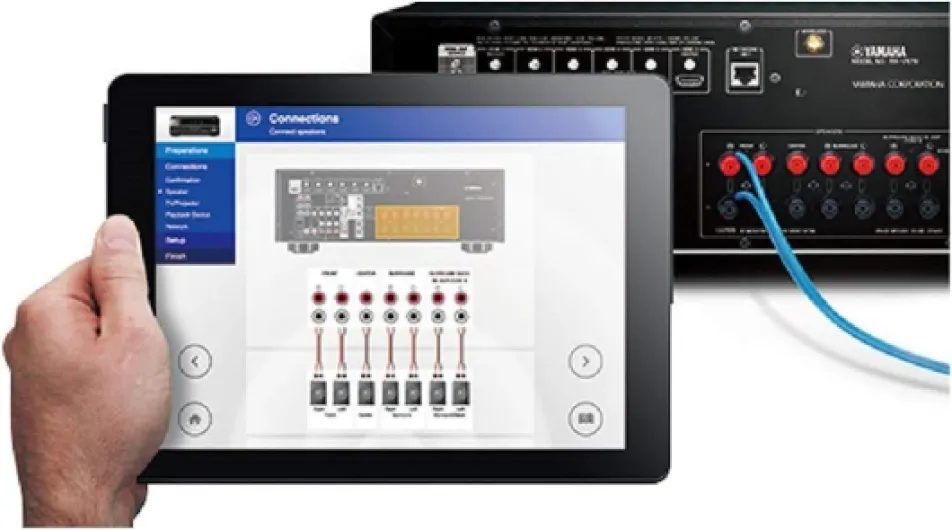
On the connectivity side, the receiver supports HDMI, optical, coaxial, Ethernet, USB, auxiliary and Bluetooth. Important detail: there is no wireless speaker functionality. The Bluetooth is for streaming audio from phones, tablets or laptops, not for connecting the speakers. For control, you get a remote, and some comments mention the benefit of using HDMI ARC with a compatible TV so you can drive volume from the TV’s remote. Overall, this is a classic, wired 5.1 system with just enough modern features to integrate into a 4K HDR setup without being a full-blown network streamer.
How well it solves real-world home theater problems
Effectiveness here means one thing: does this system actually fix the common home theater headaches—weak TV audio, muddy dialogue, lack of immersion, and annoying volume swings? Reading through the reviews, the answer from most buyers is yes. One detailed account from a bedroom setup explains that the couple previously struggled with action scenes being too loud and dialogue being barely audible, despite trying different soundbars and tweaking TV settings. After installing this Yamaha kit and running YPAO with the mic placed where their heads rest on the bed, they report that dialogue became clear and consistent while effects surround them, to the point where helicopter scenes feel like they’re circling the bed.
That kind of feedback lines up with what the spec sheet promises. A dedicated center channel for voices, matched front and surround speakers, and a subwoofer to handle low frequencies take a huge load off the TV and allow the receiver’s processing to do its job. The inclusion of features like Virtual CINEMA FRONT also helps in rooms where rear placement is difficult: you can keep all speakers in front and still get a sense of enveloping sound. Several owners say the system makes movies feel more like being in a cinema and that games gain atmosphere thanks to positional cues.
Where things get a bit more mixed is in the setup and fine-tuning. While some people praise the YPAO auto-calibration and get great results quickly, others say the automatic settings made the sound dull or unbalanced until they reset and configured levels and distances manually. This indicates that the system is capable, but not fully foolproof. The fact that the detailed manual is only online and quite long (over 100 pages) doesn’t help casual users who just want to plug and play.
Overall, in my opinion, the YHT‑4950U is quite effective at its core mission: delivering proper 5.1 surround sound with clear dialogue and impactful bass for movies, TV and gaming, especially in small to mid-sized rooms. It also doubles as a decent music system thanks to Bluetooth and standard inputs, though it’s clearly tuned and marketed as a home theater solution first. If you’re willing to spend a bit of time on calibration—and maybe ignore the auto setup if you don’t like the result—the system seems to solve the usual TV audio problems far better than a typical soundbar in the same price range.
Pros
- Complete 5.1 package with AV receiver, five speakers and powered subwoofer from a known brand
- Supports 4K Ultra HD, HDR (including Dolby Vision and HLG) and has 4 HDMI inputs for modern sources
- Strong user feedback on dialogue clarity, surround immersion and subwoofer impact for movies and games
Cons
- All speakers are wired and the included speaker cables are very thin
- No Wi‑Fi, Dolby Atmos or wireless rear speakers; feature set is basic compared with newer smart receivers
- Auto-calibration (YPAO) doesn’t always give good results, and the full manual is long and only available online
Conclusion
Analysis score
The Yamaha YHT‑4950U is a practical, no-nonsense way to step into real 5.1 surround sound without getting lost in component shopping. It combines a capable AV receiver, compact speakers and a powered subwoofer, with proper 4K HDR pass-through and Bluetooth for casual music streaming. Public feedback is largely positive, especially around dialogue clarity, surround immersion and the sense of impact from the subwoofer. For people coming from TV speakers or soundbars, the improvement described in the reviews is substantial.
It’s not perfect. The system is fully wired, the included speaker cable is very light, and the automatic calibration doesn’t satisfy everyone. You also miss out on newer features like Dolby Atmos, Wi‑Fi streaming and wireless surrounds. But in my opinion, the core proposition is strong: a reliable Yamaha receiver, decent matched speakers, and enough power and features for a living room or bedroom setup, all at a price that stays reasonable. If you want simple, effective 5.1 with brand backing and are willing to spend a bit of time on setup, this kit is a solid choice. If you demand wireless convenience, advanced formats or premium speaker build, you should look higher up the range or at more modular systems.