Summary
Analysis score
Average of the criteria rated below
Value for money: strong basics without paying for gimmicks
Design: lightweight, simple, and very much "no drama"
Battery and charging: decent endurance and a useful indicator
Durability and maintenance: basic body, pricey originals, decent third-party options
Day-to-day performance: timers, pressure control, and ease of use
What the Sonicare 3100 actually offers
Effectiveness: clearly above manual brushing, solid versus rivals
Pros
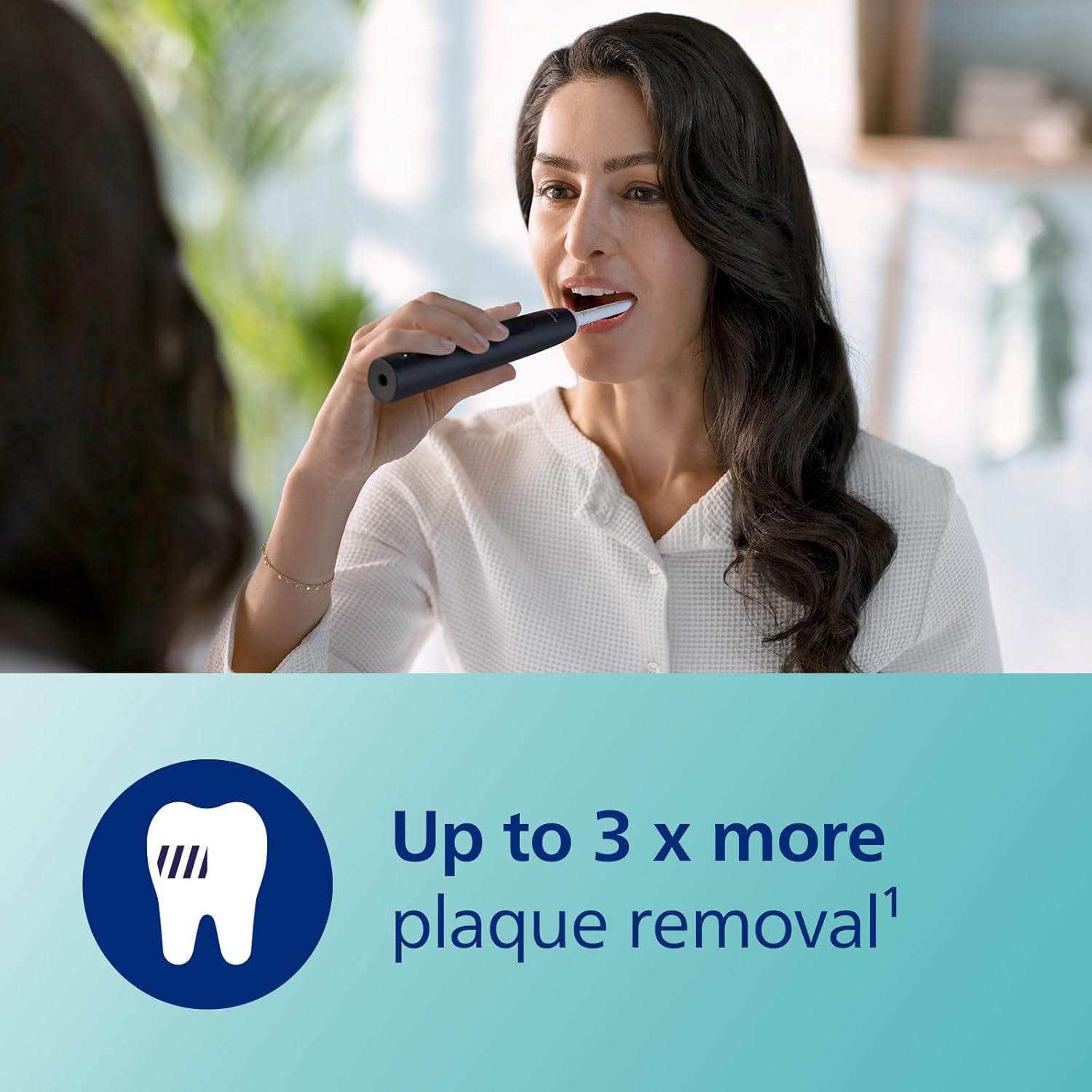
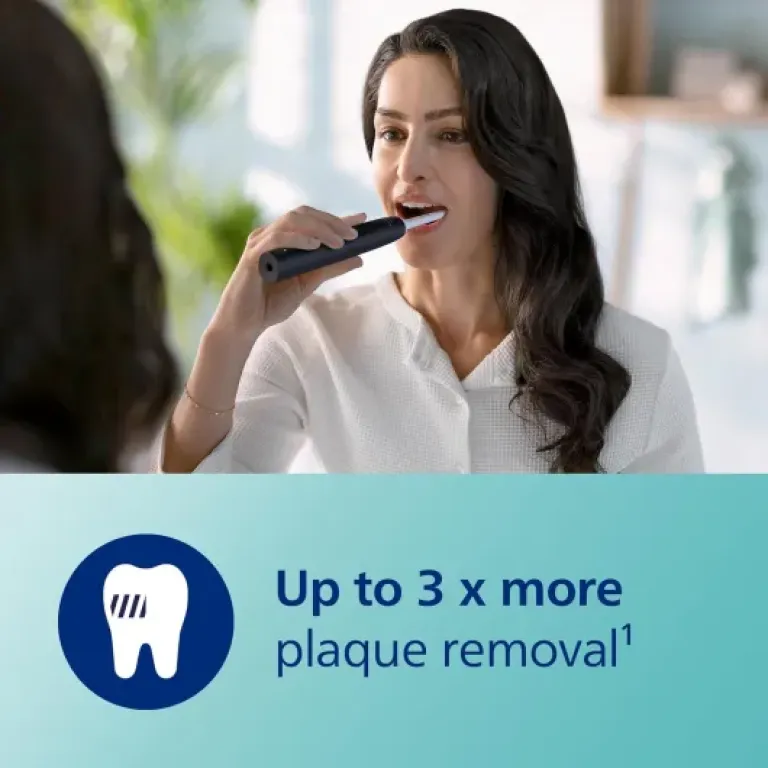
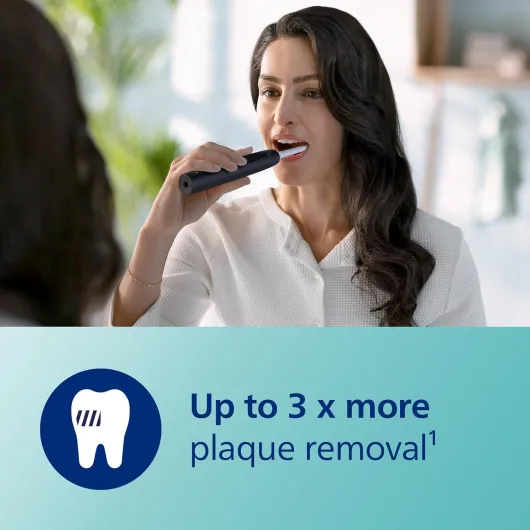
- Effective sonic cleaning with up to 62,000 bristle movements per minute and claimed 3x plaque removal versus manual brushing
- Built‑in pressure sensor plus SmarTimer and QuadPacer to encourage gentle, dentist‑recommended brushing habits
- Lightweight, compact handle with decent battery life and a useful battery indicator, often praised versus cheaper rivals
Cons
- Only one brushing mode and no travel case in this version, which limits flexibility and out‑of‑box accessories
- Official Philips replacement heads are relatively expensive, increasing long‑term cost if you avoid third‑party options

Specifications
View full product page →| Brand | Philips |
A simple sonic toothbrush that’s quietly become a bestseller
The Philips Sonicare 3100 Series (HX3671/14) sits in a crowded market of electric toothbrushes where it’s easy to get lost in marketing jargon and useless extras. Here, the approach is much more straightforward: one main brushing mode, sonic technology up to 62,000 bristle movements per minute, a pressure sensor, and a built‑in timer. Nothing flashy, but very focused on the basics of daily oral care. With more than 15,000 ratings and an average of 4.3/5 on Amazon, it’s clearly attracted a lot of buyers.
According to the brand, this model removes up to three times more plaque than a manual brush when used with the C1 ProResults head. On paper, that puts it in the zone of most mid‑range sonic brushes. The handle is battery‑powered with a built‑in rechargeable lithium‑ion cell, and the brush is aimed at adults who want something light, compact, and easy to handle. There is no huge ecosystem of modes or a screen; the focus is on brushing correctly for 2 minutes with some guidance.
In the published reviews, what comes up often is that people moving from manual brushing or very cheap electric models see a clear difference in how clean their teeth and gumline feel. Others compare it with more expensive Sonicare models or rival brands, and the verdict tends to be that this 3100 is a good basic option: not the most feature‑packed, but competent and fairly priced. The fact that it ranks near the top in the sonic toothbrush category suggests it hits a sweet spot for many users.
In my opinion, this is a product for people who want a serious oral‑care tool without paying for gimmicks. The spec sheet is modest but coherent: sonic action, a pressure sensor to avoid overdoing it, and timing aids (SmarTimer and QuadPacer) to push you towards dentist‑recommended brushing habits. It is not trying to be a luxury gadget; it looks more like a well‑thought‑out workhorse. The rest of this analysis looks at how it stacks up on design, performance, battery, durability, and value according to the available specs and buyer feedback.
Value for money: strong basics without paying for gimmicks
In terms of value, the Philips Sonicare 3100 positions itself as a mid‑range, no‑nonsense sonic toothbrush. It doesn’t come with a travel case in this specific version, and you only get one brush head in the box, so the initial bundle is fairly minimal. However, several reviewers still call it “good value for money” and “excellent value,” mainly because the core brushing performance and features (pressure sensor, timers, sonic action) are there without the premium price tag of higher Sonicare tiers.
One user compares it to a basic Oral‑B Pro Vitality and finds the 3100 a clear step up: better battery life, the presence of a battery indicator, and a smoother, less “crude” brushing action. Another buyer who was testing whether electric toothbrushes are even worth it says they were impressed enough with the results that they bought a set for themselves and their spouse and would recommend it to others. That kind of feedback suggests that, for many people, the perceived improvement in cleanliness and gum health justifies the cost.
On the flip side, value is affected by the lack of accessories and the ongoing price of official heads. If you want a travel case and extra heads included, you’ll either need to choose a different bundle or buy those items separately. Replacement heads from Philips are not cheap, and if you stick to originals, the long‑term cost can add up. The fact that some reviewers are already pointing to third‑party compatible heads as a more affordable alternative shows that this is a real consideration for budget‑conscious users.
In my opinion, the Sonicare 3100 offers good but not spectacular value. You are paying primarily for proven sonic cleaning technology, a decent battery, and sensible features like the pressure sensor and timers, rather than for cosmetic extras. For someone moving from manual brushing or a very basic electric model, it’s a meaningful upgrade without jumping into the price bracket of top‑end brushes with Bluetooth apps and multiple modes. If you absolutely want a travel case included or need specialised modes, you might be better off either stepping up in the Sonicare lineup or considering competing brands. But if you’re focused on solid daily cleaning at a reasonable price, this model makes sense.
Design: lightweight, simple, and very much "no drama"
On design, the Philips Sonicare 3100 Series is intentionally low‑key. The colour here is Series 3100 Black, with a slim, elliptical handle shape. It’s described as lightweight and compact, and several reviewers highlight that it feels smaller and lighter than some older Sonicare models, like the Sonicare 700. That lighter form factor is a plus for everyday use and travel, especially if you don’t like bulky handles crowding your bathroom shelf or washbag.
The layout seems deliberately simple: a single main button on the front, a small LED area that includes the battery indicator, and no extra screens or mode icons. One reviewer points out that they appreciate the automatic shut‑off after 2 minutes, because their previous Oral‑B didn’t do that, forcing them to fumble for the button with wet hands. Here, the SmarTimer and QuadPacer are integrated without complicating the interface: you just switch it on, listen for the brief pauses every 30 seconds, and it turns itself off at the end.
The brush head supplied is the C1 ProResults, which has an oval shape and soft bristles. Philips mentions that the bristles are densely packed and slightly contoured to follow the tooth shape. Buyers often comment that the head size is manageable and reaches the gum edges reasonably well. One reviewer mentions specifically that it’s great to brush around the gum edges and teeth, and that after the 2‑minute cycle they feel they have a good finish. For a mid‑range electric toothbrush, that combination of a compact handle and a not‑too‑bulky head is a strong point.
There are a couple of design compromises. The pictorial quick‑start guide is described by at least one buyer as cryptic, with some guessing needed to interpret the icons. That’s a minor annoyance, but it shows that Philips prioritised universal icon language over clear text instructions. Also, this particular SKU doesn’t include a travel case, which for some people is part of the “design package” since it affects how you store and transport the brush. In my opinion, the design is honest: it’s not trying to look premium for the sake of it, but focuses on usability, compactness, and a clean, modern look that fits most bathrooms without shouting for attention.
Battery and charging: decent endurance and a useful indicator
The Philips Sonicare 3100 uses a rechargeable lithium‑ion battery, which is now the standard choice for modern electric toothbrushes. While Philips doesn’t highlight a specific number of days in the brief description, user feedback gives some clues. One reviewer reports using it twice a day for the recommended 2 minutes and getting around two weeks on a single charge, with the battery light still flashing green at that point. That’s in the ballpark of many mid‑range electric brushes and a clear step up from basic models that need charging every few days.
Several users also appreciate the presence of a battery indicator. One reviewer compares it directly with an Oral‑B Pro Vitality, which they criticise for its short battery life and lack of any indicator. With the Sonicare 3100, you can at least see when the battery is low and plan a recharge instead of being surprised by a dead brush in the morning. For day‑to‑day convenience, this small detail makes a difference, especially if you’re sharing a bathroom or charger with someone else.
The brush comes with a standard Philips charging base. There’s no fancy USB‑C or travel charger in this particular bundle, which may disappoint frequent travellers who like to charge from a power bank or laptop. However, for home use the classic base is tried and tested, and many households already have a compatible stand from older Philips models. One reviewer even mentions reusing a travel case from a previous Sonicare, which hints at a certain continuity in design across generations.
In my opinion, the battery side of this product is solid but not outstanding. Two‑week endurance with twice‑daily use is fine for most people and reduces the need for constant recharging. It’s not aiming for the very long multi‑week or month‑long battery life that some niche models advertise, but it avoids the annoyance of a brush that constantly needs to be plugged in. The presence of a clear battery indicator and the use of lithium‑ion chemistry are the main strengths here. If you want cutting‑edge charging options or ultra‑long endurance, you might look elsewhere, but for a mid‑range brush, the 3100’s battery setup is sensible.
Durability and maintenance: basic body, pricey originals, decent third-party options
The Philips Sonicare 3100 is manufactured in China and weighs about 300 g for the whole package. The materials aren’t described in detail, but we’re clearly looking at a plastic handle with a soft‑bristled removable head. There’s no metal or premium finish advertised here; the priority seems to be a robust, lightweight shell suitable for everyday bathroom use. One reviewer mentions that their previous Sonicare 700 lasted several years before failing, and that they chose the 3100 as a replacement, suggesting some trust in the brand’s long‑term reliability, even if that older unit eventually gave up.
On the head side, the supplied C1 ProResults is a standard click‑on Sonicare head with soft bristles. Philips recommends regular replacement, and as with most big brands, official replacement heads are not cheap. A reviewer notes that original brush heads “tend to be dear” but that they’ve found Derfin‑branded compatible heads on Amazon at a more modest price, and that these seemed acceptable in use. That kind of comment is common in the electric toothbrush world: the handle may be reasonably priced, but the ongoing cost of heads matters, especially in multi‑person households.
In terms of daily wear and tear, there aren’t strong patterns of complaints in the visible reviews about the handle breaking or the battery dying quickly. On the contrary, at least one reviewer notes that their current 3100 has been working well for many months with no issues and that they find it comparable in effectiveness to more expensive versions. That doesn’t guarantee perfect reliability, but with over 15,000 ratings and a 4.3/5 average, there doesn’t seem to be a widespread durability problem standing out in the comments.
From a maintenance point of view, the design is simple: rinse the head, wipe the handle, and occasionally clean around the neck where toothpaste residue can build up. The fact that it’s a relatively plain plastic body means there are fewer crevices or decorative elements that can trap grime. In my opinion, the durability story is “standard Philips Sonicare”: not bulletproof, not luxury‑grade, but generally trustworthy for a few years of daily use if you treat it normally and replace heads on schedule. The main ongoing cost to keep in mind is head replacement, where third‑party options can soften the blow if you’re willing to move away from Philips originals.
Day-to-day performance: timers, pressure control, and ease of use
From a performance standpoint, the Philips Sonicare 3100 is built around three key helpers: EasyStart, SmarTimer, and QuadPacer. EasyStart gradually increases the brushing power over the first 14 uses. This is meant for people who are new to sonic brushes and might find full power a bit intense at first. While you don’t get a numerical scale, the idea is to ease you into the sonic feel instead of hitting max intensity from day one. For someone switching from manual brushing, this is a practical feature that helps with adoption.
The SmarTimer ensures you brush for the recommended 2 minutes. Once you press the power button, the brush runs through four 30‑second segments, signalled by brief pauses thanks to the QuadPacer. One reviewer explicitly appreciates this, contrasting it with an Oral‑B Pro Vitality that didn’t shut off automatically, forcing them to reach for the button. Here, the automatic stop avoids over‑brushing and makes the routine more predictable: upper outside, upper inside, lower outside, lower inside, for example. For users who tend to rush their brushing, this structure is a clear benefit.
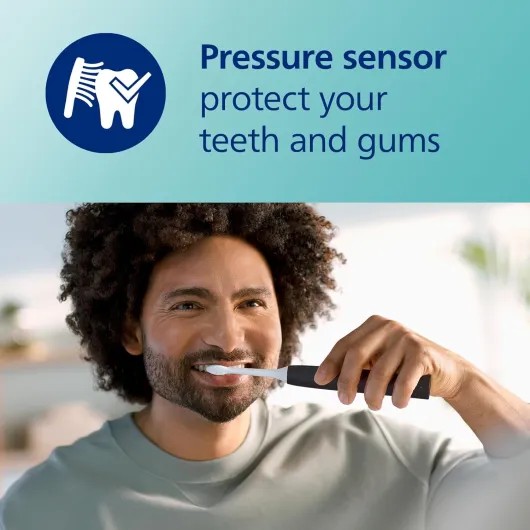
The pressure sensor is another part of everyday performance. Philips states that if you apply too much pressure, the handle will pulse to remind you to ease off. One reviewer notes they haven’t triggered it because they use light pressure, but for many people this is a useful safeguard. Over‑brushing is a real concern with electric toothbrushes, and a simple haptic warning is an efficient way to reduce that risk without adding complexity to the controls.
In published reviews, people often describe the 3100 as “pleasant to use” and “not too noisy,” though noise level is always subjective. The single‑mode design means you’re not cycling through multiple programs each time you switch it on, which some buyers see as a relief rather than a limitation. On the downside, those who like experimenting with different intensities or modes may find the 3100 a bit too basic. There is no dedicated “sensitive” or “whitening” setting, so if you need tailored care, you may have to move up the Sonicare range. In my opinion, the everyday performance is focused and efficient: it guides you to brush correctly with minimal fuss, which is probably what most users actually need.
What the Sonicare 3100 actually offers
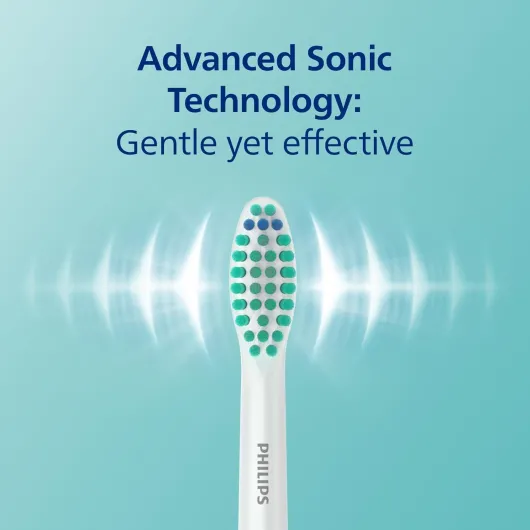
The Philips Sonicare 3100 Series is an adult electric toothbrush built around Advanced Sonic Technology. The brand advertises up to 62,000 bristle movements per minute, which is typical for Sonicare’s sonic range and quite different from the oscillating‑rotating approach of Oral‑B. The set here is minimal: you get one 3100 handle, one C1 ProResults brush head, and one charger. That’s it. No travel case, no additional heads, no stand with compartments. For buyers who just want to start with a basic kit, this is straightforward and keeps the cost down.
The core promise is up to 3x more plaque removal than a manual toothbrush along the gumline when used with the supplied head. That claim is pretty standard in this segment, but it’s still relevant if you’re moving from manual brushing. The handle integrates several helper features: EasyStart (gradually ramps up power over the first 14 uses), SmarTimer (shuts off after 2 minutes), and QuadPacer (brief pauses every 30 seconds to nudge you to change quadrant). A pressure sensor is built in: if you press too hard, the handle pulses to tell you to ease off.
There is only one main cleaning mode, which some people may see as a limitation compared to higher‑end Sonicare models offering whitening, gum care, or sensitive programs. Several reviewers, however, mention that the 3100 “gets the job done” for everyday cleaning and that they don’t really miss the extra modes. One user even compares it favourably to an older, higher‑tier Sonicare 700, noting that although the 3100 is more basic and smaller, it’s pleasant to use and seems to clean well.
The toothbrush is rechargeable with a lithium‑ion battery and weighs about 300 g for the whole package, including accessories. Philips lists it as portable and travel‑friendly, but this specific variant does not include a travel case. Some buyers note that you can either reuse a case from an older model or buy the slightly more expensive bundle that adds a bespoke case. In my opinion, the overall presentation is clear: this is a stripped‑down Sonicare experience focused on core functionality and guided brushing, without trying to compete with flagship models on bells and whistles.
Effectiveness: clearly above manual brushing, solid versus rivals
Effectiveness is where the Philips Sonicare 3100 has to earn its place, and the combination of specs and reviews suggests it does a solid job. On paper, the 62,000 bristle movements per minute and sonic action that “pulses fluid between teeth and along the gumline” are designed to reach areas that manual brushing often misses. The official claim of up to 3x more plaque removal than a manual brush with the C1 ProResults head is in line with what many sonic brushes promise, but it’s still an important baseline improvement if you’re coming from manual brushing.
Several buyers explicitly describe a noticeable difference when switching from manual or cheaper electric brushes. One reviewer who bought the 3100 just to see if electric toothbrushes were worth it says the difference was noticeable straight away, and that both they and their spouse were impressed with the performance and quality. Another reviewer initially found it “adequate but not outstanding” compared to a previous Fairywill brush, but after a couple of weeks, they revised their view and called it “far superior,” saying it really gets into the gum line and leaves their mouth feeling very clean, as long as they keep it charged regularly.
Another strong point is the pressure sensor. While not everyone triggers it, its role is to protect teeth and gums from over‑brushing. Philips says the handle will pulse slightly when you press too hard. In practice, this should help people who tend to scrub aggressively, which is a common bad habit with both manual and electric brushing. Combined with the soft, flexible bristles of the C1 ProResults head, the package is oriented towards effective but gentle cleaning, suitable even for people with fillings, crowns, veneers, or braces, according to the brand.
In my opinion, the Sonicare 3100 looks like a good everyday cleaner rather than a specialist whitening or gum‑therapy tool. It doesn’t have multiple power levels or dedicated whitening modes, but for basic plaque control and gumline maintenance twice a day, the feedback is largely positive. People moving from basic Oral‑B models often mention that the Sonicare action feels smoother and that their teeth feel cleaner afterwards. It’s not the most advanced brush in the Philips range, but for standard oral hygiene, it appears to punch above its simple spec sheet.
Pros
- Effective sonic cleaning with up to 62,000 bristle movements per minute and claimed 3x plaque removal versus manual brushing
- Built‑in pressure sensor plus SmarTimer and QuadPacer to encourage gentle, dentist‑recommended brushing habits
- Lightweight, compact handle with decent battery life and a useful battery indicator, often praised versus cheaper rivals
Cons
- Only one brushing mode and no travel case in this version, which limits flexibility and out‑of‑box accessories
- Official Philips replacement heads are relatively expensive, increasing long‑term cost if you avoid third‑party options
Conclusion
Analysis score
The Philips Sonicare 3100 Series is a straightforward sonic toothbrush that concentrates on what matters most: effective plaque removal, gentle gum care, and guidance towards proper brushing time. With its 62,000 bristle movements per minute, pressure sensor, and 2‑minute timer with QuadPacer, it offers the core of the Sonicare experience without the complexity and extra cost of multi‑mode, app‑connected models. The large number of positive reviews and the 4.3/5 average suggest that, for everyday cleaning, most buyers are satisfied with how it performs.
It’s not a feature monster. You get one mode, one head in the box, no travel case in this variant, and standard inductive charging. Official replacement heads are on the pricey side, and people who want whitening or sensitive modes will probably need to look higher in the range. On the other hand, the brush is light, easy to handle, and offers decent battery life with a useful indicator, which already puts it ahead of some cheaper rivals that cut corners there.
In my opinion, this model is a good fit for adults who want to move from manual or basic electric brushing to something more effective, but who don’t care about smartphone apps or multiple brushing programs. It’s also a sensible option as a household workhorse: solid cleaning, clear timing cues, and enough battery endurance for typical use. People who travel a lot, need advanced modes, or are very sensitive to head replacement costs might want to look at alternative bundles or brands. Overall, as a mid‑range sonic toothbrush that focuses on essentials and skips the fluff, the Sonicare 3100 makes a strong case for itself.