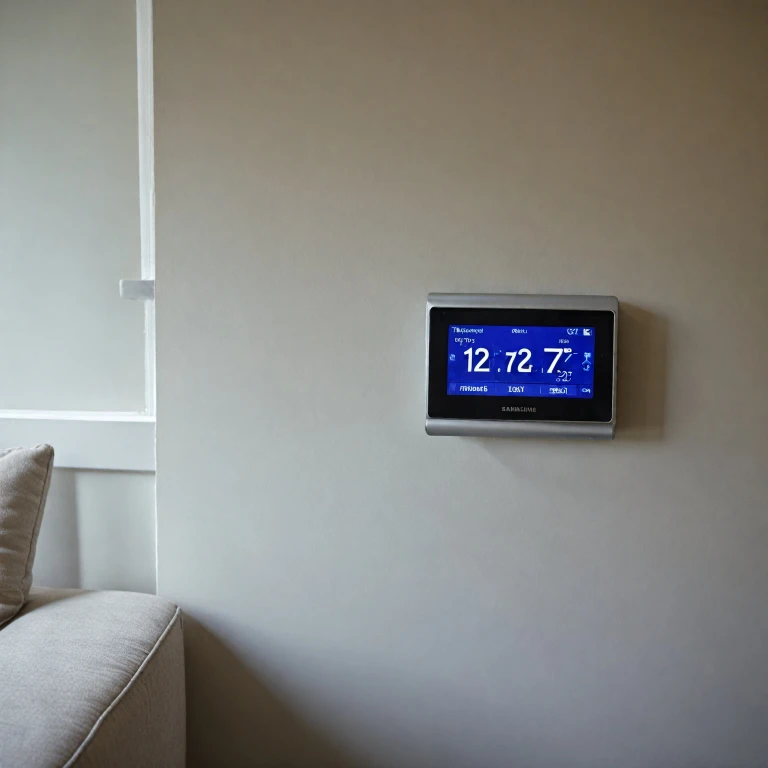
What is a Common Wire?
Demystifying the Common Wire in Your Smart Thermostat System
A smart thermostat is more than just a digital display on your wall; it's a sophisticated device designed to enhance comfort and efficiency in your home. Integral to many smart thermostats’ operation is something called a "common wire" or "C wire." But what exactly is this mysterious wire and why is it so crucial? In HVAC systems, a common wire plays an essential role in maintaining constant power to the thermostat. Unlike traditional systems that only require a wire for heating or cooling, smart thermostats rely on a steady source of power for their more advanced features—like connectivity and response capabilities. The common wire ensures that your thermostat maintains its power without draining battery life, thus supporting continuous operation. Understanding the concept of the common wire in a smart thermostat wiring setup can be tricky, especially given the variety of systems available—be it a Sensi Smart or a Nest Thermostat. To gain a deeper insight into how the common wire fits into the broader landscape of thermostat wiring, you might find a comprehensive guide helpful. While older thermostats operated without the need for additional energy sources, today's smart technologies—including smart thermostats—demand more from your home’s wiring system. Whether you’re just exploring how to optimize your facility’s energy use or considering installing a new device, recognizing the role and importance of the common wire is a fundamental step forward in harnessing the full capabilities of your thermostat system.The Role of the Common Wire in Smart Thermostat Installation
The Importance of the Common Wire in Smart Installation
When it comes to setting up your smart thermostat, such as a Nest or Sensi, the common wire, often labeled C-wire or thermostat wire, plays a key role. The wire provides a continuous flow of power necessary for modern thermostats to function effectively. Unlike traditional thermostats, which were battery-operated, smart thermostats require a constant electrical supply due to their advanced functionalities. Installing a smart thermostat like the Nest or Sensi involves connecting several wires that correspond to your HVAC system's heating and cooling components. The common wire essentially completes the circuit, facilitating a steady flow of low voltage power from your home's heating or air conditioning system to the thermostat. For homeowners who notice a brown wire in their hvac system, it is crucial to understand which terminal it connects to. In some cases, the brown wire may serve as a common wire, but this can vary based on the HVAC system setup. Checking the wiring diagrams and consulting your HVAC manual can provide clarity. If your current wiring setup lacks a common wire, adding one or using a wire adapter becomes essential for the installation of smart thermostats. Not having a C-wire might limit the functionality of your thermostat or even prevent it from working. Some systems, like heat pumps or specific smart thermostats like Sensi Touch, may still function without a C-wire, but this can compromise the system's overall efficiency and responsiveness. For a more guided installation process, you can refer to resources such as this installation guide to ensure you're connecting everything correctly. Understanding the role of the common wire and ensuring it's included in your installation will enhance the performance of your heating and cooling systems, ensuring your smart thermostat works seamlessly.Energy Efficiency and the Common Wire
Efficiency Enhancement through Proper Wiring
Smart thermostats are revolutionizing the way we manage our heating and cooling systems, with the common wire playing a pivotal role in optimizing energy efficiency. The common wire, or C-wire, is essential in providing a continuous flow of power to the smart thermostat, which allows it to operate its full range of features without relying on battery power alone. This constant power supply is crucial for maintaining real-time system monitoring and seamless communication with other smart home devices.
By ensuring your system includes a common wire, your smart thermostat can effectively manage energy use, thus potentially reducing energy bills. This is because the thermostat can utilize algorithms and historical data to optimize heating and cooling schedules, responding deftly to changes in the household's routine or temperature preferences. For instance, through adaptive learning, the Nest thermostat and Sensi smart thermostat can adjust the HVAC system settings based on the homeowner's habits and preferences, reducing unnecessary energy consumption.
Furthermore, leveraging the common wire facilitates an improved response time from the thermostat to the HVAC system. Rather than experiencing delayed reactions or data processing lags due to insufficient power, the presence of a common wire ensures that your thermostat operates at its most efficient. Whether managing airflow through an air conditioning unit or optimizing a heat pump's function, the thermostat can make quick, informed adjustments thanks to a steady low voltage power source from the C-wire.
The advantages extend beyond efficient system performance. By supporting advanced scheduling and remote control capabilities, the common wire allows the smart thermostat to remain continuously connected to the internet. This connectivity lets users monitor and control their HVAC system remotely, adapting to upon assessing temperature shifts or responding to weather changes instantly, enhancing comfort and reducing energy wastage.
To take full advantage of these features, homeowners should verify their thermostat wiring setup. If the common wire is missing, options such as a wire adapter can bridge the gap, ensuring your thermostat never falls short on power. Embracing the efficiency promised by a readily powered smart thermostat can lead to both financial savings and a more sustainable home.
Troubleshooting Common Wire Issues
Dealing with Common Wire Challenges in Smart Thermostats
The common wire, often referred to as the C-wire, is crucial for the full functionality of many modern smart thermostats. However, owners may encounter some challenges related to it. Troubleshooting common wire issues can ensure smooth performance of your HVAC system. One of the most prevalent problems is the lack of a dedicated common wire, especially in older heating and cooling systems. This can lead to insufficient power for the thermostat, causing it to reset frequently. In such cases, checking if you have an unused wire tucked behind the wall plate might solve the issue. You may find a brown wire or an additional wire terminal that can be repurposed as the common wire. Voltage issues are another common hurdle. Incorrect wiring or incompatible HVAC systems can cause voltage fluctuations that impact smart thermostat performance. Ensuring correct wiring, as per the thermostat's manual, is critical. This step may involve inspecting your thermostat wiring for any signs of damage or improper connections. For systems like heat pumps and those involving both heating and air conditioning, the use of a smart thermostat could expose wiring issues that were previously unnoticed. Systems like Nest and Sensi models are often sensitive to wiring discrepancies, so using a wire adapter might help maintain a steady power response. Some users opt to consult professionals for complex troubleshooting tasks. Smart thermostat manufacturers often provide support for intricate wiring issues. Additionally, referring to specific integration guidelines, like those provided for the Sensi Touch or Nest Thermostat, can provide clarity. Addressing common wire issues proactively helps in maintaining the energy-efficient operation of your system, reducing the likelihood of wear on the heating and cooling components.Alternatives to the Common Wire
Exploring Options Beyond the Common Wire
For those looking to modernize their home's HVAC system with smart technology, the need for a common wire in thermostat wiring can sometimes present challenges. However, there are several alternatives available for those who either do not have a common wire established or face difficulties in using it. One popular solution is the use of a wire adapter. This device facilitates the connection of smart thermostats in situations where a common wire is absent. Wire adapters allow the thermostat to draw power by splitting existing wires, thus circumventing the need for traditional wiring configurations. This approach is often used with systems like Nest Thermostat and Sensi Smart, where low voltage setups are required for heating and cooling. Additionally, some smart thermostats on the market, such as certain models from Nest and Sensi, are designed to operate without a common wire. These thermostats can internally compensate by harvesting power through the existing wires or leveraging battery power. While effective, these systems might have limitations when faced with continuously operating heating or air conditioning systems. Smart thermostat manufacturers are also exploring new technologies that reduce the dependence on a common wire. Some innovative designs experiment with alternative wiring strategies that utilize not-yet-used wires, such as repurposing the brown wire, if available. This development ensures greater ease in installation and increases system compatibility for the owner. Filing under Nest, Sensi Touch, or other modern iterations, the evolution of thermostat wiring demonstrates the market's readiness to adapt. Homeowners and installers can now find solutions suitable for various wiring environments without compromising the efficiency of their heating and cooling systems.Future of Smart Thermostats and the Common Wire
Innovative Trends Shaping Smart Thermostats
The landscape of smart thermostats is undergoing rapid evolution, with the common wire playing a significant role in these developments. It serves as a bridge to more reliable and efficient power delivery in various HVAC systems. As technology advances, we observe several key trends shaping the future of smart thermostats.- Integration with Voice Assistants: Major players like Nest and Sensi are increasingly incorporating compatibility with voice assistants such as Alexa and Google Assistant. This integration allows thermostat owners to control heating and cooling systems with voice commands, streamlining user experience.
- Smart Home Connectivity: Thermostats are becoming a central component in smart home ecosystems. They connect seamlessly with other devices, enhancing energy management across different systems, such as lighting and security.
- Advanced Machine Learning: Future thermostats will likely harness more sophisticated algorithms to learn and predict home heating and cooling patterns. This offers improved energy efficiency by adapting to the specific needs of the HVAC system.
- Sustainability and Energy Efficiency: With an eye on reducing environmental impact, the industry is shifting towards sustainable solutions. Smart thermostats now prioritize optimizing electricity use, minimizing waste, and contributing to lower carbon footprints.