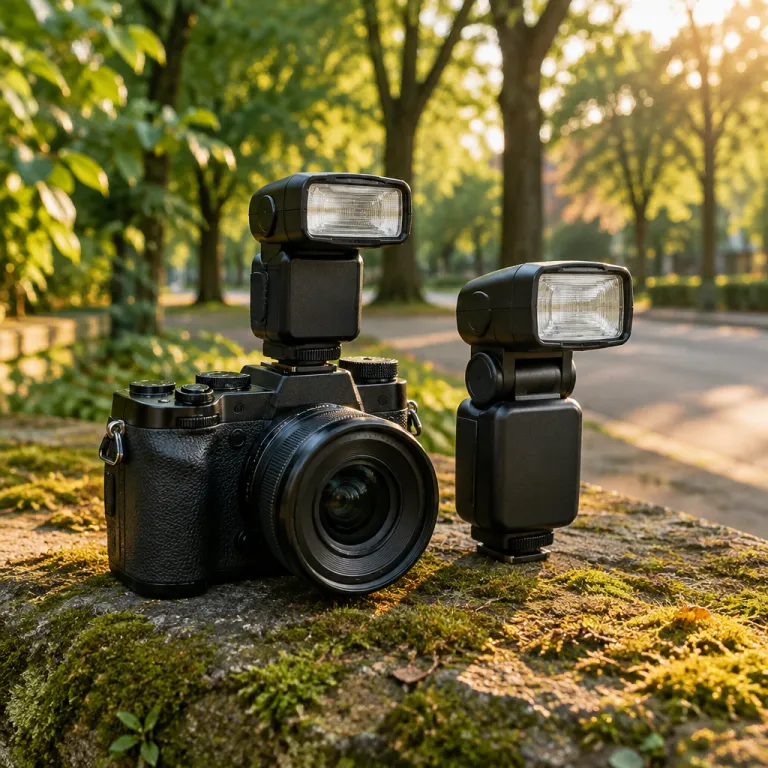
Understanding the role of flash in street photography
Why Use Flash in Street Photography?
Street photography often relies on available light, but adding a flash can transform your images. Using a flash with your Fujifilm camera allows you to control lighting, highlight subjects, and create dynamic contrasts even in unpredictable street conditions. This is especially useful when shooting in low light or at night, where natural light is limited and you want to avoid high ISO noise. A compact flash system can help you freeze motion, add depth, and separate your subject from the background, making your street shots stand out.
How Flash Impacts Image Quality and Style
Integrating a flash into your street photography toolkit opens up creative possibilities. With the right flash power output and sync speed, you can balance ambient light and flash to achieve natural-looking results or dramatic effects. For example, using a speed flash with your Fuji system lets you experiment with different shutter speeds and lighting angles. This flexibility is key for street photographers who want to adapt quickly to changing scenes and light conditions.
Understanding Flash Sync and Shutter Speed
One of the most important technical aspects is flash sync speed. This is the fastest shutter speed at which your camera can synchronize with the flash. Many Fujifilm cameras offer decent sync speeds, but knowing your camera's limits helps you avoid unwanted shadows or partial exposures. Mastering flash sync and shutter speed is essential for capturing sharp, well-lit street images, especially when working with moving subjects or bright backgrounds.
Choosing the Right Flash System for Your Camera
Not all flashes are created equal, and compatibility with your Fujifilm camera is crucial. Whether you use a mirrorless camera or a compact model, look for a flash system that matches your shooting style. Consider factors like portability, trigger options, and power output. Some street photographers prefer a compact flash for its discreet profile, while others need a more powerful unit for challenging lighting situations. The best flash for street photography is one that fits seamlessly into your workflow and supports your creative vision.
For a deeper dive into the fundamentals of flash photography and how it can elevate your street images, check out this guide on mastering the art of flashes in photography.
Key features to look for in a flash for Fujifilm cameras
Essential Specifications for Street Photographers
When searching for the best flash for street photography with Fujifilm cameras, it’s important to focus on features that match the unique demands of shooting on the street. The right flash can help you freeze motion, balance ambient lighting, and add creative effects to your images. Here are the key aspects to consider:
- Flash Sync Speed: Fujifilm cameras, like many mirrorless camera systems, have specific maximum sync speeds. This is the fastest shutter speed at which the camera can synchronize with the flash. For street photography, a higher sync speed lets you shoot in brighter conditions or freeze fast-moving subjects. Check your camera’s manual for its sync speed, and ensure your chosen flash supports it.
- Power Output: The power output of a camera flash, often measured as a guide number, determines how much light it can emit. For street shooting, you want enough power to light your subject without overpowering the ambient scene. Adjustable power settings are a must for flexibility.
- Portability and Size: Street photographers often value compact gear. A compact flash or speed flash is easier to carry and less intimidating for candid moments. Look for a model that balances power with portability, fitting comfortably on your Fuji camera or in your bag.
- TTL and Manual Modes: Through-The-Lens (TTL) metering lets the camera and flash system automatically adjust output for correct exposure. Manual mode gives you full control, which many experienced street photographers prefer for consistency. The best flashes for Fujifilm offer both options.
- Wireless Flash Triggers: For creative lighting, you might want to use your flash off-camera. Check if the flash system supports wireless triggers compatible with your Fuji system. This opens up more dynamic lighting possibilities on the street.
- Recycle Time: Fast recycle speed means the flash is ready to fire again quickly. This is crucial for capturing fleeting street moments without missing a shot.
- Compatibility: Not all camera flashes work seamlessly with Fujifilm cameras. Ensure the flash is designed for Fuji or supports the brand’s TTL protocols. Some Leica and third-party flashes may also be compatible, but always verify before purchasing.
- Build Quality: Street photography can be unpredictable. A durable, weather-resistant flash is a smart investment for photographers who shoot outdoors in various conditions.
For a deeper dive into how these features impact your flash photography, check out this guide on mastering the art of flashes in photography.
Choosing the right flash for your Fujifilm camera is about finding a balance between power, speed, and portability. These features will help you capture compelling street images with confidence and creativity.
Popular flash models compatible with Fujifilm
Reliable flash options for Fujifilm street photographers
When searching for the best flash for street photography with Fujifilm cameras, compatibility and performance are crucial. The Fujifilm X-series, known for its compact mirrorless camera bodies and unique lens system, requires flashes that can keep up with fast-paced street shooting and deliver consistent lighting. Here are some popular flash models that street photographers often consider for their Fuji system:
- Fujifilm EF-X500: This is Fujifilm’s flagship flash, designed specifically for their cameras. It offers high-speed sync (HSS), wireless triggering, and a decent power output. Its weather-resistant build makes it suitable for unpredictable street conditions.
- Godox V1 and TT350F: Godox flashes have gained a reputation for reliability and value. The V1 features a round head for softer, more natural lighting, while the TT350F is a compact flash ideal for lightweight setups. Both support TTL, HSS, and can be used with Godox’s wireless trigger system for off-camera flash photography.
- Nissin i40 and i60A: These compact flash units are popular for their portability and power. The i40 is especially favored by street photographers who want a small, lightweight flash with TTL and manual control. The i60A adds wireless capabilities and more power output for those who need extra lighting flexibility.
- Profoto A1X for Fujifilm: For those seeking premium lighting, the Profoto A1X delivers consistent power and a user-friendly interface. Its round head design creates natural-looking light, and it integrates well with the Profoto AirTTL system for advanced flash sync and triggering.
When choosing a flash, consider your shooting style and the typical lighting conditions you encounter on the street. Some photographers prefer a compact flash for discretion and speed, while others prioritize power output and advanced features like high-speed sync or wireless flash triggers. Also, ensure your chosen flash supports the maximum sync speed of your Fujifilm camera, as this can impact your ability to freeze motion and balance ambient light.
For those who also shoot with other systems, such as Leica, or want to explore cross-compatibility and focusing techniques, check out this guide on using Mamiya Quick Focus on Hasselblad cameras. It offers insights into adapting gear and maximizing your photography workflow.
Ultimately, the best flash for street photography with Fujifilm cameras is the one that fits your workflow, delivers reliable lighting, and keeps up with the fast pace of the street.
Balancing portability and power for street shooting
Finding the Right Balance for Street Shooters
When it comes to street photography with Fujifilm cameras, balancing portability and power in your flash setup is crucial. Street photographers often move quickly, react to spontaneous moments, and need gear that won’t slow them down. At the same time, the flash must deliver enough power output to handle a variety of lighting situations, from harsh midday sun to dimly lit alleys.
- Compact design: A compact flash is easier to carry and less intimidating for your subjects. Many Fujifilm-compatible flashes are designed to be lightweight and small, making them ideal for street shooting.
- Power output: While a smaller flash is more portable, make sure it still offers enough power for your needs. Look for models with adjustable power settings so you can control the intensity based on your environment and subject distance.
- Flash sync speed: The sync speed of your camera and flash system is important for freezing motion and avoiding unwanted blur. Fujifilm cameras typically offer good flash sync speeds, but always check compatibility with your chosen flash. High-speed sync (HSS) can be a game changer for shooting wide open with fast lenses in bright conditions.
- Trigger and system compatibility: Using a dedicated Fuji system flash or a third-party model with reliable flash triggers ensures consistent performance. Some mirrorless camera flashes offer wireless triggering, which can be helpful for off-camera lighting setups.
Street photographers often prefer flashes that blend seamlessly with their camera, such as the Fujifilm EF-X20 or other compact speed flashes. These options provide a good compromise between size and lighting power, allowing you to stay agile without sacrificing image quality. Remember, the best flash for street photography is one that fits your style, your camera, and the pace of your shooting.
Tips for using flash effectively in street photography
Mastering Flash Timing and Sync
Getting the timing right is crucial when using a flash with Fujifilm cameras on the street. Always check your camera’s maximum flash sync speed—this is the fastest shutter speed at which your camera can synchronize with the flash. Exceeding this speed can result in partially lit images. Many Fujifilm mirrorless cameras offer a sync speed around 1/180s to 1/250s, but always confirm with your specific model. Using high-speed sync (HSS) can help you shoot at faster shutter speeds, especially in bright daylight, but remember that HSS may reduce the overall power output of your flash.
Controlling Light for Natural Results
Street photographers often want their images to look natural, even when using artificial lighting. To avoid harsh, unnatural results, consider these tips:
- Bounce the flash off nearby surfaces like walls or ceilings to soften the light.
- Use a compact flash diffuser or small softbox to spread the light more evenly.
- Adjust the flash power output to blend with ambient light, rather than overpowering it.
- Position the flash off-camera with a wireless trigger for more creative lighting angles.
Balancing Portability and Speed
Street photography is fast-paced, so your flash system should keep up. Choose a compact, lightweight flash that won’t slow you down. Speed flashes designed for Fujifilm cameras are ideal for quick shooting and easy handling. Make sure your flash recycles quickly so you don’t miss spontaneous moments. Some photographers prefer using manual flash settings for consistency, while others rely on TTL (Through The Lens) metering for automatic adjustments—both have their place depending on your style and the street environment.
Practical Lighting Techniques
Experiment with different flash techniques to find what works best for your style. Try using rear curtain sync to capture motion trails behind moving subjects, or adjust your shutter speed to control the balance between ambient and flash lighting. Remember, the lens you choose also affects your results—a fast lens with a wide aperture lets in more ambient light, reducing the need for high flash power.
Staying Discreet and Respectful
Street photographers should be mindful of their surroundings. Using a compact flash and minimizing power output helps you stay less intrusive. Practice quick, confident shooting to avoid drawing unnecessary attention. Always respect your subjects and local regulations regarding flash photography in public spaces.
Common mistakes to avoid when using flash on the street
Overpowering Ambient Light
One of the most common mistakes street photographers make with a flash is using too much power output. When the flash overpowers the ambient light, it can create harsh shadows and unnatural lighting on your subject. With Fujifilm cameras, balancing the flash and ambient exposure is essential for natural-looking images. Adjust your flash power and shutter speed to let some ambient light in, maintaining the street atmosphere.
Ignoring Flash Sync Speed Limits
Every camera, including Fujifilm and Leica models, has a maximum flash sync speed. Exceeding this speed can result in partially lit frames or black bands across your image. Always check your camera's sync speed and set your shutter speed accordingly. Many modern mirrorless cameras offer high-speed sync (HSS) options, but not all flash systems or triggers support this feature. Make sure your flash and trigger are compatible with your Fuji system for best results.
Using the Wrong Flash Angle
Directing the camera flash straight at your subject can create flat, unflattering light. Instead, try bouncing your compact flash off nearby surfaces or using diffusers to soften the effect. This technique is especially useful in street photography, where lighting conditions change rapidly. Experiment with different angles and modifiers to achieve more dynamic and pleasing lighting.
Forgetting About Portability
Street photographers often prioritize compact gear for mobility. Carrying a bulky speed flash or heavy lighting system can slow you down and draw unwanted attention. Choose a compact, lightweight flash that fits your shooting style and complements your Fujifilm camera. Remember, the best flash is the one you’ll actually carry and use on the street.
Neglecting Flash Triggers and Communication
Reliable communication between your camera and flash is crucial. Inconsistent triggering or misfires can ruin decisive moments. Invest in quality flash triggers compatible with your Fuji system, and always test your setup before heading out. Some photographers overlook firmware updates for their flash or camera, which can affect compatibility and performance.
Not Practicing Enough
Flash photography, especially on the street, requires practice. Many photographers expect perfect results immediately, but mastering flash sync, power settings, and balancing ambient light takes time. Regular practice with your Fujifilm flash system will help you react quickly and confidently in real-world situations, capturing the best moments with the right lighting.