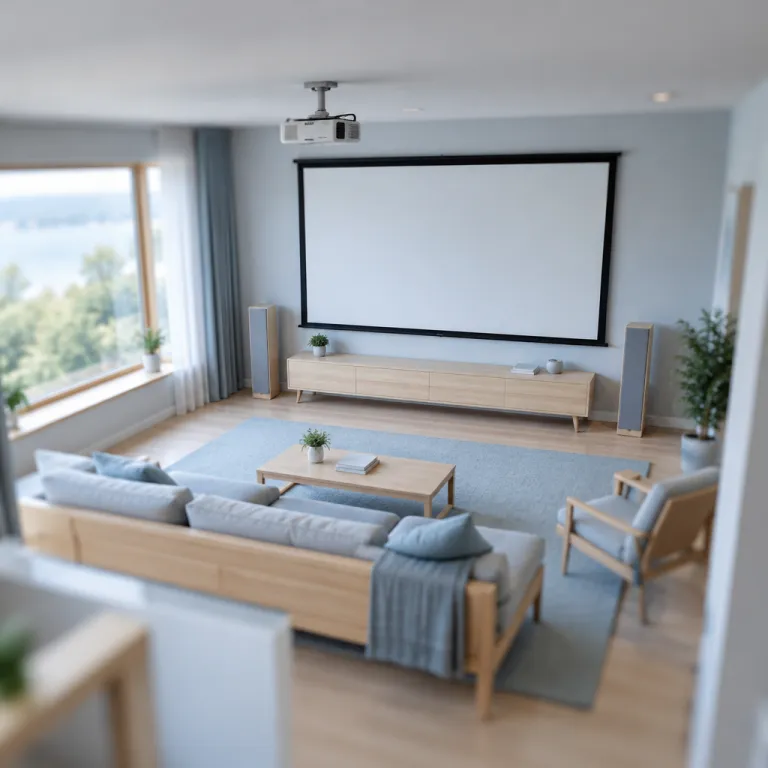
Understanding the Basics of Home Theater Projectors
The Fundamentals of Home Theater Projection Systems
Creating an impeccable cinematic experience at home begins with understanding the key components of your home theater projector. The quest for cinematic perfection revolves not only around the projector itself but also in the selection of a screen material that complements the projector's capabilities. A home theater projector's primary responsibility is projecting a high-quality image, and for this, projecting onto the right screen makes all the difference. Key features to consider include the screen's material, size, and width.- Projection Screen Material: The screen should ideally be a matte white material, which ensures an evenly distributed viewing surface, eliminating glare and hot spots.
- Screen Size and Aspect Ratio: Determining the perfect screen size and aspect ratio will depend on the distance you'll project from and the room's size. Popular choices include a 16:9 ratio, which works well for most modern films, fitting the standard frame projector sizes.
- Fixed Frame: Provides a stable viewing surface, ideal for dedicated theater rooms.
- Electric Screens: Offer convenience with a motorized mechanism, pressing a button effortlessly activates the screen.
- Pull Projector: Simple manual operation, fits in more compact or multi-purpose spaces.
Why a 100-Inch Projection Screen?
Bigger Cinema Experience Within Your Reach
Choosing the perfect projection screen for your home theater significantly enhances your viewing experience, transforming movie nights into immersive cinema-like events. With a 100-inch projection screen, you indulge in larger-than-life visuals right from the comfort of your home.
Why Opt for a 100-Inch Display?
A 100-inch screen is a sweet spot for home theaters, providing an impressive image size that still accommodates most living spaces. It offers a remarkable way to enjoy movies, sports, and gaming, allowing you to catch every detail with clarity. The screen size complements a multitude of projector screen types, adapting well to both fixed frame and pull projector configurations.
Understanding Screen Sizes and Ratios
When selecting a screen, the aspect ratio plays a crucial role in your experience. Common ratios like 16:9 are particularly ideal for widescreen viewing, supporting various content formats effectively. Ensure that your projector's aspect ratio aligns with your chosen screen to avoid any discrepancies.
Choosing the Right Model
Singling out elite screens or electric screens can offer additional features like masking borders that enhance picture quality by improving contrast. Opting for a matte white material can also benefit the viewing surface, making colors pop and image quality sharp and crisp.
Suggestions for Better Viewing
To optimize your home theater, consider room size and setup details like height and width dimensions of your space. The screen material should be tailored to these specifics for the best viewing angle. Quality support products, such as brackets for easy wall mounting or ceiling mounts, and tech support can aid in enhancing your setup.
For more insights on making optimal decisions for your home theater, the guide on acoustically transparent projection screens offers in-depth guidance.
Types of Projection Screens: Finding the Right Fit
Exploring Diverse Projection Options for Home Theaters
When it comes to selecting the perfect screen for your home theater setup, understanding the kinds of projection screens available is crucial. Let's walk through the various types that are sure to complement your projector, as you aim for that ultimate cinematic experience.- Fixed Frame Screens: These screens are elegantly stretched on a rigid frame, most often featuring a matte white material that ensures consistent image reflection. They provide a stable viewing surface with no wrinkles, offering a clean and fixed aspect ratio. A fixed frame screen is perfect for a dedicated home theater where the screen remains a permanent feature, ensuring an easy and flawless display.
- Electric Projector Screens: If you value convenience and neatness, opting for an electric screen may be ideal. These projection screens boast remote control operation, allowing you to retract the screen when not in use, with the added appeal of a sleek, compact design. Electric screens can also effectively adjust to your preferred size, providing flexibility for different viewing experiences.
- Pull Down Screens: Ideal for versatile setups, pull projector screens allow for both temporary and permanent configurations. While the aspect ratio remains consistent, the mobile nature of these screens makes them a flexible option. This comes in handy for multifunctional rooms where the screen is not always needed.
- Manual and Tripod Screens: These portable solutions are perfect for presentations or temporary setups. While not ideal for a dedicated home theater due to potentially compromised screen stability and image quality control, they offer an affordable option for occasional movie nights.
Material and Size Considerations
Choosing the right screen material and size is another pivotal decision.- Screen Material: Typically, a matte white finish is favored for its neutrality and accurate color reproduction. Moreover, look for products that include a sturdy frame with tech support to ensure proper tension and alignment of the screen material.
- Size and Aspect Ratio: Matching the screen size with the projector's aspect ratio is key. For most home theaters, a 16:9 ratio is recommended. Ensure that the viewing width and height fit well with your setup, providing an immersive experience without overwhelming the room’s space.
- Elite Screens Option: If precision engineering and premium material appeal to you, considering elite screens for your setup might be worthwhile. Known for their high-quality construction and exceptional viewing angles, these screens assure an exquisite home theater environment.
Setting Up Your 100-Inch Screen: Tips and Tricks
Setting Up for Optimal Viewing
When establishing your 100-inch projection screen, attention to detail can significantly impact the quality of your home theater viewing experience. Here are essential tips and tricks to guide you:- Select the Right Spot: Ensure you have ample wall space that can accommodate the screen’s width and height. If wall mounting is not an option, consider an elite frame screen supported by a stable stand or install an electric projector screen that can be extended and retracted.
- Consider the Aspect Ratio: Understanding the screen’s aspect ratio is crucial. Most projector screens for home theaters are 16:9, which suits most media formats. This consideration ensures that you achieve the most immersive experience when the image fills the screen projector entirely without distortion.
- Mounting Distance: The distance between the projector and screen should align with the throw ratio specified in the projector’s user manual. This positioning allows the image to be bright and well-focused. Adjust the height and width of the screen for an easy setup that aligns with your projector’s capabilities.
- Align the Viewing Angle: The viewing surface should be perpendicular to the central seating position, enhancing the viewing angle and ensuring everyone in the room gets a clear view. Elite screens often offer wide viewing angles, making it easier to accommodate larger groups without any diminishing in image clarity.
- Prioritize Screen Material: The screen material, especially matte white, should match your room's lighting conditions. A matte white screen is versatile, providing a balanced image quality. For rooms with controlled lighting, this can be an optimal choice.
- Masking Borders: A fixed frame projector screen often includes a black masking border. This border enhances perceived contrast, making colors pop and the image feel more vibrant by focusing your attention on the central viewing area.
Maintenance and Care for Your Projection Screen
Ensuring Longevity with Proper Care
Caring for your 100-inch projection screen is crucial for maintaining optimal image quality and extending its lifespan. Regular maintenance, whether for a fixed frame or an electric model, will ensure your viewing experience remains seamless.
Cleaning the Screen Material
For screens with a matte white or similar viewing surface, it’s important to use a soft, dry microfiber cloth to remove dust and particles. Avoid using harsh chemicals that can damage the screen material. If necessary, a slightly damp cloth with water may be used, but make sure the screen is completely dry before retracting or storing.
Inspecting the Frame and Mount
Regularly checking the screen's frame and wall mount ensures stability and prevents accidents. Tighten any loose screws or bolts on your fixed frame or wall-mounted screen. For electric screens, ensure the mechanism operates smoothly; any resistance might indicate an issue that needs addressing.
Protecting Screen from Environmental Damage
- Keep your projection screen away from direct sunlight to prevent fading and material wear.
- Ensure your home theater setup has proper ventilation to avoid humidity and mold growth on the screen and supports.
Addressing Wear and Tear
Over time, your screen may show signs of wear such as slight discoloration or surface marks. Consider investing in a masking border to hide any frayed edges or marks. The user manual of your projector or screen will often provide tips for specific issues with the product, so keep it handy.
Utilizing Tech Support Options
If you're facing persistent issues with your projector screen that home remedies can’t fix, don't hesitate to reach out to the manufacturer’s tech support. Brands like Elite Screens often offer comprehensive support tailored to their models for screen projector maintenance and troubleshooting.
By following these guidelines, you can maintain an ideal height and width aspect ratio and ensure a vivid image for years to come.
Budget Considerations: Balancing Cost and Quality
Striking a Balance Between Affordability and Quality
When setting up your home theater, cost is often a driving factor in selecting your equipment, especially your projection screen. The goal is to achieve the perfect image without breaking the bank. Here's how you can balance cost with quality while ensuring your 100-inch screen meets your needs:- Explore the Market: With a variety of options available—from fixed frame to electric screens—it's crucial to gauge the market. Examine different materials like matte white or specialized projector screen fabric. Each material has specific characteristics affecting your viewing angle, aspect ratio, and image quality.
- Consider the Type of Projector Screen: Fixed frame screens are favored for their sturdy build and ease of installation but may cost more due to premium materials. Conversely, pull projector screens, though economical, may not provide the same level of tensioned viewing surface.
- Dual Functionality: Some products, like the elite screens, offer advanced features like an electric masking border to adjust the height width or aspect ratio. While this may up the initial cost, such features enhance flexibility and viewing experience.
- Assessing the Frame and Masking Border: The frame can significantly influence the overall screen size and how easy it is to mount on your wall. Ensure the screen frame and user manual provide substantial tech support to aid installation.
- Review Projection Screen Maintenance: Opt for easy-to-maintain screens that don't require costly cleaning or frequent part replacements. This reduces long-term expenses and keeps your projection surface looking sharp.