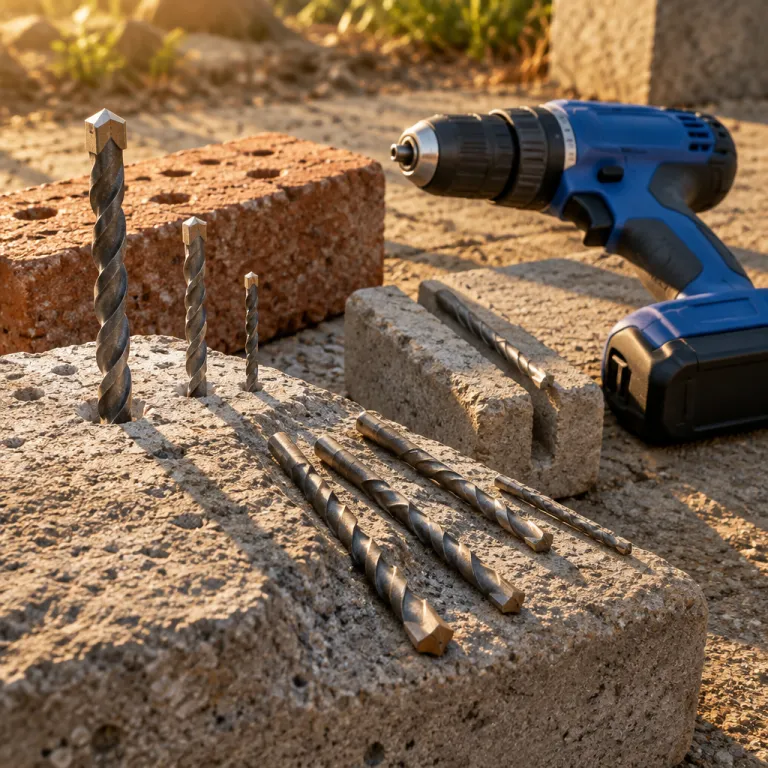
Understanding bit masonry and its importance
Why the Right Masonry Bit Matters for Your Cordless Drill Set
When working with tough materials like concrete, brick, or stone, choosing the right masonry bit is crucial for both performance and safety. Masonry bits are designed specifically to handle the abrasive nature of these materials, making them different from standard metal or wood drill bits. The right bit not only improves drilling efficiency but also extends the life of your cordless drill set and the bit itself.
Masonry bits typically feature a carbide tip, which is much harder than standard steel. This allows the bit to cut through concrete and brick without dulling quickly. The flute design of the bit helps remove dust and debris from the hole, reducing friction and heat buildup. The shank type—such as hex shank or SDS—affects how securely the bit fits in your drill and how much torque can be transferred during drilling. For example, SDS and SDS Max bits are often used with rotary hammer drills for heavy-duty concrete masonry work, while hex shank bits are compatible with many cordless drills for lighter tasks.
- Bit length and working length: These determine how deep you can drill into masonry. Longer bits are useful for thicker walls but may require more powerful drills.
- Bit sets: Investing in a quality bit set ensures you have the right size and type for various jobs, from installing anchors in brick to drilling through concrete blocks.
- Bit life: Using the correct bit for the material can significantly extend bit life and reduce the risk of breakage.
Understanding these basics helps you avoid common mistakes, such as using a metal drill bit on concrete, which can damage both the bit and your drill. For a deeper dive into selecting the right bits and drivers for your cordless drill set, check out this guide on choosing the right bits and drivers.
Types of masonry bits for cordless drills
Key Masonry Bit Types for Cordless Drills
When it comes to drilling into concrete, brick, or other masonry materials, the right drill bit makes all the difference. Not all bits are created equal, and choosing the proper type can impact both the quality of your work and the life of your cordless drill set. Here’s a breakdown of the most common masonry bits you’ll encounter:
- Standard Masonry Bits: These are the most widely used for general masonry tasks. They typically feature a tungsten carbide tip, which is essential for cutting through tough materials like concrete and brick. The flute design helps remove dust and debris during drilling, improving efficiency.
- SDS (Slotted Drive System) Bits: Designed for rotary hammer drills, SDS bits offer enhanced power and durability. They come in variations like SDS Plus and SDS Max, with differences in shank size and working length. SDS bits are ideal for heavy-duty concrete drilling and are popular in professional bit sets.
- Hex Shank Masonry Bits: These bits have a hexagonal shank, providing a more secure grip in the drill chuck. They’re compatible with most cordless drills and are less likely to slip during use. Hex shank bits are a good choice for users who need quick bit changes and added stability.
- Multi-Material Bits: If you’re working with a mix of materials—like brick, concrete, and even metal—multi material bits can be a practical solution. They often feature a reinforced carbide cutter and a robust flute design, making them versatile for various drilling tasks.
Choosing the Right Bit for Your Project
Consider the material you’ll be drilling into, the required hole diameter, and the working length of the bit. For deep holes in concrete masonry, longer bits with a durable carbide tip are recommended. For lighter tasks, a standard masonry drill bit may suffice. Always check if your drill is compatible with the bit shank type—some cordless drills may not accept SDS or SDS Max bits without an adapter.
For more in-depth guidance on selecting the best drill bit sets for your cordless drill, check out this comprehensive drill bit set guide.
Popular Products and Brands
Brands like Irwin drill and others offer a wide range of masonry drill bits and bit sets, including options tailored for the Ireland market. Look for products that specify carbide drill tips and reinforced flute design for longer bit life and better performance. Investing in a quality set can make your drilling experience smoother and extend the life of both your bits and your cordless drill.
Compatibility between masonry bits and cordless drill sets
Ensuring Your Masonry Bits Fit and Perform
When working with a cordless drill set, making sure your masonry bits are compatible is essential for both safety and performance. Not all bits are created equal, and using the wrong type can lead to poor results or even damage your tool. Here’s what you need to know about compatibility between masonry bits and cordless drills:
- Shank Type: Most cordless drills accept bits with a hex shank, which provides a secure grip and reduces slippage. Some masonry bits, especially those designed for rotary hammer drills, come with SDS or SDS Max shanks. These are typically not compatible with standard cordless drills, so always check your drill’s chuck type before purchasing a bit set.
- Bit Length and Working Length: Cordless drills have limited power compared to corded or rotary hammer drills. Using excessively long bits can strain the motor and reduce drilling efficiency. Choose a bit length that matches the thickness of the material—brick, concrete, or block—you’re working on, but avoid going longer than necessary.
- Material and Cutter Design: Masonry bits for cordless drills usually feature a carbide tip for enhanced durability and bit life when drilling into concrete masonry. The flute design helps remove dust and debris, which is crucial for maintaining drilling speed and preventing overheating.
- Drill Power and Hammer Function: Some cordless drills offer a hammer function, which is highly recommended for masonry work. However, not all cordless models have this feature. If your drill lacks a hammer mode, stick to lighter masonry tasks and avoid dense concrete or stone.
- Multi Material Bits: For users who need versatility, multi material bits can handle light masonry, metal, and wood. However, for heavy-duty concrete drilling, dedicated carbide masonry bits are more effective and extend bit life.
Always refer to your drill’s manual and the bit manufacturer’s recommendations to ensure compatibility. Using the right combination of drill and bit not only improves your results but also extends the life of your tools. If you’re planning to drill into tile or similar surfaces, check out this guide to drilling into tile with cordless drills for more specialized advice.
Tips for drilling into masonry with a cordless drill
Preparing for Drilling Masonry
Before starting, always check that your cordless drill is fully charged and set to hammer mode if available. Attach the correct masonry bit—preferably a carbide-tipped bit—making sure the shank fits securely in the chuck. For SDS drills, use SDS bits for optimal power transfer. Select a bit with the right working length for your material, whether it’s brick, concrete, or block. Mark your drilling point clearly and use safety gear, especially eye protection, as masonry dust and debris are common.Effective Drilling Techniques
Apply steady, moderate pressure—don’t force the bit. Let the drill and bit do the work. If you’re drilling into tough concrete or stone, start with a smaller pilot hole before using your final bit size. This reduces stress on both the bit and the drill. For deeper holes, occasionally pull the bit out to clear debris from the flute design, which helps prevent overheating and extends bit life. If your drill has variable speed, start slow to prevent the bit from wandering, then increase speed as the bit bites into the masonry.- Use a hammer drill or rotary hammer for dense concrete or reinforced brick. Standard drills may struggle, even with quality masonry bits.
- Keep the bit perpendicular to the surface for a clean, accurate hole.
- Don’t use metal or wood bits for masonry—always choose a dedicated masonry drill bit set.
- For multi material drilling, select bits labeled for both masonry and other materials, but expect shorter bit life when used on hard concrete.
Managing Heat and Bit Wear
Masonry drilling generates heat, which can reduce the life of your bit set. To manage this:- Take breaks during long drilling sessions to let the bit cool.
- Use water sparingly to cool the bit, but only if your drill and bit are rated for wet drilling.
- Inspect your carbide drill bits and replace them if the cutter edges are dull or chipped.
Adapting to Different Materials
Not all masonry is the same. Concrete masonry, brick, and block each have unique densities. Adjust your drilling speed and pressure accordingly. For reinforced concrete, a rotary hammer with SDS max bits may be necessary. For lighter tasks, a hex shank masonry bit in a standard cordless drill often suffices. Always match the bit type and length to the job for best results.Product Selection Matters
Choosing the right bit set for your cordless drill set ensures efficient, safe, and effective drilling. Look for reputable brands, such as Irwin drill bits, and check for compatibility with your drill’s chuck and hammer function. Investing in quality bits and maintaining them properly will make your drilling projects in Ireland or elsewhere smoother and more reliable.Common mistakes to avoid when using masonry bits
Frequent Pitfalls When Drilling Masonry
When working with masonry drill bits and a cordless drill set, it’s easy to make mistakes that can affect both your results and the life of your tools. Here are some common errors to watch out for:- Using the Wrong Bit Type: Not all bits are designed for masonry. Using a standard metal or wood drill bit on concrete or brick can damage both the bit and the material. Always select a masonry drill bit with a carbide tip or a dedicated SDS drill bit for tougher jobs.
- Ignoring Bit Compatibility: Failing to match the shank type (like hex shank or SDS) to your drill can lead to poor grip and even damage the chuck. Check your drill’s requirements before choosing a bit set.
- Overlooking Drill Settings: Many cordless drills have a hammer function for masonry. Forgetting to engage this mode or using the wrong speed can reduce drilling efficiency and shorten bit life.
- Applying Excessive Force: Pushing too hard can overheat the bit, dull the carbide cutter, and damage the masonry. Let the drill and the bit do the work, especially when drilling into dense concrete or brick.
- Not Clearing Dust: Failing to clear dust from the hole can cause the bit to bind, overheat, or break. Use a rotary hammer or pause to clear debris, especially with deep holes or longer working length bits.
- Skipping Bit Inspection: Using worn or damaged bits reduces performance and increases the risk of breakage. Regularly inspect your masonry drill bits and replace them as needed to maintain safe, effective drilling.
- Neglecting Bit Cooling: Continuous drilling without breaks can overheat both the bit and the drill. For longer drilling sessions, especially in concrete masonry, pause to let your tools cool down and extend bit life.
Maintaining your masonry bits and cordless drill set
Keeping Your Masonry Bits and Drill Set in Top Shape
Proper care of your masonry drill bits and cordless drill set is essential for consistent performance and longer bit life. Whether you’re drilling into concrete, brick, or other masonry materials, regular maintenance helps prevent wear and ensures your tools are always ready for the next project.- Clean After Every Use: Masonry dust and debris can quickly build up on your bits and inside the chuck of your drill. After each drilling session, wipe down the bits and the drill body with a dry cloth. For stubborn debris, use a soft brush to clean the flute design and shank areas.
- Inspect for Wear: Check your carbide-tipped bits, SDS drill bits, and hex shank bits for signs of dullness, chips, or cracks. A worn cutter or damaged flute can reduce drilling efficiency and even damage your cordless drill. Replace any bit that shows significant wear to maintain safe and effective drilling.
- Lubricate Moving Parts: While most masonry drilling is done dry, it’s important to keep the moving parts of your drill set, such as the chuck and rotary hammer mechanism, lightly lubricated. This reduces friction and extends the working life of your tools.
- Store Properly: Keep your bit set organized in a dedicated case. This prevents the bits from knocking against each other, which can dull the carbide tips and damage the shank. Store your cordless drill and bits in a dry, cool place to avoid rust, especially if you’re working in humid environments like Ireland.
- Sharpen When Needed: Some masonry drill bits, particularly those with carbide tips, can be sharpened using specialized equipment. If you notice your bits struggling to penetrate concrete or brick, consider professional sharpening to restore their cutting edge.
- Use the Right Bit for the Material: Using a metal drill bit on masonry, or vice versa, can quickly ruin both the bit and the workpiece. Always select the appropriate product for the job, whether it’s an SDS max for heavy-duty concrete masonry or a multi material bit for mixed surfaces.