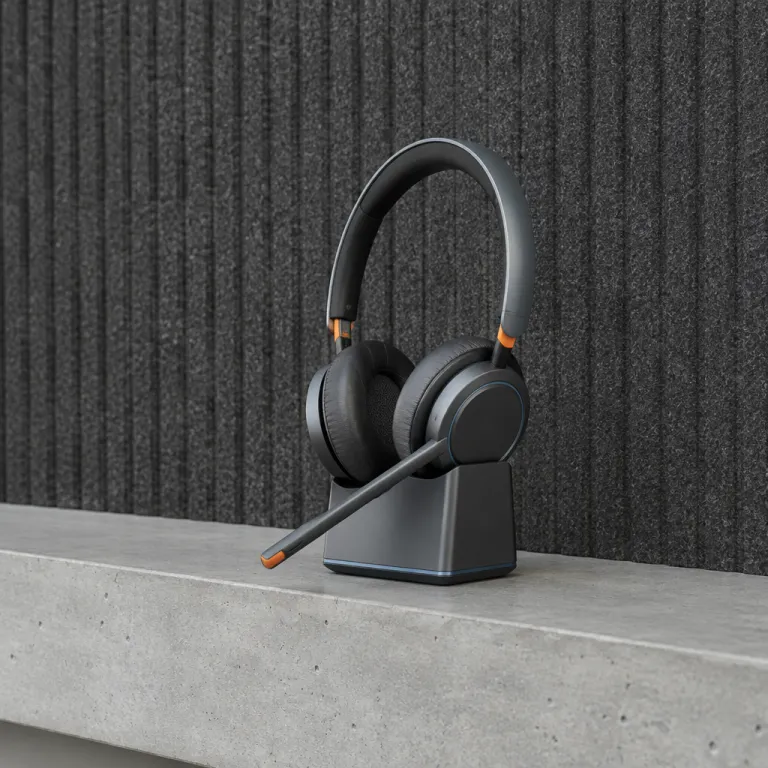
Understanding dect headset technology
What Makes DECT Headsets Unique in the World of Wireless Audio
DECT technology, which stands for Digital Enhanced Cordless Telecommunications, is a standard often used in wireless headsets for office and professional environments. Unlike traditional Bluetooth headsets, DECT headsets operate on a dedicated frequency, reducing interference from Wi-Fi networks and other wireless devices. This makes them a popular choice for those who need reliable audio quality during calls, especially in busy office zones where background noise can be a challenge.
When comparing DECT wireless headsets to other options like Bluetooth or wired headsets, the main advantage is their extended range. A typical DECT headset can maintain a stable connection up to 100 meters from its base station, making it ideal for professionals who move around the office during calls. Brands like Poly Savi, Jabra Evolve, and Logitech Zone offer DECT wireless models designed for both desk phone and phone mobile use, ensuring flexibility and convenience.
- Audio quality: DECT headsets are known for delivering clear sound and effective noise cancellation, which is crucial for productive calls.
- Wireless freedom: With a DECT wireless headset, users can walk around without losing connection, unlike some Bluetooth headset options with shorter range.
- Compatibility: Many DECT headsets work seamlessly with desk phones, computers, and mobile devices, making them versatile for various office setups.
For those seeking the best headset for reducing background noise and ensuring call quality, understanding the basics of DECT technology is the first step. If you want to explore more about how DECT headsets compare to other noise canceling options, check out this in-depth look at noise cancellation benefits.
As you continue your search for the best wireless headset, keep in mind that the right choice depends on your specific needs, including comfort, battery life, and microphone quality. These topics will be covered in the following sections to help you make an informed decision.
How noise canceling works in dect headsets
How DECT Headsets Minimize Distractions
DECT wireless headsets are designed to reduce background noise, making calls clearer and more professional in busy office environments. The technology uses a dedicated frequency band, which helps avoid interference from Wi-Fi and Bluetooth signals. This ensures a stable connection between the headset and its base, whether you’re using a Poly Savi, Jabra Evolve, or Logitech Zone model.
Active vs. Passive Noise Cancellation
There are two main approaches to noise canceling in DECT headsets:
- Passive noise cancellation relies on the physical design of the headset, such as padded ear cups or a snug headband, to block out ambient noise. This is common in both wireless and wired headset options.
- Active noise cancellation (ANC) uses built-in microphones to detect external sounds and generate sound waves that cancel them out. High-end models like Poly Voyager and some Savi office headsets often feature ANC for superior audio quality during calls.
Microphone Technology and Call Clarity
The microphone is a critical part of any DECT headset. Quality microphones in wireless DECT headsets use noise-canceling algorithms to filter out unwanted sounds, ensuring your voice is heard clearly on both desk phone and phone mobile calls. This is especially important in open office zones where background noise can be a challenge.
Comparing DECT to Other Wireless Options
While Bluetooth headsets are popular for their portability, DECT headsets often provide better range and more reliable noise cancellation in office settings. The base station in DECT wireless headsets maintains a strong connection, reducing dropouts and ensuring consistent audio quality. This makes DECT headsets a preferred choice for professionals who need the best performance for long calls and conference sessions.
For a deeper dive into the science behind noise cancellation and its benefits, you might find this resource helpful: exploring the benefits of ety plugs for noise cancellation.
Key features to look for in a noise canceling dect headset
Essential elements that define a high-performing noise canceling DECT headset
When searching for the best DECT headset for noise cancellation, it’s important to focus on features that directly impact audio quality and user experience. Not all wireless headsets are created equal, and the right combination of technology and design can make a significant difference, especially in busy office environments or open workspaces.
- Microphone technology: Look for headsets with advanced noise canceling microphones. These microphones use digital signal processing to filter out background noise, ensuring your calls remain clear even in a noisy office. Models like the Poly Savi and Jabra Evolve series are known for their effective microphone performance.
- Active vs. passive noise cancellation: Some DECT wireless headsets offer active noise cancellation (ANC), which electronically reduces ambient noise. Others rely on passive noise isolation, achieved through earcup or headband design. For environments with constant background noise, ANC can provide a noticeable improvement in call quality.
- Wireless range and connectivity: DECT technology is valued for its extended wireless range, often outperforming Bluetooth headsets in office settings. Consider the range you need between your desk phone, base station, and mobile phone. Poly Savi office and Logitech Zone DECT headsets are popular for their reliable connections and broad coverage zones.
- Compatibility and multi-device support: The best DECT headsets offer seamless switching between devices, such as desk phones, computers, and mobile phones. This flexibility is crucial for professionals who manage calls across multiple platforms. Some models, like the Poly Voyager and Savi office series, support both DECT and Bluetooth connectivity for added versatility.
- Audio quality: High-quality speakers and microphones are essential for clear communication. Look for headsets with wideband audio support, which delivers richer sound for both calls and media. Brands like Poly, Jabra, and Logitech Zone are recognized for their consistent audio performance.
- Comfort and adjustability: Since long-term use is common, features like adjustable headbands, cushioned ear pads, and lightweight designs can make a big difference. A comfortable fit helps reduce fatigue during extended calls or meetings.
- Battery life and charging options: Wireless DECT headsets should offer enough battery life to last through a full workday. Quick charging features and replaceable batteries are also worth considering for uninterrupted productivity.
For a deeper dive into the technology behind noise canceling in headsets, check out this comprehensive guide to noise canceling technology.
Ultimately, the right DECT headset balances noise cancellation, comfort, connectivity, and audio quality. Whether you choose a Poly Savi, Jabra Evolve, or Logitech Zone model, focusing on these key features will help you find the best wireless headset for your needs.
Comfort and fit for long-term use
Finding the Right Fit for All-Day Comfort
When using a DECT headset for long calls or extended work sessions, comfort becomes just as important as noise cancellation or audio quality. A poorly fitting headset can cause discomfort, headaches, or even distract you from your tasks. Here’s what to consider to ensure your wireless DECT headset remains comfortable throughout your workday:
- Headband Design: Look for adjustable headbands that distribute weight evenly. A padded headband can reduce pressure on the top of your head, especially during long meetings. Poly Savi and Jabra Evolve series are known for their ergonomic headband designs.
- Ear Cushions: Soft, breathable ear cushions made from memory foam or high-quality leatherette help prevent sweating and discomfort. Over-ear options like the Logitech Zone or Poly Voyager often provide better passive noise isolation and comfort for longer use.
- Weight: Lightweight wireless headsets are less likely to cause fatigue. Wired headsets can sometimes be lighter, but many DECT wireless models are designed to be worn for hours without strain.
- Wearing Styles: Some DECT headsets offer multiple wearing options, such as over-the-ear, behind-the-neck, or convertible styles. This flexibility lets you choose what feels best for your office environment or personal preference.
- Adjustability: Adjustable microphone booms and earcups allow you to customize the fit, ensuring the microphone stays close to your mouth for the best call quality while keeping the headset secure.
Comfort is subjective, so it’s a good idea to try different models if possible. Whether you’re using a Poly Savi for your desk phone, a DECT wireless headset for mobile calls, or a Bluetooth headset for flexibility, the right fit will make a noticeable difference in your daily productivity. Remember, the best noise canceling headset is one you can wear all day without thinking about it.
Battery life and connectivity considerations
What to Know About Power and Connectivity
When selecting a DECT headset for effective noise cancellation, battery life and connectivity are two factors that can make or break your experience, especially in busy office environments or during long calls. Wireless DECT headsets, such as the Poly Savi series or Jabra Evolve, are designed to provide freedom of movement, but their performance depends on how long they last and how reliably they connect to your devices.
- Battery Life: Look for headsets that offer at least 8-12 hours of talk time. Some models, like the Poly Savi office headsets, can last even longer, making them suitable for all-day use. Consider whether the headset has a quick charge feature or a replaceable battery for added convenience.
- Charging Base: Many DECT wireless headsets come with a dedicated base station. This base not only charges the headset but also manages connections to your desk phone, computer, or mobile phone. A reliable base ensures your headset is always ready for your next call.
- Connectivity Options: Modern DECT headsets often support multiple connections, including Bluetooth for mobile devices and USB for computers. The Poly Voyager and Logitech Zone wireless headsets are good examples, offering seamless switching between devices. If you need to connect to both a desk phone and a mobile device, check that your headset supports this flexibility.
- Range: DECT technology is known for its extended wireless range, often up to 100 meters in open environments. This is ideal for professionals who need to move around the office while staying connected. However, actual range can vary depending on obstacles and interference, so consider your office layout.
- Wired vs Wireless: While wireless DECT headsets offer mobility, wired headsets can be a better choice if you prioritize uninterrupted audio quality and never want to worry about battery life. Evaluate your workflow and decide which option aligns best with your needs.
Reliable battery life and robust connectivity are essential for maintaining high audio quality and effective noise cancellation during calls. Whether you choose a Poly Savi, Jabra Evolve, or Logitech Zone, make sure the headset fits your daily routine and office setup. This will help you get the best performance from your DECT headset, ensuring clear communication and minimal background noise throughout your workday.
Tips for choosing the best dect headset for your needs
Making Your Final Decision
With so many wireless DECT headset options on the market, finding the best fit for your needs can feel overwhelming. Here are some practical tips to help you narrow down your choices and select a headset that delivers on noise cancellation, comfort, and performance.
- Assess Your Work Environment: Consider the level of background noise in your office or workspace. If you work in a busy open-plan office, prioritize headsets with advanced noise canceling microphones and ear cups, such as the Poly Savi or Logitech Zone series.
- Check Compatibility: Make sure the headset works with your devices, whether you use a desk phone, mobile phone, or computer. Some DECT wireless headsets, like the Poly Savi Office, offer multi-device connectivity, while others focus on Bluetooth or USB connections.
- Evaluate Range and Mobility: If you need to move around during calls, look for DECT headsets with a long wireless range. Models like the Poly Voyager and Jabra Evolve offer reliable connections across larger office zones.
- Prioritize Comfort and Fit: For all-day use, choose a headset with an adjustable headband and cushioned ear pads. Comfort is crucial for productivity, especially during long calls or meetings.
- Compare Battery Life: Check the battery specifications for wireless DECT headsets. Some models provide up to 13 hours of talk time, while others may offer less. If you need extended use, a headset with a charging base can be a smart choice.
- Consider Wired Alternatives: If wireless isn’t essential, a wired headset can offer consistent audio quality and eliminate concerns about battery life. Brands like Jabra Evolve and Poly also provide high-quality wired options.
- Test Audio Quality: If possible, test the microphone and speakers before purchasing. Clear audio is essential for professional calls, and some headsets excel at minimizing background noise for both you and your callers.
- Review Support and Warranty: Opt for brands with strong customer support and warranty coverage. This can be especially important for business users who rely on their headsets daily.
Ultimately, the best DECT headset for you will balance noise cancellation, comfort, connectivity, and audio quality. Take the time to compare features and read user reviews to ensure your choice meets your specific needs and office environment.