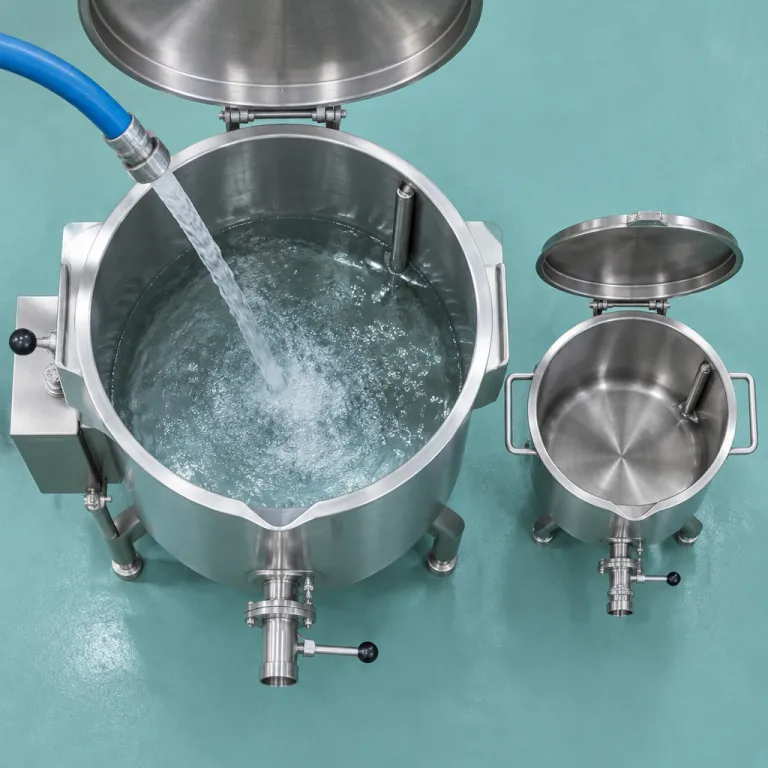
Understanding what makes a kettle industrial-grade
What Sets Industrial-Grade Kettles Apart?
When it comes to large-scale food preparation, not all kettles are created equal. Industrial-grade kettles are designed for heavy-duty use in commercial kitchens, food processing plants, and catering operations. These kettles handle high-volume cooking, often measured in gallon capacities, and are built to withstand constant use. Unlike standard kitchen kettles, industrial models—like the Cleveland series, Crown Steam, and BCH models—offer robust construction, advanced safety features, and a range of heating options including electric, gas, and direct steam.
Types of Industrial Kettles
There are several types of industrial kettles, each suited for specific cooking needs:
- Tilting Kettle: Allows easy pouring and transfer of food, ideal for soups, sauces, and stews. Electric tilting and gas tilting models are common in commercial kitchens.
- Stationary Kettle: Fixed in place, these are perfect for continuous cooking processes. Stationary kettles can be electric, gas, or steam-powered.
- Jacketed Kettle: Features a double-wall design for even heat distribution, reducing the risk of scorching. Fully jacketed and direct steam kettles are popular for their efficiency.
- Floor Kettle: Large-capacity kettles that sit on the floor, available in both electric floor and gas floor models, suitable for industrial cooking operations.
Materials and Construction
Most industrial kettles are made from high-grade stainless steel, which resists corrosion and is easy to clean. This is crucial for food safety and longevity. The design may include features like a tilting mechanism, reinforced handles, and heavy-duty legs or stands for stability. Whether you choose a kettle electric, gas kettle, or steam kettle, the construction quality directly impacts performance and maintenance needs.
Capacity and Application
Industrial kettles come in a wide range of gallon capacities, from small batch models to massive cooking kettles for large-scale production. The right capacity depends on your business volume and the type of food you prepare. For example, a 40-gallon gas kettle might be perfect for a mid-sized restaurant, while a 100-gallon steam floor kettle suits a food processing facility.
Understanding these basics will help you navigate the wide range of commercial and industrial cooking kettles available. If you’re interested in how electric kettles fit into home kitchens, you might find this guide on choosing the perfect electric tea kettle helpful as a comparison point.
Key features to look for in an industrial-grade kettle
Essential Elements for Industrial Cooking Kettles
When evaluating industrial-grade kettles for your business, it’s important to look beyond just the basic function of boiling water or cooking food. The right kettle can impact efficiency, safety, and product quality. Here are some of the most important features to consider:
- Capacity: Industrial kettles come in a wide range of sizes, from small 20-gallon models to large 200-gallon gas or electric floor kettles. Assess your daily production needs to choose the right gallon capacity for your operation.
- Material: Stainless steel is the industry standard for commercial kettles due to its durability, resistance to corrosion, and ease of cleaning. Fully jacketed and direct steam kettles made from stainless steel ensure even heating and long-term reliability.
- Heating Method: Options include direct steam, electric, and gas kettles. Electric kettles and electric tilting models are popular for their precise temperature control, while gas floor kettles offer rapid heating for high-volume cooking. Direct steam kettles are efficient for facilities with an existing steam supply.
- Stationary vs. Tilting: Stationary kettles are ideal for continuous cooking, while tilting kettles make it easier to pour and transfer large batches of food. Electric tilting and steam floor kettles are especially useful for operations requiring frequent batch changes.
- Jacketed Design: Fully jacketed kettles provide even heat distribution and help prevent scorching, making them suitable for delicate sauces and dairy products. Jacketed stationary kettles are a staple in many food processing plants.
- Controls and Automation: Modern kettles, such as the Cleveland series or BCH model, often feature programmable controls, temperature sensors, and safety shut-offs. These features help maintain consistency and reduce the risk of overcooking or burning.
- Versatility: Some kettles are designed for specific tasks, like rice or soup, while others are more versatile. If your business handles a variety of foods, look for a cooking kettle with adjustable settings and multiple attachments.
For businesses interested in expanding their menu or increasing efficiency, understanding the benefits of an electric rice boiler can be a valuable addition to your equipment lineup.
Remember, the right combination of features in your industrial cooking kettles—whether you choose a gas kettle, electric kettle, or steam kettle—will directly influence your kitchen’s productivity and product quality. Consider how each feature aligns with your daily operations and long-term business goals.
Safety considerations for industrial environments
Critical Safety Elements in Industrial Kettle Operations
When working with industrial-grade kettles—whether you’re using a large capacity electric floor kettle, a direct steam kettle, or a gas floor model—safety is not just a feature, it’s a necessity. The combination of high temperatures, pressurized steam, and heavy-duty construction means that overlooking safety can have serious consequences for both staff and equipment.
- Pressure Relief Valves: Steam kettles and fully jacketed stationary kettles must be equipped with reliable pressure relief valves. These prevent dangerous pressure build-up, which is especially important in direct steam and jacketed stationary models.
- Locking Mechanisms: For tilting kettles and electric tilting models, secure locking handles and tilt controls are essential. This ensures safe pouring and prevents accidental spills of hot food or liquids during cooking or cleaning.
- Thermal Insulation: Industrial cooking kettles, whether electric, gas, or steam, should feature robust insulation to minimize the risk of burns. Stainless steel exteriors are common, but check for additional insulation layers in the series or model you’re considering.
- Automatic Shut-Off: Many modern electric kettles and commercial electric models include automatic shut-off features to prevent overheating or dry boiling, protecting both the kettle and your staff.
- Non-Slip Bases and Secure Mounting: Floor kettles, especially high-capacity gallon gas or electric floor models, must be securely mounted to prevent tipping. Non-slip feet or bolted bases are standard in most industrial ranges.
- Steam and Water Controls: Easy-to-access steam release and water fill controls help operators manage pressure and temperature safely. This is particularly important in large capacity cooking kettles and steam floor units.
Another crucial aspect is the electrical safety of your kettle. For electric kettle and kettle electric models, using the correct plug connectors and ensuring proper grounding is vital. For a deeper understanding of how plug connectors impact safety and performance, check out this guide to plug connectors in electric kettles.
Finally, always consult the manufacturer’s safety guidelines for your specific model—whether it’s a Cleveland, Crown Steam, BCH, or another brand. Regular staff training and routine safety checks will help maintain a safe environment, especially when handling high-capacity or direct steam cooking equipment.
Maintenance and cleaning tips for longevity
Keeping Your Industrial Kettle in Top Shape
Proper maintenance and cleaning are essential for any industrial-grade kettle, whether you’re using a direct steam kettle, electric floor model, or a gas floor series. Regular care not only extends the lifespan of your equipment but also ensures food safety and consistent cooking performance. Here’s what to keep in mind:
- Daily Cleaning: After each use, rinse the kettle with warm water to remove food residue. For fully jacketed and stationary kettles, avoid using abrasive pads that can scratch the stainless steel surface.
- Deep Cleaning: Schedule weekly deep cleans for your cooking kettles. Use manufacturer-approved cleaning agents to tackle stubborn buildup, especially around the lid, spout, and tilting mechanisms. Pay special attention to the bch series and large capacity models, as residue can accumulate in hard-to-reach areas.
- Descaling: If you’re using a steam kettle or electric kettle in a hard water area, descale regularly to prevent mineral buildup. This is crucial for maintaining efficient steam transfer and preventing damage to the jacketed stationary or tilting kettle components.
- Inspect Seals and Gaskets: Check seals, gaskets, and valves for wear and tear. Replace them as needed to prevent leaks, especially in high-capacity gallon gas or electric tilting kettles.
- Lubricate Moving Parts: For tilting and direct steam models, keep hinges and tilting mechanisms lubricated according to the manufacturer’s guidelines. This ensures smooth operation and prevents costly breakdowns.
- Monitor for Corrosion: Stainless steel is durable, but exposure to harsh chemicals or improper cleaning can cause corrosion. Always dry your kettle thoroughly after cleaning, and store with the lid open to allow air circulation.
Maintenance Best Practices for Longevity
Adhering to a regular maintenance schedule can help you avoid unexpected downtime and expensive repairs. Here are some best practices for industrial cooking kettles:
- Keep a maintenance log for each kettle, noting cleaning dates, inspections, and any repairs.
- Train staff on proper cleaning techniques for both stationary kettle and tilting kettle models, emphasizing safety and correct use of cleaning agents.
- Follow the manufacturer’s instructions for your specific model, whether it’s a Cleveland, Crown Steam, or other commercial series.
- Schedule annual professional inspections for gas kettle and electric kettle systems to ensure all safety and pressure components are functioning correctly.
By investing time in proper care, your industrial-grade kettle—be it a steam floor, electric tilting, or gas floor model—will deliver reliable performance, maintain food quality, and help control long-term operating costs.
Energy efficiency and cost savings
How Energy Use Impacts Your Bottom Line
When selecting an industrial-grade kettle, energy efficiency is a key factor that can significantly affect your operating costs. Whether you’re considering a direct steam kettle, electric floor model, or gas kettle, understanding how each type uses energy will help you make a more informed decision for your commercial kitchen or food production facility.
- Electric kettles and electric tilting kettles are known for their precise temperature control and quick heating. However, their energy consumption depends on the wattage and insulation quality. Look for models with energy-saving modes or programmable timers to reduce unnecessary power use.
- Steam kettles—including fully jacketed and direct steam models—are often more efficient in large-scale cooking environments, especially when connected to a central steam system. The efficiency of these kettles depends on the steam source and the kettle’s insulation.
- Gas floor kettles and gallon gas models can offer lower energy costs in areas where gas is cheaper than electricity. They heat quickly and are ideal for high-volume cooking, but may require more frequent maintenance to ensure optimal performance.
Features That Drive Cost Savings
Several features can help lower energy consumption and, by extension, your utility bills:
- Insulation: High-quality insulation in stainless steel kettles, such as those in the Cleveland or Crown Steam series, helps retain heat, reducing the energy needed to maintain cooking temperatures.
- Capacity: Choosing the right gallon capacity for your needs prevents overuse of energy. Oversized kettles waste energy when not filled to their intended volume, while undersized kettles may require multiple batches, increasing total energy use.
- Tilting vs. stationary: Tilting kettles can speed up batch turnover, reducing idle time and energy waste. Stationary kettles, especially jacketed stationary models, are efficient for continuous cooking processes.
Comparing Energy Efficiency Across Models
| Kettle Type | Energy Source | Typical Efficiency | Best Use Case |
|---|---|---|---|
| Electric Kettle | Electric | High (with good insulation) | Precise, small to medium batch cooking |
| Steam Kettle | Direct Steam | Very High (central steam system) | Large-scale, continuous cooking |
| Gas Kettle | Gas | Moderate to High | High-volume, fast batch turnover |
Ultimately, the right choice depends on your kitchen’s infrastructure, the type of food you’re preparing, and your priorities for energy savings versus upfront price. Regular maintenance, as discussed earlier, also plays a crucial role in keeping your cooking kettles running efficiently over time.
Comparing popular industrial-grade kettle models
Comparing Leading Industrial Kettle Models
When evaluating industrial-grade kettles for your business, it’s important to compare the most popular models on the market. Each kettle type—whether electric, gas, steam, tilting, or stationary—offers unique advantages depending on your cooking needs, kitchen layout, and budget. Below is a comparison table highlighting key features of some widely used commercial kettles:| Model / Series | Type | Capacity (Gallon) | Heating Method | Jacketed | Material | Floor / Counter | Price Range |
|---|---|---|---|---|---|---|---|
| Cleveland KGL Series | Tilting Kettle | 20-40 | Gas | Fully Jacketed | Stainless Steel | Floor | High |
| Crown Steam DMT Series | Stationary Kettle | 40-60 | Direct Steam | Jacketed | Stainless Steel | Floor | Mid-High |
| BCH Industrial Cooking Kettle | Electric Tilting | 50-100 | Electric | Jacketed | Stainless Steel | Floor | High |
| Groen DEE Series | Stationary Kettle | 20-80 | Electric | Jacketed | Stainless Steel | Floor | Mid |
| Market Forge SF Series | Steam Kettle | 40-60 | Steam | Jacketed | Stainless Steel | Floor | Mid |
Key Factors in Model Selection
- Capacity: Choose a kettle size that matches your production volume. For high-volume food processing, a 60-gallon gas or electric floor kettle may be ideal.
- Heating Method: Gas kettles heat quickly and are cost-effective for large batches, while electric kettles offer precise temperature control and are easier to install in some kitchens. Direct steam kettles require a steam source but are highly efficient for continuous cooking.
- Tilting vs. Stationary: Tilting kettles simplify food transfer and cleaning, especially for thick or heavy foods. Stationary kettles are better for continuous, large-batch cooking.
- Jacketed Construction: Fully jacketed kettles provide even heat distribution, reducing the risk of scorching and improving food quality.
- Material: Stainless steel is standard for durability, hygiene, and ease of cleaning in industrial cooking environments.
- Price: Prices vary widely based on capacity, features, and brand. Consider long-term energy efficiency and maintenance costs alongside the initial price.