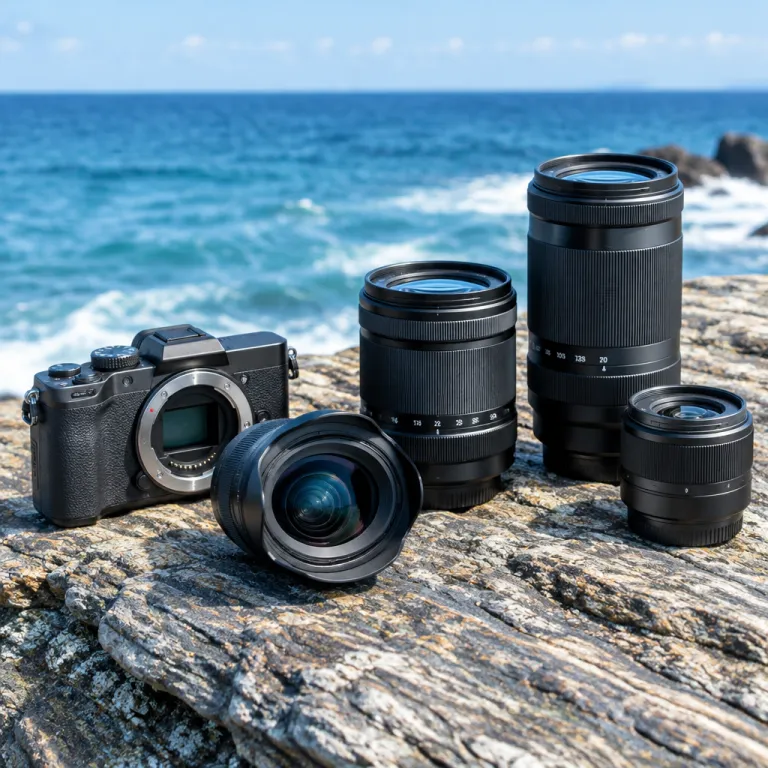
Understanding micro 4 3 lenses
What Makes Micro Four Thirds Lenses Unique?
The micro four thirds system, often called micro 4 3 or MFT, is a popular camera format developed for photographers who want a balance between portability and image quality. Unlike full frame systems, micro thirds cameras use a smaller sensor size. This means lenses designed for these cameras are generally smaller and lighter, making them ideal for travel, street, and everyday photography.
Sensor Size and Field of View
One of the key differences between micro four thirds and full frame systems is the sensor size. The micro thirds sensor is about half the size of a full frame sensor. This affects the angle of view you get from your lens. For example, a 25mm lens on a micro thirds camera gives you a field of view similar to a 50mm lens on a full frame camera. This is called the crop factor, and it’s important to understand when choosing lenses micro for your needs.
Lens Types and Versatility
Micro four thirds lenses come in a wide range of types, including prime, zoom lenses, macro, cine, and ultra wide angle lens options. Olympus and other brands offer kit lenses for beginners, as well as high-end options with excellent build quality and image quality. Whether you need a fast portrait lens, a wide open angle lens for landscapes, or a macro lens for close-ups, the system has you covered.
Advantages for Photographers
- Small and light: Lenses and bodies are compact, making them easy to carry.
- Wide selection: From wide angle to telephoto, there’s a lens for every style.
- Affordable options: Many lenses offer good quality at a lower price point, especially on platforms like Amazon.
- Adaptability: The system supports both Olympus lens and third-party options, giving you flexibility.
Understanding Focus and Quality
Micro four thirds lenses are known for fast and accurate focus, which is essential for capturing sharp images. The system’s design also allows for excellent image quality, even in small light situations. Whether you’re shooting wide open for a shallow depth of field or stopping down for more detail, you’ll find the right lens micro for your creative vision.
For those interested in exploring how focusing systems work across different camera brands, you might find this guide on using quick focus techniques on various camera systems helpful.
Benefits of using micro 4 3 lenses
Why Micro Four Thirds Lenses Stand Out
Micro Four Thirds (MFT) lenses have carved a unique space in the photography world. Their compact design and versatility make them a favorite for both beginners and professionals. Unlike full frame systems, MFT lenses are smaller and lighter, which means you can carry more gear without feeling weighed down. This is especially helpful for travel, street, or documentary photographers who need to stay mobile.
Advantages in Size and Portability
- Small and Light: MFT lenses are designed to be compact, making your camera bag lighter and easier to manage. This is a big advantage over full frame wide angle or cine lenses, which can be bulky.
- System Flexibility: The MFT mount supports a wide range of lenses, from ultra wide angle to macro and fast portrait primes. You can easily switch between a kit lens for everyday shots and a specialized lens for creative projects.
Image Quality and Versatility
- Impressive Image Quality: Despite their small size, MFT lenses deliver sharp images with good color reproduction. Olympus and other brands have invested in lens micro technology to ensure high build quality and performance.
- Wide Open Performance: Many MFT lenses perform well even at wide open apertures, allowing more light and creative control over depth of field. This is great for low light situations or when you want that smooth background blur.
Cost and Accessibility
- Affordable Options: Compared to full frame equivalents, MFT lenses are often more budget-friendly. You can find quality lenses on Amazon or other retailers without breaking the bank.
- Variety of Choices: Whether you need a zoom lens for flexibility, a prime for sharpness, or a macro for close-ups, the MFT system offers a wide selection. Olympus lens options, for example, cover everything from ultra wide to telephoto.
Creative Possibilities
The crop factor of the micro thirds system gives you a different field of view compared to full frame. For instance, a 25mm lens on MFT gives a similar angle of view to a 50mm lens on full frame, making it easier to achieve frame wide shots in a smaller package. This opens up creative angles and perspectives, whether you’re shooting landscapes, portraits, or macro subjects.
For those interested in expanding their digital camera setup, including integrating video or streaming solutions, you might find this guide on using an HDMI RF modulator with your digital camera setup helpful.
Types of micro 4 3 lenses available
Exploring the Range of Micro Four Thirds Lenses
The micro four thirds system offers a diverse selection of lenses, making it easy to find the right fit for your photography style. Whether you want to capture sweeping landscapes, detailed close-ups, or fast-moving subjects, there’s a lens designed for your needs. Here’s a breakdown of the main types you’ll encounter:
- Standard Zoom Lenses: These are often included as kit lenses and provide a flexible range for everyday shooting. They’re compact and light, making them ideal for travel or street photography. Many Olympus and Panasonic models deliver solid image quality and quick autofocus.
- Prime Lenses: With a fixed focal length, prime lenses are known for their sharpness and wide apertures. They’re great for low-light situations and creative depth of field effects. Fast portrait primes, like a 25mm or 45mm, are popular for their ability to create beautiful background blur even on a small sensor.
- Wide Angle and Ultra Wide Lenses: If you love capturing a broad view, wide angle lenses (like 12mm or 7-14mm) are perfect. They’re excellent for architecture, landscapes, and interiors. Ultra wide options push the angle even further, letting you fit more into the frame.
- Telephoto Lenses: These lenses bring distant subjects closer, making them ideal for wildlife, sports, or portrait photography. Micro four thirds telephotos are much smaller and lighter than their full frame equivalents, which is a big advantage for handheld shooting.
- Macro Lenses: For close-up shots of flowers, insects, or textures, macro lenses offer high magnification and sharp detail. The small sensor size helps increase depth of field, making it easier to keep more of your subject in focus.
- Cine Lenses: Designed for video, cine lenses offer smooth focus and aperture control. They’re built for durability and consistent image quality, which is important for filmmakers using micro four thirds cameras.
When comparing lenses, pay attention to build quality, maximum aperture (how wide open the lens can go), and autofocus performance. Some Olympus lens models are weather-sealed for extra durability, while others are designed to be ultra-compact and light for travel. If you’re interested in flash photography or video, consider reading this guide to the Godox V100 Sony flash for tips on lighting with your micro four thirds system.
With so many options available on Amazon and other retailers, it’s important to match your lens choice to your creative goals. Whether you need a lens micro for everyday snapshots, a wide angle lens for landscapes, or a macro for close-up detail, the micro four thirds system has you covered. Remember, the right lens can make a big difference in image quality and your overall shooting experience.
Compatibility and mounting tips
Mounting Micro Four Thirds Lenses: What to Know
When you’re looking at micro 4 3 lenses, understanding compatibility is essential. The micro four thirds system is designed to be flexible, but there are still a few things to keep in mind before you attach a new lens to your camera body.
- Lens Mount: Micro four thirds cameras from brands like Olympus and Panasonic use the same mount. This means you can use an Olympus lens on a Panasonic body and vice versa, which is a big advantage for those building a kit with different brands.
- Third-Party Lenses: Many third-party manufacturers offer lenses micro four thirds users can enjoy. Always check the mount type before buying, especially on platforms like Amazon, to avoid compatibility issues.
- Adapters: If you want to use a lens full frame or from another system, adapters are available. However, using an adapter may affect autofocus speed, image quality, and sometimes the ability to control aperture or focus electronically.
- Sensor Size and Field of View: Micro four thirds sensors are smaller than full frame, so the field of view changes. For example, a 25mm lens on micro four thirds gives you a view similar to a 50mm lens on full frame. This is called the crop factor, and it’s important when choosing wide angle or fast portrait lenses.
- Firmware Updates: Some lenses, especially zoom lenses and cine lenses, may require firmware updates for optimal performance. Check your camera and lens manufacturer’s website for the latest updates.
Tips for Secure and Effective Mounting
- Always align the lens mount marks before attaching. Forcing a lens can damage the mount or the lens itself.
- Keep both the lens and camera mount clean to avoid dust or debris affecting image quality or the locking mechanism.
- When removing a lens, hold the camera body firmly and twist the lens gently. This helps protect the build quality of both your camera and lens.
By understanding these compatibility and mounting basics, you’ll ensure your micro thirds lenses perform at their best, whether you’re shooting macro, ultra wide, or fast portrait images. This foundation also helps you make informed decisions as you expand your collection of kit lenses or invest in higher quality glass for your system.
How to choose the right lens for your needs
Finding the Best Fit for Your Shooting Style
Choosing the right micro 4 3 lens can feel overwhelming, especially with so many options available from brands like Olympus and Panasonic. The key is to match your lens to your photography style and needs. Here are some practical tips to help you decide:
- Consider Your Main Subjects: If you love landscapes, a wide angle or ultra wide lens will give you a broader view and capture more of the scene. For portraits, a fast portrait prime lens with a wide open aperture creates beautiful background blur and sharp focus on your subject.
- Think About Flexibility: Zoom lenses are versatile and great for travel or events where you need to quickly change your frame. Kit lenses are often included with camera bodies and offer a good starting point, but upgrading to a higher quality zoom or prime lens can improve image quality.
- Evaluate Size and Weight: One of the strengths of the micro four thirds system is its small, light design. If portability matters, look for compact lenses that won’t weigh you down.
- Check Lens Specifications: Pay attention to focal length and aperture. Micro 4 3 lenses have a crop factor of 2x, so a 25mm lens gives you a 50mm full frame equivalent view. This helps you compare with other systems and choose the right angle lens for your needs.
- Assess Build Quality and Features: Some lenses offer weather sealing, better build quality, or advanced features like macro capability or cine focus for video work. Decide which features matter most for your shooting style.
- Budget and Value: Prices can vary widely. Amazon and other retailers often have deals on both new and used lenses. Don’t overlook third-party options, which can offer excellent quality at a lower price.
Balancing Performance and Practicality
When comparing lenses micro four thirds users often debate between fast primes and versatile zooms. Fast primes are great for low light and creative depth of field, while zooms offer more framing options without changing lenses. If you shoot in challenging light, look for lenses with a wide maximum aperture. For video, cine lenses provide smooth focus and aperture control.
Ultimately, the best lens micro four thirds photographers can choose is the one that fits their style, budget, and camera system. Take time to read reviews, compare image quality, and consider how each lens will help you achieve your creative goals.
Care and maintenance of micro 4 3 lenses
Simple Habits for Keeping Your Lenses in Top Shape
Micro 4 3 lenses are known for their compact size and impressive image quality, but they need regular care to maintain their performance. Whether you use Olympus, Panasonic, or third-party lenses, a few simple habits can help you get the most from your gear.
- Clean your lens regularly – Dust, fingerprints, and smudges can affect image quality. Use a soft microfiber cloth and a blower to gently remove particles from the lens surface. Avoid using rough materials that might scratch the glass or coatings.
- Protect your lens with a filter – A clear or UV filter adds an extra layer of protection against scratches and dust. It’s especially useful for wide angle and ultra wide lenses, which have larger front elements.
- Store lenses properly – Keep your lenses in a padded bag or case when not in use. Make sure they’re capped on both ends to prevent dust from entering. For cine or macro lenses, extra care is needed due to their specialized elements.
- Avoid moisture and extreme temperatures – Micro thirds lenses are small and light, but sensitive to humidity and temperature changes. Store them in a dry place, and consider using silica gel packs to control moisture.
- Check the mount and contacts – The micro 4 3 system relies on electronic contacts for autofocus and aperture control. Wipe these gently with a clean, dry cloth to ensure reliable communication between your lens and camera body.
- Be mindful of moving parts – Zoom lenses and fast portrait primes often have moving barrels. Avoid forcing the focus or zoom rings, and never disassemble your lens unless you’re trained to do so.
When to Seek Professional Help
If you notice issues like unusual noises, sticky focus rings, or a drop in image quality, it may be time for a professional cleaning or repair. This is especially important for high-value lenses like Olympus Pro series or cine lenses, where build quality and optical performance are critical.
Quick Reference Table: Lens Care Tips
| Lens Type | Key Care Tip |
|---|---|
| Wide angle / Ultra wide | Use a filter and lens hood to protect the large front element |
| Macro | Keep front element clean to avoid focus issues at close distances |
| Prime / Fast portrait | Store with caps on, avoid touching glass when wide open |
| Zoom lenses | Operate zoom smoothly, avoid dust entry when extending barrel |
| Kit lenses | Check for loose parts, clean regularly for best image quality |
Consistent care not only preserves the optical quality of your micro thirds lenses but also ensures they remain reliable for years, whether you’re shooting with a full frame wide angle or a small light kit lens from Amazon.