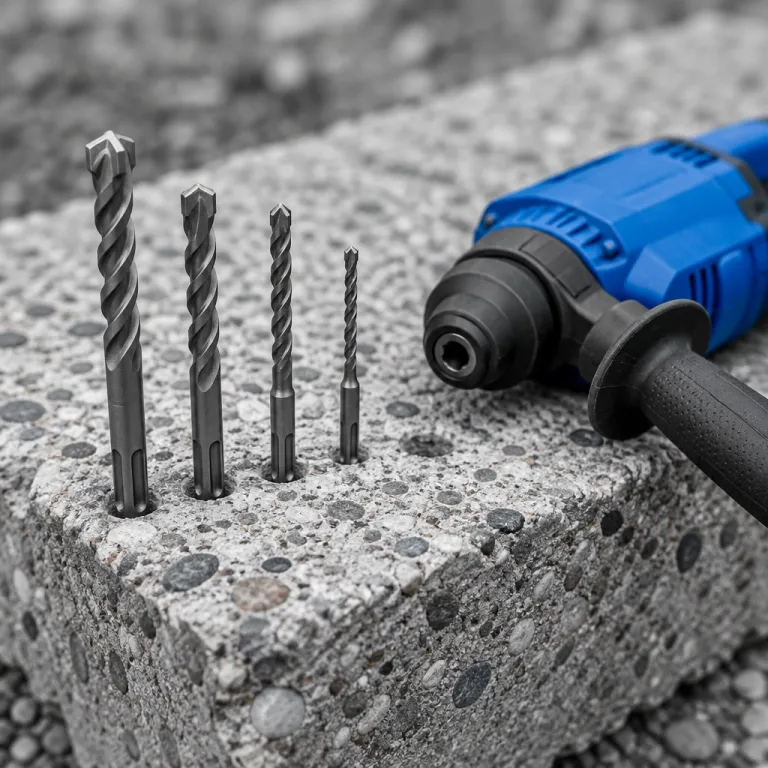
Understanding SDS bits and their role in hammer drills
How SDS Bits Make a Difference in Hammer Drilling
When working with tough materials like concrete, brick, or stone concrete, the right drill bit is essential. SDS bits, or Slotted Drive System bits, are specifically designed for use with rotary hammer drills and SDS hammer tools. These bits have a unique shank design that allows them to move back and forth inside the chuck, delivering powerful hammering action. This makes them ideal for drilling into concrete masonry, concrete brick, and other hard surfaces where standard drill bits might struggle or wear out quickly.
SDS bits are commonly used in both professional and DIY settings, especially when the job involves heavy-duty drilling. Their design ensures a secure fit in the tool, reducing slippage and improving efficiency. Whether you’re adding a core bit to your bit set or looking for a carbide tipped hammer bit for your next project, understanding how SDS bits work can help you make informed decisions about which product to add to your cart.
- Carbide tipped: Most SDS drill bits feature a carbide cutter at the tip, which increases durability and performance when drilling into concrete or masonry.
- Rotary hammer compatibility: SDS rotary bits are made to withstand the high impact of rotary hammer drills, making them more effective than standard masonry drill bits.
- Quick view of options: SDS bits are sold individually or as part of a bit set, with a price list that varies depending on size and quality.
When comparing price and performance, SDS bits often offer better longevity and efficiency for concrete drilling tasks. If you’re curious about how to choose the right bits for your cordless drill set, you can find a detailed guide on selecting compatible drill bits and augers for various applications.
Understanding the role of SDS bits in hammer drills is the first step toward making the right purchase, whether you’re looking at a new tool, a replacement bit, or a complete bit set. The next sections will help you navigate compatibility, types, features, and maintenance tips to get the most out of your investment.
Compatibility between SDS bits and cordless drill sets
Ensuring Your SDS Bits Fit and Work with Cordless Drill Sets
When shopping for SDS bits, compatibility with your cordless drill set is crucial. Not every drill or bit is designed to work together, especially when it comes to hammer drills and rotary hammers. SDS bits are engineered for use with specific chucks, most commonly found on SDS hammer drills and rotary hammer tools. Before adding a product to your cart, check the type of chuck your drill uses—standard, SDS-plus, or SDS-max. This helps avoid frustration and ensures the bit will lock in securely for safe and efficient drilling.
- Drill Type: Cordless hammer drills and SDS rotary hammers are the main tools for SDS bits. Standard cordless drills typically do not accept SDS bits without an adapter.
- Bit Size and Shank: SDS bits come in various sizes and shank types. SDS-plus is common for light to medium tasks, while SDS-max is used for heavy-duty drilling in concrete masonry, stone concrete, and brick.
- Material and Application: Carbide tipped SDS drill bits are ideal for working with concrete, concrete brick, and stone. Choose the right bit set for your intended material to avoid damaging the tool or the bit.
Price and product selection also play a role. Some SDS drill bits are sold individually, while others come in a bit set. Review the price list and quick view options before you add to cart, ensuring you get the best value for your drilling needs. If you’re unsure about which center drill or SDS bit to choose, check out this guide on how to choose the right center drill for your cordless drill set for more insights.
Remember, using the right SDS bit with your hammer drill or rotary hammer not only improves drilling performance but also extends the lifespan of your tools and bits. Always verify compatibility before making a purchase, especially when working with tough materials like concrete or brick.
Types of SDS bits and their specific uses
Exploring the Main SDS Bit Types for Your Hammer Drill
When selecting SDS bits for your cordless hammer drill, understanding the different types available is crucial. Each bit is designed for specific materials and drilling tasks, which can impact not only your results but also the price and lifespan of your tools. Here’s a breakdown of the most common SDS bit types and their best uses:
- SDS Plus Bits: These are the most widely used for cordless drills and rotary hammers. They typically fit smaller, lighter tools and are ideal for drilling into concrete, brick, and stone concrete. SDS Plus bits are often sold in sets, making it easy to add to cart and view a price list before purchase.
- SDS Max Bits: Designed for heavy-duty rotary hammers, SDS Max bits are larger and suited for demanding jobs like drilling deep holes in concrete masonry or stone. Their robust carbide tipped heads offer durability, especially when working with tough materials.
- SDS Drill Bits: Standard SDS drill bits are engineered for general-purpose drilling in concrete, brick, and masonry. They come in various lengths and diameters, so you can choose the right product for your specific needs.
- Core Bits: If you need to create larger holes, such as for pipes or cables, SDS core bits are the go-to. These bits feature a hollow center and a carbide cutter edge, making them efficient for drilling through concrete brick and stone concrete.
- Chisels and Specialty Bits: Beyond standard drilling, SDS systems support chisels for demolition or tile removal. For more on drilling into tile with cordless drills, check out this guide to drilling into tile.
When reviewing a product or bit set, pay attention to whether the bits are carbide tipped, as this enhances durability and performance in masonry drill applications. Also, consider the ships and working conditions—some bits are better suited for rotary hammer drills, while others excel in sds rotary or sds hammer models.
Always check the list price and compare options before you add cart. A quick view of the available drill bits and their specifications can help you make an informed decision, ensuring you get the right tool for your drilling needs.
Key features to look for in SDS bits for cordless drills
What to Look for When Selecting SDS Bits for Cordless Drills
When choosing SDS bits for your cordless hammer drill, the right features can make a big difference in performance, durability, and value. Here’s a breakdown of the most important aspects to consider before adding a bit set to your cart or price list.
- Material and Tip Quality: Opt for carbide tipped SDS bits, especially when working with concrete, brick, or stone concrete. Carbide tips increase cutting efficiency and extend the bit’s lifespan, making them ideal for tough masonry drilling tasks.
- Shank Type: Make sure the SDS bit matches your tool. SDS Plus is common for lighter rotary hammer drills, while SDS Max is designed for heavier-duty rotary hammers. Check your drill’s compatibility to avoid issues during drilling.
- Size and Length: Consider the diameter and length of the drill bit. For deep holes in concrete masonry or brick, longer bits are necessary. For smaller anchor holes, shorter bits may suffice. Always view the product specifications before purchase.
- Flute Design: The spiral or flute design affects how debris is removed during drilling. A well-designed flute helps clear dust quickly, reducing friction and heat, which is crucial for cordless drills with limited battery life.
- Bit Set vs. Single Bits: If you frequently switch between tasks, a bit set offers versatility and better value. Many sets are sold with a range of sizes, making them suitable for various applications in concrete, brick, or stone.
- Price and Value: Compare the list price and features. Sometimes, a higher upfront price means better durability and fewer replacements. Check if the product ships with a warranty or satisfaction guarantee for added peace of mind.
- Quick View and Add Cart Options: When shopping online, use quick view features to compare specs and reviews. Adding products to your cart for side-by-side comparison can help you make an informed decision.
Choosing the right SDS drill bits is about more than just picking the cheapest option. Focus on quality, compatibility, and the specific demands of your drilling projects—whether it’s concrete brick, rotary hammer work, or masonry drilling. Investing in the right hammer bit or core bit will save you time, money, and frustration in the long run.
Tips for maintaining SDS bits and extending their lifespan
Simple ways to keep your SDS bits in top shape
Proper care of your SDS drill bits is essential for getting the best performance and value from your cordless hammer drill. Whether you’re drilling into concrete, brick, or stone concrete, a little maintenance goes a long way in extending the lifespan of your bits and protecting your investment.- Clean after every use: Dust and debris from concrete masonry or brick can build up on the bit and inside the flutes. Wipe your SDS bits with a dry cloth after each drilling session. For stubborn residue, use a soft brush.
- Inspect for wear: Before and after working, check your carbide tipped bits for chips or dull edges. Damaged bits can reduce drilling efficiency and even harm your rotary hammer or cordless drill set.
- Lubricate when needed: If you’re drilling deep holes or working with dense materials, a little lubrication on the bit can help reduce friction and heat. This is especially important for core bit or masonry drill bit types.
- Store properly: Keep your SDS drill bits in a dedicated bit set case or tool organizer. Avoid tossing them loose in your tool bag, as this can cause the carbide cutter tips to chip or dull.
- Use the right bit for the job: Using a rotary hammer bit designed for concrete brick on softer materials can cause unnecessary wear. Always match the bit to the material and your cordless drill’s capabilities.
- Monitor temperature: Overheating can damage both the bit and your cordless drill. If you notice the bit getting too hot, pause drilling and let it cool down before continuing.
Why maintenance matters for your budget
SDS bits, especially those with carbide tips or specialized designs like sds max or sds rotary, can be a significant investment. Regular maintenance helps you avoid frequent replacements, keeping your price list manageable and ensuring you get the most from every product you add to your cart. Well-maintained bits also deliver cleaner holes in concrete and masonry, reducing the strain on your cordless hammer drill and improving overall tool longevity. If you’re comparing products or looking at what’s sold online, always check if the bit set includes a storage case and care instructions. Some brands even offer quick view features or list price comparisons to help you choose the right tool for your needs. Remember, a little attention to maintenance can save you both time and money in the long run, especially when working with tough materials like stone concrete or concrete masonry.Common mistakes to avoid when using SDS bits with cordless hammer drills
Overlooking Drill and Bit Compatibility
One of the most frequent mistakes when using SDS bits with cordless hammer drills is not checking compatibility. Not every SDS bit fits every cordless drill set, especially when considering SDS Plus, SDS Max, or SDS rotary systems. Using the wrong bit can damage both the tool and the bit, and may even void the product warranty. Always check the drill’s manual and the bit’s specifications before adding to cart or making a purchase decision.Ignoring Material Requirements
Another common error is using the wrong type of SDS bit for the material. For example, a standard masonry drill bit may not be effective on reinforced concrete or stone concrete. Carbide tipped bits are designed for tough materials like concrete masonry and brick, while a core bit or hammer bit is better suited for larger holes in concrete brick or stone. Using the wrong bit can lead to poor drilling performance and excessive wear.Neglecting Bit Condition and Maintenance
Failing to inspect and maintain SDS drill bits can reduce their lifespan. Worn or chipped carbide cutters can make drilling into concrete or brick inefficient and dangerous. Regularly check your bits for wear, clean them after use, and store them properly in a bit set case. This simple habit can help you get the best value for the price you pay.Applying Excessive Force
Many users mistakenly apply too much pressure when working with a cordless hammer drill and SDS bits. Let the tool and the rotary hammer action do the work. Excessive force can overheat the bit, damage the drill, and reduce drilling accuracy. Forcing the bit can also cause it to bind or break, especially in dense materials like stone concrete.Skipping the Price List and Product Details
Not reviewing the price list or product details before purchasing can lead to buying the wrong SDS drill bits. Always view the product specifications, check if the bits are sold individually or as a bit set, and confirm if they ship with the features you need. This helps avoid costly mistakes and ensures you get the right tool for your working needs.- Check compatibility between your drill and SDS bits before purchase
- Match the bit type to the material: concrete, brick, stone, or masonry
- Inspect and maintain bits regularly for optimal performance
- Let the rotary hammer do the work; avoid excessive force
- Review product details and price before adding to cart
By avoiding these common mistakes, you can extend the lifespan of your SDS bits, improve drilling results, and get the most out of your cordless hammer drill investment.