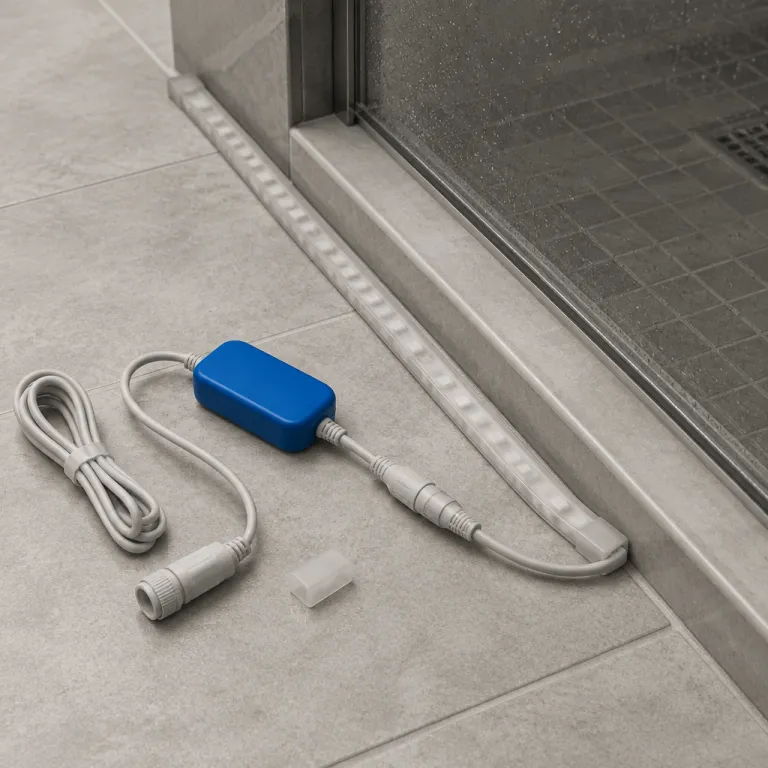
Understanding water resistant LED strips
What Makes LED Strips Water Resistant?
When exploring smart lighting options, understanding the difference between standard and water resistant LED strips is crucial. Water resistant, or waterproof LED strips, are designed to withstand moisture, splashes, and even direct exposure to water, making them ideal for both indoor and outdoor lighting projects. These strips are often coated with a protective layer, such as silicone or epoxy, which shields the LEDs and circuitry from water and dust. This feature is especially important for outdoor LED installations, bathrooms, kitchens, or any area where humidity and spills are a concern.
Types of Water Resistant LED Strips
There are several types of waterproof LED strips available, each with varying levels of protection. The most common ratings you'll encounter are IP65, IP67, and IP68. These ratings indicate the degree of protection against water and dust:
- IP65: Protected against water jets and splashes, suitable for damp indoor spaces or covered outdoor areas.
- IP67: Can handle temporary immersion, making them a good choice for outdoor lighting exposed to rain or occasional submersion.
- IP68: Designed for continuous immersion, ideal for pools or fountains.
Choosing the right waterproof flexible LED strip depends on where you plan to install it and the level of exposure to water. For more inspiration on how to use outdoor LED strip lights, check out this guide on enhancing your outdoor ambiance with LED light strips.
Popular Variations and Applications
Water resistant LED strips come in a range of options, including white LED, warm white, RGB, and color changing models. Some products offer high CRI LED technology for better color accuracy, while others feature LED neon or tape lighting for a flexible, seamless look. These lights are available in different lengths, brightness levels, and price points, making it easy to find a product that matches your needs and budget. Whether you're looking for a SKU for a specific strip light or comparing the price of various strip lights, it's important to consider both the technical specifications and the intended use.
Why Water Resistance Matters in Smart Lighting
Integrating waterproof LED strips into your smart lighting setup ensures durability and safety, especially in challenging environments. From outdoor patios to kitchens and bathrooms, these lights provide reliable illumination without the risk of water damage. As you continue exploring the benefits, features, and installation tips in the following sections, you'll gain a clearer understanding of how to select the best waterproof LED strip for your project.
Benefits of using water resistant LED strips in smart lighting
Why Choose Waterproof LED Strips for Smart Lighting?
Water resistant LED strips are a practical solution for anyone looking to enhance their lighting setup, especially in areas where moisture or dust is a concern. Whether you want to install strip lights in your bathroom, kitchen, or outdoor spaces, choosing a waterproof flexible product ensures durability and safety. These led strips are designed to withstand splashes, rain, and even direct water exposure, making them ideal for both indoor and outdoor applications.
Versatility in Color and Application
One of the standout benefits of waterproof led strips is their flexibility in design and color. You can find options in warm white, white led, or rgb led for color changing effects. This means you can create a cozy ambiance with warm white led lights or make a bold statement with vibrant rgb colors. Many led neon and tape light products offer high CRI (Color Rendering Index), ensuring that colors appear natural and vivid under the light.
Long-Term Value and Performance
Investing in waterproof led strips can save you money in the long run. These lights waterproof are built to last, reducing the need for frequent replacements. The price of a quality led strip may be higher upfront, but the extended lifespan and reduced maintenance costs make it a smart choice. Many sku options are available, so you can select the right product for your needs and budget.
Safe and Reliable for Outdoor Use
For outdoor lighting, outdoor led strips are essential. They are engineered to handle harsh weather conditions, from rain to intense sunlight. Whether you are illuminating a patio, garden path, or pool area, waterproof led strips provide reliable performance and safety. Their flexible design allows for creative installations, even around curves or corners.
- Suitable for wet or humid environments
- Available in white waterproof and rgb options
- Flexible and easy to install in various locations
- High cri led options for better color accuracy
For more details on how waterproof led tape light can enhance your space, check out this guide on enhancing your space with waterproof LED tape light.
Key features to look for in a water resistant LED strip
Essential Qualities for Reliable Outdoor and Indoor Use
When selecting a water resistant LED strip for your smart lighting setup, it’s important to focus on features that ensure both performance and durability. Not all LED strips are created equal, especially when you need them to withstand moisture, dust, or outdoor conditions. Here’s what to look for when comparing products:
- Waterproof Rating: Check the IP (Ingress Protection) rating. For outdoor LED strips or areas exposed to splashes, an IP65 or higher is recommended. This ensures the strip lights are protected against water and dust, making them suitable for gardens, patios, or bathrooms.
- Light Quality and CRI: The Color Rendering Index (CRI) indicates how accurately the strip light displays colors. For vibrant and true-to-life lighting, choose a CRI LED strip with a rating above 80. High CRI is especially important for white LED strips and color changing RGB LED strips.
- Color Options: Decide if you want a single color (like warm white or cool white) or RGB/RGBW for color changing effects. RGB LED strips allow you to customize the ambiance, while white LED strips offer consistent illumination. Some products even offer neon-style flexible strips for unique lighting designs.
- Flexibility and Form Factor: Flexible LED strips and waterproof flexible neon strips can be bent around corners or shaped to fit unique spaces. This is crucial for creative installations, whether you’re lining stairs, cabinets, or outdoor pathways.
- Brightness and Power: Look at the lumens per meter and wattage. Higher brightness is ideal for task lighting, while lower levels suit accent lighting. Also, check if the strip is dimmable for more control.
- Product SKU and Price: Compare SKUs to ensure you’re getting the right product for your needs. Price can vary based on features like waterproofing, color options, and LED density. Always balance cost with the quality and longevity of the strip lights.
- Smart Compatibility: For smart lighting, ensure the LED strip is compatible with your existing system, such as Wi-Fi, Zigbee, or Bluetooth. This allows for remote control, scheduling, and integration with other smart lights.
When planning your installation, consider the type of tape or adhesive backing for easy mounting. Some strips come with strong adhesives, while others may require mounting clips, especially for outdoor LED or waterproof LED strips.
For those interested in hard-wiring their light strips for a seamless smart lighting solution, check out this guide to connecting LED strips directly to hard wiring. This can help you achieve a more permanent and professional look, especially in outdoor or high-moisture areas.
By focusing on these key features, you’ll be better equipped to choose the right waterproof LED strip for your lighting project, ensuring both safety and style in any environment.
Installation tips for water resistant LED strips
Preparing for a Smooth Installation
Before installing your waterproof LED strip lights, make sure you have the right tools and materials. Check the product specifications and SKU to confirm the strip is suitable for your intended use, whether it’s for outdoor lighting, a flexible neon accent, or a warm white indoor feature. Always verify the IP rating to ensure the strip is truly waterproof and matches your environment’s demands.
Surface Preparation and Placement
Clean and dry the surface where you’ll attach the LED tape. Dust, moisture, or grease can weaken the adhesive, causing the strip to fall. For outdoor LED installations, consider mounting the strip under eaves or ledges to protect it from direct rainfall, even if it’s a waterproof flexible product. Plan your layout to avoid unnecessary bends, as excessive flexing can damage the circuitry of the light strip.
Securing the Strip Lights
- Use the adhesive backing for smooth, clean surfaces. For rough or porous areas, supplement with mounting clips or brackets.
- For neon or RGB LED strips, ensure connectors are firmly attached and waterproofed with silicone sleeves or heat shrink tubing.
- When joining multiple strips, use waterproof connectors to maintain the integrity of the lighting and prevent water ingress.
Power and Connectivity
Check the voltage requirements of your LED strip lights. Using the wrong power supply can damage the product or reduce its lifespan. For color changing or RGB LED strips, ensure the controller is compatible and protected from moisture. If you’re installing white waterproof or warm white LED strips outdoors, use weatherproof enclosures for power adapters and controllers.
Testing Before Finalizing
Before securing everything permanently, test the lights. Confirm that all sections light up correctly and that color changing features work as expected. This step helps you catch any issues with connections or faulty strips early, saving time and effort later.
Safety Considerations
- Always disconnect power before handling or cutting LED strips.
- Follow manufacturer instructions for cutting and joining strips to avoid damaging the CRI LED chips or waterproof coating.
- For outdoor installations, double-check all seals and connections to prevent water damage and electrical hazards.
Common challenges and troubleshooting
Troubleshooting Issues with Waterproof LED Strips
Even the best waterproof LED strip lights can run into problems, especially when used outdoors or in demanding environments. Here are some common challenges and practical solutions to help you get the most out of your lighting setup:
- Water Ingress: Despite being labeled as waterproof, improper installation or damaged seals can allow moisture to seep in. Always check the IP rating and inspect the silicone or epoxy coating for cracks. If you notice condensation or flickering, disconnect the power and let the strip dry completely before resealing any exposed areas.
- Color Inconsistency: Over time, some RGB LED strips may show uneven color or brightness, especially if the strip is too long or the power supply is insufficient. Use a high-quality power supply matched to your strip’s voltage and wattage. For longer runs, consider injecting power at multiple points to maintain consistent color changing effects.
- Adhesion Problems: Flexible LED tape or neon strips sometimes lose their grip, especially on rough or damp surfaces. Clean the surface thoroughly before installation and use additional mounting clips for outdoor or curved applications.
- Connector Failures: Connectors can corrode or loosen, especially in outdoor LED strip installations. Opt for waterproof connectors and periodically check for secure connections. If a section of your strip light stops working, test the connections before replacing the product.
- CRI and Brightness Drop: Over time, exposure to UV and weather can reduce the brightness and color rendering index (CRI) of white LED or warm white strips. Choose strips with UV-resistant coatings and high CRI ratings for better long-term performance.
When to Seek Professional Help
If you experience persistent issues with your waterproof flexible LED strips, such as repeated short circuits or widespread dimming, it may be time to consult a lighting professional. They can help identify product compatibility issues, check for correct SKU selection, and ensure your outdoor LED lighting meets safety standards.
Quick Reference Table: Common Issues and Solutions
| Issue | Possible Cause | Solution |
|---|---|---|
| Flickering lights | Moisture, loose connections, low-quality power supply | Dry strip, check connectors, upgrade power supply |
| Color changing not working | Controller or wiring issue | Reset controller, check wiring, replace faulty parts |
| Adhesive failure | Dirty or uneven surface, humidity | Clean surface, use mounting clips |
| Dim or uneven lights | Voltage drop, long strip runs | Inject power at intervals, use shorter strips |
By understanding these common challenges, you can enjoy reliable, vibrant lighting from your waterproof LED strips, whether you choose white, RGB, or neon options for your smart lighting needs.
Maintenance and care for long-lasting performance
Keeping your waterproof LED strips in top shape
Proper maintenance is essential for ensuring your waterproof LED strip lights deliver consistent performance and longevity. Whether you have flexible neon strips, RGB LED tape, or warm white outdoor lights, a few simple habits can make a big difference.- Regular cleaning: Dust, dirt, and outdoor debris can accumulate on the surface of your waterproof flexible LED strips. Gently wipe them with a soft, damp cloth. Avoid harsh chemicals that could damage the waterproof coating or affect the color changing capabilities.
- Check for water ingress: Even with a high IP rating, inspect your lights for any signs of moisture inside the casing, especially after heavy rain or outdoor cleaning. If you spot condensation, disconnect the power and allow the strip to dry completely before use.
- Inspect connections: Outdoor LED strips often use connectors or soldered joints. Make sure these remain sealed and secure. Loose or corroded connections can cause flickering or color inconsistencies in your RGB or white LED strips.
- Monitor power supply: Stable voltage is crucial for the longevity of your LED lights. If you notice dimming or uneven lighting, check the power supply and ensure it matches the product’s requirements. Overloading can reduce the lifespan of your strip lights.
- Protect from extreme temperatures: While waterproof LED strips are designed for outdoor use, extreme heat or cold can still affect their performance. Try to install your lights in shaded or protected areas when possible, especially for flexible neon or tape lighting.
When to replace or upgrade your LED strips
Even with careful care, LED strips may eventually show signs of wear. Look out for these indicators:- Noticeable drop in brightness or color accuracy (CRI LED values may decrease over time)
- Persistent flickering or sections of the strip not lighting up
- Physical damage to the waterproof casing or tape backing
Storage tips for unused LED strips
If you have leftover strips or need to store your lights temporarily:- Keep them in a cool, dry place away from direct sunlight
- Store flexible strips loosely coiled to avoid damaging the circuit or waterproof layer
- Label each strip with its SKU or product details for easy identification later