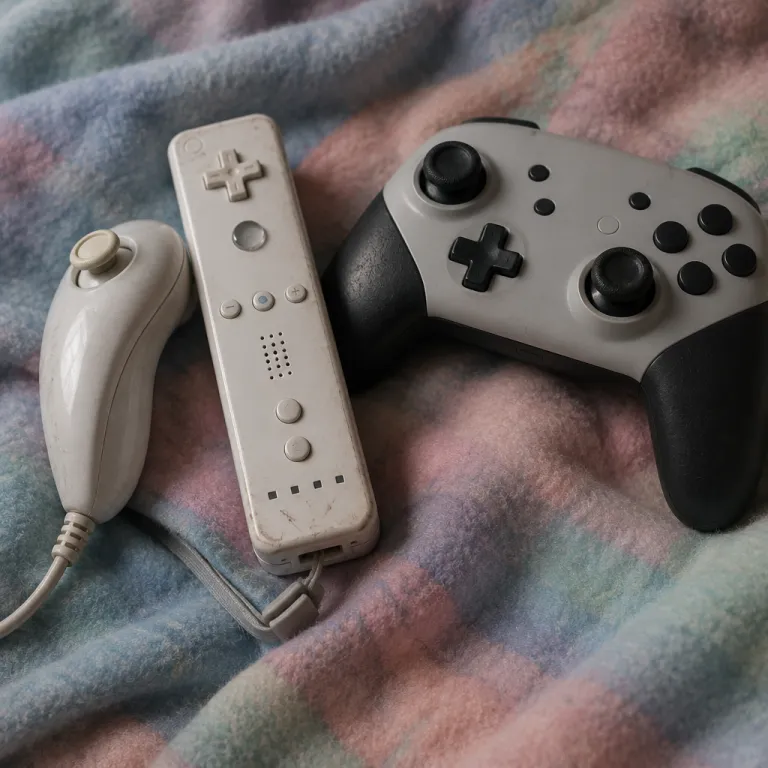
Understanding the core differences between smash 4 and brawl
How Smash 4 and Brawl Set Themselves Apart
When comparing Super Smash Bros. for Wii U and 3DS (often called Smash 4) and Super Smash Bros. Brawl for the Wii, it’s important to look at the core differences that shaped each game’s identity. Both titles aimed to expand the smash game experience, but they did so in ways that sparked plenty of debate among fans about which was better than the other.
- Platform and Accessibility: Brawl launched exclusively on the Wii, using its unique controls and motion features. Smash 4 released on both the Wii U and 3DS, making it the first time players could enjoy a full smash bros experience on a handheld device. This move made it easier for more players to jump in and play smash anywhere.
- Game Modes: Brawl introduced Subspace Emissary, a cinematic single player adventure that mixed platforming with classic mode battles. Smash 4 dropped this for a wider range of modes like Smash Tour and Target Blast, but some fans felt these didn’t quite replace the fun of Brawl’s story mode. The classic mode also changed, with Smash 4 offering a more customizable experience.
- Roster and Stage Builder: Both games expanded the number of characters and stages, but Smash 4 took it further, introducing more newcomers and a refined stage builder. The diversity in the roster and the ability to create custom stages gave players more ways to enjoy the game.
- Online and Multiplayer: Brawl was the first smash game to offer online play, but its online mode was often criticized for lag and limited features. Smash 4 improved online play, making it easier to log register and find matches, though it still wasn’t perfect.
These core differences influenced how players experienced each game, from the single player content to the competitive smash mode options. Some players preferred the slower, more chaotic style of Brawl, while others enjoyed the faster pace and expanded modes in Smash 4. If you’re curious about how hardware and accessories can affect your experience, check out this guide on using Bandridge switchers for gaming consoles to optimize your setup.
As we move forward, we’ll look at how gameplay speed, mechanics, and player feedback shaped opinions on whether Smash 4 was truly better than Brawl or if it missed the mark in key areas.
Gameplay speed and mechanics: which felt better?
Speed and Flow: How Each Game Feels to Play
When comparing Smash 4 and Brawl, one of the most talked-about topics is the overall speed and feel of the game. Many players who spent time with both titles on the Wii and later platforms noticed clear differences in how matches played out. Brawl is often remembered for its slower pace, floatier jumps, and mechanics like tripping, which could interrupt the flow of a match. These elements made the game feel more defensive and, for some, less exciting than previous or later entries.
On the other hand, Smash 4 aimed to strike a balance between the slower, more methodical style of Brawl and the faster, more aggressive gameplay seen in earlier Smash games. The movement speed was increased, and mechanics like tripping were removed, making the game feel smoother and more responsive. This shift was welcomed by players who wanted a more competitive experience, though some still felt it didn’t quite reach the intensity of Smash Ultimate or even Melee.
- Brawl: Slower, floatier, defensive, random tripping, less combo potential
- Smash 4: Faster, more grounded, no tripping, better combo flow, more accessible to new players
When it comes to game modes, both titles offered a variety of ways to play. Brawl introduced Smash Tour and a more robust Stage Builder, while Smash 4 expanded on Classic Mode and added Target Blast. However, some fans felt that Smash 4’s single player content was less engaging than Brawl’s Subspace Emissary, which was a full adventure mode. This difference in modes affected how much time players spent in each game outside of multiplayer battles.
For those interested in the value of different Smash games and how much they cost today, you can find more details in this guide on how much does the Rad Galaxy Switch cost.
Ultimately, whether Smash 4 felt better than Brawl depends on what you value in a Smash Bros experience. If you prefer a faster, more competitive game, Smash 4 likely felt like an improvement. If you enjoyed unique single player modes and a slower pace, Brawl might have been more your style. The debate continues, especially as Smash Ultimate has since raised the bar for speed and content in the series.
Character balance and roster diversity
Roster Expansion and Character Variety
One of the most talked-about aspects when comparing Smash 4 and Brawl is the character roster. Both games aimed to expand the Super Smash Bros. universe, but they did so in different ways. Brawl introduced several new faces and third-party characters, which was a big deal at the time. However, Smash 4 took things further by offering the largest roster up to that point, including fan favorites and unexpected newcomers. This made the game feel fresh for players who wanted to try new fighters or revisit classic mode with different strategies.
- Brawl had 39 playable characters, while Smash 4 expanded to 58 (including DLC).
- Smash 4's roster diversity allowed for more play styles and team combinations in various modes, such as Smash Tour and Target Blast.
- Players could experiment with new fighters and revisit old favorites, making single player and multiplayer sessions more fun and unpredictable.
Balance and Competitive Play
Character balance is crucial in any smash game. Brawl was often criticized for having a few dominant characters, which made competitive play less varied. Smash 4 made significant efforts to address this by tweaking move sets and introducing balance patches over time. While not perfect, these changes made it easier for more characters to compete at higher levels, which was better for both casual and competitive players.
Some players still argue that certain characters in Smash 4 were too strong or too weak, but overall, the balance was considered an improvement over the Wii version. This led to more diverse tournament results and a broader range of viable strategies in smash mode and star mode.
Modes and Unlockables
Both games offered a variety of modes, but Smash 4 introduced new ways to play smash, like Smash Tour and an improved stage builder. While some fans missed the Subspace Emissary from Brawl, others appreciated the faster unlock system and the ability to quickly jump into classic mode or experiment with custom stages. These changes made it easier for players to spend more time having fun and less time grinding for unlocks.
For those interested in exploring strategy games beyond the smash series, check out this guide to Final Fantasy Tactics A2 for more insights into expanding your gaming experience.
In summary, Smash 4 offered a larger and more balanced roster, more modes, and a better overall experience for players who valued variety and replayability. While not everyone agreed it was better than brawl, the improvements in character diversity and game modes made it a strong entry in the super smash series.
Community reception and player feedback
How Players Felt About the Game
When comparing Smash 4 and Brawl, community feedback played a huge role in shaping each game’s reputation. Players often discussed which game was more fun to play, which modes felt rewarding, and how the overall experience stacked up against other Smash Bros titles. The debate about whether Smash 4 was better than Brawl or vice versa is still active in forums and social media.
- Game Speed and Feel: Many players found Smash 4 to be faster and more responsive than Brawl, which some felt was too slow. However, others missed the unique mechanics and floaty physics of the Wii version.
- Modes and Features: Brawl introduced Subspace Emissary, a single player adventure mode that many still remember fondly. Smash 4 replaced it with Smash Tour and Classic Mode, but these modes received mixed messages from the community. Some thought Smash Tour was confusing and less fun than Brawl’s offerings.
- Roster and Balance: The expanded roster in Smash 4 was praised, but some players felt certain characters were overpowered or underwhelming. Brawl’s balance issues were also a hot topic, especially with the dominance of a few top-tier characters.
- Stage Builder and Extras: Both games included a stage builder, but Brawl’s version was considered more robust by some, while others appreciated the improvements in Smash 4. The variety of smash modes and target blast mini-games also sparked debate about which game offered more replay value.
Online Play and Community Interaction
Online play was a big step for both games, but the experience varied. Brawl’s online mode was criticized for lag and limited features, making it hard to play Smash with friends. Smash 4 improved online stability, but matchmaking and lag were still common complaints. Players often shared their frustrations and tips in forums, hoping for a better experience in future Smash games like Smash Ultimate.
- Communication: The lack of robust messaging or log register features made it tough for players to connect and organize matches. This was a missed opportunity for both games.
- Single Player vs. Multiplayer: Some players preferred the single player content in Brawl, while others enjoyed the expanded multiplayer focus in Smash 4. The absence of a true adventure mode in Smash 4 was often seen as a step back.
Overall, the community’s feedback highlights that both games had strengths and weaknesses. Whether you think Smash 4 was better than Brawl or not, it’s clear that player opinions were shaped by their favorite modes, characters, and how much fun they had each time they picked up the controller.
The competitive scene: tournaments and legacy
How Competitive Play Shaped Each Game’s Reputation
When comparing the competitive scenes of Smash 4 and Brawl, it’s clear that both games left unique marks on the Super Smash Bros. community. The way players approached tournaments, the popularity of certain modes, and the legacy each game built are all key to understanding which game was better for competitive play.
- Brawl’s Tournament Scene: Brawl, released on the Wii, introduced mechanics like tripping and a slower pace. These changes were controversial and often criticized by competitive players. Many felt that the game’s mechanics made it less skill-based than previous smash games. Despite this, Brawl tournaments were still popular, and the game’s large roster and stage builder mode gave players plenty of ways to play smash in new ways. However, the infamous Meta Knight dominance and the lack of balance led to some frustration in the community.
- Smash 4’s Competitive Growth: Smash 4, available on both the Wii U and 3DS, aimed to address some of Brawl’s issues. The gameplay speed was increased, and tripping was removed, which made matches feel better than Brawl for many. The expanded roster and new smash mode options, like Smash Tour, added variety, though not all modes were well-received. Smash 4’s online play and improved balance helped it gain a larger competitive following. Major tournaments saw more character diversity, and the game’s mechanics allowed for more skill expression than Brawl.
Legacy and Influence on Future Smash Games
Both games influenced the direction of the series. Brawl’s slower pace and single player focus, with modes like Subspace Emissary, showed Nintendo’s willingness to experiment, but it also highlighted what competitive players didn’t want. Smash 4, on the other hand, set the stage for Smash Ultimate by refining balance, expanding the roster, and improving online play. Many players see Smash 4 as a bridge between Brawl and the much-loved Smash Ultimate, which combined the best things from previous entries.
- Community Messages and Feedback: Feedback from players was crucial. Brawl’s competitive scene often sent messages about the need for better balance and faster gameplay. Smash 4 responded to these concerns, though some still found certain modes, like Smash Tour, less fun than classic mode or target blast.
- Enduring Impact: The lessons learned from both games helped shape the design of future smash bros titles. The competitive legacy of Smash 4, in particular, is seen in how Smash Ultimate expanded on its foundation, offering more characters, better balance, and more engaging modes for both casual and competitive play.
In the end, while Brawl was important for its time and brought new ideas to the series, many in the competitive community found Smash 4 better than Brawl for tournaments and long-term play. The evolution from Brawl to Smash 4, and then to Smash Ultimate, shows how player feedback and competitive needs have shaped the super smash bros series over time.
Lasting impact on the Super Smash Bros. series
How Smash 4 and Brawl Shaped Future Smash Games
When looking at the lasting impact of both Smash 4 and Brawl, it’s clear that each game left its mark on the Super Smash Bros. series in unique ways. The changes and experiments from these titles influenced what players expect from a smash game today, especially with the arrival of Smash Ultimate.- Game Modes and Features: Brawl introduced modes like Subspace Emissary, which many players found fun and memorable, even if it was a bit divisive. Smash 4, on the other hand, experimented with new modes such as Smash Tour and expanded the classic mode. While not all these modes were popular, they showed a willingness to try new things and cater to both single player and multiplayer fans.
- Roster and Stage Builder: Both games expanded the roster of characters, but Smash 4’s approach to character balance and diversity set a new standard. The stage builder and custom stages in Smash 4 also paved the way for more creative play, even if some features felt less polished than in previous versions.
- Competitive Scene: The competitive scene evolved significantly between Brawl and Smash 4. Brawl’s slower pace and mechanics led to some frustration, while Smash 4’s faster gameplay and better balance made it more appealing for tournaments. This shift helped set the stage for Smash Ultimate’s massive competitive following.