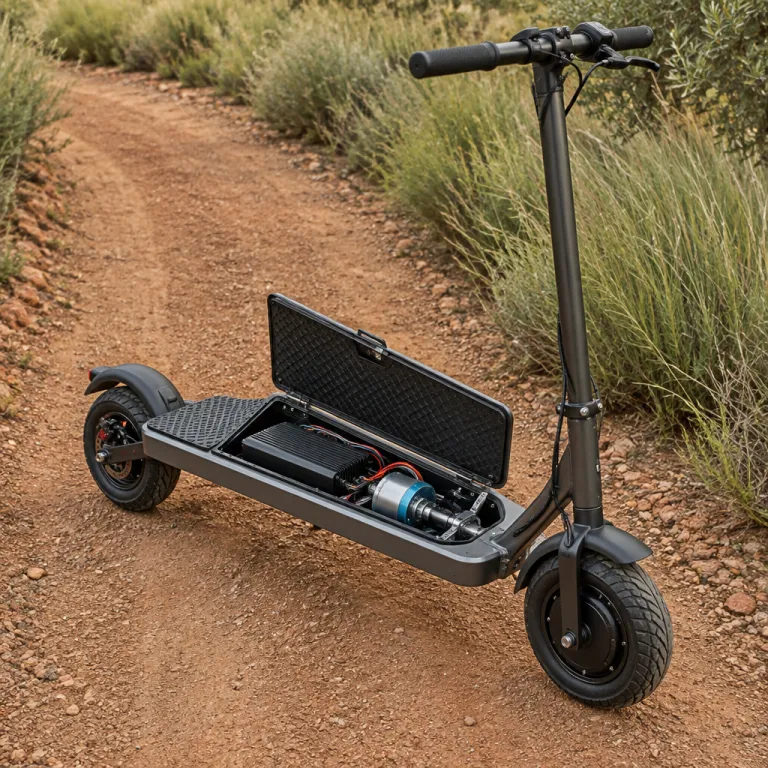
Understanding the Technology Behind Battery-Free Scooters
Innovative Mechanics for a Greener Commute
Understanding how scooters operate without batteries involves delving into the realm of innovative mechanics and engineering. Unlike traditional electric scooters powered by rechargeable batteries, these models rely on other sources such as manual energy or kinetic technologies, transforming the way we perceive personal mobility. Popular options like the kick scooter or manual riding models capitalize on rider input to generate power. These scooters, such as some types of kick scooters, start with a simple kick to propel them forward. With each glide, the momentum helps maintain movement, while technologies like regenerative braking serve as an auxiliary power source, converting kinetic energy into electricity that powers the motor modestly. When comparing these scooters to battery-dependent electric models, it's evident that understanding the balance between manual pushing and motor assistance is essential. Traditional electric scooters with dead batteries can leave riders stranded. However, a battery-free scooter will always offer some form of movement. Engineers are continuously pushing technological boundaries, exploring products that eliminate the need for a charger entirely. Imagine a world where riding electric scooters doesn't rely on battery life, making riding more sustainable and accessible. Ranges of scooters without batteries depend largely on manual and kinetic inputs, offering an eco-friendly alternative for short-distance commuting. For more insights into eco-friendly power solutions, see our detailed exploration of EcoSmart batteries for electric scooters.Benefits of Using Scooters Without Batteries
The Advantages of Scooting Without Traditional Batteries
Electric scooters have become a popular means of urban transport, yet the associated concerns about battery performance and maintenance persist. Shifting towards scooters that operate without conventional batteries introduces several noteworthy benefits. First and foremost, scooters that don't rely on typical batteries eliminate the need for recharging stations and suffer from issues related to battery life. Traditional electric scooters often require a charger and can leave riders stranded with a dead battery. In contrast, battery-free scooters utilize a different mechanism, such as manual kicking or regenerative braking, allowing continued rideability without an electric charge. This leads to another significant advantage: cost savings. With no risk of a battery dying, users can avoid expenses associated with purchasing new batteries and electrical components. The lack of a need to replace a scooter battery means reduced long-term costs for scooter enthusiasts, contributing to a more economical transportation solution. Moreover, the weight and design of a scooter without a battery often differ, resulting in a lighter product. This can facilitate manual riding and make it easier to carry or store the scooter manually when needed, enhancing practicality. Finally, scooters that operate without batteries align with an eco-friendly mindset by eliminating the environmental footprint caused by frequent battery production and disposal. This aspect makes them particularly appealing to conscientious riders seeking sustainable alternatives. For traditional electric operators, understanding these benefits might require knowing the essentials of maintaining and replacing their scooter battery, such as through this informative resource. These advantages collectively make battery-free scooters an intriguing option in the ever-growing mobility landscape.Potential Challenges and Limitations
Navigating the Practical Hurdles of Battery-Free Scooters
Exploring electric scooters that function without batteries can shine a light on both the advantages and the hurdles they face. Since these scooters do not rely on battery power, they are often operated through alternative mechanisms such as manual pushing or kick propulsion. The most significant challenge lies in the limited range offered by manually operated scooters. Unlike traditional electric scooters which can cover substantial distances on a full charge, these models are more reliant on the rider's physical effort. This limits their usability, especially for those seeking long rides without frequent breaks. Furthermore, the absence of motors powered by a scooter battery means that the start and ride typically demand more physical exertion. While regenerative braking may aid in preserving momentum, it doesn't eliminate the need for manual kicking or pushing. This can be a disadvantage for riders accustomed to the effortless glide of powered scooters. Moreover, when the terrain becomes challenging, like uphill routes or rough surfaces, scooter without battery rely heavily on rider strength and stamina. This issue is compounded if you're using a kick scooter with thicker tires, which can increase resistance. Lastly, in cases where one might experience a dead battery on extended rides, being familiar with reliable electric scooter tire repair services nearby can be particularly beneficial when riding battery-free models. Despite these potential limitations, these scooters offer specific benefits for particular use cases, such as short commutes or leisurely rides. However, these hurdles should be considered carefully before choosing a scooter running without a battery for more extensive use.Comparing Battery-Free Scooters to Traditional Electric Models
Performance and Efficiency: A Closer Look
In the world of personal transportation, electric scooters have established a niche with their modern, eco-friendly appeal. But how do battery-free versions stack up compared to their traditional battery-operated counterparts? Let's delve into the differences that make each unique in the evolving landscape of electric scooters.
One of the primary distinctions lies in how power is generated. Traditional electric scooters rely heavily on a battery to store and release power to the motor. This means when the scooter battery is fully charged, riders can expect a seamless ride, with the motor propelling the scooter without the need for manual input. However, when the battery dies, the scooter may need a charge, or riders often resort to manual pushing, mimicking a traditional kick scooter experience.
On the other hand, scooters without batteries prioritize manual riding complemented by regenerative braking to harness kinetic energy. This means each kick or manual motion by the rider is integral to the scooter's mobility. While this can never match the effortless power of a battery-driven start, it offers a level of independence from charging dependencies.
There are, however, several aspects where battery-free models might fall behind. The range and power displayed during a ride typically don’t match up to the long stretches a fully charged electric scooter can cover. Electric scooters designed with batteries can frequently boast extended battery life, promising more extended rides before a dead battery issue arises.
The tires and braking systems are other points of comparison. Electric scooters often utilize advanced braking technologies such as regenerative braking to maintain efficiency and safety. Batteryless scooters might employ simpler mechanical forms, leading to a different riding dynamic.
In terms of market availability, traditional electric scooters are prevalent and offer broad product ranges from various manufacturers, promising an assortment of features and functionalities. Battery-free scooters, while developing, are yet to see mass production, limiting consumer options.
In summary, whether you prefer the manual charm and independence of battery-free scooters or the convenient, power-intensive ride of traditional electric models will depend on personal preferences and lifestyle needs.