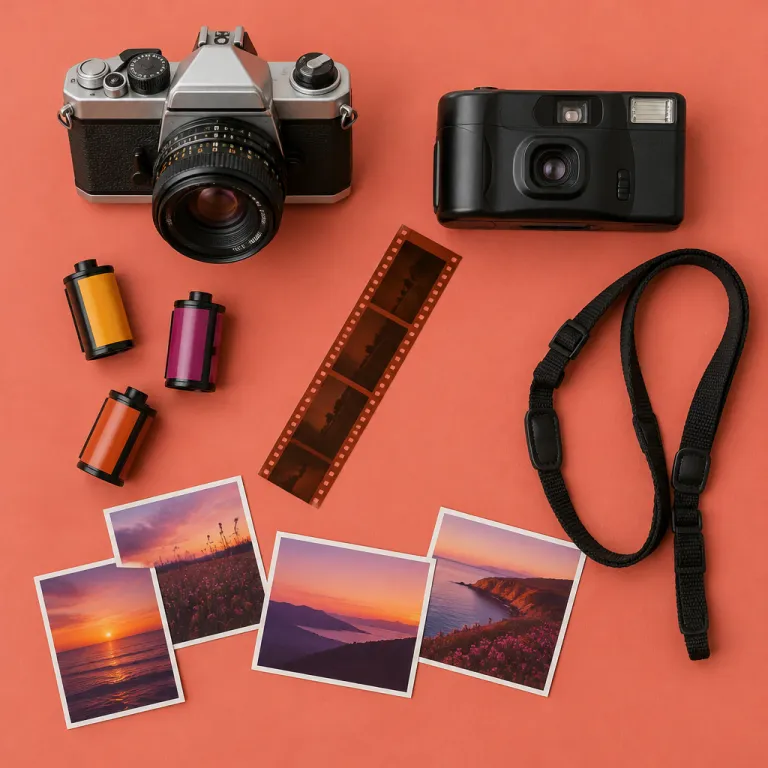
The Allure of 35mm Cameras
Why 35mm Film Continues to Captivate
In the digital age, where instant gratification is a touch away, the 35mm film camera still holds a unique allure for photography enthusiasts. The charm lies not only in the nostalgia but in the distinctive experience it offers. Unlike the instant preview options available in digital cameras, shooting with 35mm film requires a thoughtful approach, encouraging photographers to contemplate each shot thoroughly.
One of the captivating aspects is the richness and depth of the image quality created by film. The grains, tones, and textures achieved on film yield a certain character that digital cameras strive to emulate but rarely match authentically. The manual process of loading the film into the camera body, adjusting settings like shutter speed and aperture priority, and using manual focus lenses further elevates the photographic experience.
The diversity of the cameras also adds to their appeal. Models from brands like Nikon, Canon, Olympus, and Pentax, including the economic yet efficient Olympus Trip and Pentax Super, offer a variety of features catering to different preferences and budgets. Whether opting for the robust build of an SLR film camera or the portability of a point shoot, the choice is abundant.
Moreover, the resurgence of film photography is testament to the timeless appeal of these cameras. Many enthusiasts find that the discipline required in using film enhances their creativity, making each snapshot more meaningful. Film cameras, often found at competitive prices at sales, introduce a level of craftsmanship and artistic involvement that digital counterparts may lack.
Key Features of 35mm Cameras
Timeless Design and Versatility
35mm cameras have long held the fascination of photography enthusiasts for their timeless design and unparalleled versatility. Whether you're using a Canon, Nikon, or even an Olympus, the charm lies in the tactile experience they offer. Unlike digital models, these film cameras have a certain robust build quality, often making them feel more substantial in hand. This is particularly appealing to those who appreciate the mechanics of manual focus and enjoy the creative freedom that comes with adjusting shutter speed and aperture priority settings themselves.
Unmatched Image Quality and Variety
One can't overlook the distinctive image quality that film cameras, like the Olympus Trip or Pentax Super, bring to the table. The dynamic range and the subtlety of colors rendered naturally on film make even ordinary shots extraordinary. The 35mm film is also known for its ability to produce high-quality SLR film photography comparable to modern digital standards. Additionally, various lenses options—from Zuiko lenses to vintage models—allow for endless experimentation in photography.
A Broad Spectrum of Choices
For those looking to dive into film camera options, there is a multitude of renowned models to choose from. Leica, for instance, is celebrated for their precision-engineered cameras that blend elegance with functionality. On the other hand, Olympus and Pentax offer more budget-friendly options without compromising the quality or the exciting journey of film photography. Whether you're considering medium format models or exploring half frame cameras, there's a fascinating range that caters to both point shoot simplicity and sophisticated SLR functionalities.
Accessible Yet Priceless
The market for film cameras today is vibrant and offers options that suit various budgets and price points. From the affordable models great for beginners to the high-end classics revered by collectors, like the Contax G2, there's something for everyone. For those not wishing to break the bank, the best price sale can often bring quality vintage film cameras to accessible levels, making this a time-honored hobby that's easier to start than ever before.
Comparing 35mm Cameras with Digital Cameras
Digital Versus Film: A Tale of Two Camera Worlds
The decision between digital and 35mm cameras often revolves around preference and purpose. Digital cameras, like the Canon EOS, offer immediate image review and versatility with interchangeable lenses and settings such as aperture priority and shutter speed. On the other hand, 35mm cameras, revered by many for their nostalgic and tangible experience, capture images on film, creating a unique texture and depth in photographs. In terms of image quality, early digital cameras struggled to compete with the clarity of film, but rapid advancements have blurred these distinctions. Today's digital SLR cameras can achieve impressive results, making them a favorite for convenience and consistency. However, the allure of unpredictable outcomes with film photography can be charming, as each roll contains surprises that digital cannot replicate. One key consideration is the "cost over time" factor. Digital offers the advantage of shooting several thousands of photos at relatively minimal cost. Film cameras, such as the Olympus Trip or the Leica, entail additional expenses with each roll and its subsequent development. Yet, for many enthusiasts, this is part of the charm, embracing the deliberate process of selecting shots. For those passionate about manual photography, the tactile sensation and manual focus of vintage film cameras, like the Pentax Super, provide an experience digital simply cannot match. With film, the point is often to shoot intentionally and savor the moment rather than relying on a point-and-shoot mentality. Ultimately, comparing 35mm cameras with digital counterparts is about more than side-by-side specifications. It echoes the ongoing debate between modern technology and timeless techniques—a decision as personal as the art of photography itself. If you're curious about a digital camera option with a touch of the past, you might be interested in exploring the features of 'https://www.digital-camera-guru.com/blog/exploring-the-olympus-stylus-epic-a-timeless-digital-camera-choice'.Popular 35mm Camera Models
Top Picks for Timeless Film Photography
In the world of film photography, a few cameras have risen to prominence as consumer favorites for their enduring quality and craftsmanship. As digital counterparts continue to evolve, these 35mm film cameras maintain their charm with a nostalgic emphasis on manual focus and aperture priority settings.- Olympus Trip 35: Renowned for its simplicity and reliability, the Olympus Trip 35 has been a staple for vintage film enthusiasts. It’s a point and shoot that doesn’t compromise on image quality, even in today's digital age. Its compact design paired with the revered Zuiko lens creates strikingly sharp photos.
- Canon AE-1: The Canon AE-1 stands out with its classic design and easy-to-use features. This SLR film camera is perfect for photographers eager to explore manual settings. While modern DSLRs might have advanced features, the tactile experience of the Canon AE-1 offers a unique photography feel, allowing perfect control over shutter speed and lens adjustments.
- Pentax Spotmatic: Known for its robust build and quality lenses, the Pentax Spotmatic series remains a go-to for quality image production in film photography. It’s favored for its accurate metering system, making it great for capturing every detail in a shot.
- Nikon FM2: Iconic and durable, the Nikon FM2 has carved out its niche among SLR aficionados. Its mechanical precision and ability to function without batteries make it a reliable companion for serious film photographers.
- Leica M6: Often considered the pinnacle of 35mm film cameras, the Leica M6 combines unparalleled craftsmanship with exceptional performance. Its rangefinder system and lens interchangeability make it a favored tool among professional photographers who shoot film.
Tips for Using 35mm Cameras
Mastering the Art of Film Photography
Using 35mm cameras can be a rewarding experience, but it requires a bit of finesse and understanding of the fundamentals of photography. Here are some tips to help you make the most of your film camera:
- Understand Your Camera: Familiarize yourself with the camera body and its controls. Whether you're using a vintage film camera like the Olympus Trip or a more advanced model like the Canon EOS, knowing how to operate the manual focus and adjust the shutter speed is crucial.
- Choose the Right Lens: The lens you use can significantly impact the image quality. Consider investing in a quality lens, such as a Zuiko lens for Olympus cameras or a Pentax Super lens, to enhance your photography.
- Experiment with Film Types: Different films offer varying levels of image quality and color saturation. Try different brands and types to find the best film that suits your style.
- Practice Manual Settings: Unlike digital cameras, film cameras often require manual adjustments. Practice setting the aperture priority and shutter speed to achieve the desired exposure.
- Embrace the Limitations: Film photography has its constraints, such as limited shots per roll and the need for careful planning. Use these limitations to your advantage by taking time to compose each shot thoughtfully.
- Explore Different Formats: While 35mm is popular, don't shy away from experimenting with other formats like half frame or medium format for unique perspectives.
- Maintain Your Equipment: Regularly clean your camera and lenses to ensure they remain in good condition. This maintenance is essential for preserving the quality of your images.
By mastering these techniques, you can capture stunning images and fully appreciate the charm of 35mm cameras. Whether you're a fan of Nikon, Leica, or Pentax, each brand offers unique features that can enhance your film photography journey.
The Revival of Film Photography
Embracing Analog in a Digital Era
The resurgence of film photography in a digital age may seem surprising to some. However, the enchantment of shooting with vintage film cameras like the Olympus Trip or the Pentax Super cannot be understated. The tangible nature of the film and the mechanical simplicity of manual focus lenses offer a refreshing break from the high-speed, auto-everything digital world.Film enthusiasts often appreciate the unique image quality that film cameras produce. With manual settings, including aperture priority and shutter speed, photographers have full control over the creative process. The textures, grain, and dynamic range possible with film, whether it's in 35mm or medium format, bring a distinctive charm that digital has yet to thoroughly replicate.
Moreover, there's a growing trend of embracing the "slow photography" movement. Point and shoot film cameras such as the Canon EOS models have garnered a new audience interested in slowing down to savor the photographic journey. While digital cameras provide convenience, shooting film encourages mindfulness and deliberation, with each frame carrying weight because of its limited nature.
Thanks to the rise of platforms making the best film and lenses more accessible, even contemporary brands are dipping toes back into film production, offering new alternatives side by side with classic models from giants like Nikon and Leica.
So, why has film photography stood the test of time? It's not just nostalgia, but a response to digital’s immediacy, offering photographers a different artistic pathway and reminding us of the enduring power of analog artistry. Whether you're drawn to the craftsmanship of SLR film cameras or the intrigue of half frame formats, the film's revival is here to stay, engaging both seasoned veterans and new enthusiasts alike.