The Technological Backbone of Sega Genesis
The Genesis of a Revolutionary System
The Sega Genesis, known as the Mega Drive outside North America, was a groundbreaking system in the late 1980s. It was built on a robust technological foundation that allowed it to stand out in the competitive gaming market. At its core, the Genesis featured a 16-bit Motorola 68000 CPU, a significant leap from the 8-bit processors used in earlier consoles like the Sega Master System. This leap in processing power enabled the Genesis to deliver more complex and visually appealing games.
One of the key components that contributed to the Genesis's success was its Video Display Processor (VDP). This VDP was responsible for handling the console's graphics, allowing it to display up to 61 colors on screen simultaneously from a palette of 512. This was a significant improvement over its predecessors and competitors, such as the NES, and allowed for more vibrant and detailed visuals in Genesis games.
The Genesis also boasted a unique sound chip, the Yamaha YM2612, which provided rich audio experiences that complemented its visual capabilities. This combination of advanced graphics and sound made the Genesis a favorite among gamers and developers alike.
While the Genesis was a powerhouse in its time, it faced stiff competition from other systems like the SNES. However, its technological backbone allowed it to carve out a distinct identity in the gaming world, influencing the design and aesthetics of games during its era. This technological prowess set the stage for iconic games such as Sonic the Hedgehog, which utilized the system's capabilities to create fast-paced and colorful experiences that captivated players.
For more insights into the world of Sega and its influence on gaming, you can explore this comprehensive guide on the evolution of gaming consoles.
Understanding the Color Palette
Delving into the Sega Genesis Color Spectrum
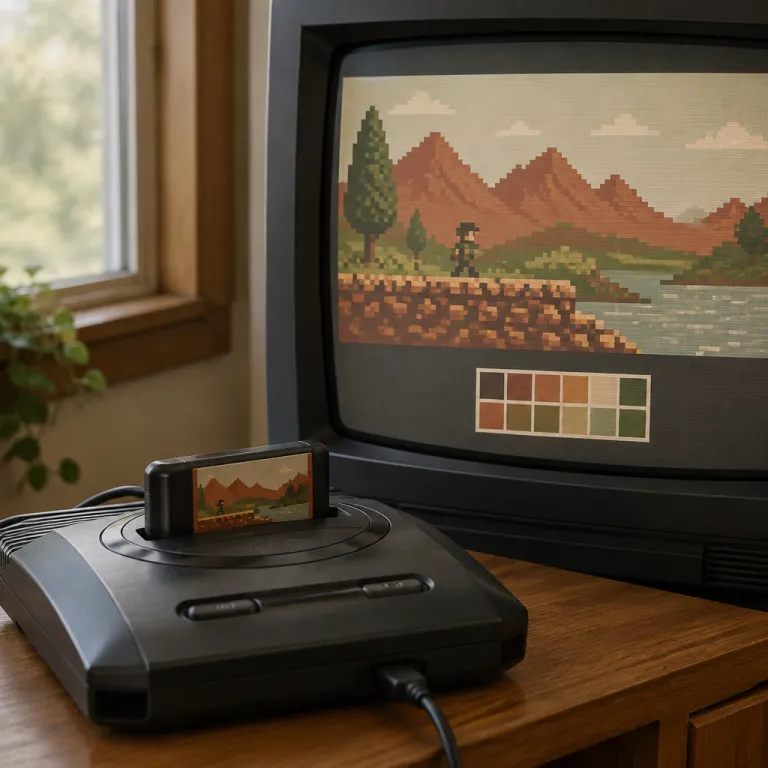
Understanding the color capabilities of the Sega Genesis begins by examining its color palette, which played a critical role in defining the visual identity of genesis games. With a 16-bit color depth, the Sega genesis was armed with a Video Display Processor (VDP) that supported a selection of 512 colors, a significant leap from its predecessor, the Master System. The color palette leveraged by this console allowed for 64 simultaneous colors on screen, made possible by the efficient management of video RAM (VRAM) and sprite data. This feature enabled developers to create more vivid and engaging game environments, setting the genesis apart from its contemporaries, such as the mega drive rail shooters. Color rendering was central to the system's capability, especially when juxtaposed against rivals like the SNES. While the SNES boasted a broader array of total colors, the Sega mega focuses on dynamic graphics through its use of palettes and sprites. Contrasted with the more muted tones seen on older systems or even the Game Boy, Genesis games were a vivid explosion of hues and tones that demanded players' attention. Moreover, the console's color handling was deeply interwoven with the aesthetic and gameplay elements developed for iconic titles such as Sonic the Hedgehog, where swift motion and vibrant worlds captivated audiences globally. This intricately designed color palette fostered the appeal of Genesis's library, influencing game design and artistic stylings in future gaming industries significantly. Overall, the masterful use of the Sega Genesis color palette underscored the console's strength against others like the SNES or the Super NES, with the intricate balancing of data bus speeds and RAM availability contributing essentially to a richer gaming experience.Comparative Analysis with Contemporary Consoles
A Visual Contrast in Gaming
The gaming world of the early 90s saw the Sega Genesis and SNES as the titans of home entertainment. At the heart of this battle was the competition in visual expression, where each system's color capabilities were put to the test. The Genesis, with its 16-bit technology, differed significantly from its contemporaries in terms of color handling and graphic presentation.
The Sega Genesis had a color palette that was somewhat limited when compared to the SNES. While the SNES boasted a potential display of 32,768 colors, the Genesis was somewhat restrained, able to display 512 colors on screen from a palette of 4,096. This discrepancy might seem pronounced, but the Genesis made creative use of this palette, emphasizing sharpness and contrast to make its graphics pop. The system's Video Display Processor (VDP) could display 64 colors on screen at once, a limitation that developers overcame with ingenuity.
A game's ability to use color effectively wasn't just measured by how many colors it could show. In the case of the Sega Genesis, developers leveraged the console's robust sprite capabilities. With the power to handle multiple sprites efficiently, Genesis games maintained a level of movement and color variation that complemented its visual style, differentiating it from the pixelated art sometimes seen on the Game Boy and NES.
The difference in color display had a profound impact on how games were designed and perceived by players, driving creativity within technical constraints. This led to a distinct aesthetic style that became synonymous with the Genesis, enhancing gameplay experiences and bringing vivid worlds to life despite the technical limitations.
Ultimately, comparing the Sega Genesis to other systems of its era highlights the diversity in approach and execution in video game design. While not as expansive in its color offering as some competitors, the Genesis carved its own niche through its unique visual appeal and ground-breaking titles that left a lasting legacy on the industry.
Impact on Game Design and Aesthetics
Transformative Role in Game Aesthetics
The Sega Genesis, with its technical capabilities and unique color palette, has had a significant impact on game design and aesthetics. While this console isn't the most advanced system, the developers learned to critically leverage its VDP (Video Display Processor), enhancing the visual appeal of their creations. The VDP allowed for clever management of colors on the screen, affecting how individual sprites and backgrounds were designed and layered. This involved the use of strategies to maximize the visual impact within the limitation of the Sega Genesis' 64 simultaneous on-screen colors.
With the games running smoothly on 16-bit hardware, the Genesis games stood out with their distinct aesthetic style. Savvy developers implemented techniques to simulate more colors than the system officially supported. For example, layering sprites lent depth and character to the visuals. Developers also strategically utilized the Genesis's RAM and data bus to create detailed, colorful visuals that were competitive with those of the SNES. Additionally, they worked within the PAL and NTSC standards to ensure games looked vibrant across different television display systems.
Moreover, Sega's commitment to high-energy, fast-paced gameplay is evident in Sonic the Hedgehog. This game highlights how the Genesis could manipulate its color capacity to create energetic and dynamic worlds that added to the player's immersion in a thrilling gaming experience. Such approaches helped to sustain audience interest, proving that creativity and innovation could trump technical restrictions.
All in all, the Sega Genesis was more than just a product of its time; it was a catalyst that pushed video game design forward, encouraging developers to squeeze every ounce of possibility from the given hardware environment.
Iconic Games and Their Use of Color
Iconic Games and Their Mastery of Color
The Sega Genesis, with its robust color capabilities, paved the way for some of the most memorable gaming experiences. Many titles on this system utilized its video display processor (VDP) to craft visually stunning scenes that resonated with gamers far and wide. The Genesis was often lauded for its unique approach to color display, which stood in stark contrast to systems like the SNES, each offering gamers distinct visual experiences.- Sonic the Hedgehog: Perhaps the most emblematic game of the Sega Genesis, Sonic the Hedgehog leveraged its vibrant color palette to set itself apart. The iconic blue of Sonic himself contrasted beautifully against the colorful backdrops, providing a visual feast that took full advantage of the Genesis's sprite capabilities.
- Street Fighter II: A pivotal title in the fighting genre, Street Fighter II's Genesis iteration showcased the console's ability to handle an extensive range of colors. Each character, meticulously detailed, brought the technical prowess of the Genesis to the forefront, even when compared to its SNES counterpart.
- Earthworm Jim: Renowned for its offbeat humor and unique visual style, Earthworm Jim utilized the Sega Genesis's color depth to create its quirky worlds. This game exemplified how developers could push the system's limitations to craft unique and enduring artistic visions.