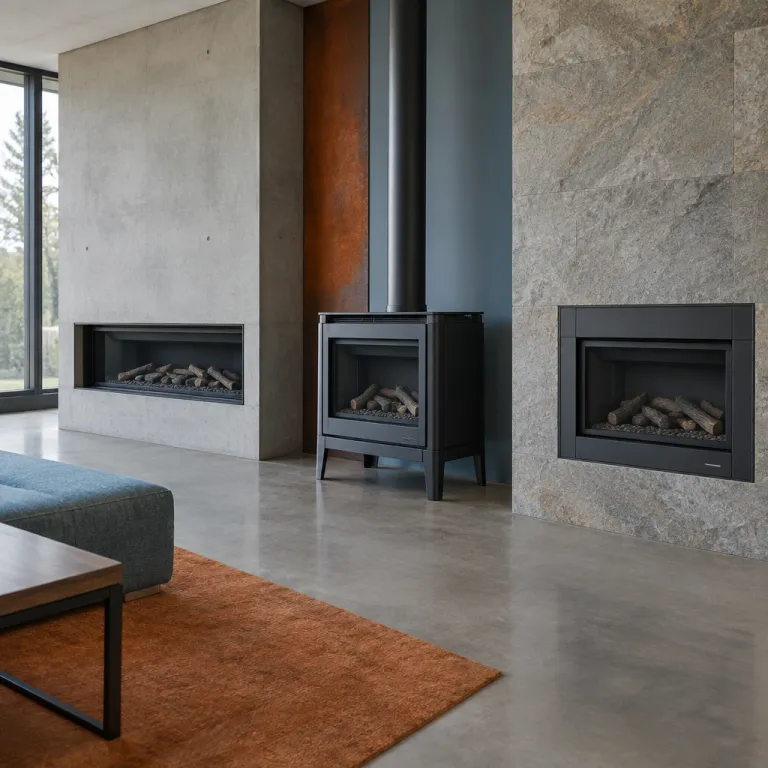
Understanding gas fireplace basics
What Makes a Gas Fireplace Different?
Gas fireplaces have become a favorite for homeowners who want the warmth and comfort of a fire without the hassle of burning wood. Unlike traditional wood burning fireplaces, gas models use natural gas or propane as their fuel source. This means you can enjoy a steady flame with the flip of a switch or the press of a remote, thanks to electronic ignition systems. No more hauling logs or cleaning up ash.How Gas Fireplaces Work
A gas fireplace works by channeling gas through a burner, where it mixes with air and ignites to create flames. The flames dance around ceramic log sets or glass beads, giving the look of a real burning fireplace. Some models are designed to fit into existing fireplaces as inserts, while others are built as freestanding units or wall-mounted features.Types of Gas Fireplaces
You’ll find several types of gas fireplaces, each with its own benefits:- Direct vent gas fireplaces: These use a sealed system to draw in outside air for combustion and vent exhaust directly outside. This makes them energy efficient and safe for indoor air quality.
- Vent free gas fireplaces: Also called ventless or free gas fireplaces, these don’t require a chimney or vent. They release heat directly into the room, but must meet strict safety standards.
- Natural vent (B-vent) fireplaces: These use a vertical vent or existing chimney to expel combustion gases. They’re similar to traditional wood burning fireplaces in appearance and installation.
- Gas fireplace inserts: Designed to fit into existing wood burning fireplaces, these inserts convert an old hearth into an efficient, clean-burning gas model.
Why Choose Gas Over Wood or Electric?
Gas fireplaces offer a cleaner burn than wood, with fewer emissions and less mess. They’re also easier to operate and maintain. Compared to electric fireplace models, gas units provide real flames and higher heat output, making them a popular choice for those who want both ambiance and warmth. If you’re thinking about updating your living space with a modern fireplace hearth, you might find inspiration and practical advice in this guide to enhancing your living space with a modern fireplace hearth.What Fuels Can You Use?
Most gas fireplaces run on either natural gas or propane. Natural gas is piped directly to your home, while propane is stored in a tank. Both options offer clean, efficient burning and instant ignition. Some outdoor models are designed specifically for patio or backyard use, letting you enjoy a cozy fire under the stars.What to Expect Next
As you compare vented and ventless models, consider how each type affects air quality, installation, and safety. The next section will help you weigh the pros and cons of each venting option, so you can choose the right fireplace for your needs. Sources: U.S. Department of Energy, Hearth, Patio & Barbecue Association, Energy.gov, Electric Fireplace GuruKey differences between vented and ventless gas fireplaces
How Vented and Ventless Gas Fireplaces Work
Choosing between vented and ventless gas fireplaces can feel like a big decision, especially if you’re looking for the right balance of heat, air quality, and style. Both types offer the cozy charm of a burning fireplace without the hassle of wood, but their differences matter for comfort and safety.- Vented Gas Fireplaces: These models use a vent or chimney to send combustion gases outside. The most common types are direct vent and natural vent fireplaces. Direct vent fireplaces pull in outside air for combustion and push exhaust out, keeping indoor air cleaner. Natural vent fireplaces (sometimes called B-vent) use room air for combustion and vent through a chimney, similar to traditional wood burning fireplaces.
- Ventless (Vent Free) Gas Fireplaces: These fireplaces don’t need a chimney or vent. They burn gas so efficiently that almost all the heat stays in your room. They’re easy to install and can go just about anywhere—living rooms, bedrooms, even outdoor spaces. But because they release combustion byproducts into your home, they’re not allowed everywhere and may not be the best choice for those with allergies or breathing issues.
Comparing Heat Output, Air Quality, and Installation
Vented gas fireplaces, especially direct vent models, are known for keeping indoor air fresh. They’re a solid pick if you want the look of a real fire with a view of glowing log sets and realistic flames. However, some heat escapes through the vent or chimney, so they may not be as energy efficient as vent free gas fireplaces. Ventless fireplaces shine when it comes to heat. Since there’s no vent, nearly all the warmth stays inside. They’re often easier and less expensive to install, especially in homes without an existing chimney. But, they do add a small amount of moisture and combustion byproducts to your air, which can be a concern for some families.Safety and Local Codes
Safety is always front and center. Vented gas fireplaces are generally considered safer for indoor air quality, especially with electronic ignition and sealed combustion systems. Vent free gas fireplaces must meet strict safety standards and include oxygen depletion sensors, but always check your local building codes—some places restrict or ban ventless models.Real-Life Choices and Use Cases
If you’re converting a wood burning fireplace, a vented gas insert might be your best bet. For new construction or a room without a chimney, a vent free or direct vent model could save you time and money. Outdoor fireplaces often use vent free designs for flexibility and easy installation. For more on how electric fireplaces compare in style and air quality, check out this article on the allure of black electric fireplaces. Sources:- U.S. Department of Energy, "Types of Fireplaces," energy.gov
- Hearth, Patio & Barbecue Association, "Gas Fireplace FAQs," hpba.org
- Consumer Reports, "Fireplaces: Gas vs. Wood vs. Electric," consumerreports.org
Styles and designs of gas fireplaces
Finding the Right Look and Feel for Your Space
Gas fireplaces come in a variety of styles, each offering a different vibe and function for your home. Whether you want a classic wood burning look or something sleek and modern, there’s a model to match your taste and needs.- Traditional Fireplaces: These mimic the charm of a wood burning fireplace, complete with realistic log sets and a natural flame view. Many homeowners love the cozy feel and the familiar look of a classic hearth, especially when paired with a natural vent or direct vent system for authentic combustion and air flow.
- Contemporary Designs: For those who prefer clean lines and a modern touch, contemporary gas fireplaces often feature glass media, minimalist frames, and wide viewing areas. Direct vent models are popular here, offering efficient heat without the need for a chimney.
- Fireplace Inserts: If you have an existing wood burning fireplace, gas inserts are a practical upgrade. They slide into your current firebox, using either natural gas or propane, and can be vented through your existing chimney. This option brings the convenience of electronic ignition and remote control, while boosting energy efficiency and reducing air pollution.
- Freestanding Stoves: These free gas fireplaces stand alone, much like traditional wood stoves. They’re perfect for rooms without an existing fireplace and can be vented directly outside. Freestanding models often deliver robust heat and a rustic look, making them a favorite in cabins or cozy dens.
- Outdoor Fireplaces: Extend your living space with an outdoor gas fireplace. These are built to withstand the elements and create a welcoming spot for gatherings on the patio or deck. Outdoor models come in both direct vent and vent free options, depending on your setup and local codes.
Features That Make a Difference
Today’s gas fireplaces offer more than just warmth. Many models include electronic ignition for easy start-up, adjustable flame settings, and even smart controls. Direct vent gas fireplaces are especially popular for their sealed combustion systems, which draw air from outside and keep indoor air clean. Vent free models, on the other hand, are prized for their installation flexibility, though they may not be suitable for every home due to air quality considerations. If you’re curious about which brands and models stand out for both style and performance, check out this review on why Mendota gas fireplaces are a smart choice for modern homes.Personalizing Your Fireplace Experience
Choosing the right gas fireplace isn’t just about heat—it’s about creating a space that feels like home. Whether you want the timeless appeal of a log burning look or the convenience of a vent free insert, there’s a fireplace to fit your lifestyle. Think about how you’ll use the space, the kind of view you want, and the features that matter most to you. With so many types of gas fireplaces available, you can find the perfect match for your home’s style and your family’s comfort. Sources: U.S. Department of Energy, Hearth, Patio & Barbecue Association, Consumer Reports, Mendota Fireplaces.Installation considerations for gas fireplaces
What to Expect During Gas Fireplace Installation
Choosing a gas fireplace means thinking through a few practical steps before you can enjoy that cozy fire. Whether you’re considering a direct vent, vent free, or natural vent model, installation can vary quite a bit. Here’s what you need to know to make the process smoother and safer.- Location and Space: Decide if your fireplace will be a new feature or if you’ll use an existing chimney. Some homeowners opt for fireplace inserts to update an old wood burning fireplace, while others want a free standing or built-in model. Make sure there’s enough clearance for heat and air flow, especially with vented gas fireplaces.
- Ventilation Needs: Direct vent fireplaces use a sealed system to bring in outside air for combustion and vent exhaust outdoors, making them safer for indoor air quality. Natural vent (or B-vent) models rely on a chimney, while vent free gas fireplaces don’t need a vent at all. Each type affects where and how you can install it.
- Gas Line Access: You’ll need a connection to a natural gas line or a propane tank. This step must be handled by a licensed professional for safety and code compliance. The installer will check for leaks and ensure proper ignition.
- Electrical Requirements: Some gas fireplaces, especially those with electronic ignition or remote controls, need access to an outlet. Plan for wiring if your chosen spot doesn’t have one nearby.
- Building Codes and Permits: Local codes may dictate how close your fireplace can be to walls, windows, or other combustible materials. Permits are often required, and inspections help guarantee your installation is safe.
- Finishing Touches: Once the fireplace is in, you’ll want to finish the surrounding area. Some people choose stone, tile, or wood mantels to match their style. If you’re updating an existing fireplace, gas log sets or inserts can give a fresh look without major construction.
Common Installation Scenarios
- Replacing a Wood Burning Fireplace: Many homeowners swap out wood for gas inserts, enjoying less mess and easier ignition. The existing chimney can often be used for venting, but it may need to be relined.
- Adding a Fireplace to a New Room: Direct vent models are popular for new additions or outdoor living spaces, since they don’t require a traditional chimney. Vent free fireplaces offer even more flexibility, but always check local regulations first.
- Upgrading for Efficiency: Modern gas fireplaces and inserts are much more energy efficient than older models. If you’re looking to cut heating costs, upgrading can make a noticeable difference in comfort and utility bills.
Safety and Professional Help
Never try to install a gas fireplace yourself unless you’re a qualified professional. Gas leaks, improper venting, or faulty ignition can put your home and family at risk. Always hire a certified installer who understands the requirements for your chosen model and local codes. For more on safety and maintenance, check out the next section.Sources: HGTV Gas Fireplace Buying Guide, U.S. Department of Energy, National Fire Protection Association
Efficiency and heating capabilities
How Gas Fireplaces Perform When It Comes to Heat
Gas fireplaces have come a long way from the old wood burning fireplace days. Today’s models offer a range of heating options, from direct vent gas fireplaces that pull air from outside and vent combustion gases out, to vent free gas fireplaces that keep all the heat indoors. If you’re after warmth, direct vent fireplaces are a favorite. They’re sealed systems, so you don’t lose warm air up the chimney. Instead, they use outside air for combustion and send exhaust outside, making them more energy efficient than natural vent fireplaces. Vent free gas fireplaces, on the other hand, don’t need a chimney or vent, so all the heat stays in your room. But, they do add moisture and combustion byproducts to your air, so you’ll want to keep a window cracked or use them in larger spaces.Comparing Efficiency: Gas vs. Wood and Electric
If you’ve ever stood by a wood burning fireplace, you know most of the heat escapes up the chimney. Gas fireplaces, especially direct vent and vent free models, are much better at keeping heat where you want it. Many gas inserts can reach efficiency ratings of 70% to 90%, while traditional wood fireplaces often fall below 20%. Electric fireplace options are even more efficient since they convert nearly all their energy into heat, but they don’t offer the same flame realism or heat output as gas fireplaces.Heating Capabilities for Different Spaces
Gas fireplaces come in all shapes and sizes, from compact gas inserts for existing fireplaces to large free standing models for open spaces. Here’s a quick guide to help you match the right fireplace to your space:- Direct vent gas fireplaces: Great for larger rooms or open floor plans. They can heat up to 2,000 square feet, depending on the model.
- Vent free gas fireplaces: Best for smaller spaces or supplemental heat. They’re not recommended for bedrooms or bathrooms due to air quality concerns.
- Natural vent (B-vent) fireplaces: Less efficient, but still a solid choice for ambiance and moderate heat.
- Gas log sets: Designed for existing wood burning fireplaces. They provide a beautiful view of burning logs, but heat output depends on the venting method.
Features That Boost Comfort and Convenience
Modern gas fireplaces often include electronic ignition, adjustable flame settings, and remote controls. Some models even offer a choice between natural gas and propane. If you’re upgrading an existing fireplace, gas inserts are a popular pick—they slide right into your old firebox and instantly improve efficiency. Outdoor gas fireplaces are also gaining popularity for patios and decks, letting you enjoy the warmth and view of a real fire without the hassle of burning wood.Energy Efficiency and Cost Savings
Switching from wood burning to gas can lower your heating bills, especially with direct vent or vent free models. These fireplaces let you zone heat, warming the rooms you use most without cranking up your whole-house system. And with natural gas prices often lower than electricity, gas fireplaces can be a budget-friendly way to stay cozy. Sources:- U.S. Department of Energy – Fireplaces and Woodstoves
- Hearth, Patio & Barbecue Association – Fireplaces
- Energy Star – Fireplaces
Maintenance and safety tips for gas fireplaces
Keeping Your Gas Fireplace Safe and Reliable
Routine care keeps your gas fireplace running smoothly and your home feeling cozy. Unlike wood burning fireplaces, gas models need less daily cleaning, but a little attention goes a long way. Here’s what matters most:- Check the vent and air flow: Whether you have a direct vent, natural vent, or vent free gas fireplace, clear air movement is key. Blocked vents can cause poor combustion or even push dangerous gases back into your living space. Inspect the vent outside and inside for debris or bird nests at least once a season. If you use a vent free model, make sure the room has enough fresh air.
- Inspect the ignition and controls: Modern gas fireplaces often use electronic ignition. Test the switch or remote regularly. If you notice any delay or failure to ignite, have a professional check the wiring and ignition system.
- Clean the glass and log sets: Over time, the glass front can get cloudy from heat or residue. Use a cleaner made for fireplace glass. For gas log sets, gently dust them and check for cracks. Never use water or harsh chemicals.
- Look for gas leaks: If you ever smell natural gas (like rotten eggs), turn off the fireplace and the gas supply immediately. Open windows, leave the house, and call your gas provider. Don’t use electronics or switches until it’s safe.
- Annual professional service: Even if your fireplace seems fine, have a certified technician inspect it once a year. They’ll check the burner, combustion chamber, vent, and safety shutoff. This keeps your fireplace energy efficient and safe.
Fireplace Safety Habits for Peace of Mind
- Keep flammable items like curtains, furniture, or decorations at least three feet from the fire.
- Never leave a burning fireplace unattended, especially with kids or pets nearby.
- Test your smoke and carbon monoxide detectors monthly. Gas fireplaces are safer than wood burning for indoor air, but detectors add another layer of protection.
- If you have a fireplace insert or gas inserts in an existing chimney, check the chimney for blockages or animal nests before the heating season.
When to Call a Professional
If you notice soot buildup, a yellow or flickering flame (instead of steady blue), or hear odd noises from the fireplace, it’s time for expert help. These signs can mean incomplete burning, vent issues, or problems with the combustion process. For outdoor gas fireplaces, check for rust or weather damage after storms. Cover your fireplace when not in use to keep it looking and working its best. Sources:- U.S. Department of Energy – Fireplaces and Woodstoves
- National Fire Protection Association – Carbon Monoxide Safety
- Hearth, Patio & Barbecue Association – Fireplace Safety