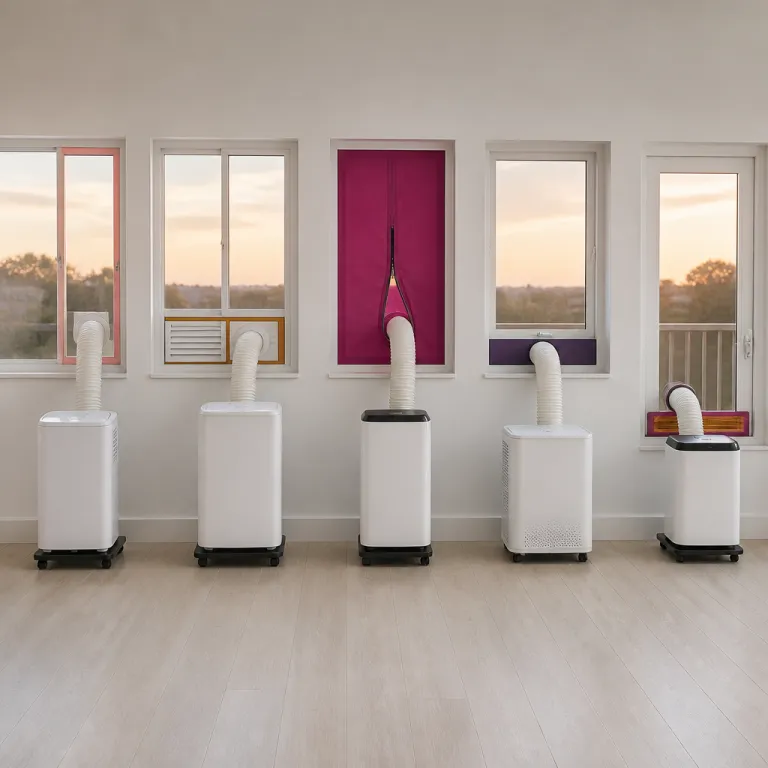
Why portable air conditioner venting rental no damage starts with airflow math
Portable air conditioner venting rental no damage sounds like a niche worry. For renters in small apartments with fragile window frames and strict leases, it is the only thing standing between a cool room and a lost security deposit. The right portable air setup keeps every wall, window, and ceiling untouched while still pushing hot air fully outside.
Think of a portable air conditioner as a heat pump on wheels that must move hot air out through a vent and hose, or it simply recirculates warmth back into the room. When that exhaust hose leaks or the venting is sloppy, infiltration air sneaks in around the window or door and your cooling capacity drops far below the BTU rating on the box. The best rental friendly units and venting kit options focus less on flashy controls and more on tight exhaust paths that avoid any new hole in the wall or damage to existing window units and trim.
Most renters start with a single hose portable air conditioner unit because it is cheaper and easier to move between rooms. That single hose design pulls some replacement air from under the door or through cracks in the conditioner window frame, which is why weatherstripping and careful vent portable placement matter more than raw BTU numbers. Dual hose portable cooling units are more efficient in theory, but in a rental the real win comes from venting portable systems that seal every gap around the window mounted panel, the sliding door insert, or the drop ceiling tile so no hot air leaks back.
Setup 1: standard window kit with painter’s tape for zero frame damage
Most portable air conditioners ship with a plastic window kit that expands to fill a sash opening. Used as is, that kit can scratch old paint, mark vinyl, or leave faint lines that a landlord notices when the room inspection happens. With a thin layer of painter’s tape under every contact point, you get portable air conditioner venting rental no damage performance and a clean frame when you move out.
Start by cleaning the window sill so dust does not weaken the tape, then run a continuous strip where the kit will touch the wall and frame before you set the panel. The goal is to let the plastic window units rest on the tape, not directly on the painted surface, while the exhaust hose locks into the circular vent opening with a snug fit. Once the air conditioner is running, check for hot air leaks around the venting kit by feeling for warm drafts and add compressible weatherstripping wherever you sense infiltration air.
This approach works for both classic window mounted sashes and newer tilt windows, as long as the panel can sit square and the hose portable connection is not stressed. If your unit is a heavier 12 000 BTU model, close the window firmly onto the kit but avoid over tightening any screws that might bite into the frame and leave a permanent hole. For renters who want a deeper dive into dual hose installation and how to avoid rookie mistakes with venting portable systems, a detailed guide on a dual hose portable AC setup from box to cold air can walk you through advanced layouts without adding any new marks to the door or trim.
Setup 2: custom acrylic inserts for crank and casement windows
Urban renters often face tall casement windows that swing out instead of sliding, which makes a standard conditioner window panel almost useless. A custom acrylic insert solves this by turning the odd shaped opening into a clean rectangle with a precise vent hole for the exhaust hose, all without a single screw into the frame. Because the acrylic presses gently against the existing window gasket, you get portable air conditioner venting rental no damage and a professional look that could pass for a built in panel.
Commercial acrylic window units for portable air conditioners are cut to size and usually install in five to ten minutes with no permanent modifications, relying on compression and existing latches rather than hardware. For a budget version, a clear plexiglass sheet trimmed with a basic saw can hold a vent portable collar, as long as you carefully cut the circular hole and sand the edges so they do not scratch the wall or sash. Once the exhaust is connected, seal the perimeter with removable weatherstripping so no hot air sneaks back into the room and your cooling stays efficient.
This method works equally well for narrow windows above a sliding door or for a small office where you cannot alter the exterior appearance. Because the acrylic is transparent, it keeps natural air and light flowing while still supporting the venting kit and hose portable weight. If you later move the unit to a garage or workshop, remember that venting math changes in larger volumes, and resources that explain portable AC in a garage and the trick that keeps a 38 °C bay workable can help you adapt the same no damage mindset to a tougher space.
Setup 3: sliding door foam panels and dryer vent hookups
When your only exterior opening is a sliding door to a balcony, a portable air conditioner can still work without drilling a new door vent or cutting into the jamb. A dense foam board panel trimmed with a utility knife can fill the gap between the fixed panel and the moving door, leaving just enough space for a circular vent collar and exhaust hose. Because the foam presses against the frame instead of being screwed into the wall, you maintain portable air conditioner venting rental no damage while still pushing hot air fully outside.
To build this, measure the height of the sliding door track, cut the foam to fit snugly, then carve a clean hole for the venting kit adapter so the hose portable connection is tight. Add peel and stick weatherstripping along every edge where the foam meets the metal or vinyl, which stops infiltration air and keeps your cooling performance close to what the unit’s BTU rating promises. When you want to close the door fully, just lift the panel out in seconds and store it behind a couch or in a closet so the room looks untouched.
Another elegant option for some apartments is to repurpose an existing dryer vent as the exhaust path for the portable air conditioner unit. Many laundry closets already have a round metal outlet in the wall that matches common exhaust hose diameters, so a simple adapter ring can connect the portable cooling units without any new hole or wall damage. This setup keeps the window free, avoids any visible conditioner window panel, and works especially well in compact rooms where every centimeter of glass and door access matters.
Setup 4: drop ceiling vents and placement rules that protect your lease
In offices, basements, or interior rooms with a drop ceiling, you can vent portable air conditioners upward instead of sideways. The idea is to replace one ceiling tile with a rigid panel that holds a vent collar, then route the exhaust hose through the plenum space to an existing exterior vent or larger duct. Because the panel simply rests in the grid like any other tile, you achieve portable air conditioner venting rental no damage with no screws into the structural ceiling or wall.
For safety, the exhaust path must still end outdoors, not just dump hot air above the room, or your cooling will collapse and the unit may overheat. A short run to a louvered wall vent or a dedicated roof jack keeps the hot air moving away while the room stays cool and the portable air unit hums along at a steady load. Always support long hose portable runs with straps so the weight does not bow the drop ceiling grid or pull on the conditioner window adapter if you also use a small window for makeup air.
Placement inside the room matters as much as the venting kit, especially when you want to avoid scuffs and dents that landlords flag. Keep the unit at least a few centimeters from the wall so vibration does not mark the paint, and route the hose in a gentle curve rather than a sharp bend that could crack the vent collar. If you ever feel tempted to cut hole openings in trim or drill into a door frame for a permanent door vent, remember that a smart AC repair and installation service for portable units can often suggest alternative layouts that keep both the lease and your cooling intact.
Setup 5: weatherstripping, maintenance, and why gaps kill portable cooling
Every setup in this guide, from window kits to dryer vents and drop ceiling panels, depends on one universal rule. Weatherstrip every gap, even when the plastic panel or acrylic insert already looks tight, because infiltration air is the silent efficiency killer that turns a strong portable air conditioner into a lukewarm fan. For renters chasing portable air conditioner venting rental no damage, a few meters of removable foam tape often matter more than another thousand BTU of rated cooling capacity.
When hot air leaks around the window or door, the unit must work harder to maintain a cool room, which raises noise, power draw, and wear on the compressor. A well sealed vent portable connection keeps the exhaust hose hot but the surrounding frame cool to the touch, while the interior air stays stable and comfortable. Check seals at night with a flashlight or incense stick, watching for smoke that wavers near the venting kit, and reinforce any weak spots before a heat wave exposes the system’s flaws.
Maintenance also protects both performance and your deposit, because a dirty filter or clogged evaporator can cause condensate to spill onto the floor or wall. Clean the filter monthly, wipe dust from the air conditioner housing so it does not abrade paint, and keep the unit on a small mat so the wheels do not leave tracks on hardwood. Evaporative coolers and other portable cooling units follow the same logic, but with more focus on water management, so always route any drain hose where it cannot stain baseboards or create marks that outlast your lease.
FAQ
Can I use a portable air conditioner without venting it outside ?
A true refrigerant based portable air conditioner must vent hot air outside through a hose, or it will simply move heat around the room. You can run it briefly in fan mode without exhaust, but for real cooling you need a window, a dryer vent, a sliding door panel, or a drop ceiling path. Evaporative coolers are the only common portable cooling units that can operate without exterior venting, though they work best in dry climates.
Will a portable AC damage my rental windows or walls ?
Used carefully, a portable air conditioner can be installed with no permanent marks on the wall, the window, or the frame. Protect painted surfaces with painter’s tape under any plastic kit, avoid drilling new holes, and rely on compression fit panels or foam inserts instead of screws. When you remove the unit, peel off weatherstripping slowly and clean any residue so the room looks unchanged during the final inspection.
Is a single hose portable AC good enough for a small apartment room ?
For a bedroom or studio under roughly 25 square meters, a well sealed single hose unit can cool effectively if the venting is tight and the exhaust hose run is short. Dual hose models handle infiltration air better, but in rentals the bigger gains often come from better window kits and weatherstripping rather than switching units. Focus on sealing every gap around the venting kit and keeping direct sun off the glass to reduce the cooling load.
Can I vent a portable AC through a dryer vent safely ?
Many dryer vents share the same diameter as common exhaust hoses, so with a proper adapter you can often connect a portable air conditioner without new wall penetrations. You must confirm that the duct is clean, metal, and leads directly outdoors, not into a shared plenum or attic. Never run a clothes dryer and the AC through the same vent at the same time, and always remove any lint screen that could block hot air from escaping.
What is the best way to prevent hot air from leaking back inside ?
The most effective strategy is to combine a snug fitting window or door panel with high quality removable weatherstripping around every edge. Keep the exhaust hose as short and straight as possible, because long or kinked runs raise back pressure and push hot air toward weak seals. Check your setup on the first very hot day, feel for warm drafts, and adjust the venting kit before the next heat wave arrives.
References
U.S. Department of Energy – Residential cooling and air conditioner efficiency guidance.
ASHRAE – Fundamentals of room cooling loads and ventilation principles.
Consumer Reports – Comparative testing of portable air conditioners and window units.