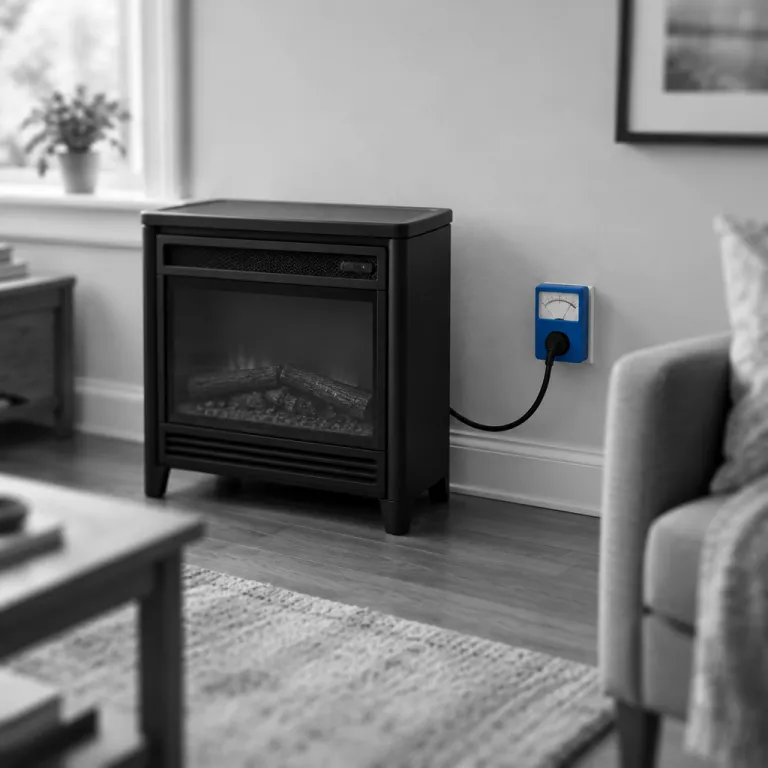
Understanding Electric Fireplace Energy Consumption
Electric fireplaces have gained immense popularity for their charm and efficiency, offering a captivating alternative to traditional heating options like wood burning and natural gas fireplaces. But just how much electricity do they consume? Understanding energy consumption is crucial for those considering an electric heating solution.
Electric Fireplaces vs. Other Heating Options
When it comes to energy usage, electric fireplaces stand out due to their simplicity and cost-effectiveness. Unlike gas fireplaces, which often require professional installation and venting, electric models simply plug into a standard electrical outlet. This can translate to significant cost savings for installation and upkeep.
Electric fireplaces are also cleaner and more energy-efficient compared to wood burning options, which require fuel and produce ash and emissions. The latter aspect is particularly important if you’re looking to minimize your environmental impact.
Understanding the Basics of Energy Use
Typically, an electric fireplace will consume between 1.5 to 2 kilowatts per hour, depending on the model and settings. This means that for each hour of usage, your electricity bill will reflect this power consumption. This rate can seem minimal, but it’s essential to consider how often you plan on running the fireplace. For those chilly winter days when the fireplace is operating several hours a day, costs can add up.
Comparing Costs
The cost efficiency of electric fireplaces is one of their most appealing features. Without the need for chimney maintenance or purchasing wood or natural gas, the costs associated per hour are limited primarily to electricity usage. However, just as with any electric appliance, using energy efficiently is key to keeping your bills manageable.
The modern electric fireplace offers diverse styles and features, including realistic log sets and adjustable heat output, aligning nicely with different user needs and room requirements. Combining these features with the knowledge of energy consumption helps users strike a balance between aesthetics and practicality.
Comparing Electric Fireplaces to Traditional Heating Options
Electric Fireplaces vs. Traditional Heating: A Comparative Look
When deciding on a heating option for your home, it's essential to weigh the pros and cons of electric fireplaces against traditional methods like gas and wood-burning fireplaces. Each has its own set of benefits and drawbacks, particularly when it comes to energy consumption and cost.
Electric fireplaces have become increasingly popular due to their convenience and efficiency. They offer a clean and straightforward way to heat a room without the need for venting or dealing with smoke and ash. In contrast, gas fireplaces, while also convenient, require a connection to a natural gas line and can be less efficient in terms of energy usage.
- Electric Fireplaces: These units convert electricity directly into heat, making them highly efficient. They typically use about 1,500 watts of power, which translates to around 1.5 kilowatt-hours of electricity per hour of use. This means you can enjoy the warmth without worrying too much about the electric bill.
- Gas Fireplaces: While they provide a real flame and can heat a room quickly, gas fireplaces rely on natural gas or propane. The cost of running a gas fireplace can vary depending on the price of gas in your area, and they may not be as energy efficient as their electric counterparts.
- Wood-Burning Fireplaces: These traditional fireplaces offer the ambiance of a real fire but are the least efficient in terms of energy use. They require a steady supply of wood and can result in significant heat loss through the chimney.
In terms of energy efficiency, modern electric fireplaces often come out on top. They can be more efficient than gas fireplaces and certainly more so than wood-burning options. Many electric models include features that enhance their efficiency, such as adjustable thermostats and timers, which allow you to control the heat output and electricity usage more precisely. This aspect is explored further in the discussion on energy efficiency features.
Ultimately, the choice between electric and traditional fireplaces will depend on your specific needs and circumstances. However, for those looking to balance heat output with cost efficiency, electric fireplaces offer a compelling option.
Factors Affecting Electricity Usage
Influencing Factors in Electricity Usage
When it comes to using energy efficiently, knowing what affects an electric fireplace's electricity usage is half the battle. Let's dig into the main elements that dictate how much power these fireplaces need and what that means for running costs.- Size of Your Room: The room's size where your electric fireplace operates plays a crucial role in power consumption. More massive spaces demand more energy to maintain a warm environment, leading to increased power draw and higher costs. On the other hand, using a fireplace in a small, well-insulated room can be a pleasant surprise as it requires less energy to heat.
- Heat Output Settings: Modern electric fireplaces often come with adjustable heat output settings. Lowering the heat not only reduces electricity usage but can also extend the hours you can comfortably run your fireplace without skyrocketing your electric bill.
- Usage Duration:The longer your fireplace runs, the more electricity it consumes. Even if an electric fireplace is energy efficient, operating it for prolonged hours can rack up costs. Monitoring the hours it runs each day is vital to keep the electricity usage in check.
- Energy Efficiency Features: Newer models often integrate advanced energy-efficient elements, like timers or thermostat control, which help manage electricity consumption. These features allow for a customized heating approach that can adjust when nobody is home or when the room temperature reaches a certain level.
- Log Sets or Flame Effects: Many electric fireplaces offer realistic log sets and flame effects independent of the heating function. Utilizing these without engaging heat can create ambiance while keeping usage surprisingly low, perfect for enhancing home ambiance with realistic electric fires.
Energy Efficiency Features of Modern Electric Fireplaces
Smart Designs with a Modern Touch
Modern electric fireplaces are not just about style; they come packed with energy efficiency features that make them an attractive option for cost and energy-conscious individuals. With their advanced technology, these units can often outshine traditional wood or gas fireplaces in energy savings.Energy-Efficient Heating Mechanisms
Many electric fireplaces utilize LED technology, which means they consume less power while providing a visually appealing flame effect. Unlike incandescent bulbs, LEDs are more durable and can last for thousands of hours, reducing replacement costs and enhancing efficiency.Adjustable Heat Output for Custom Comfort
Electric fireplaces often include thermostats and adjustable heat settings. This feature allows you to control the temperature to meet your comfort needs without wasting electricity. You can set it to operate at a lower output just to warm a room or increase it when more heat is necessary, optimizing electricity usage across different hours of the day.Timers for Better Energy Management
Another impressive energy-saving feature is the programmable timer. You can set your fireplace to turn off at specific times, ensuring that you don't leave it running longer than needed. This reduces unnecessary energy consumption and helps lower your electricity bills over time.Impressive Performance with Minimal Waste
In comparison to wood-burning or gas fireplaces, electric models are often touted for zero emissions. This means not only do they operate without producing direct pollution, but they also eliminate the worries about drafts that can waste heat in vented systems, making them a more efficient choice for everyday heating needs. With these smart designs and innovations, electric fireplaces offer a sophisticated way to keep your home warm without breaking the bank on energy costs. Keeping these features in mind can help when determining the best model for your heating preferences and lifestyle.Calculating the Cost of Running an Electric Fireplace
Estimating the Power Costs of Your Electric Fireplace
Determining how much your electric fireplace will add to your electric bill begins with understanding its power usage. Electric fireplaces typically consume electricity in kilowatt hours (kWh), a standard unit of energy consumption. To figure out the costs, you’ll need just a few pieces of information:- Power Rating: Most electric fireplaces come with a power rating label, expressed in watts, which indicates the heat output. For example, a common rating is around 1,500 watts, meaning it uses 1.5 kilowatts (kW) per hour of running time.
- Hours of Operation: Think about how many hours a day you plan to run your electric fireplace. Is it just to take the chill off in the mornings or are you cranking it up for several hours each chilly evening?
- Electricity Rate: Your local utility bills reflect how much you pay per kilowatt hour. Rates can vary substantially depending on location and provider.
- Convert Watts to Kilowatts: \[ \text{Kilowatts (kW)} = \frac{\text{Watts}}{1000} \]
- Calculate Daily Energy Consumption: \[ \text{kWh per Day} = \text{Kilowatts} \times \text{Hours of Operation} \]
- Estimate Cost: \[ \text{Daily Cost} = \text{kWh per Day} \times \text{Electricity Rate per kWh} \]
Tips for Reducing Electricity Usage
Smart Practices to Minimize Power Consumption Without Losing Heat
When it comes to keeping cozy during the colder months with your electric fireplace, you don't have to dread the sight of your electric bill. Smart usage and efficiency tactics can significantly cut down on electricity consumption without sacrificing warmth.- Use the Thermostat Wisely: Many modern electric fireplaces come equipped with built-in thermostats. Adjusting the thermostat to maintain a steady, comfortable room temperature prevents unnecessary heating and excessive power usage.
- Opt for Zone Heating: Focus on heating only the areas you use the most. This ensures the electricity is directed efficiently, rather than heating the entire house. Zone heating can reduce costs, especially compared to whole-home heating systems like central or gas fireplaces.
- Take Advantage of Timers: If your fireplace has a timer function, set it to turn off after a certain number of hours. This is particularly useful for overnight use, preventing the fireplace from running all night long.
- Utilize LED and Efficient Settings: Many electric fireplaces feature LED flames, which consume less power than traditional bulbs. Using lower heat settings during mild weather can also save on electric costs while maintaining ambiance.
- Regular Cleaning and Maintenance: Just like any other appliance, regular maintenance of your electric fireplace can optimize its performance and efficiency. Dusting and ensuring there are no blockages can help minimize unnecessary power loss.
- Supplement Powerful Settings: On particularly cold days, consider using supplemental heat sources, like electric blankets or heaters. This takes the pressure off the fireplace and saves energy without compromising comfort.