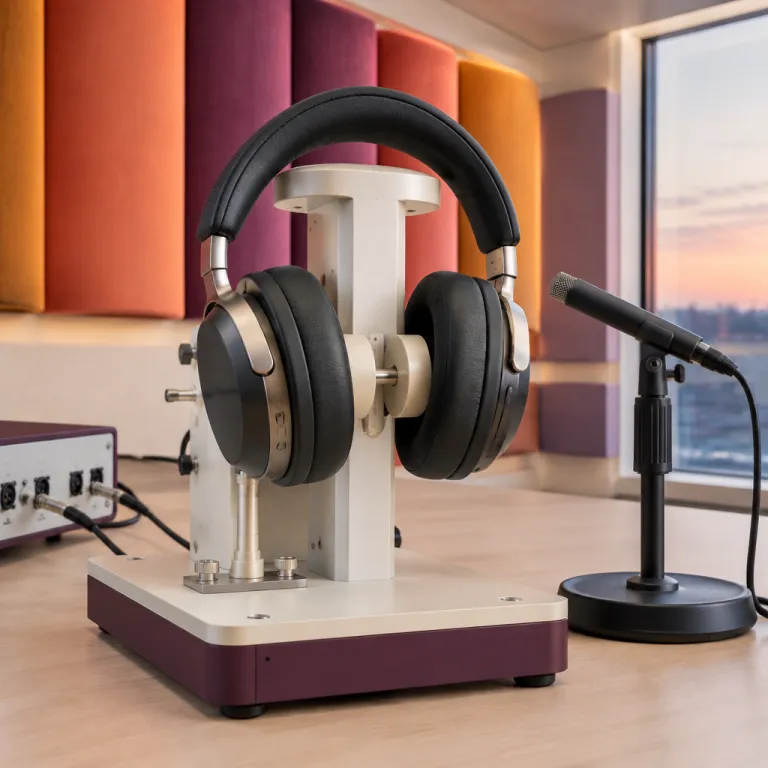
Why the most expensive headset fascinates demanding listeners
The phrase most expensive headset immediately raises questions about value. When a headphone crosses into extremely high price territory, listeners expect the best headphone experience that technology and craftsmanship can offer. In this rarefied space, every element from materials to electrostatic systems must perform extremely well.
People who buy these expensive headphone models are not simply chasing status. They are usually chasing the best headphones for lifelike sound, precise imaging, and a feeling that each headphone heard disappears between the music and the listener. This is where electrostatic headphones, ultra high drivers, and reference grade amplifiers combine into a single coherent product system.
Brands like Sennheiser and Focal compete fiercely in this high headphones segment. The legendary Sennheiser headphones at the top of the range use an electrostatic system that demands a dedicated amplifier, while the Focal Utopia line focuses on dynamic drivers with extremely well defined control. Both approaches aim to deliver sound quality that justifies a price that can exceed several thousand euros for a single pair headphones.
For many readers, the main content question is whether such a headset is worth the price. Reviews and each expert review rating often highlight that the most expensive headset is not automatically the best for every listener, especially if wireless features or portability matter more than absolute audio purity. Still, in noise canceling headphones, these flagships set the benchmark that more affordable headphones best try to reach.
Inside the technology of electrostatic and dynamic flagships
At the summit of the most expensive headset market, electrostatic headphones occupy a special niche. An electrostatic headphone uses an ultra thin diaphragm suspended between charged plates, creating sound with astonishing speed and low distortion. This design can produce sound quality that many reviewers describe as the most transparent headphone experience available.
However, such a system is complex, and the product always requires a dedicated energizer or amplifier. When you buy this kind of expensive headphone, you are effectively buying an integrated audio system, not just a single headset. That is why the final price often includes both the headphone and a matching amplifier tuned extremely well to its electrostatic drivers.
Dynamic flagships like Focal Utopia take a different route to the best headphone performance. Instead of electrostatic drivers, they rely on meticulously engineered dynamic transducers with lightweight cones and powerful magnets, aiming for well defined bass and a natural midrange. Many reviews praise these high headphones for combining reference level sound with more conventional amplification, making them easier to integrate into an existing audio setup.
For readers comparing these technologies, it helps to skip content that focuses only on brand prestige and focus instead on measurable performance. Detailed reviews, including those that explain how to choose the best IEM earbuds for immersive noise canceling listening, show how driver design, enclosure geometry, and damping materials shape the final sound. In both singular and plural forms, the best headphones and best headphone systems share one trait, they treat engineering and tuning as seriously as luxury design.
Noise canceling, wireless freedom, and the price of convenience
When evaluating the most expensive headset, many people now expect advanced wireless features and active noise canceling. High end wireless headphones and wireless headsets combine Bluetooth, adaptive ANC, and sophisticated microphones to create a quiet bubble for travel or office work. Yet the trade off between absolute sound quality and wireless convenience remains central to any serious review.
Traditional audiophile wisdom favored wired headphones best for critical listening. However, modern wireless systems with high bitrate codecs and low latency links have narrowed the gap, especially in high headphones designed for both studio and travel. A premium wireless headset can now deliver sound that many listeners consider extremely well balanced, even if purists still prefer a wired headphone for the final word in resolution.
Noise canceling performance also influences the perceived value of an expensive headphone. A headset with mediocre ANC but excellent audio may still receive a lower rating in mainstream reviews, because real world users care about comfort, isolation, and ease of use. This is why some of the most expensive headset models integrate adaptive algorithms that analyze ambient sound in real time.
For travelers, a detailed review of top wired noise cancelling earbuds for airplane travel can provide useful context when comparing full size headphones. Earbuds and over ear models solve similar problems with different compromises in comfort, battery life, and portability. In both cases, the main content of any serious review should explain how well the product balances sound quality, noise canceling, and price for its intended audience.
Flagship brands, from Sennheiser to Warwick Acoustics
Among the brands competing for the title of most expensive headset, Sennheiser and Warwick Acoustics stand out for their electrostatic systems. Sennheiser headphones at the summit of the range pair an electrostatic headphone with a tube hybrid amplifier, creating a self contained audio system that many reviewers regard as a reference. Warwick Acoustics follows a similar philosophy, integrating amplifier and electrostatic headphones into a single chassis for optimal control.
Dynamic driver specialists like Focal position the Focal Utopia as a best headphone candidate in the dynamic category. These high headphones emphasize mechanical precision, rigid yet lightweight driver materials, and open back designs that prioritize natural sound over isolation. In reviews, listeners often compare the headphone experience of Focal Utopia with electrostatic rivals, debating whether the extra price of an electrostatic system is justified.
Professional users also look at pro oriented models that may not be the absolute most expensive, but still qualify as expensive headphone tools for studio work. A pro headset must combine durability, consistent sound, and accurate imaging, even if it sacrifices some luxury materials. For these users, the best headphones are often those that translate mixes reliably rather than impressing with lush coloration.
Gamers and hybrid users may gravitate toward a multi system gaming headset that blends high quality audio with low latency wireless links. A detailed test of a multi system gaming headset with neodymium magnetic drivers and long battery life shows how far this segment has evolved. In such reviews, the rating often reflects not only sound quality but also microphone clarity, comfort, and how well the headset integrates with PC, consoles, and mobile devices.
How to read reviews, ratings, and technical claims
For anyone evaluating the most expensive headset, learning to interpret reviews and ratings is essential. A single glowing review of a headphone or headset can be persuasive, but patterns across many reviews matter more than isolated praise. Look for reviewers who explain how the product behaves across multiple genres, devices, and listening environments.
When a product is described as the best headphone or among the best headphones, examine the criteria behind that claim. Some reviewers prioritize sound quality above all, while others weigh wireless features, ANC, and comfort equally with audio performance. A transparent review will separate subjective impressions from measurable data such as frequency response, distortion, and channel matching.
Price also needs context, especially in the high headphones tier. An expensive headphone may offer only marginal improvements over a midrange pair headphones for many listeners, particularly if their source audio or amplifier is limited. That is why experienced buyers consider the entire audio system, including DACs, amplifiers, and even room noise, before deciding to buy a flagship headset.
Responsible publishers also maintain a clear privacy policy and label affiliate links, which helps readers trust that the main content is not unduly influenced by commissions. When browsing a site, you may see options to skip main or skip content, which improve accessibility but also signal a structured, user centric design. Such details, while not about sound directly, contribute to the overall credibility of any headphone reviews you rely on.
Practical buying advice for high end noise canceling headphones
Before you buy what marketing calls the most expensive headset, define your priorities clearly. If you mainly listen at home in a quiet room, a wired headphone with open back design may offer the best headphone experience for the price. For commuters and travelers, a wireless headset with strong ANC and long battery life may be the best headphones choice, even if ultimate sound quality is slightly lower.
Auditioning several expensive headphone models is crucial, because comfort and fit vary widely. A pair headphones that sounds excellent in a review may feel heavy or clamp too tightly on your head. Whenever possible, test both electrostatic headphones and dynamic flagships like Focal Utopia with familiar tracks, paying attention to how well defined instruments and voices appear in the soundstage.
Consider also the long term system implications of your purchase. An electrostatic system from Sennheiser or Warwick Acoustics locks you into a specific amplifier, while a dynamic high headphones model can pair with a wide range of DACs and amps. This flexibility may influence whether the higher price of a closed ecosystem is justified for your needs.
Finally, remember that headphones best for one listener may not suit another, even at the same budget. Some people value analytical sound quality, while others prefer a warmer, more relaxed tuning that makes every headphone heard feel inviting. By combining careful reading of reviews, attention to rating details, and honest assessment of your listening habits, you can choose a product that feels not only expensive but also extremely well matched to your life.
Key statistics about high end noise canceling headphones
- Up to 30 dB of active noise reduction is common among premium noise canceling headphones, significantly lowering perceived cabin or office noise.
- Battery life for high end wireless headsets often ranges between 30 and 60 hours of playback with ANC enabled, depending on volume and codec.
- Flagship electrostatic headphone systems can exceed several thousand euros, especially when bundled with dedicated amplifiers.
- Surveys of audiophile communities frequently show that more than half of respondents prioritize sound quality over wireless convenience when choosing an expensive headphone.
Questions people also ask about the most expensive headset
Are the most expensive headsets really worth the price for most listeners ?
For many people, the most expensive headset offers only incremental improvements over midrange models, especially if they listen to compressed streaming audio or use basic sources. However, for experienced listeners with high quality sources and quiet environments, the gains in sound quality, comfort, and build can feel substantial. The decision ultimately depends on how much you value subtle improvements and whether your overall system can reveal them.
What makes electrostatic headphones more expensive than regular models ?
Electrostatic headphones require ultra precise manufacturing, specialized materials, and dedicated amplifiers, all of which increase cost. Their diaphragms are extremely thin and must be tensioned and aligned with great accuracy to achieve low distortion and fast transient response. This complexity, combined with relatively low production volumes, explains why many electrostatic systems sit at the top of the price range.
How do noise canceling features affect sound quality in high end headsets ?
Active noise canceling relies on microphones and digital processing, which can introduce subtle changes to the sound signature. In well engineered high end headsets, designers tune the ANC system to minimize artifacts and preserve a natural tonal balance. Some listeners still prefer using ANC only in noisy environments and switching it off at home to enjoy the purest possible sound.
Should I choose a wired or wireless headset if I care about audio fidelity ?
Wired headsets still offer the most straightforward path to maximum fidelity, because they avoid compression and latency associated with wireless transmission. That said, modern wireless codecs and high quality implementations have narrowed the gap enough that many listeners find premium wireless models entirely satisfying. If you prioritize convenience and mobility, a top tier wireless headset can be an excellent compromise, while purists may still favor wired options.
How important are reviews and ratings when choosing an expensive headphone ?
Reviews and ratings provide valuable context about comfort, reliability, and real world performance that specifications alone cannot convey. Reading multiple reviews from different publications helps you identify consistent strengths and weaknesses rather than relying on a single opinion. Combined with personal listening tests whenever possible, this approach gives you the best chance of choosing a headset that truly matches your expectations.