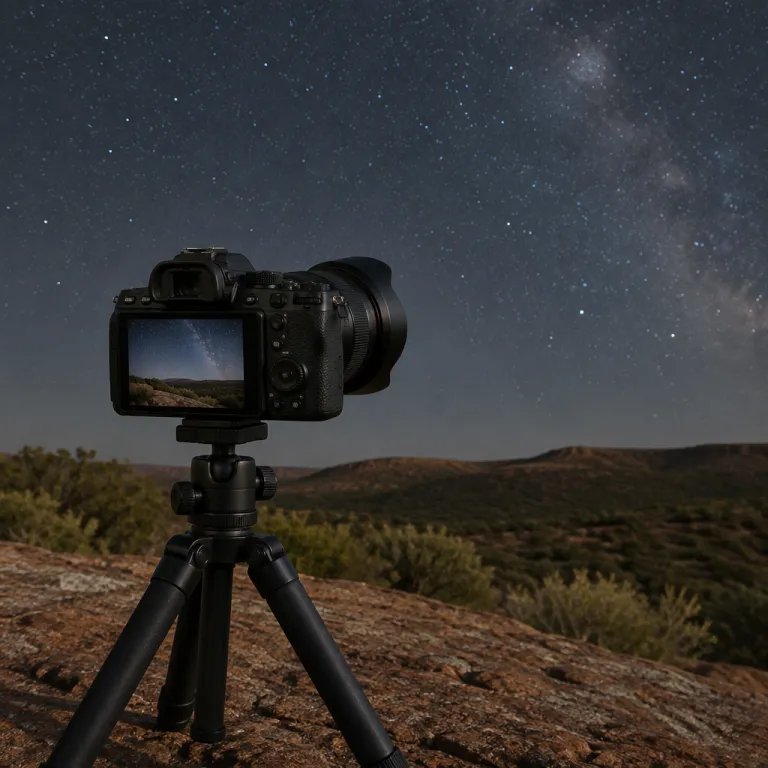
Understanding the challenges of night photography
Why Night Photography is Challenging
Capturing the night sky or city lights can be magical, but it comes with unique challenges. The main issue is low light, which makes it difficult for cameras to capture sharp, high-quality photos without introducing noise or blur. Even the best camera can struggle if it isn’t designed for these conditions. Night photography often pushes your gear to its limits, especially when you want to reveal details in both the darkest shadows and the brightest highlights.
Common Issues in Low Light Conditions
- Noise: When shooting at night, cameras often increase ISO to brighten the image, but this can add grain and reduce image quality.
- Focus: Autofocus systems may have trouble locking onto subjects in the dark, making it hard to get sharp photos.
- Motion Blur: Longer exposures are needed to let in more light, but this can cause blur if the camera or subject moves.
- Dynamic Range: The contrast between bright lights and dark skies can be tough for many cameras to handle, leading to lost details.
How Camera Gear Impacts Night Photography
The right photography gear can make a huge difference. Full frame cameras and mirrorless cameras generally perform better in low light, offering improved dynamic range and less noise. Lenses with a wide aperture (like f/1.8 or f/2.8) allow more light to reach the sensor, which is crucial for night and sky photography. The choice between crop sensor and full frame cameras will also affect your results, especially when capturing the night sky or cityscapes.
If you’re on a budget, there are still good options available, but knowing what features matter most will help you get the best camera for your needs. In the next sections, we’ll explore which features to prioritize, compare popular models from brands like Canon, Sony, and Nikon, and discuss the best lenses for night photography. For those looking to enhance their night photos in post-processing, check out these free Photoshop actions for night photography to boost your results.
Key features to look for in a night photography camera
What Makes a Camera Stand Out for Night Photography?
When it comes to capturing the night sky or low light scenes, not every camera or lens will deliver the same results. The best camera for night photography should have features that help you get clear, sharp, and vibrant photos even when the light is scarce. Here are the key aspects to consider when comparing your options:
- Sensor Size and Type: Full frame cameras are generally the top option for night photography because their larger sensors gather more light, resulting in better image quality and less noise. Crop sensor cameras can be a budget-friendly alternative, but they may struggle more in low light conditions.
- High ISO Performance: A camera’s ability to shoot at high ISO without introducing too much noise is crucial for night and sky photography. Look for cameras with strong high ISO capabilities, such as recent models from Sony, Canon, and Nikon.
- Wide Dynamic Range: Night scenes often have bright lights and deep shadows. Cameras with a wide dynamic range will help you capture more detail in both the highlights and the dark areas of your photos.
- Lens Compatibility: The camera body is only part of the equation. Make sure your camera supports a range of lenses night photographers love, such as wide angle lenses with large apertures (f/2.8 or wider). These lenses let in more light, which is essential for night sky and low light photography.
- Manual Controls: Being able to manually adjust settings like shutter speed, aperture, and ISO is important for getting the best results at night. Mirrorless cameras and DSLRs from brands like Nikon, Canon, and Sony usually offer robust manual controls.
- Autofocus in Low Light: Some cameras struggle to focus in the dark. Look for models with reliable autofocus systems that perform well in low light, especially if you plan to shoot moving subjects or want quick setup times.
- Budget and Gear Options: While full frame cameras and high-end lenses offer the best quality, there are budget options that can still deliver impressive results. Consider what gear you already have and what new equipment will fit your needs and budget.
For those interested in expanding their photography gear for night shooting, including UAVs and specialized technology, check out this guide on enhancing UAV capabilities with night vision technology.
Choosing the right camera and lens combination will set the foundation for your night photography journey. In the next sections, we’ll look at how sensor types impact low light performance and review some of the best camera models for capturing the night sky.
Sensor types and their impact on low-light performance
How Sensor Size Shapes Night Photography
When capturing the night sky or low light scenes, the camera sensor is the heart of your gear. The sensor size directly impacts how much light your camera can gather, which is crucial for night photography. Full frame cameras are often considered the best option for night and sky photography because their larger sensors collect more light, resulting in better image quality and less noise at high ISO settings. Crop sensor cameras, while more budget-friendly, have smaller sensors and may struggle more in low light, but they can still deliver good results with the right lenses and settings.
Sensor Technology: CMOS, BSI, and More
Most modern cameras, including popular models from Canon, Sony, and Nikon, use CMOS sensors. Some advanced options feature back-illuminated (BSI) CMOS technology, which enhances low light performance by allowing more light to reach the sensor's photodiodes. This is especially helpful for night sky photography, where every bit of light counts. Mirrorless cameras often lead the way in sensor innovation, offering excellent dynamic range and high ISO capabilities for night photos.
Resolution vs. Low Light Performance
While a high-resolution sensor can deliver stunning detail, it’s important to balance resolution with low light performance. More megapixels mean smaller individual pixels, which can increase noise in night photos. For night photography, a camera with moderate resolution and larger pixel size is often the best camera option, as it will handle low light better and produce cleaner images of the night sky.
Comparing Sensor Types for Night Photography
| Sensor Type | Light Gathering Ability | Best For | Budget |
|---|---|---|---|
| Full Frame | Excellent | Night sky, professional photography | High |
| Crop Sensor (APS-C) | Good | Entry-level, budget options | Moderate |
| Micro Four Thirds | Fair | Travel, lightweight gear | Lower |
Choosing the right sensor type depends on your budget, preferred photography gear, and the quality you expect from your night photos. Remember, pairing your camera body with a fast, wide angle lens will further improve your results in low light. For a deeper dive into how different camera technologies influence creative photography, check out this guide on creative camera techniques.
Top camera models for night photography
Popular Choices for Capturing the Night Sky
When searching for the best camera for night photography, it’s important to consider models that excel in low light, offer high ISO performance, and deliver impressive image quality. Here’s a look at some standout options across different budgets and needs.
- Full Frame Mirrorless Cameras: These are often the top choice for night sky photography due to their larger sensors and superior dynamic range. Cameras like the Sony A7 series and Canon EOS R series are known for their excellent low light capabilities and high ISO performance. They allow you to capture more detail and less noise in your night photos.
- DSLR Options: If you prefer a DSLR, models such as the Nikon D850 or Canon EOS 6D Mark II offer strong low light performance and robust build quality. These cameras are reliable for long exposures and can handle a variety of lenses for night photography.
- Budget-Friendly Crop Sensor Cameras: For those on a budget, crop sensor cameras like the Sony A6400 or Canon EOS M50 Mark II provide good results in low light, especially when paired with a fast, wide angle lens. While they may not match full frame cameras in dynamic range, they are lighter and more affordable, making them a practical option for beginners.
Lens Selection Matters
The camera body is only part of the equation. Pairing your camera with the right lens is crucial for night photography. Wide angle lenses with a large maximum aperture (such as f/1.4 or f/2.8) allow more light to reach the sensor, which is essential for capturing the night sky or low light scenes. Look for lenses that minimize distortion and offer sharpness across the frame, especially if you’re interested in sky photography or shooting the night sky.
Other Noteworthy Features
- High ISO Performance: Cameras that maintain image quality at high ISO settings are ideal for night photography. This helps reduce noise in your photos when shooting in very low light.
- Good Autofocus in Low Light: Some cameras, especially newer mirrorless models, offer advanced autofocus systems that perform well even in dim conditions.
- Weather Sealing: Night photography often means shooting outdoors, sometimes in challenging conditions. A weather-sealed camera body and lens can be a valuable investment for protecting your gear.
Ultimately, the best camera for night photography will depend on your budget, preferred shooting style, and the type of photography gear you already own. Whether you choose a full frame camera, a reliable DSLR, or a budget-friendly crop sensor model, pairing it with the right lens and accessories will help you achieve high quality results in the night.
Useful accessories for night photography
Essential Gear to Enhance Your Night Photography
When you’re shooting the night sky or cityscapes after dark, the right accessories can make a significant difference in your results. While your camera body and lens are crucial, supporting gear helps you maximize image quality and stability in low light conditions.- Sturdy Tripod: A solid tripod is a must for night photography. Long exposures are common when capturing the night sky or low light scenes, and even the best camera will produce blurry photos without stability. Look for a tripod that supports your camera’s weight and is easy to transport.
- Remote Shutter Release or Intervalometer: Pressing the shutter button can introduce vibrations. A remote release or intervalometer allows you to trigger the camera without touching it, ensuring sharper images, especially for long exposures or time-lapse sky photography.
- Fast, Wide Angle Lenses: A lens with a wide aperture (like f/1.4 or f/2.8) lets in more light, which is ideal for night and low light photography. Wide angle lenses (14mm to 35mm on full frame cameras) are popular for capturing expansive night sky scenes. For crop sensor cameras, consider lenses with a shorter focal length to achieve a similar field of view.
- Extra Batteries and Memory Cards: Long exposures and cold nights can drain batteries quickly. Bring spares, and always have extra memory cards on hand for high-resolution photos.
- Lens Warmer or Anti-Fog Solutions: When shooting outdoors at night, condensation can form on your camera lens, especially during long sessions. Lens warmers or anti-fog wipes help keep your gear clear and ready.
- Headlamp with Red Light Mode: A headlamp frees your hands and helps you adjust settings in the dark. Red light preserves your night vision, making it easier to see the sky and your camera controls.
- Protective Camera Bag: Night photography often means traveling to remote locations. A padded, weather-resistant bag protects your camera, lenses, and accessories from the elements.
Choosing Accessories for Your Camera System
Whether you use mirrorless cameras or DSLRs from brands like Canon, Sony, or Nikon, make sure your accessories are compatible with your camera body and lens mount. For example, some remote shutter releases are model-specific, and not all tripods support heavier full frame cameras. Investing in quality gear ensures you get the best results from your night photography setup, regardless of your budget or camera brand. Selecting the right accessories is just as important as choosing the best camera or lens. With the right support, you’ll be able to capture stunning night photos with improved dynamic range, sharpness, and overall image quality.Practical tips for better night photography results
Mastering Focus and Exposure in Low Light
Night photography often pushes your camera’s autofocus and exposure systems to their limits. To get sharp, well-exposed photos, use manual focus when your camera struggles to lock onto the night sky or dimly lit scenes. Live View and focus magnification can help you fine-tune your focus, especially with wide angle lenses. For exposure, try using your camera’s histogram to avoid underexposed shadows or blown-out highlights. Bracketing exposures is a good option for scenes with a wide dynamic range, such as cityscapes or starry skies.
Stabilizing Your Gear for Crisp Night Shots
Camera shake is a common issue in night photography due to longer shutter speeds. A sturdy tripod is essential for keeping your camera body stable. Use a remote shutter release or your camera’s self-timer to minimize vibrations. If your lens or camera has image stabilization, it can help when shooting handheld, but remember to turn it off when using a tripod for best results.
Optimizing Camera Settings for Night Scenes
- ISO: Don’t be afraid to raise your ISO, especially with modern full frame cameras from brands like Sony, Nikon, or Canon. High ISO performance has improved, but always check your image quality for noise.
- Aperture: Use a wide aperture (low f-number) to let in more light. Fast lenses night, such as f/1.4 or f/2.8, are ideal for capturing the night sky or low light scenes.
- Shutter Speed: Adjust your shutter speed based on your subject. For static night landscapes, longer exposures work well. For sky photography or capturing stars, use the 500 rule (500 divided by your lens’s focal length) to avoid star trails.
Making the Most of Your Lenses and Accessories
Wide angle lenses are popular for night sky photography because they capture more of the frame and allow longer exposures without star trails. Consider using a lens hood to reduce lens flare from streetlights or passing cars. Extra batteries are a must, as long exposures and cold nights drain power quickly. A headlamp with a red light helps you adjust your gear without ruining your night vision.
Post-Processing for Enhanced Night Images
Even the best camera and lens options can benefit from thoughtful editing. Use software to reduce noise, boost contrast, and bring out details in the shadows and highlights. Shooting in RAW format gives you more flexibility to adjust exposure and color balance, ensuring your night photos look their best.