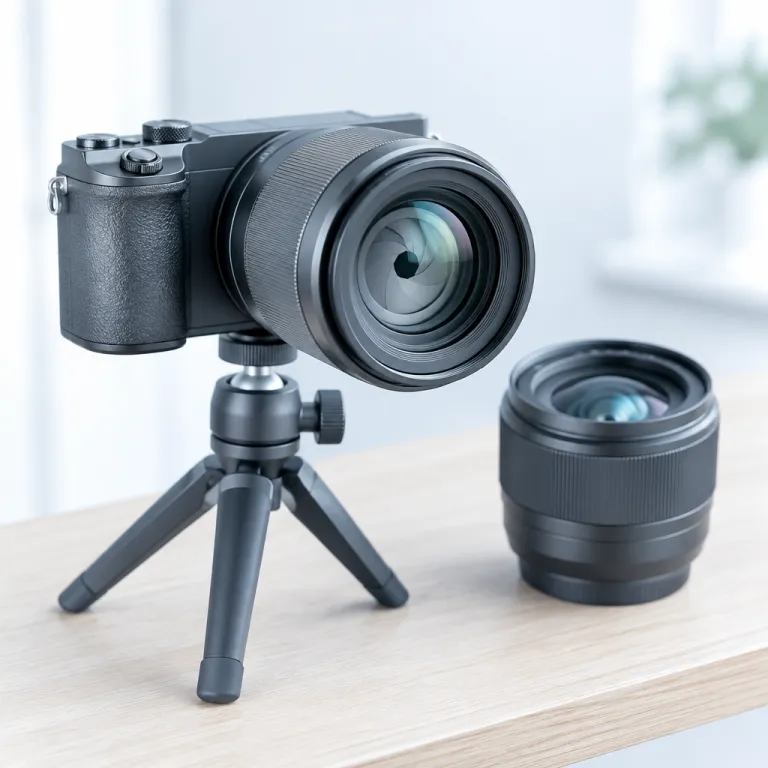
Understanding what makes a lens great for portraits
What Sets a Portrait Lens Apart?
When searching for the best lens for portrait photography, it’s important to know what truly makes a lens great for capturing people. Portrait lenses are designed to flatter subjects, create beautiful background blur (bokeh), and deliver sharp, high-quality images. Whether you’re shooting family portraits or professional headshots, the right lens can make a significant difference in your results.
Why Bokeh and Depth of Field Matter
One of the most valued features in portrait lenses is the ability to produce a shallow depth of field. This effect, often called bokeh, helps separate your subject from the background, making them stand out. Lenses with a fast aperture (like f/1.4 or f/1.8) are ideal for this, as they allow you to shoot wide open and achieve that creamy blur. Both Canon and Sony offer excellent options in this category, including the popular Canon USM and Sony Master series.
Image Quality and Focal Length
Image quality is crucial for portraits. Look for lenses that deliver sharpness, accurate color, and pleasing contrast. The focal length of your lens also plays a big role. Classic portrait lenses often fall between 50mm and 135mm on a full frame camera. This range helps avoid distortion and provides a natural perspective for faces. For those using compact lightweight cameras or sony mount systems, there are many budget-friendly and image stabilization options available.
Choosing the Right Lens for Your Camera
Whether you shoot with Canon, Nikon, or Sony, each brand offers a variety of portrait lenses tailored to different needs and price points. From the best Canon portrait lens to versatile lens Sony options, it’s important to match your lens to your camera body and shooting style. If you’re new to portrait photography, reading a review or two can help you decide which lens fits your goals and budget.
For a deeper dive into how lens choice impacts your composition, check out this guide on mastering the art of nose room in camera shots.
Prime vs zoom lenses for portrait photography
Prime or Zoom: Which Lens Type Suits Your Portrait Style?
When it comes to portrait photography, one of the first choices you’ll face is between prime and zoom lenses. Each type has its own strengths, and understanding these can help you select the best lens for your needs, whether you’re shooting family portraits, professional headshots, or creative images with beautiful bokeh.
- Prime Lenses: These lenses have a fixed focal length, such as 50mm or 85mm. Primes are often praised for their fast aperture, which allows for a shallow depth of field and creamy background blur. This makes them great for isolating your subject and achieving that classic portrait look. Prime lenses, like the Canon USM or Sony Master series, are known for their sharp image quality and wide open performance, even in low light.
- Zoom Lenses: Zooms offer a range of focal lengths in one lens, such as 24-70mm or 70-200mm. This flexibility is ideal if you need to quickly adjust your framing without changing lenses, especially during dynamic portrait sessions or family events. Modern zooms from Canon, Sony, and Nikon deliver impressive image quality and often include image stabilization, making them reliable for handheld shooting.
Choosing between prime and zoom depends on your shooting style, budget, and the type of portraits you want to create. Primes are typically more compact and lightweight, and they often come at a lower price for similar image quality. Zooms, on the other hand, offer unmatched versatility and can cover multiple focal lengths, which is handy if you want to experiment with different perspectives or work in varied locations.
If you’re looking for more guidance on selecting the best lens for family portraits or want to compare popular options, check out this guide to choosing the perfect lens for capturing family portraits. It covers practical tips and reviews to help you make an informed decision, whether you’re using a full frame camera or an APS-C sensor.
Ultimately, the best portrait lens is the one that fits your creative vision, camera system, and budget. Both prime and zoom lenses can deliver stunning results in portrait photography, so consider what features matter most to you—be it fast aperture, compact design, or the flexibility of multiple focal lengths.
Key features to look for in a portrait lens
Aperture and Depth of Field: The Portrait Look
One of the most important aspects of a great portrait lens is its aperture. A fast aperture, such as f/1.4 or f/1.8, allows more light into the camera, making it easier to shoot in low light and create that creamy bokeh effect. Bokeh refers to the quality of the out-of-focus areas in your image, helping your subject stand out against a soft background. This is especially valued in portrait photography, as it draws attention to faces and expressions.
- Wide open aperture (like f/1.4 or f/1.8) gives you a shallow depth of field, perfect for isolating your subject.
- Image quality often improves as you stop down the lens slightly, but shooting wide open is popular for portraits.
Focal Length and Framing
The focal length of your lens affects both the perspective and the working distance between you and your subject. For family portraits or single-subject photography, lenses in the 85mm to 135mm range on full frame cameras are considered classic choices. These focal lengths offer flattering compression and help avoid distortion. On APS-C cameras, a 50mm lens gives a similar field of view to an 85mm on full frame.
- Popular focal lengths for portrait lenses include 50mm, 85mm, and 135mm.
- Consider your camera type (full frame or crop sensor) when choosing the best focal length for your needs.
Autofocus, Stabilization, and Build
Modern portrait lenses from brands like Canon, Sony, and Nikon often feature fast, silent autofocus motors (such as Canon USM or Sony Master series). This is crucial for capturing sharp images, especially with moving subjects or when shooting wide open. Image stabilization is another feature to look for, particularly if you shoot handheld in low light. Compact lightweight designs are also appreciated for family sessions or on-location shoots.
- Image stabilization helps reduce blur from camera shake, especially with longer focal lengths.
- Weather-sealed and robust build quality add durability for outdoor portrait photography.
Compatibility and Mount Options
Make sure the lens you choose is compatible with your camera system. Canon lens options include EF and RF mounts, while Sony users can look for E-mount or Sony Master lenses. Nikon offers F-mount and Z-mount portrait lenses. Each system has its own strengths, so check reviews and consider what fits your photography style and budget.
Balancing Price and Performance
Price is always a factor. Some of the best portrait lenses come at a premium, but there are also budget-friendly options that deliver great image quality. Look for lenses that offer a good balance between fast aperture, sharpness, and build quality. If you want to explore more about capturing stunning images in challenging lighting, check out this guide to the ideal camera for night scenes.
Popular focal lengths for portrait lenses
Why Focal Length Matters in Portrait Photography
When choosing the best lens for portrait photography, understanding focal length is essential. The focal length of a lens, measured in millimeters, influences how your subject appears and how much of the background is included in the frame. For portraits, the right focal length can flatter facial features, create pleasing background blur (bokeh), and help you control depth of field.
Popular Choices for Portrait Lenses
- 85mm: Widely considered the classic portrait focal length, 85mm lenses (like the Canon USM or Sony Master) offer a natural perspective and beautiful bokeh. They are great for headshots and family portraits, especially on full frame cameras.
- 50mm: Known as the "nifty fifty," this focal length is versatile and often budget-friendly. A 50mm lens works well for both full body and close-up portraits, and is available in compact lightweight designs for both Canon and Sony mounts.
- 70-135mm: Zoom lenses covering this range, such as the popular 70-200mm, provide flexibility for different portrait styles. They allow you to shoot from a comfortable distance and compress facial features for a flattering look. Many offer fast apertures and image stabilization for sharp images even in lower light.
- 35mm: While wider than traditional portrait lenses, a 35mm lens can be great for environmental portraits, capturing more of the scene and context around your subject. It’s a favorite for lifestyle and family photography, especially on full frame cameras.
How Sensor Size Affects Focal Length Choice
Keep in mind that the best focal length for your portrait lens depends on your camera’s sensor size. On APS-C cameras, a 50mm lens acts more like a 75mm due to the crop factor, making it a strong choice for portraits. Full frame cameras will give you the true focal length as labeled on the lens.
Balancing Bokeh, Depth of Field, and Image Quality
Lenses with fast apertures (like f/1.4 or f/1.8) at these focal lengths allow you to shoot wide open, creating a shallow depth of field and smooth bokeh. This helps your subject stand out from the background and enhances image quality. Whether you choose a prime or zoom, look for lenses that deliver sharp images and pleasing background blur for the best portrait results.
- 85mm f/1.8 (Canon, Nikon, Sony): Excellent balance of price, image quality, and bokeh
- 50mm f/1.4 or f/1.8: Compact, lightweight, and budget-friendly
- 70-200mm f/2.8: Professional choice for versatility and image stabilization
Budget-friendly options for portrait lenses
Affordable Portrait Lenses That Deliver Quality
Finding the best portrait lens doesn’t always mean spending a fortune. Many brands, including Canon, Sony, and Nikon, offer budget-friendly options that still provide great image quality and beautiful bokeh for family portraits or professional photography. Here’s what to consider when looking for a lens that balances price and performance:
- Prime Lenses: Entry-level 50mm and 85mm prime lenses are often compact, lightweight, and feature a fast aperture. These are popular choices for portrait photography because they offer a shallow depth of field and pleasing background blur, even at a lower price point.
- Third-Party Brands: Sigma and Tamron produce portrait lenses for Canon, Sony, and Nikon mounts. These lenses often match or exceed the image quality of first-party options at a more affordable price.
- Older Models: Previous-generation lenses, such as the Canon USM or older Sony Master lenses, can be found at reduced prices. While they may lack the latest image stabilization or autofocus tech, their optical performance remains strong for portraits.
- Kit Lenses: While not always the best for bokeh, some kit zoom lenses cover popular focal lengths for portraits and can be a good starting point if you’re on a tight budget.
| Lens | Mount | Focal Length | Max Aperture | Approx. Price |
|---|---|---|---|---|
| Canon EF 50mm f/1.8 STM | Canon | 50mm | f/1.8 | Low |
| Sony FE 85mm f/1.8 | Sony Full Frame | 85mm | f/1.8 | Mid |
| Nikon AF-S 85mm f/1.8G | Nikon F | 85mm | f/1.8 | Mid |
| Sigma 56mm f/1.4 DC DN | Sony E / Canon EF-M | 56mm | f/1.4 | Mid |
When reviewing lenses, consider not just the price but also the focal length, aperture, and whether the lens offers features like image stabilization. Even budget portrait lenses can help you master depth of field and create expressive images. If you’re just starting out or want a backup for your camera bag, these affordable options are a great way to explore portrait photography without breaking the bank.
Tips for getting the most out of your portrait lens
Getting Sharp and Expressive Portraits
- Use the right aperture: For classic bokeh and beautiful background blur, shoot your portrait lens wide open with a fast aperture like f/1.8 or f/1.4. This helps isolate your subject and gives that creamy depth field effect. Just be careful—shooting wide open can make focusing tricky, especially with full frame cameras.
- Mind your focal length: The best portrait lenses often fall between 50mm and 135mm. Adjust your distance to the subject to avoid distortion. For family portraits, a slightly wider focal length (like 50mm on a full frame) can fit everyone in, while 85mm or 105mm is great for single subjects.
- Take advantage of image stabilization: If your lens or camera offers image stabilization, use it—especially in low light. This feature helps keep your images sharp when shooting handheld, which is common in portrait photography.
- Focus on the eyes: Whether you use a Canon USM, Sony G Master, or Nikon lens, always make sure the eyes are in sharp focus. Many modern cameras and lenses offer eye-detection autofocus, which is a game changer for portraits.
- Experiment with composition: Don’t just center your subject. Try different angles and framing to add interest. Compact lightweight lenses make it easier to move around and find the best perspective.
- Review your images: After a session, review your shots for sharpness, bokeh quality, and overall image quality. This helps you understand how your lens performs at different apertures and focal lengths, and what settings give you the best results.
- Keep your gear clean: Smudges or dust on your lens can affect image quality. Regularly clean your portrait lens to maintain crisp, clear images.
Maximizing Your Lens Investment
- Try different lighting: Great portrait photography isn’t just about the lens. Experiment with natural light, reflectors, or off-camera flash to see how your lens handles highlights and shadows.
- Use lens reviews as a guide: Before buying or upgrading, check detailed reviews for your camera mount—whether it’s Canon, Sony, or Nikon. Look for feedback on sharpness, bokeh, and price to find the best portrait lens for your needs.
- Practice with your gear: The more you shoot, the better you’ll understand your lens’s strengths and quirks. Try different focal lengths, apertures, and settings to master your equipment.