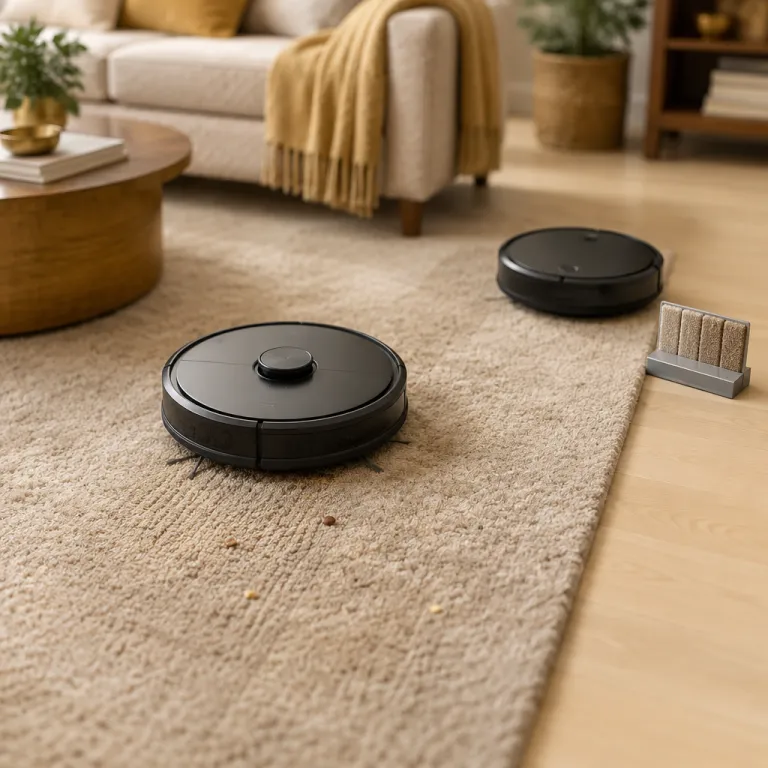
Understanding what makes the best robot vacuum for carpet
Choosing the best robot vacuum for carpet starts with understanding how cleaning performance changes on different pile heights. A capable robot must balance strong suction with a smart brush design so that it lifts dust without damaging delicate fibers. Many buyers also want a robot that can mop hard floors, which complicates the decision when carpets and tiles share the same space.
On carpet, a powerful vacuum with at least medium to high suction is essential, while quieter modes remain useful for night cleaning. The best robot vacuum for carpet usually combines a central brush and a side brush to reach baseboards and furniture edges, and these brushes must resist hair tangles from pets and long hair. When comparing robot vacuums, pay attention to how easily the brush and side brush can be removed, because regular cleaning keeps suction stable and extends motor life.
Brands such as roborock and dreame now design robot vacuums that automatically adjust suction when they detect carpet, which improves carpet cleaning without wasting battery on hard floors. A modern robotic vacuum can also transition from rugs to tiles without getting stuck, especially when the chassis is ultra slim and glides under sofas for better furniture cleaning. If you want a robot mop and vacuum mop combination, ensure the robot vacuum can lift or retract the mop pad on carpet, otherwise damp fibers and poor cleaning power will quickly disappoint.
Key features that define the best robot vacuum for carpet
Several core features separate an average robot from the best robot vacuum for carpet in a busy household. First, look at suction ratings and how the vacuum uses that power with its brush system rather than focusing only on a marketing number like max or ultra suction. A good robot vacuum will modulate suction automatically, increasing power on carpet and reducing it on hard floors to preserve battery and reduce noise.
Second, evaluate how the robot handles hair and pet hair, because tangled fibers quickly reduce cleaning power on carpets. Models with anti tangle combs around the main brush and a well designed side brush reduce maintenance and keep the robot vacuums running efficiently. If you share your home with shedding animals, a robotic vacuum that has a wide brush and strong suction will pick more debris in a single pass and leave less embedded dirt behind.
Third, consider how the robot interacts with its dock and whether it supports auto empty functionality for the dustbin. A hands free dock that can empty the robot vacuum after each run is especially useful for thick carpet cleaning, where the vacuum collects more dust and hair per square metre. When researching options on amazon or brand sites, compare how large the dock bags are, how often they need to be replaced, and whether the system supports both vacuum and robot mop functions for mixed floor homes; you can also study a detailed pet focused review such as this Roomba robot vacuum analysis for pet owners to understand real world trade offs.
How premium ecosystems like dreame ultra and roborock saros change carpet care
Premium ecosystems such as dreame ultra and roborock saros aim to redefine what the best robot vacuum for carpet can achieve in daily life. A dreame ultra station often combines auto empty, mop washing, and hot air drying, which keeps the robot mop pads hygienic while the vacuum focuses on deep carpet cleaning. Similarly, roborock saros and the more established roborock qrevo families integrate advanced mapping and obstacle avoidance, allowing the robotic vacuums to navigate cluttered living rooms without missing carpeted zones.
These ecosystems usually pair a powerful vacuum mop with a sophisticated dock that manages water tanks, dust bags, and sometimes detergent dosing. For households with large carpeted areas, the combination of strong suction, anti tangle brushes, and intelligent route planning means fewer repeated passes and more consistent cleaning power. When a robotic vacuum can automatically raise its mop on carpet, it prevents moisture from reaching fibers while still offering efficient mop coverage on tiles and wood.
Some premium stations even support multi level mapping, so the same robot can clean carpets on different floors without losing orientation or leaving areas empty. If you are evaluating ultra dreame or roborock qrevo bundles, pay attention to how easily you can access the brush, side brush, and filters for routine cleaning. For a deeper look at how an all in one dock can support strong suction and tangle free performance, examine this review of an ultra station robot vacuum and mop, which illustrates how integrated systems simplify maintenance for carpet heavy homes.
Balancing robot mop functions with carpet cleaning needs
Many shoppers want a single device that can act as both robot vacuum and robot mop, yet carpets complicate this ambition. The best robot vacuum for carpet that also mops must manage water carefully, lifting or separating the mop module whenever it crosses rugs or wall to wall carpet. If the vacuum mop cannot avoid wetting fibers, you risk lingering odours, slower drying, and even long term damage to sensitive materials.
Look for robotic vacuums that support virtual no mop zones in their mapping apps, which keeps the robot mop away from carpet while still allowing vacuum passes. Some ultra slim designs place the water tank and mop pad at the rear, enabling the robotic vacuum to vacuum first and mop only on the backward pass over hard floors. This layout helps maintain strong suction at the front while the brush agitates dust and the side brush sweeps edges, which is especially helpful for furniture cleaning around chair legs and low cabinets.
Advanced docks with auto empty and mop washing functions further reduce manual intervention, making the experience almost hands free for busy households. When combined with anti tangle brushes and high cleaning power, these systems allow the best robot to handle both pet hair on carpet and sticky spills on tiles. For readers interested in how self emptying and integrated mop care can reshape everyday cleaning, this analysis of a self emptying robot vacuum and mop system shows how dock design influences long term satisfaction.
Practical buying checklist for real homes with carpets
When comparing options on amazon or in specialist stores, start with a clear checklist that reflects your carpet type and lifestyle. First, measure pile height and note whether you have thick rugs, low pile carpet, or a mix, because the best robot vacuum for carpet in each case may differ. High pile surfaces benefit from vacuums with strong suction and a robust brush, while low pile areas may prioritise quieter operation and an ultra slim chassis that reaches under furniture.
Second, think about hair and pet hair, because this factor strongly influences which robot vacuums remain easy to maintain. If your household includes long haired residents or multiple pets, prioritise anti tangle designs around the main brush and side brush, plus easy access to the brush compartment for quick cleaning. A robotic vacuum that allows you to remove the brush without tools will encourage regular maintenance and preserve cleaning power over time.
Third, evaluate how much hands free convenience you truly need from the dock and auto empty system. Larger homes with extensive carpet cleaning needs may justify a more expensive dock that can empty the robot vacuum frequently and store dust for several weeks. Finally, consider whether you want a combined vacuum mop or a dedicated robot vacuum, because a specialised robotic vacuum may offer better carpet performance, while a hybrid robot mop system provides more versatility on mixed floors.
Maintenance habits that keep robot vacuums effective on carpet
Even the best robot vacuum for carpet will lose effectiveness without simple, regular maintenance. After several runs, hair and pet hair can wrap around the brush and side brush, reducing suction contact and leaving more debris embedded in the carpet. A quick weekly routine that includes removing the brush, clearing tangles, and checking the wheels will keep the robotic vacuum gliding smoothly across different surfaces.
Empty the internal dustbin after each session unless your dock provides auto empty support, because a full bin restricts airflow and weakens cleaning power. For homes with heavy carpet cleaning demands, an auto empty dock offers a more hands free experience and reduces the risk of overfilled bins during long runs. Filters also require attention, as clogged filters strain the vacuum motor and reduce suction, so tap them gently or replace them according to the manufacturer schedule.
Check the underside of ultra slim models regularly, since their low profile can collect fine dust near sensors and wheels during furniture cleaning. Owners of dreame, dreame ultra, roborock, roborock saros, and roborock qrevo systems should follow brand specific guidance, but the principles remain similar across robot vacuums. By combining thoughtful product selection with consistent care, you help your best robot maintain strong performance on carpet, protect fibers from wear, and extend the useful life of both the vacuum and mop components.
Questions people also ask about the best robot vacuum for carpet
How often should a robot vacuum clean carpeted rooms ?
In most homes, running a robot vacuum on carpeted rooms three to four times per week keeps dust and pet hair under control. High traffic areas or households with allergies may benefit from daily cleaning, especially when the robot vacuums use auto empty docks. The ideal schedule balances cleanliness with brush wear and your tolerance for noise.
Can a robot mop safely operate in a home with large carpets ?
A robot mop can operate safely in homes with large carpets if it supports precise mapping and no mop zones. The best robot vacuum for carpet will either lift the mop pad or avoid rugs entirely when crossing mapped boundaries. Without these protections, moisture can reach carpet fibers and cause odours or slow drying.
Are ultra slim robot vacuums powerful enough for thick carpet ?
Ultra slim robot vacuums can handle low to medium pile carpet when they combine efficient suction paths with a strong brush. On very thick or shaggy rugs, some ultra slim designs may struggle to maintain contact and consistent cleaning power. Checking real user reviews and test data for similar carpet types helps you judge whether a specific robotic vacuum is suitable.
What is the benefit of an auto empty dock for carpet cleaning ?
An auto empty dock keeps the robot vacuum dustbin empty, which preserves suction and airflow during long carpet cleaning sessions. This hands free system is especially useful in homes with pets, where hair and dander quickly fill small bins. It also reduces your exposure to fine dust when compared with frequent manual emptying.
Do anti tangle brushes really help with pet hair on carpets ?
Anti tangle brushes significantly reduce the amount of pet hair that wraps around the roller, which keeps the robot vacuums working efficiently on carpets. These designs use combs, angled bristles, or segmented rubber fins to push hair into the suction path instead of trapping it. While no system is perfect, anti tangle technology cuts maintenance time and helps maintain consistent cleaning power over weeks of use.