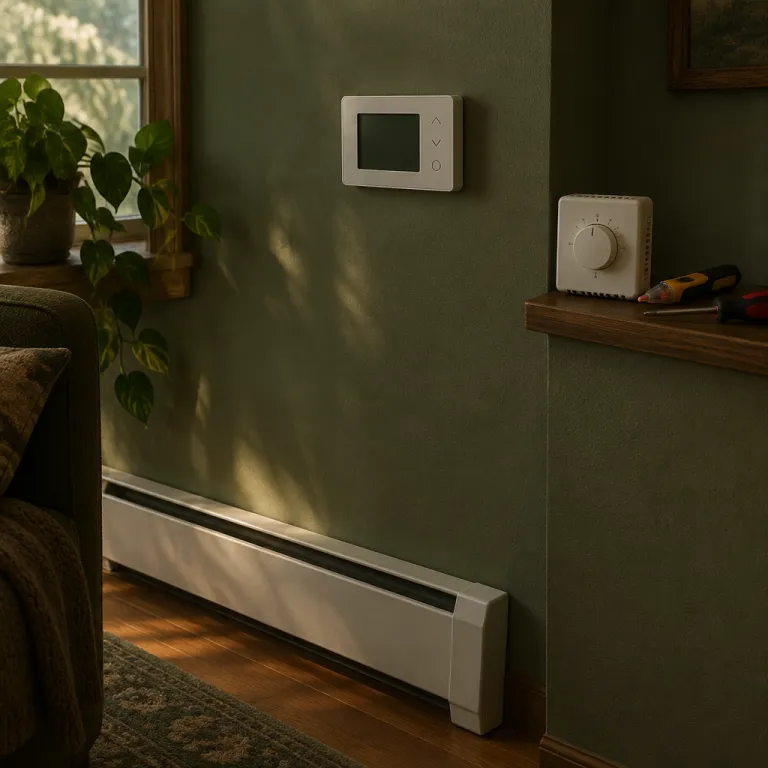
Understanding electric heat thermostats
What Makes Electric Heat Thermostats Unique?
Electric heat thermostats are designed specifically to control electric heating systems, such as electric baseboard heaters and wall heaters. Unlike traditional thermostats, these devices must handle higher voltages and are often available in single pole and double pole models. Understanding the difference between these types is important: single pole thermostats can only turn the heater on or off, while double pole models can fully disconnect power for added safety.
Types of Thermostats for Electric Heating
When you start looking to buy a thermostat for your electric heater, you'll notice several options. Manual thermostats offer basic temperature control, while programmable thermostats allow you to set schedules for heating. Programmable thermostats are becoming more popular because they help maximize energy efficiency and comfort. Brands like Honeywell offer both manual and programmable options, with many customer reviews highlighting their reliability and user-friendly design.
- Manual thermostat: Simple, easy to use, but requires manual adjustment.
- Programmable thermostat: Lets you set heating schedules, ideal for busy households.
- Smart thermostats: Offer remote control and advanced features, which we'll cover later.
Compatibility with Your Heating System
Before making a purchase, check if the thermostat is compatible with your heating system. Most electric baseboard heaters require a line voltage thermostat, also called a volt thermostat. Some products are designed for specific heater types, so always verify the product specifications and read customer reviews for feedback from verified purchases. If you’re unsure about wiring or installation, it’s wise to consider whether to hire an electrician for thermostat replacement.
Key Terms to Know
- Wire: Refers to the electrical connections needed for installation. Some thermostats are easier to install than others.
- Baseboard heater: A common type of electric heater controlled by wall thermostats.
- Temperature control: The main function of any thermostat, ensuring your home stays comfortable.
- Easy install: Many modern thermostats are designed for easy installation, but always check the manual and product details.
As you explore your options, keep in mind that a good product should be user friendly, offer reliable temperature control, and fit your specific heating system. In the next section, we’ll look at the most important features to consider when choosing a thermostat for your electric heating needs.
Key features to look for in an electric heat thermostat
What Makes a Thermostat Stand Out?
When you’re ready to buy a new electric heat thermostat, the options can feel overwhelming. Customers often look for a product that offers easy temperature control, reliable performance, and simple installation. Here are some of the most important features to consider before you add a thermostat to your cart:
- Programmable vs. Manual: Programmable thermostats let you set schedules for your heating system, so you can automatically adjust the temperature throughout the day. This is a big step up from a manual thermostat, which requires you to change settings by hand. Many verified purchase reviews highlight the convenience of programmable thermostats, especially for electric baseboard heaters.
- Compatibility: Not all thermostats work with every type of heater. Make sure the thermostat you choose is designed for electric baseboard or wall heaters. Double pole and single pole options are available, so check your wiring needs before you purchase. For more on wiring, see this comprehensive guide to wiring your smart thermostat.
- User-Friendly Controls: Look for thermostats that are easy to use. Models with clear displays and simple buttons make it easier to adjust the temperature. Honeywell thermostats are often praised in customer reviews for their user-friendly design.
- Installation: Some products are labeled as easy install, which can save you time and frustration. Verified customers often mention how quickly they were able to set up their new heater thermostat. If you’re not comfortable with wiring, consider hiring a professional.
- Energy Efficiency: Programmable thermostats help you save on heating costs by reducing energy use when you don’t need it. Good product design will offer features like adaptive learning or eco modes to further maximize efficiency.
- Quality and Reliability: Always check customer reviews before you buy. Look for thermostats with high ratings and positive feedback about durability and performance. Verified purchase comments can reveal real-world pros and cons.
- Voltage: Make sure the thermostat matches your heating system’s voltage. Common options include 120V and 240V thermostats. Using the wrong volt thermostat can damage your heater or thermostat.
Quick Comparison Table
| Feature | Programmable Thermostat | Manual Thermostat |
|---|---|---|
| Temperature Control | Automatic scheduling | Manual adjustment |
| Energy Savings | High | Low |
| Ease of Use | User friendly, set and forget | Simple, but requires frequent changes |
| Installation | Easy install (most models) | Very easy |
| Best For | Busy households, energy conscious customers | Single rooms, basic heating needs |
Choosing the right thermostat is about more than just price. Consider how you want to control your heating, the type of heater you have, and what features will make your life easier. Whether you’re looking for a programmable thermostat for your electric baseboard or a simple manual option, taking the time to review your options can help you find a good product that fits your needs.
Benefits of upgrading to a smart electric heat thermostat
Why Smart Thermostats Stand Out for Electric Heating
Upgrading to a smart electric heat thermostat brings a new level of control and convenience to your home’s heating system. Unlike manual thermostats or basic programmable thermostats, smart models offer advanced features that help you save energy, improve comfort, and simplify daily routines. Many customers highlight the ease of use and user-friendly interfaces in their reviews, especially when compared to older manual thermostat options.
Key Advantages for Homeowners
- Remote Temperature Control: With smart thermostats, you can adjust your electric baseboard heater or wall thermostats from your smartphone, even when you’re away. This is especially helpful for managing temperature in different rooms or zones.
- Energy Efficiency: Smart thermostats use learning algorithms and scheduling to optimize heating cycles. This can lead to noticeable savings on your energy bill, as the system only heats when needed.
- Easy Programming: Many programmable thermostats now feature intuitive apps and touchscreens, making it easy to set schedules or override them as needed. This is a big step up from traditional manual thermostat models.
- Integration with Other Devices: Some products, like Honeywell thermostats, can connect with smart home platforms, allowing for voice control and automation. This integration makes it easier to manage your heating system alongside other smart devices.
- Verified Purchase Confidence: When you buy a smart thermostat, verified customer reviews often mention the easy install process and clear instructions, whether you’re dealing with single pole or double pole wiring setups.
What Customers Say
Customer reviews frequently mention the convenience of programmable thermostats and the precise temperature control they offer. Many users appreciate features like the ability to add cart and purchase directly online, as well as the support for both electric baseboard and baseboard heater systems. Products with high ratings are often described as a good product for those seeking an easy upgrade from a manual thermostat.
Choosing the Right Model
When you’re ready to buy, look for thermostats that are compatible with your heating system’s voltage (such as a volt thermostat for electric baseboard heaters) and wiring (single or double pole). Honeywell thermostats and other leading brands offer a range of options, so it’s important to read customer reviews and check for verified purchase feedback to ensure you’re getting a reliable product.
For more insights on optimizing your electric heating system with smart controls, check out this guide on how smart thermostats enhance electric heat management.
Installation tips and common challenges
Preparation and Safety First
Before you start installing a new programmable thermostat or upgrading your manual thermostat, always turn off the power at the circuit breaker. This step is crucial for safety, especially when dealing with electric baseboard heaters or wall thermostats. Double-check that the heater and thermostat are completely off before touching any wires.Understanding Your Wiring Setup
Electric heat thermostats can be single pole or double pole. Single pole thermostats typically have two wires, while double pole models have four. Knowing which type you have is essential for a smooth installation. Most customer reviews highlight the importance of matching your new product to your existing heating system and wiring. If you’re unsure, consult the heater thermostat’s manual or look for verified purchase feedback from customers with similar setups.Step-by-Step Installation Tips
- Remove the old thermostat by unscrewing it from the wall and disconnecting the wires. Take a photo of the wiring before you start, so you can reference it later.
- Connect the wires to your new programmable thermostat or manual thermostat, following the product’s instructions. Many Honeywell thermostats and other popular brands include clear diagrams.
- Secure the new thermostat to the wall and restore power at the breaker. Test the temperature control to ensure your heater responds correctly.
Common Challenges and Solutions
- Wire confusion: If the wires aren’t labeled, use your photo or the manual to match them correctly. Some programmable thermostats are more user friendly and have labeled terminals.
- Compatibility issues: Not all thermostats work with every electric baseboard heater. Check product specs and customer reviews before you buy or add to cart.
- Mounting problems: Sometimes the new thermostat doesn’t fit the old wall plate. In this case, you may need to patch or paint the wall for a clean look.
When to Call a Professional
If you’re not comfortable with electrical work or your heating system wiring seems complex, consider hiring a licensed electrician. Verified purchase reviews often mention that professional installation can save time and prevent mistakes, especially with double pole or volt thermostat models.Tips for an Easy Install
- Choose a thermostat with a clear manual and good product support.
- Look for programmable thermostats that are labeled as easy install or user friendly by customers.
- Read customer reviews for insights on installation and performance.
Taking the time to prepare and follow these steps can make your thermostat upgrade straightforward and help you enjoy better temperature control and energy savings from your new electric heat thermostat.
How to maximize energy efficiency with your thermostat
Simple steps for better energy savings
Getting the most out of your electric heat thermostat is not just about the initial purchase. Whether you use a manual thermostat or a programmable thermostat, small adjustments can make a big difference in energy efficiency and comfort. Here are some practical tips to help you get started:
- Set schedules with programmable thermostats: Programmable thermostats let you control the temperature based on your daily routine. Lower the heat when you’re away or asleep, and set it to warm up before you return. This is especially effective with electric baseboard heaters and wall thermostats.
- Use the right temperature settings: Many customers find that keeping the thermostat at 68°F (20°C) when home and lowering it by a few degrees when away can reduce heating costs. Manual thermostats require you to adjust this yourself, while programmable models automate the process.
- Take advantage of zoning: If your home has multiple heating zones, use single pole or double pole thermostats to control each area separately. This way, you only heat the rooms you use, which is more efficient.
- Check thermostat placement: A thermostat placed near a heater or in direct sunlight can give inaccurate readings. Make sure your wall thermostat is installed away from drafts and heat sources for better temperature control.
- Regularly review and adjust settings: As seasons change, review your heating schedule. Many programmable thermostats, including popular Honeywell thermostats, offer easy adjustments through user-friendly menus.
Choosing the right product for your heating system
When you buy a new thermostat, look for features that support energy efficiency. Verified purchase reviews often highlight models that are easy to install, offer precise temperature control, and work well with electric baseboard heaters. Honeywell thermostats and other trusted brands usually have good product ratings for energy savings and reliability.
| Thermostat Type | Best For | Energy Efficiency Features |
|---|---|---|
| Manual Thermostat | Simple heating systems, single room | Basic temperature control, easy install |
| Programmable Thermostat | Whole-home, electric baseboard, multi-zone | Custom schedules, user friendly, energy savings |
| Smart Thermostat | Remote control, advanced heating system | Learning features, app control, verified customer reviews |
Maintenance and user habits matter
Even the best programmable thermostats need a little attention. Clean around your thermostat to avoid dust buildup, and check the wires if you notice inconsistent heating. Customers who regularly review their settings and keep their heating system in good shape often see the best results. Adding the right thermostat to your cart is just the first step—using it wisely is what really saves energy.
Comparing popular electric heat thermostat models
Comparing Top Electric Heat Thermostat Models
When it comes to choosing the right thermostat for your electric baseboard heater or wall heating system, the market offers a variety of options. Each model has its own strengths, whether you’re looking for a programmable thermostat, a manual thermostat, or something in between. Here’s a breakdown of some of the most popular electric heat thermostats, focusing on features, ease of installation, and customer reviews.| Product | Type | Key Features | Ease of Install | Customer Reviews |
|---|---|---|---|---|
| Honeywell Home RLV4305A | Programmable | 7-day scheduling, digital temperature control, single pole, user friendly | Easy install, clear manual | Highly rated for reliability and temperature accuracy |
| Stelpro Electronic Thermostat | Manual | Simple temperature control, double pole, compatible with electric baseboard heaters | Quick wire connection, straightforward setup | Good product for basic heating needs, verified purchase feedback |
| King ESP230-R | Programmable | Digital display, 5-2 day programming, volt thermostat, energy-saving features | Easy to add cart and install, detailed product manual | Positive customer reviews for energy efficiency |
| Cadet T522-W | Manual | Single pole, wall mount, basic temperature control, durable design | Simple wire connection, easy for DIY installation | Customers appreciate its reliability and low cost |
| Mysa Smart Thermostat | Programmable (Smart) | Wi-Fi control, app integration, programmable thermostats, works with electric baseboard heaters | Easy install with step-by-step guide, supports both single and double pole | Excellent reviews for smart features and user-friendly interface |
What to Consider Before You Buy
- If you want to control your heating system remotely, look for programmable thermostats with Wi-Fi capability. These models often allow you to adjust temperature from your phone, making them very user friendly.
- For those who prefer simplicity, a manual thermostat is a good product for straightforward temperature control without extra features.
- Double pole thermostats provide added safety by fully disconnecting power to the heater, which is important for some electric baseboard installations.
- Always check verified purchase reviews to see how easy the thermostat is to install and use in real homes.
- Consider whether you need a thermostat compatible with your specific heater type, such as electric baseboard or wall heaters.