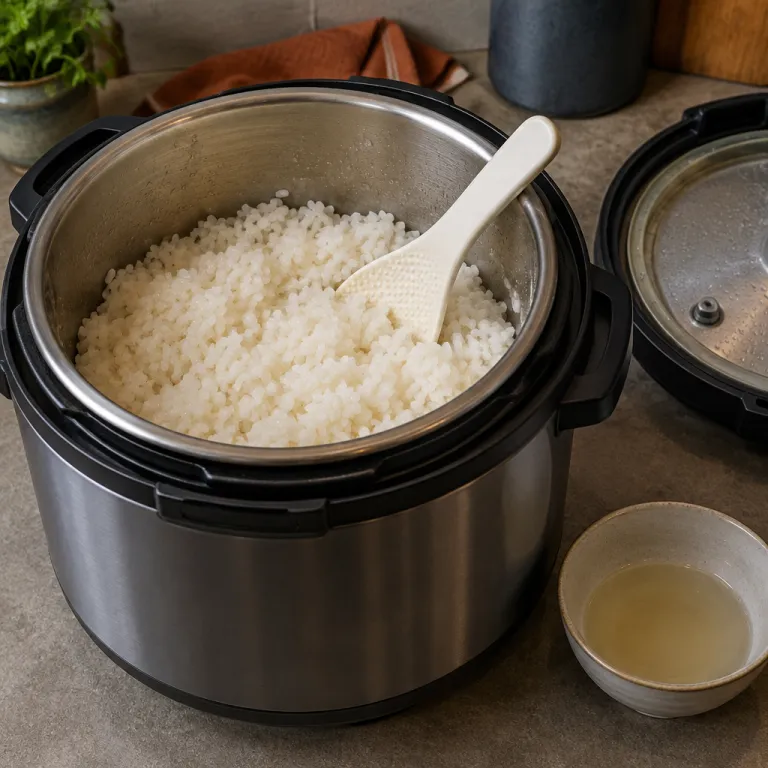
Understanding the Basics of Sushi Rice
Factors to Consider When Picking Sushi Rice
Getting sushi rice right is an art that begins with understanding what makes it distinct from other types of rice. Sushi rice typically uses short-grain rice, as it provides the perfect texture—firm yet sticky—a necessity for forming sushi rolls and bowls. The sticky texture comes from the high starch content, giving sushi its characteristic taste and feel.
While some might think that any rice will do, using the wrong type can result in a dish that lacks the classic sushi quality. For those interested in achieving authentic results, avoiding long-grain varieties is crucial as they don't possess the necessary stickiness.
Moreover, mastering long-grain white rice in your Instant Pot is a separate endeavor, better suited for different culinary needs. Meanwhile, when aiming for perfection with sushi recipes, sticking to short-grain sushi rice is recommended. This specific rice is often labeled as 'sushi rice' in stores, making it easier to locate.
Choosing the Right Rice for Your Instant Pot
Selecting the Perfect Grain for Sushi
Choosing the right rice is crucial when making sushi. For sushi, short grain rice is the top choice due to its stickier texture, which helps in forming those perfect sushi rolls and bowls. Remember, not just any rice will do. You'll want a quality short grain variety, often labeled as sushi rice, to get that authentic taste and consistency. When preparing for your sushi rice recipe in an instant pot, consider these tips:- Always rinse rice thoroughly. A mesh strainer can be a handy tool to wash away excess starch, preventing overly sticky or gooey results.
- Measure carefully. The proportion of rice to water is key—usually a 1:1 ratio works well, but your pot might have specific recommendations.
- Choose white rice when possible. This type of rice integrates well with the other classic sushi rice ingredients, including rice vinegar, sugar, and a pinch of salt.
Preparing Your Instant Pot for Sushi Rice
Setting Up Your Instant Pot for Sushi Rice Perfection
Before diving into the delightful world of sushi rice, it's crucial to properly prepare your Instant Pot, ensuring it delivers the perfect, fluffy texture every time. Having the right setup can significantly impact the final outcome of your sushi rice, making it essential to pay attention to these foundational steps.
To start, ensure your Instant Pot is spotless. Any leftover residue can affect the cooking process, especially when dealing with sensitive rice recipes. If you're new to using this versatile kitchen tool for rice, it's worth learning firsthand about pressure cooking basics with resources like those found on baking in an Instant Pot.
Assembly and Accessories:
- Inner Pot: Always use the stainless-steel inner pot provided with your Instant Pot. Ensure it's free from scratches to avoid any contamination.
- Sealing Ring: Check that the sealing ring is correctly positioned and intact. This part is essential for building pressure during cooking. An improperly seated ring can lead to issues like undercooked rice.
- Trivet or Steamer Basket: Although not essential for cooking sushi rice directly, these tools can assist in other pressure cooker recipes, helping keep ingredients elevated from the direct heat at the bottom.
Water Level and Measurements:
To achieve the perfect sushi rice texture, precision is key. For short-grain rice, like those typically used in sushi, the general rule is to use equal parts water to rice. This balance maintains the right pressure and doesn’t lead to soggy grains.
- Rinse Rice Thoroughly: Use a mesh strainer to rinse rice under cold water until the water runs clear. This step removes excess starch, preventing clumping.
- Measure Accurately: Precise measuring is essential. A small measuring cup or rice bowl can ensure you match your water-to-rice ratio correctly.
Cooking Sushi Rice in the Instant Pot
Using Your Instant Pot for Perfect Sushi Rice
Cooking sushi rice in an Instant Pot is a precise process that delivers flawless results if done correctly. Here’s how to master it: Begin by measuring the correct amount of short grain rice. This type of rice is crucial due to its sticky texture, which is perfect for sushi rolls and bowls. Before cooking, you need to rinse the rice thoroughly using a mesh strainer. This step removes excess starch, ensuring a desirable texture. Next, add the rinsed rice and an equal measure of water to the Instant Pot. Ensuring the rice is properly submerged is vital for even cooking. Close the lid and set the Instant Pot to the ‘Pressure Cook’ setting. Choose the 'high' setting and set the time for 5 minutes. Once the cooking time completes, allow the pressure to release naturally for 10 minutes. This step helps finish the cooking process gradually, avoiding any hard or uncooked grains. When all the pressure has subsided, open the lid and gently fluff the rice with a metal utensil to prevent any damage to the liners. Allow it to cool slightly before beginning the seasoning process. This precise method of cooking under pressure aids in achieving the perfect stickiness and softness needed for sushi rice.Seasoning and Cooling the Rice
Infusing Flavors Into Your Sushi Rice Creation
Achieving the perfect sushi rice texture in your Instant Pot is just one part of the equation. The true art lies in balancing flavors. To season your sushi rice properly, you'll need a mixture of rice vinegar, sugar, and salt. This essential combination is what gives sushi rice its distinct taste and slight gloss, making it a perfect companion for sushi rolls. First, prepare the seasoning mix. In a small pot, gently heat the rice vinegar, sugar, and salt over low heat until the sugar dissolves completely. The key here is not to let the mixture boil, just warm it enough to blend the ingredients together. Here's a straightforward ratio to use:- 4 tablespoons of rice vinegar
- 2 tablespoons of sugar
- 1 teaspoon of salt
Troubleshooting Common Issues
Dealing with Common Challenges When Using the Instant Pot
When making sushi rice, it's not uncommon to face a few hurdles. Understanding how to troubleshoot these can make a significant difference in achieving the perfect rice texture every time. Here are some common issues and their solutions:- Rice is Too Mushy or Sticky: One possible reason is too much water. Ensure you measure your rice and water precisely, adhering to a 1:1.25 ratio, especially if you’re using short grain rice. Another tip is to rinse rice thoroughly using a mesh strainer to remove excess starch before cooking.
- Rice is Undercooked: This could be due to not enough water or inappropriate pressure setting. Ensure you’ve added the correct amount of water and use the proper pressure cook setting on your Instant Pot. Cooking time should typically be around 10 minutes under pressure, followed by a natural release of at least 10 minutes.
- Rice Sticking to the Pot: To minimize sticking, always stir the rice and water before sealing the lid. Using a bit of cooking oil can also help. Ensure the Instant Pot inner bowl is kept clean.
- Uneven Seasoning: Mix the rice vinegar, sugar, and salt properly before adding it to the cooked rice. Combine the seasoned vinegar rice while the rice is still warm, using a gentle slicing motion with a wooden spatula to avoid smashing the grains.