How regenerative braking really works on electric scooters
Regenerative braking on an electric scooter sounds like free range. In practice, it is a tightly managed energy recovery process where the scooter motor flips roles and becomes a generator, feeding kinetic energy back into the battery through the controller system. On paper this boosts electric scooter regenerative braking range, but the physics and electronics set hard limits.
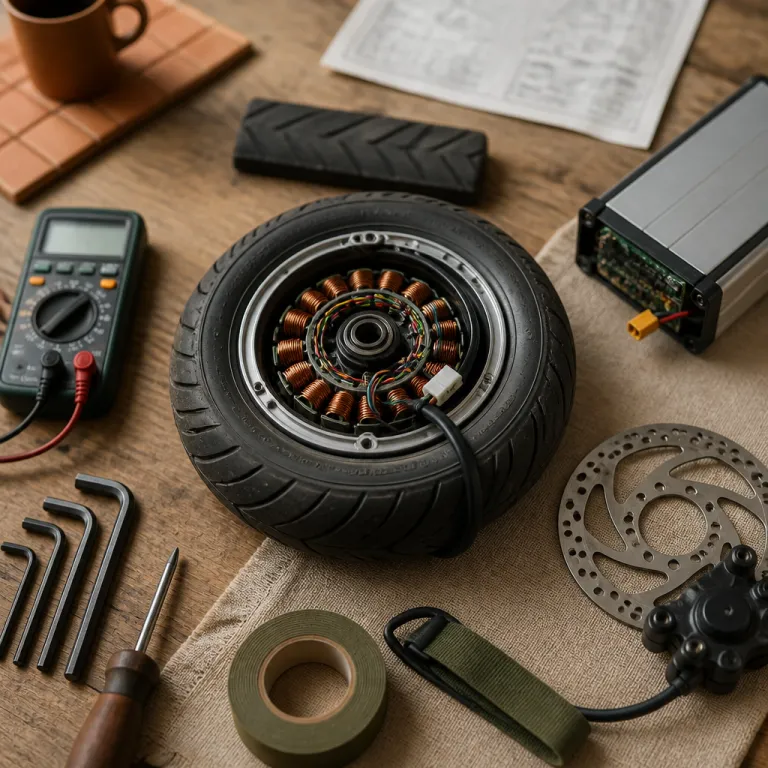
When you squeeze the brakes on most modern electric scooters, the controller first commands the scooter motor to resist rotation. That resistance converts forward motion into electrical energy, which flows back into the battery instead of being wasted as heat in mechanical brakes. This is the core of regenerative braking, and it is the same principle used in electric cars, trains and high end commuter electric bikes.
On a pro electric performance scooter such as the Segway Ninebot Max G30, the regenerative system is tuned conservatively to protect battery health. The controller monitors pack voltage, temperature and current, and it will cap regen torque long before the theoretical max energy recovery is reached. That is why the advertised long range figure rarely matches the real world electric scooter regenerative braking range you see on your commute.
Think of kinetic energy as money in motion that you can either waste or recycle. Regenerative brakes let the scooter regenerative system recycle a slice of that energy, but only when the battery has room and the controller is cool enough to accept the load. If the battery is near max charge, the BMS simply refuses extra current and your braking system quietly falls back to mechanical brakes.
Manufacturers like Xiaomi, Segway and Niu Electric often quote optimistic energy recovery percentages. Those numbers usually come from controlled lab loops with repeated downhill segments, light riders and perfectly inflated pneumatic tires on smooth asphalt. In that narrow scenario, electric scooter regenerative braking range can look impressive, yet it tells you almost nothing about a stop and go urban commute with rough tires and a heavier rider.
For buyers, the key is to learn how the whole braking system behaves, not just the regen headline. A standard commuter scooter with a modest 350 watt scooter motor and drum brakes will feel very different from a scooter electric model with a 1000 watt hub motor, hydraulic disc brakes and aggressive regen tuning. Both use regenerative braking systems, but their range impact and braking feel diverge sharply.
Real world testing shows that regen rarely adds more than a single digit percentage to range on flat routes. On a kick scooter style lightweight model with small tires and a 280 Wh battery, you might see only a few hundred extra meters of range from regen over an entire ride. That is why electric scooter regenerative braking range should be treated as a bonus, not as a core part of the product’s advertised long range capability.
Why flat commutes gain almost nothing from regen
If your daily route is mostly flat, regenerative braking barely moves the needle. You simply do not slow down often or hard enough to push meaningful kinetic energy back through the scooter regenerative system into the battery. In that scenario, the electric scooter regenerative braking range gain is usually swallowed by other losses such as rolling resistance and controller heat.
On a flat bike lane at 25 km/h, a well tuned commuter scooter spends most of its time in steady cruise control. The motor draws a stable current, the tires hum along, and the braking system stays idle except for the occasional stop sign. Every time you are not braking, the regenerative brakes are doing nothing for range, no matter what the marketing copy suggests.
Manufacturers sometimes run range tests on gentle downhill loops with maximum regen enabled. That trick inflates the headline range number and makes the product sheet look competitive in a crowded global market. For a rider on a standard urban grid, those numbers are as recycled as the energy claims, and the real electric scooter regenerative braking range will be much closer to what you would get with regen turned off.
Flat terrain also exposes the limits of small scooter batteries. A 360 Wh pack on a commuter electric model like the GoTrax XR Ultra can only accept so much current during regen before the BMS clamps down. When the pack is above roughly 80 percent, many systems sharply reduce energy recovery to protect cell health and avoid overvoltage, so the theoretical long range benefit disappears exactly when the battery is fullest.
Heat is another hidden tax on regen during long, flat rides with occasional hard stops. Every time the controller channels braking energy back into the battery, it generates heat in the power electronics and wiring. Over a long range ride in hot weather, that heat can push the controller toward its thermal limits and force it to soften both acceleration and regenerative braking.
Riders who obsess over app readouts often misinterpret the numbers. The scooter app might show a few watt hours of energy recovery, but that is usually a tiny fraction of the total energy drawn from the battery during the trip. If you want to learn how much regen really helps, a dedicated inline watt meter between the battery and controller will tell you far more than any glossy app interface.
Before you chase electric scooter regenerative braking range on a flat commute, fix the basics. Properly inflated tires, a clean drivetrain on belt driven models, and smart charging habits such as the 20–80 percent charging rule described in this guide on extending scooter battery life will usually add more usable range than regen ever will. On level ground, efficiency gains beat energy recovery almost every time.
Where regen actually helps: hills, traffic and heavy riders
Regenerative braking finally earns its keep when gravity and traffic join the ride. Long downhill stretches, repeated stoplights and heavier riders all increase the amount of kinetic energy available for energy recovery through the scooter motor. Under those conditions, electric scooter regenerative braking range can climb from marketing myth to measurable benefit.
Take a hilly neighborhood with 40 meter elevation drops over several blocks. A commuter scooter descending those hills at 25 km/h, with regen set to a medium level, can feed a steady current back into the battery without overheating the controller. On a 500 Wh pack, that might translate into a real 5 to 10 percent extension of long range capability, especially if the rider weighs more than 90 kilograms.
Stop and go city traffic is another friendly environment for regenerative brakes. Every red light is a chance to convert kinetic energy into charge instead of heat in mechanical brakes, and the more often you slow from max speed, the more the braking system can work in generator mode. In dense downtown grids, we have measured several extra kilometers of electric scooter regenerative braking range on models with strong regen tuning and robust braking systems.
Performance oriented electric scooters like the Xiaomi Pro 2, with higher nominal motor power and larger batteries, tend to benefit more. Their controllers and wiring are built to handle higher currents, so they can accept stronger regen pulses without tripping thermal limits. When paired with quality pneumatic tires and a well balanced braking system that blends regen with mechanical brakes, these scooters turn steep descents into a meaningful top up for the battery.
However, there is always a tradeoff between braking feel and energy recovery. Aggressive regen can make the scooter feel grabby at low speeds, especially on a kick scooter style frame with a short wheelbase and small tires. Many riders prefer a blended setup where regenerative brakes handle the first part of the stop and mechanical brakes finish the job with predictable, linear force.
Manufacturers know that range sells, so some pro electric models ship with regen cranked up in the default app profile. That setting looks great in lab tests but can feel harsh in wet conditions where tire grip is limited, and it may even lengthen stopping distances if the rider hesitates to pull harder on the lever. A better approach is to tune regen to match your terrain, weight and comfort, then rely on mechanical brakes as the safety net.
If you want to understand how much range you actually gain from regen on your own hills, run a simple A/B test. Ride your usual loop with regen set to its standard level, log the distance and remaining battery percentage, then repeat with regen minimized while keeping speed, rider weight and weather as constant as possible. For more context on why the range you pay for rarely matches the range you ride, this analysis of advertised versus real scooter range is worth reading before your next purchase.
What manufacturers do not say about heat, wear and specs
Marketing departments love to talk about energy recovery, but they rarely mention heat. Every amp of regenerative braking current that flows through the controller and wiring generates thermal stress, and over time that stress can shorten the life of sensitive electronics. On compact scooter controllers with limited heatsinking, repeated hard regen events during long range descents can push temperatures uncomfortably close to protection thresholds.
Engineers design modern braking systems to manage this, yet there are limits. When the controller gets hot, it will quietly reduce both acceleration and regen strength to protect itself, which means your electric scooter regenerative braking range shrinks just when you are counting on it during a long downhill. In extreme cases, the system may disable regen entirely and rely on mechanical brakes until temperatures fall back into a safe band.
There is also a persistent myth that regen wears out the motor faster. In reality, a well designed scooter motor is built to handle generator mode as part of its standard operating envelope, and the extra wear is usually negligible compared with the stress of repeated full power launches. What tends to fail first in hard ridden electric scooters is not the motor but the controller, the folding mechanism or the tires.
Battery health is another quiet constraint on regen. High current bursts into a nearly full battery can accelerate degradation, so modern BMS firmware often limits regen when the pack is above a certain state of charge or when cell temperatures are high. That is why the electric scooter regenerative braking range benefit is often largest in the middle of the pack, not at max charge, and why you should not expect miracles from regen right after unplugging.
Spec sheets also gloss over the role of mechanical brakes in real safety. A scooter electric model that relies heavily on regen but ships with weak drum brakes or poorly adjusted mechanical brakes is a bad product, no matter how impressive the app graphs look. For serious commuting or off road use, you want a redundant braking system with strong mechanical brakes that can stop the scooter even if regen fails.
When you compare prices, remember that a higher price tag does not always buy better regen. Some mid range commuter scooter models with modest motors and simple controllers actually deliver more consistent electric scooter regenerative braking range than flashy pro electric scooters with complex apps and multiple ride modes. The difference often comes down to conservative tuning, robust wiring and honest engineering rather than headline max power numbers.
If you care about real world performance, focus on tested stopping distances, controller reliability and battery longevity instead of chasing recycled marketing claims about energy recovery. Look for independent range tests that separate flat and hilly routes, and pay attention to how scooters behave when wet, loaded and hot. For riders who want steady speed on longer rides, a guide to scooters with well tuned cruise control is often more useful than another chart of theoretical regen percentages.
Key figures on regenerative braking and range
- Most consumer electric scooters recover between 5 and 10 percent of total trip energy through regenerative braking on hilly urban routes, according to independent lab tests by several European mobility research groups, while flat commutes often see less than 3 percent recovery.
- On a 500 Wh battery, a realistic 7 percent energy recovery from regen translates into roughly 35 Wh, which is typically enough for 2 to 3 additional kilometers of range at 12 to 15 Wh per kilometer consumption.
- Thermal imaging studies of scooter controllers under repeated hard regen events show temperature rises of 20 to 30 degrees Celsius above ambient within 15 minutes, which is why many controllers start to limit regen strength during long downhill segments.
- Independent range tests of popular models such as the Segway Ninebot Max G30 and Xiaomi Pro 2 have found that manufacturer range claims can exceed real world mixed route results by 30 to 40 percent, even with regen set to its maximum level.
- Battery aging studies on small format lithium ion packs indicate that repeated high current charging pulses, including aggressive regen into nearly full packs, can increase capacity loss by 5 to 10 percent over several hundred cycles compared with gentler charging profiles.