Summary
Analysis score
Average of the criteria rated below
Is the eufyCam E40 2-Cam Kit good value for money?
Discreet, compact cameras built for outdoor walls
Battery life and solar charging: does it really run for months?
Build quality, waterproofing and long-term reliability prospects
Image quality, motion detection and smart features in real life use cases
What the eufyCam E40 kit actually includes and who it’s for
Pros
- 2K resolution with MaxColour night vision for clear day and night footage
- Local 16 GB storage on HomeBase 2 with no mandatory monthly subscription fees
- SolarPlus 2.0 and 13,000 mAh battery enabling months of use with minimal manual charging
Cons
- Motion detection on high sensitivity can generate many notifications and requires tuning
- Some users note lag with notifications and accessing encrypted local footage
- Solar performance in winter or shaded locations may require occasional manual recharging

Specifications
View full product page →| Brand | eufy Security |
Solar security without monthly fees: what this kit really offers
The eufy Security eufyCam E40 2-Cam Kit targets a very clear need: outdoor surveillance that you install once and mostly forget, without paying subscriptions every month. On paper, it ticks the right boxes for that job: 2K resolution, colour night vision, solar charging, wireless installation and local storage on the included HomeBase 2 with 16 GB built in. The average rating sits at 4.6/5 from around 180+ reviews, which suggests buyers are largely satisfied, but it’s still worth digging into the details.
The brand pushes three big promises here: long-term battery life backed up by solar, no mandatory cloud fees thanks to local recording, and easy integration with voice assistants like Alexa, Google Assistant and Apple HomeKit. In my opinion, this combination is what makes the kit interesting: on paper, it removes a lot of the usual headaches of CCTV (wiring, subscription, constant charging). The cameras are also IP66 waterproof, so they are clearly meant for permanent outdoor mounting on walls, facades or outbuildings.
In the Amazon comments, several verified buyers highlight simple setup, good image quality, and an effective app. Some people mention that the solar panel keeps the battery topped up nicely in sunny periods, while others are waiting to see how it behaves in winter or with less sun. There are also remarks about notification frequency and a bit of lag when accessing encrypted local storage, which shows the system is not perfect.
Overall, this kit looks like a solid mid‑range solution for someone who wants reliable outdoor monitoring around a house, driveway or garden without ongoing costs. It’s not the cheapest on the market and it doesn’t have every advanced feature of high‑end CCTV systems, but on paper it strikes a good balance between convenience, image quality and long‑term running costs. The rest comes down to whether its performance, battery management and value line up with your own priorities.
Is the eufyCam E40 2-Cam Kit good value for money?
From a value perspective, the eufyCam E40 2-Cam Kit offers a combination that a lot of people are looking for: two 2K outdoor cameras, local storage, solar charging and no mandatory subscription. The product rating of 4.6/5 with around 184 reviews suggests that most buyers feel they got their money’s worth. The absence of monthly fees is highlighted repeatedly in the comments as a major plus, especially for people who already have other eufy devices like the doorbell and want everything in one ecosystem without accumulating subscriptions.
On paper, you’re paying for several things at once: hardware (two cameras + HomeBase 2), convenience (wireless installation, app control), and ongoing savings from local storage. Competing systems often require a cloud subscription to unlock full features like long-term video history or thumbnail notifications. Here, eufy clearly emphasises that local storage is included and there are no hidden costs for basic use. There are optional premium features that may require a subscription, but for many home users, the built-in 16 GB and standard notifications will be enough.
In the reviews, people call the system good value and appreciate the fact that they can expand the setup later by adding more cameras from the same range. One user mentions adding it as a good addition to their doorbell and notes that being subscription-free feels particularly important with other bills rising. Another points out that the app is good and easy to use, which matters for perceived value: a system can have great hardware, but if the app is clunky, it quickly feels overpriced. Here, the general tone is that the app is solid and setup is quick, which reinforces the feeling of getting fair value.
In my opinion, this kit is a strong proposition for homeowners who want a mid-range, all-in-one security solution without ongoing costs. It’s likely not the cheapest option if you just want a single basic camera, and there are more advanced professional systems if you need 24/7 continuous recording, PoE wiring or complex zone management. But for the typical user who wants to cover a garden, driveway and entrance with decent image quality, solar-assisted power and local storage, the value looks good. The only caveats are the usual ones: you need decent Wi‑Fi coverage outdoors, and you should be ready to spend a bit of time fine-tuning motion alerts to avoid notification overload.
Discreet, compact cameras built for outdoor walls
On the design side, the eufyCam E40 cameras follow the usual eufy style: white, compact bullet-style units meant to sit fairly discreetly on an exterior wall. The listed dimensions of each camera are roughly 13.3 x 6.8 x 6.7 cm, so they’re not tiny, but they’re small enough to blend into most facades without looking like industrial CCTV. The colour choice (white) matches a lot of modern homes and soffits; it will stand out more on dark brick or wood, but that can also be a plus if you want a visible deterrent.
The cameras are designed for wall mounting, and the kit includes mounting screws. Reviews mention that the hardware feels solid and gives a reassuring impression once installed. A few buyers specifically note that the cameras have a “solid feel”, which suggests a decent build rather than flimsy plastic. The solar panel is integrated into the camera body, so you don’t have a separate panel with extra cables by default. There is, however, the option to add an external panel if you want to optimise sun exposure, which adds flexibility for tricky locations.
From a functional point of view, the design is clearly focused on wireless placement and adjustability. With Wi‑Fi connectivity and battery/solar power, you’re mainly constrained by Wi‑Fi range and sunlight rather than by power sockets. One buyer explains they positioned cameras near mesh Wi‑Fi nodes to ensure a strong signal, which is a smart way to avoid dropouts. In my opinion, this kind of design is best suited to semi-permanent mounting: you pick a good coverage angle for your driveway, garden or entrance and leave it there for months.
Overall, the design isn’t flashy, but it looks practical: compact size, integrated solar panel, outdoor-rated shell and standard wall mounting. If you’re looking for something decorative, this isn’t it. If you want something that looks like a straightforward security device and doesn’t require running cables, this design approach makes sense and should satisfy most people who just need functional, visible security around their home.
Battery life and solar charging: does it really run for months?
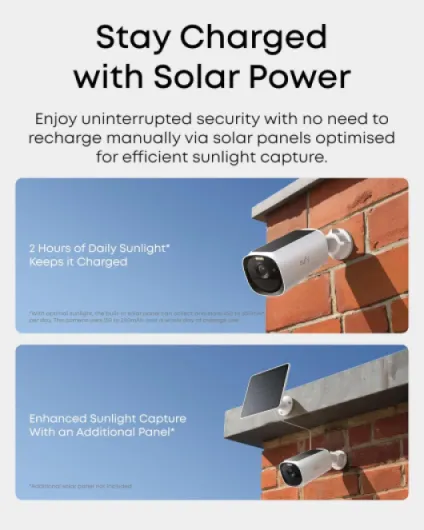
The eufyCam E40 cameras are built around a 13,000 mAh internal battery, which is fairly large for a compact wireless camera. On paper, that capacity should support months of operation per charge, especially if motion events are moderate and recording isn’t constant. The key element here is the SolarPlus 2.0 technology with a built-in solar panel. The idea is simple: once you fully charge the camera and install it, the solar panel keeps it topped up so you rarely, if ever, need to take it down for charging.
In the Amazon comments, one buyer explains they fully charged the camera before mounting it, as instructed, and since then they have seen no significant drop in power during a period of prolonged cloudless days. That’s a good sign that in sunny conditions the solar panel can more or less match the camera’s consumption. The same person says they are waiting to see how it holds up in winter, which is the real stress test for any solar system in northern climates. Another user simply notes that the solar panel charges the camera and calls the kit the best cameras they’ve purchased so far, which suggests the power management is doing its job in their situation.
From a technical perspective, it’s worth noting that battery life will always depend on a few factors: number of motion events, length of recordings, Wi‑Fi signal quality, and temperature. If you place the camera in a busy area with constant traffic, or in a spot with weak Wi‑Fi causing retries, the battery will drain faster. Conversely, a calm driveway with a strong connection and good sunlight will put less strain on the system. The ability to add an external solar panel is a plus if your chosen location doesn’t get ideal sun exposure.
Overall, the combination of a 13,000 mAh battery and solar charging looks strong on paper and is supported by early user feedback in fair-weather conditions. The real question mark is performance in winter or in heavily shaded locations. In my opinion, if you live somewhere with very little sun in winter, it’s reasonable to expect you might have to recharge manually once in a while. But compared to fully battery-only cameras, this setup should still mean fewer manual charges and more consistent uptime across the year as long as you mount the cameras with sun exposure in mind.

Build quality, waterproofing and long-term reliability prospects
Durability is always a big concern for outdoor gear, and the eufyCam E40 tries to address that with an IP66 waterproof rating. That rating indicates the cameras are dust-tight and protected against powerful water jets, which in everyday terms means they should handle heavy rain, wind and typical outdoor exposure without trouble. The cameras are explicitly marketed for outdoor use, and the housing design reflects that, with a sealed body and no exposed power connectors thanks to the internal battery and solar panel.
In the reviews, buyers describe the cameras as having a solid feel, which is a good sign for perceived build quality. One user mentions being impressed with the system overall, including how “solid” the cameras feel once mounted. There are no widespread complaints about water ingress, cracked housings or failing mounts among the published comments, which suggests that at least in the short term the hardware is holding up as expected. That said, one person clearly states they only had the system for about a week and therefore cannot comment on long-term durability yet.
Another durability angle is the HomeBase 2 with 16 GB internal storage. Local storage means no reliance on external microSD cards that can sometimes fail or corrode in harsh environments. The HomeBase is meant to sit indoors, so it’s not under the same weather stress as the cameras. This separation of indoor hub and outdoor cameras generally helps reliability: the sensitive storage and processing components are protected, while the cameras focus on being weatherproof and power-efficient.
In my opinion, the overall design and user feedback suggest decent durability for a consumer-grade system: waterproofing is clearly specified, build feels solid to buyers, and there’s no obvious pattern of early failure in the comments. However, like any outdoor electronic device, long-term performance will depend on climate, mounting location and maintenance. Extreme temperatures, sea air, or constant direct sun can age plastics and seals faster. For a typical UK or European home, though, the spec sheet and early reviews point to a system that should reasonably withstand several seasons of use without major drama, as long as it’s installed sensibly and not abused.
Image quality, motion detection and smart features in real life use cases
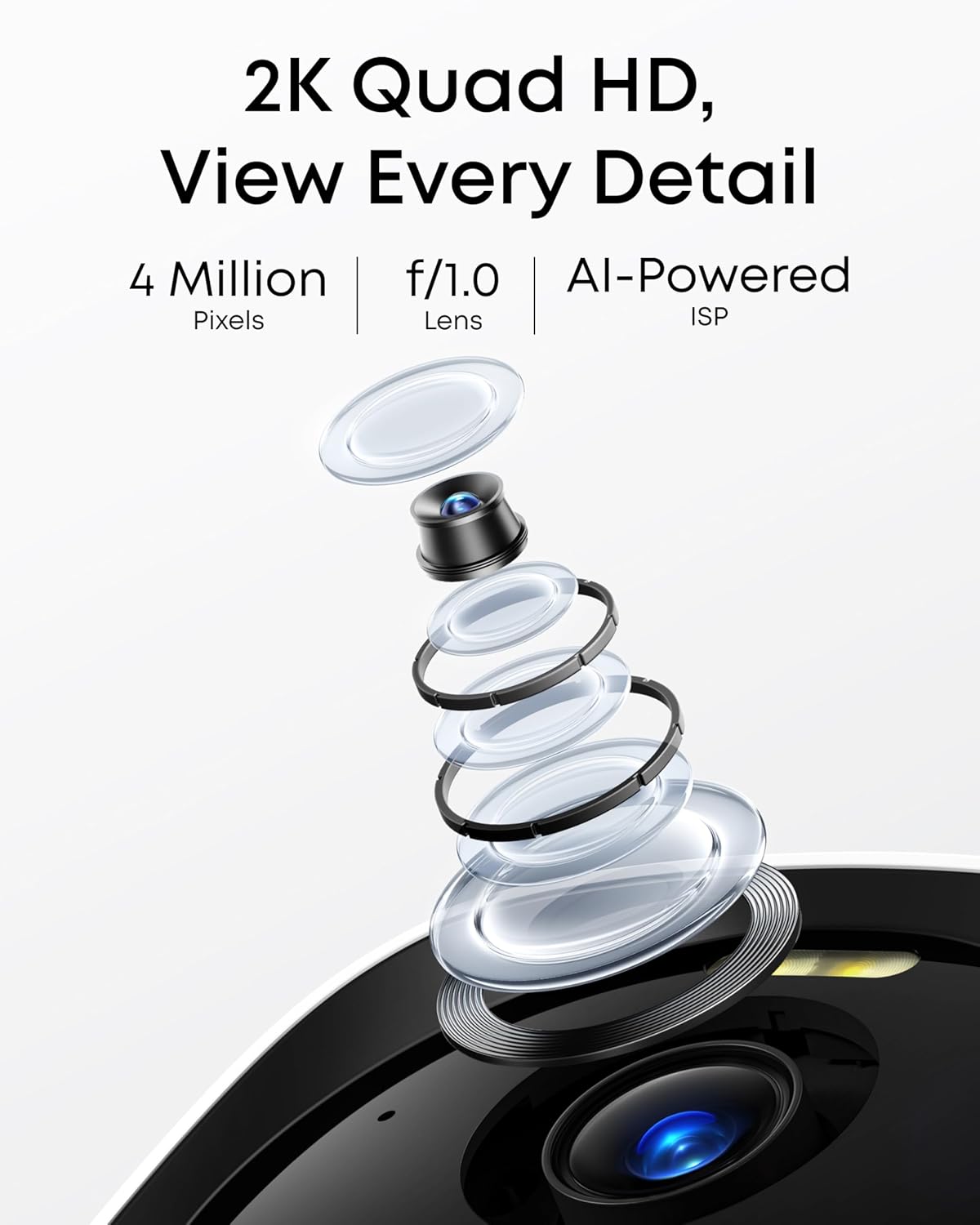
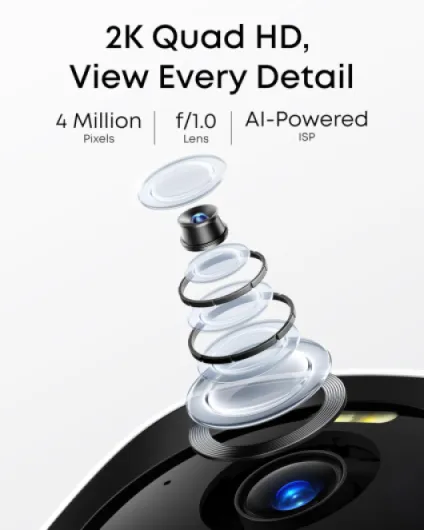
On performance, the eufyCam E40 cameras lean heavily on their 2K resolution and MaxColour night vision. Quad HD resolution should, in theory, give more detail for faces, number plates and movement compared to basic 1080p cameras. Several reviews explicitly praise the clear picture quality and sound, including at night, which backs up the spec sheet. One buyer mentions being particularly impressed with the night vision, and another says the cameras deliver reliable clear pictures with sound when combined with an external security light.
Motion detection is handled by an upgraded passive infrared (PIR) sensor, which is meant to reduce false alerts by detecting body heat rather than just pixel changes. In practice, some buyers say they run the cameras on high sensitivity and get a lot of notifications. In my opinion, that’s not surprising: any camera on high sensitivity will trigger on every bit of movement, especially outdoors. The key point is that the system offers enough settings in the app to tune this. One user admits they haven’t fully figured out how to reduce the notifications yet, but that seems more like a configuration issue than a hard limitation.
There is also mention of an anti-theft alarm built into the cameras, which is described as very loud by at least one reviewer. That’s useful if you’re worried about someone trying to remove or tamper with the camera itself. On top of that, the cameras integrate with Alexa, Google Assistant and HomeKit, so you can bring the live feed up on compatible devices or include them in routines like “Away mode”. This kind of integration is pretty standard now, but it’s good to see it supported across the three main ecosystems instead of just one.
On the downside, at least one buyer notes a bit of lag for notifications and when trying to decrypt local storage. That suggests that access to encrypted footage from the HomeBase can sometimes be slightly slow, likely depending on network conditions and processing. It doesn’t look like a deal-breaker from the comments, but it’s a point to keep in mind if you expect instant push alerts every time. Overall, performance feedback is mostly positive: clear images, effective night vision, and reliable operation when Wi‑Fi signal is strong, with some fine-tuning needed on notifications and a bit of latency for some actions.
What the eufyCam E40 kit actually includes and who it’s for
The eufyCam E40 2-Cam Kit is a complete outdoor security bundle: you get two wireless solar-powered 2K cameras plus a HomeBase 2 hub. The hub is important because it provides 16 GB of built-in local storage, manages the cameras, and lets you avoid mandatory cloud storage fees. The cameras record in 2K (Quad HD) MP4 format, support full-colour night vision (MaxColour Vision), and connect over Wi‑Fi to the HomeBase. Power comes from a built-in 13,000 mAh battery in each camera, backed up by SolarPlus 2.0 charging from the integrated solar panel.
On the smart home side, the kit supports Alexa, Google Assistant and Apple HomeKit. That means you can pull up camera feeds on compatible smart displays, arm/disarm via voice, or integrate the cameras into routines. For a lot of buyers, this type of integration is now almost mandatory, and here it is clearly advertised as a standard feature rather than a paid extra. The cameras are IP66 rated, so they should handle rain, dust and typical outdoor conditions. Recommended use is clearly outdoor security: gardens, driveways, entrances, side passages and similar areas.
Among the reviews, people highlight that installation is fully wireless, apart from plugging in the HomeBase. No Ethernet to the cameras, no power cables, just Wi‑Fi and screws for the wall mounts. The kit comes with mounting screws, and users mention setting everything up in less than an hour once the initial camera charge is done. This makes it suitable in my opinion for homeowners or renters who want to avoid drilling through walls for cables or paying for professional installation.
In terms of positioning, this kit sits in the mid-range of consumer security solutions: better image quality and features than basic 1080p Wi‑Fi cameras, but less complex than multi-camera NVR systems with wired power and continuous 24/7 recording. The advertised strengths are clear: no monthly fee, simple app, 2K clarity and solar-assisted power. If you want something plug‑and‑play that covers typical home scenarios without getting into advanced CCTV configuration, this bundle looks like it fits that profile quite well.
Pros
- 2K resolution with MaxColour night vision for clear day and night footage
- Local 16 GB storage on HomeBase 2 with no mandatory monthly subscription fees
- SolarPlus 2.0 and 13,000 mAh battery enabling months of use with minimal manual charging
Cons
- Motion detection on high sensitivity can generate many notifications and requires tuning
- Some users note lag with notifications and accessing encrypted local footage
- Solar performance in winter or shaded locations may require occasional manual recharging
Conclusion
Analysis score
The eufyCam E40 2-Cam Kit positions itself as a practical, subscription-free outdoor security solution, and the mix of specs and user feedback supports that image. You get two 2K cameras with colour night vision, an indoor HomeBase 2 hub with 16 GB local storage, IP66 waterproofing and solar-assisted 13,000 mAh batteries. Reviews consistently mention clear image quality, effective night vision, straightforward setup and a generally reliable system once installed with good Wi‑Fi coverage. The ability to integrate with Alexa, Google Assistant and Apple HomeKit is a solid bonus if you already live in a smart home ecosystem.
It’s not perfect. Some users report a lot of notifications when sensitivity is set high, and there are mentions of slight lag for alerts or when accessing encrypted local storage. Winter performance for the solar panels remains a question mark, especially in low-sun regions, and you’ll need to place the cameras thoughtfully to balance coverage, Wi‑Fi signal and sunlight. Still, the absence of mandatory monthly fees and the overall build and feature set make it, in my opinion, a strong option for most homeowners.
This kit is best for people who want an easy, mostly cable-free way to monitor gardens, driveways and entrances, who value local storage and who don’t want to manage multiple subscriptions. If you need professional-level features like always-on continuous recording, wired PoE reliability or very advanced analytics, you might look at higher-end systems. But if your priority is solid, everyday home security with minimal hassle and long-term running costs close to zero, the eufyCam E40 2-Cam Kit looks like a sensible choice.