Summary
Analysis score
Average of the criteria rated below
Value for money: strong feature set, but you pay for it
Design: sleek, modern handle with smart indicators
Battery and charging: strong longevity with a few caveats
Durability and reliability: premium price, mixed long‑term reports
What the DiamondClean Smart 9400 actually offers
Effectiveness: plaque removal, gum health and stain reduction
Pros
- Strong sonic cleaning with up to 62,000 bristle movements per minute and multiple specialized modes
- Smart features (pressure sensor, brush head detection, Bluetooth app) that help improve brushing habits
- Includes four brush heads, travel case, and bathroom-ready UK 2-pin charger, giving a complete premium kit
Cons
- High purchase price plus expensive replacement heads over time
- Some reports of charging and durability issues that are disappointing at this price
- Smart features and app add complexity and may be underused by people who just want simple daily brushing

Specifications
View full product page →| Brand | Philips |
A premium smart toothbrush that tries to do everything
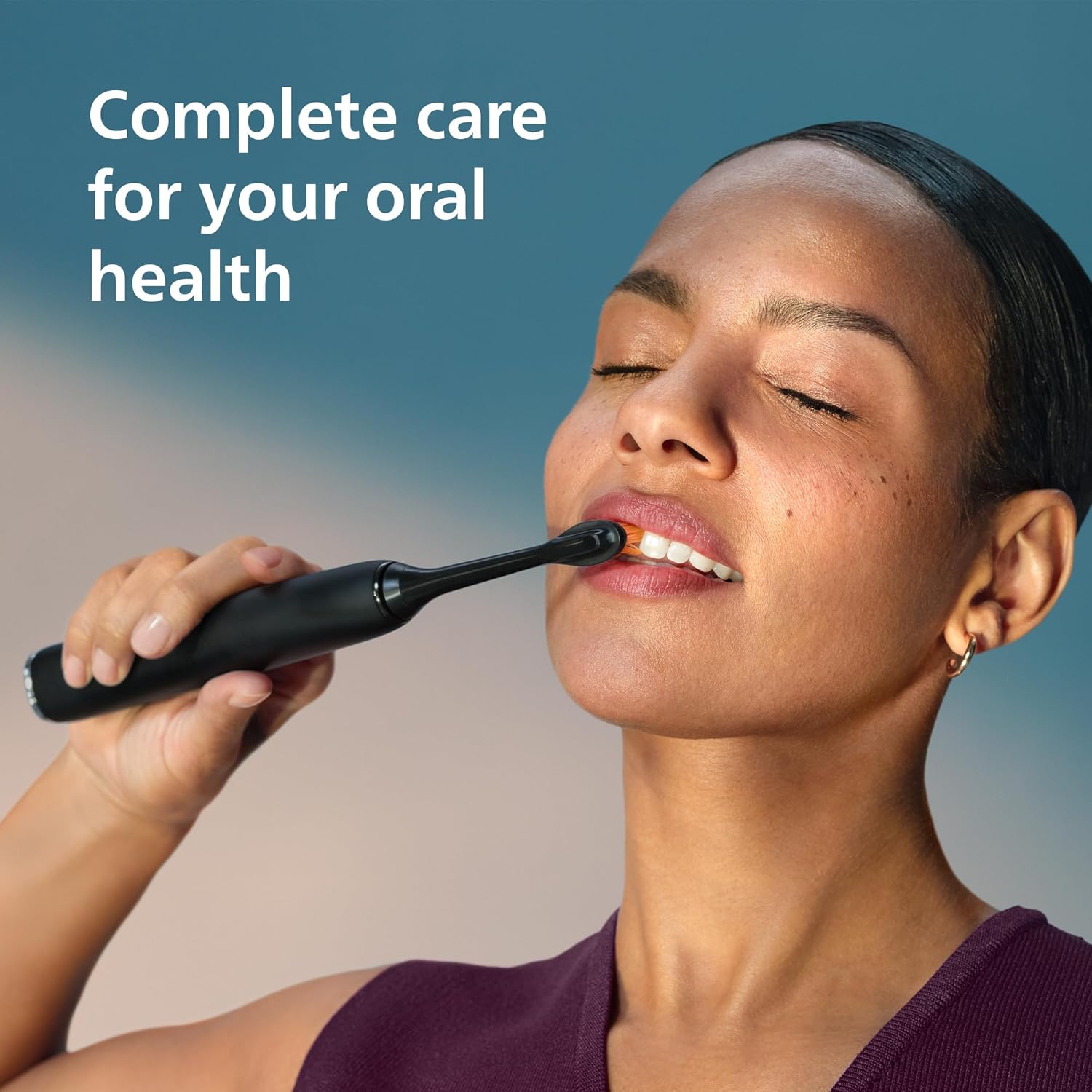
The Philips Sonicare DiamondClean Smart 9400 sits clearly in the high-end segment of electric toothbrushes. On paper, it throws in almost every modern feature you can imagine: sonic technology up to 62,000 movements per minute, Bluetooth with an app, pressure sensor, brush head recognition, four brushing modes and three intensity levels. It’s marketed as removing up to 20x more plaque and up to 15x healthier gums compared to a manual brush, which gives a good idea of the positioning: this is meant to be a serious upgrade over a basic brush, not just a gadget.
With a 4.3/5 rating from a few hundred Amazon reviews, buyers are mostly satisfied. Comments often highlight strong cleaning performance and the sense of having “just left the dentist” after brushing. The app and coaching features also get mentioned regularly, especially by people who admit their brushing routine wasn’t great before and who wanted guidance on angles, duration, and pressure. The included four brush heads and travel case help justify the premium image.
It’s not all praise, though. Among the reviews, there are some grumbles about price, brush head replacement cost, and occasional reliability or charging issues. A few buyers feel the app is overkill once you’ve learned good habits, while others say they barely use the connectivity after the first weeks. That lines up with what often happens with smart hygiene products: the tech is useful at the beginning, then usage depends on the person’s discipline and interest in data.
In my opinion, this model targets users who want more structure and feedback in their oral care rather than people just looking for the cheapest electric brush. If you simply want a no-frills sonic toothbrush, the spec sheet here might look a bit overbuilt. But if you like the idea of real-time pressure alerts, guided routines and multiple modes, the DiamondClean Smart 9400 has arguments, as long as you accept the high purchase price and ongoing head costs.
Value for money: strong feature set, but you pay for it
The Sonicare DiamondClean Smart 9400 is clearly positioned as a premium electric toothbrush. The price is usually significantly higher than basic or even mid-range sonic brushes, and you need to add the recurring cost of replacement heads, which are also not cheap. In exchange, you get a full kit: four brush heads, travel case, smart handle with Bluetooth, multiple modes and intensities, pressure sensor, brush head recognition and a bathroom-ready charger. On paper, the package is loaded with features.
In the Amazon comments, reactions to value are mixed but lean positive. Many buyers say they feel the price is justified by the cleaning performance and the app guidance, especially if they previously had gum issues or poor brushing habits. Some mention that their dentist or hygienist noticed improvements in plaque and gum health, which for them makes the initial outlay worthwhile. Others like the convenience of having multiple heads included from the start, which delays the first replacement purchase.
On the flip side, several reviews point out that cheaper Sonicare models offer very similar core cleaning performance without the app and advanced sensors. For someone who will never open the app after the first week, the extra money spent on connectivity and brush head detection may not bring real daily benefits. There are also critical comments about the cost of replacement heads over time, which can add up quickly for households with multiple users or frequent replacement habits.
In my opinion, the value for money is good only if you actually use the smart features. If you want coaching, pressure feedback, mode customization and you care about fine-tuning your oral care routine, the 9400 makes sense and the higher price can be defended. If you just want a strong, reliable sonic clean without app tracking, you can probably save a decent amount by dropping to a simpler Sonicare or even a non-connected competitor. This model is for people who see oral care as an area where they’re willing to invest, not for someone hunting for the lowest possible cost per brush.
Design: sleek, modern handle with smart indicators
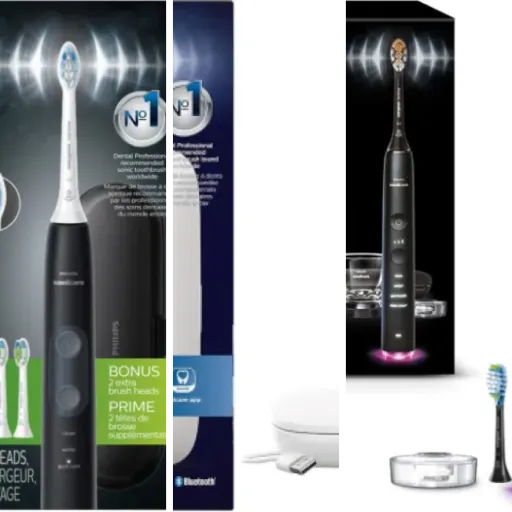
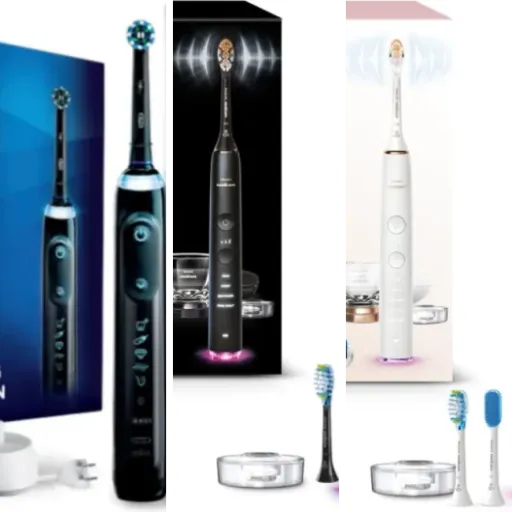
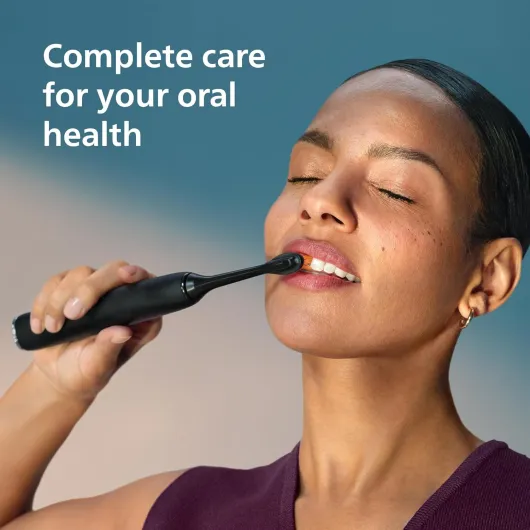
The DiamondClean Smart 9400 comes in a black finish, which gives it a more discreet and modern look compared to the classic white/blue electric brushes. The handle is made of plastic, with a design geared toward bathroom use and easy cleaning. There are no flashy design claims; instead, Philips seems to focus on a clean, simple silhouette and clear icons for modes and intensity. The overall kit arrives in a boxed package with the handle, four brush heads, a charger and a travel case, so it’s obviously positioned as a complete set rather than a bare-bones starter.
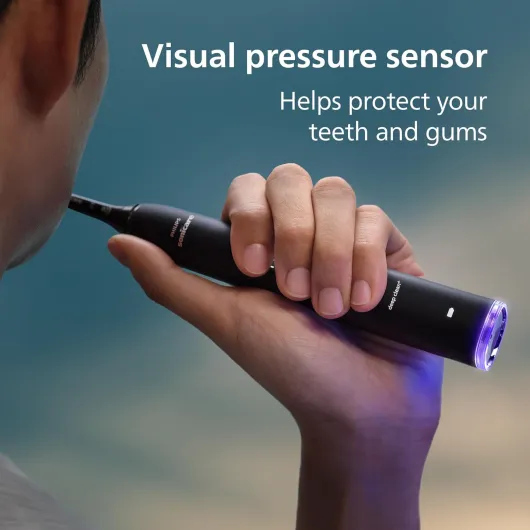
One of the key design elements is the light ring pressure sensor at the end of the handle. According to the description, it flashes if you press too hard, providing real-time feedback. Several reviews mention this as a useful feature, especially for people who tend to scrub like with a manual brush. Visually, this ring is also a functional design choice: it’s more intuitive than a tiny LED somewhere on the body, and it fits the premium positioning of the product.
The interface is based on physical controls and indicator lights. You can select between 4 modes and 3 intensity levels, and the handle automatically matches modes to brush heads thanks to brush head detection. Buyers mention that the handle feels high-end visually and that the mode changes are straightforward once you understand the icons. The QuadPacer and brushing timer are integrated in the vibration pattern, which keeps the handle free of extra buttons or screens. This approach keeps the design cleaner but assumes users will remember what each light and vibration pattern means.
From an analytical point of view, the design is coherent with the price point: premium look, minimal clutter, and smart visual feedback. The main compromise is that some people may prefer a more basic handle without Bluetooth or sensors if they want simplicity and lower cost. For tech‑friendly users who don’t mind pairing to an app and learning the icons, the design should be easy enough to live with and visually fits in a modern bathroom setup.
Battery and charging: strong longevity with a few caveats
The product sheet does not spell out an exact battery capacity in mAh, but Sonicare handles in this range are usually designed to last for multiple weeks on a single charge with standard twice‑daily use. The DiamondClean Smart 9400 comes with an AC-powered charger and a UK 2‑pin bathroom plug, which is convenient for typical UK bathroom sockets. The inclusion of a travel case suggests the battery is meant to cope with trips without needing the charger every couple of days, which is standard for premium brushes.
Among the published reviews, many buyers mention that the battery life is good or very good, often describing it as lasting well beyond a week between charges under normal use. This matches what you’d expect from a high-end Sonicare. Users who share details often say they charge it infrequently and appreciate not having to think about it constantly, especially when sharing a bathroom socket with other devices like shavers or hair tools.
However, there are a few negative comments about reliability over time, including cases where the handle stopped charging properly or where the battery life seemed to decrease faster than expected after several months. One buyer describes a frustrating situation where the toothbrush would no longer hold a charge and effectively became unusable until replaced under warranty. This kind of report remains a minority, but it’s important to keep in mind, especially for a product in this price bracket where people expect several years of trouble‑free use.
In my opinion, the battery and charging setup are in line with what you’d expect from a premium Sonicare: long autonomy, simple charging, bathroom‑ready plug. The main concern is long‑term reliability, which can be a weak point on many rechargeable bathroom devices, not just this one. Given the few complaints, it seems wise to register the product and keep proof of purchase in case warranty support is needed. If you travel a lot, the travel case plus solid battery life are definite positives, as long as you’re comfortable with the proprietary charging system instead of a universal USB solution.
Durability and reliability: premium price, mixed long‑term reports
From a materials standpoint, the handle is plastic with nylon bristles on the heads, which is standard for electric toothbrushes. The spec sheet even labels the material feature as “sustainable”, though there are no detailed claims about recycled content or specific eco-certifications. The product weight of 1.08 kg for the full box suggests a fairly robust charger and travel case, and Philips is an established brand in oral care, which usually inspires some confidence in durability.
Looking at the Amazon reviews, most buyers do not report immediate build quality issues. The handle is often described as solid, and the included travel case gets positive mentions for protecting the brush during trips. The fact that it sits fairly high in the sonic toothbrush best-seller list (49th in its category, with a 4.3/5 average) indicates that mass failure is not a common theme. For a product that people use twice a day in a humid environment, that’s a decent sign.
That said, durability complaints do appear. A few users mention that their brush developed issues with charging or powering on after a period of use, sometimes within the warranty window. One particularly detailed review explains how the handle stopped charging altogether and had to be replaced, which obviously left a bad impression given the high price. Others talk about reduced battery life or intermittent Bluetooth connection over time. While these reports are not the majority, they show that the product is not immune to the usual electronics-in-the-bathroom problems.
In my opinion, the durability picture is “good but not flawless”. The brand and build feel match the price, and most buyers seem to use their brush without incident. However, given the cost and the complexity (Bluetooth, sensors, smart features), there are more components that can fail compared to a very simple electric brush. If longevity is your top priority and you don’t care about apps or modes, a simpler mid-range model might be a safer bet. If you’re set on the DiamondClean Smart 9400, it makes sense to treat it carefully, avoid dropping it, and keep an eye on warranty coverage in case a rare failure happens.
What the DiamondClean Smart 9400 actually offers
The Sonicare DiamondClean Smart 9400 (model HX9918/89) is a sonic electric toothbrush aimed at adults, with a unisex design and a black finish. It comes with a handle, four brush heads, a travel case, and a charger with a UK 2‑pin bathroom plug. The handle uses Philips’ sonic technology, advertised at up to 62,000 bristle movements per minute, which is meant to push fluid between teeth and along the gumline. The brush head shape is oval, and the heads are designed to tackle plaque, gum care, and stain removal, matching the different brushing modes.
The toothbrush offers 4 brushing modes (Clean, White+, Gum Health, Deep Clean+) and 3 intensity levels, which gives a total of seven possible combinations. On paper, that lets you fine-tune your routine: a higher intensity Clean mode for everyday plaque removal, a gentler Gum Health mode if your gums are sensitive, and a deeper, longer Deep Clean+ session when needed. The handle is automatic, with a built-in timer and QuadPacer to help you cover all four quadrants of your mouth for the recommended duration.
Connectivity is another key part of the package. The handle has Bluetooth and pairs with the Philips Sonicare app. According to the description and various reviews, the app offers personalized brushing guidance, tracks your habits, and uses data from smart sensors (including pressure and brush head recognition) to show you where you might be missing spots or pressing too hard. Some buyers mention that the app helped them realize they were brushing too aggressively or not long enough, especially at the back teeth.
Weighing 1.08 kg for the whole boxed package (handle, charger, heads, case), the product isn’t exactly minimalist in terms of kit, but that’s in line with its high-end positioning. In my opinion, the presentation is very clear: this is not just a powered brush, it’s a connected oral care system built around coaching and customization. The downside is obvious too: more features mean more complexity and a higher price, so it mainly makes sense for users who will actually use the app and modes instead of leaving everything on default Clean mode.
Effectiveness: plaque removal, gum health and stain reduction
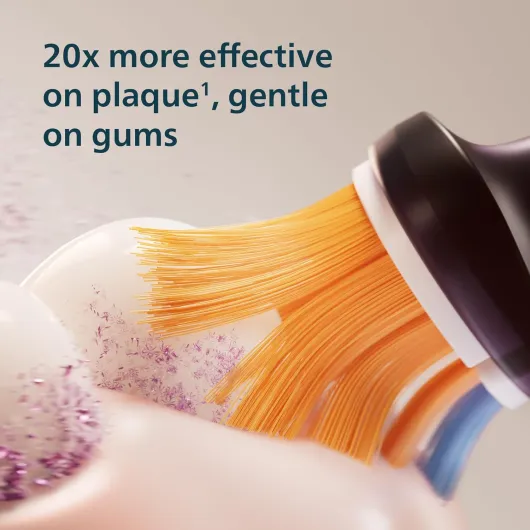
On paper, the DiamondClean Smart 9400 is clearly built around performance claims. Philips advertises up to 20x more plaque removal, up to 15x healthier gums, and up to 100% more stain removal compared to a manual toothbrush. These numbers are typical of high-end sonic brushes and rely on the 62,000 bristle movements per minute plus tailored brush heads. Clean mode targets daily plaque, White+ is for stain removal, Gum Health is a gentler mode for the gumline, and Deep Clean+ focuses on longer, more thorough brushing.
In the Amazon comments, many verified buyers say their teeth feel noticeably cleaner compared to their old manual brush or older electric models. Several people mention a “dentist clean” sensation and report that their gums bleed less after switching, which suggests the combination of modes and pressure control is doing its job for them. Some reviews also note visible whitening over time, especially when using the White+ mode consistently, though results obviously vary depending on habits like coffee or smoking.
The app-based coaching and real-time feedback appear to contribute to effectiveness for users who actually engage with them. The brush head detection automatically selects an appropriate mode for the head, which reduces the risk of using too strong an intensity on sensitive areas. The pressure sensor ring warns you when you press too hard, helping prevent gum recession and enamel wear. Buyers who mention using these features consistently tend to talk about improved brushing habits and more even coverage of all tooth surfaces.
It’s not perfect for everyone. A minority of reviews feel the difference compared to cheaper Sonicare models is not huge in day‑to‑day cleaning, especially if you already had decent technique. Others admit they rarely open the app after the first few weeks, which means they are not really using the coaching side that justifies part of the premium. In my opinion, the raw cleaning ability is clearly solid for a sonic brush, but the real added value comes if you make use of the modes, sensors and app; if you don’t, you’re paying extra for features that might stay unused.
Pros
- Strong sonic cleaning with up to 62,000 bristle movements per minute and multiple specialized modes
- Smart features (pressure sensor, brush head detection, Bluetooth app) that help improve brushing habits
- Includes four brush heads, travel case, and bathroom-ready UK 2-pin charger, giving a complete premium kit
Cons
- High purchase price plus expensive replacement heads over time
- Some reports of charging and durability issues that are disappointing at this price
- Smart features and app add complexity and may be underused by people who just want simple daily brushing
Conclusion
Analysis score
The Philips Sonicare DiamondClean Smart 9400 is a high-end sonic toothbrush that leans heavily on technology and coaching. On paper, it delivers strong cleaning power (up to 62,000 movements per minute), multiple modes and intensities, and smart features like pressure sensing and brush head recognition. The Philips Sonicare app adds another layer with personalized guidance and habit tracking. The 4.3/5 average rating and many positive reviews suggest that, for a lot of users, the promise of cleaner teeth and healthier gums is largely met.
It’s not a perfect product, though. A minority of buyers report durability or charging issues, which is frustrating at this price level. The ongoing cost of replacement heads is also something you can’t ignore. And if you’re not going to use the app or advanced modes, a simpler and cheaper sonic brush might give you 80–90% of the cleaning benefit for less money. In my opinion, this model makes the most sense for people who want structured coaching, have had gum or plaque issues, or simply like connected health devices and will actually engage with the data.
If you’re looking for a premium-feeling brush, want pressure feedback and guided routines, and are okay with the higher price and head costs, the DiamondClean Smart 9400 is a solid candidate. If your priority is maximum simplicity, rock-bottom cost, or you’re skeptical about Bluetooth in a toothbrush, you’re probably better off with a mid-range Sonicare or a non-connected competitor.