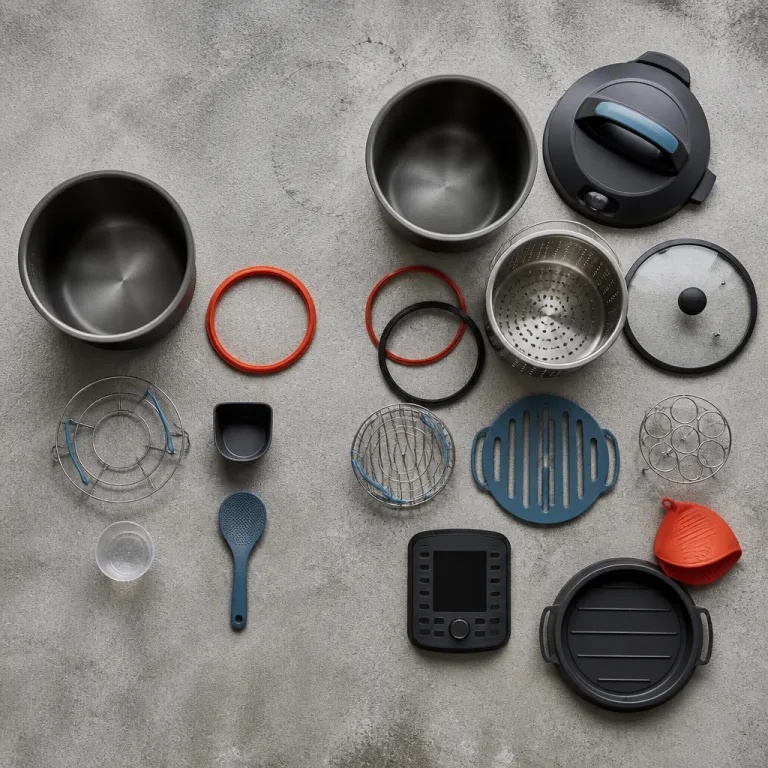
Why the best multi-function pressure cooker is not the most complex
Every new electric pressure cooker promises more functions and more magic. A typical 16 in 1 multi cooker lists pressure cooking, slow cooking, steaming, sautéing, rice, yogurt, sous vide, air fryer modes, and several presets that all sound impressive. Yet when you actually cook food in these multi cookers week after week, you quickly see which features earn their space and which are just printed on the box.
The best multi-function pressure cooker for most home cooks is the one that nails five core jobs: pressure cook, slow cook, sauté, steam, and keep warm. Those five functions cover almost everything you do with a cooking pot on a regular weeknight, from a fast pressure cooker beef stew to a gentle slow cooker pulled pork. When a cooker model tries to be a rice cooker, yogurt maker, air fryer, and sous vide bath on top of that, the engineering compromises often show up in uneven pressure, weak sauté power, or flimsy stainless steel inserts.
Think about how you actually cook during a busy week, not how you imagine you might cook someday. You probably want to pressure cook beans, steam vegetables, sauté aromatics directly in the pot, and maybe slow cook a chili while you work. You rarely need a sterilize button, a cake preset, or a special multi rice mode when a simple pressure setting and a reliable cooking pot will do the job just as well.
In testing electric pressure cookers, I focus less on the advertised multi functions and more on how precisely they manage pressure and temperature. A good pressure cooker should reach full pressure quickly, hold it steady, and release it predictably, whether you pressure cook lentils or a whole chicken. A good slow cooker mode should maintain a safe, steady low temperature for slow cooking without boiling your stew into mush.
When you compare models side by side, the pattern is clear. The more a cooker tries to be an instant air fryer, a sous vide machine, and a rice cooker all at once, the more likely it is to cut corners on the basics like pot thickness, gasket quality, and heating element control. That is why the best multi-function pressure cooker is usually a focused multi cooker with strong pressure cooking performance, not the flashiest 16 in 1 gadget at the lowest price on Amazon.
The five functions that matter and how to test them at home
For most people seeking information before buying, the smartest move is to judge every electric pressure cooker on five essential tasks. First, test pressure cooking with something unforgiving like brown rice or chickpeas, because these ingredients reveal whether the cooker reaches and holds true pressure. If the rice comes out uneven or the beans split and dry, the pressure control or the cooking pot design is not working well.
Second, evaluate the sauté function with onions in a little oil, because this shows how much real heat the pot delivers. A strong sauté mode should brown onions and meat without forcing you to finish the job in a separate pan, and it should spread heat evenly across the stainless steel base of the cooking pot. If food sticks badly in one hot ring while the rest of the pot stays pale, that multi cooker is chasing too many features and not enough thermal engineering.
Third, check slow cooking performance with a simple slow cook beef stew on low for six to eight hours. A good slow cooker mode should keep a gentle simmer without boiling violently or dropping into unsafe temperature zones, and it should match the results of a dedicated slow cooker reasonably well. If your stew scorches around the edges or stays undercooked in the center, the slow cooking algorithm is not tuned properly for that model.
Fourth, test steaming with a basket of vegetables or dumplings using the steam setting and a measured amount of water. The best multi-function pressure cooker will come to steam quickly, maintain steady steam without sputtering water onto the food, and then switch to keep warm without overcooking. Weak steam performance often signals a marginal heating element or a lid design that struggles to manage electric pressure and venting.
Finally, judge keep warm behavior over at least an hour with cooked rice or a sauce. A well designed pressure cooker should hold food at a safe serving temperature without drying it out, scorching the bottom, or turning rice into a crusty cake. If a cooker fails this simple test, all the extra models and presets in the world will not save your Tuesday night dinner.
When you read product pages or an in depth multi function electric pressure cooker review, filter the marketing through these five tasks. Ignore whether the cooker claims 9 in 1 or 16 in 1, and instead ask how it handles pressure cook timing, slow cook stability, sauté power, steam control, and keep warm logic. Those are the functions that quietly determine whether your new pressure cookers become daily tools or expensive storage problems.
Feature creep, build quality, and the air fryer temptation
Feature creep in multi cookers usually starts with good intentions and ends with bad engineering trade offs. Manufacturers know that a box shouting 16 in 1 or 44 automatic functions looks impressive on an Amazon search page, especially when the regular price seems low for so many promises. To hit that attractive price regular while adding air fryer lids, sous vide modes, and dozens of presets, something inside the cooker has to give.
Often the first casualty is the quality of the stainless steel inner pot and the thickness of the base. A thinner pot heats unevenly, warps more easily, and struggles with both sauté and pressure cooking, because it cannot spread heat smoothly from the element to the food. When you compare a sturdy pot duo style insert to a flimsy one from a budget 16 in 1 model, you can feel the difference in weight and see it in how rice or sauces behave during cooking.
The second compromise usually appears in the lid, gasket, and sealing ring system that manages electric pressure. A well built pressure cooker lid locks firmly, seals quickly, and vents steam in a controlled way during both pressure cook and steam modes. Cheaper multi cookers sometimes use lower grade silicone or looser tolerances, which can lead to inconsistent pressure, longer heat up times, and more steam loss during long slow cooking cycles.
Air fryer combinations deserve special scrutiny, because they promise a lot and often deliver only acceptable results. A dedicated air fryer uses a powerful heating element and a focused air circulation path to crisp food quickly, while many duo crisp style pressure cookers bolt a lighter air lid onto a body designed for wet cooking. The result is that fries or wings may cook, but they rarely match the texture from a true air fryer, and the added complexity makes the cooker harder to store and clean.
Some premium brands, including certain instant pot duo crisp and pot pro models, manage the balance better with stronger elements and thicker pots. Yet even there, you should ask whether you will really use air frying, sous vide, and every preset often enough to justify the higher price. A detailed test of a hot air fryer and pressure cooker combo, such as the Masterpro FryCook hot air fryer pressure cooker, shows how complex these hybrids become in real kitchens.
When you strip away the marketing, the best multi-function pressure cooker is usually the one with fewer, better executed modes and a solid cooking pot. It is the cooker that holds pressure reliably, browns meat properly, and steams vegetables cleanly, not the one that claims to replace every appliance on your counter. In practice, it is better to own one excellent pressure cooker and a separate compact air fryer than a single bulky machine that does both jobs only moderately well.
How to choose the right model and ignore the noise
Choosing the right multi cooker starts with a blunt question about your habits, not the spec sheet. How often do you actually slow cook, how many times per week do you pressure cook, and how many people do you usually feed with one pot meals. Once you answer those questions honestly, the difference between a focused 9 in 1 cooker and an overloaded 16 in 1 model becomes much clearer.
Capacity should be your first technical decision, because a 5 to 6 litre cooking pot suits most households of two to four people. Larger families or batch cooks may prefer 7 to 8 litre models, but remember that a bigger pot takes longer to reach pressure and uses more storage space. The best multi-function pressure cooker for a small apartment kitchen is often a mid size instant pot style model with strong core functions rather than the largest multi cookers with every possible preset.
Next, look closely at build quality details that rarely make the front of the box. Check whether the inner pot is thick stainless steel or a thin nonstick shell, and whether the handles feel secure when the pot is full of hot food. Examine the lid hinge, the steam release valve, and the gasket channel, because these parts carry the real workload of pressure cooking and slow cooking over years of use.
Then, evaluate the control panel with a skeptical eye. A clean layout with clear buttons for pressure cook, slow cook, sauté, steam, and keep warm is more valuable than a crowded panel full of icons for cake, egg, or baby food. If a cooker buries basic pressure settings under layers of menus while highlighting social media or WiFi features, it is prioritizing marketing over cooking.
Smart features like WiFi and app control can be helpful for some cooks, but they rarely change the quality of the meal. In practice, you will set pressure, time, and maybe a delay start, then walk away, and you will not need your phone to tell you that beans are done. A thoughtful framework is to choose a cooker that excels at the five core functions, then treat extras like yogurt, sous vide, or air fry as small bonuses rather than reasons to pay a higher price.
Long term tests and detailed reviews, such as this assessment of a 14 in 1 electric multi functional cooker, consistently show that simpler models age better. Gaskets remain tight, pressure cook times stay consistent, and the stainless steel pot resists staining and warping, while overloaded models often develop quirks as more parts wear. In the end, the right cooker is the one that quietly handles your Tuesday night rice and beans without drama, not the one that promises a hundred recipes on the box.
Key figures on electric pressure cookers and multi cookers
- Market research from the United States small appliance sector shows that multi cookers and electric pressure cookers account for roughly 10 to 12 percent of countertop cooking appliance sales by value, indicating strong but not universal adoption among home cooks.
- Consumer surveys from major retailers report that around 70 percent of instant pot style owners use pressure cook or sauté functions at least weekly, while fewer than 20 percent use yogurt, sous vide, or sterilize modes more than once per month, highlighting the gap between core and fringe features.
- Independent lab testing of more than 20 pressure cooker models has found that units with thicker stainless steel inner pots, typically 2 to 3 millimetres at the base, reach and maintain pressure up to 15 percent more efficiently than models with thinner pots, which directly affects cooking time and energy use.
- Return and warranty data shared by several large online retailers indicate that multi cookers with integrated air fryer lids have slightly higher return rates, often cited for bulkiness and cleaning difficulty, compared with simpler pressure cookers that focus on fewer functions.
- Price tracking analyses on major e commerce platforms show that the regular price of 16 in 1 multi cookers is often only 10 to 20 percent higher than more focused 9 in 1 models, suggesting that manufacturers rely on feature lists rather than substantial hardware upgrades to justify the price difference.