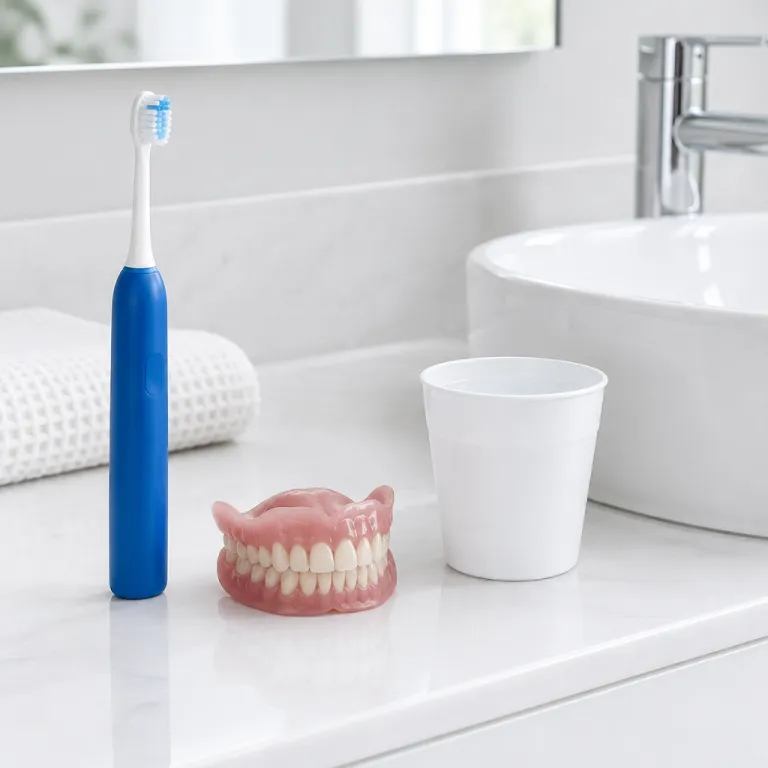
Understanding Denture Brushes and Electric Toothbrushes
Understanding the Unique Needs of Dentures and Brushes
When it comes to oral care, the needs of those with dentures differ greatly from those with natural teeth. Dentures require a delicate approach in cleaning to ensure their longevity and maintain their aesthetics. That's where both traditional denture brushes and modern electric toothbrushes play pivotal roles.
Denture brushes are specifically designed for cleaning dentures. They often feature a double-sided design with soft and hard bristles that can tackle a variety of cleaning tasks. The soft bristles are ideal for gentle cleaning, while the harder, more rigid bristles help remove stubborn debris. This multi-layered approach can be quite effective for false teeth care.
On the other hand, an electric toothbrush offers an advanced cleaning experience that manual brushing simply cannot replicate. When used with the right technique, electric toothbrushes can deeply clean dentures, removing build-up and ensuring optimal oral hygiene. Their vibrating handpieces provide efficient cleaning without requiring excessive force, which is beneficial for those with partial dentures or a denture reline.
The choice between traditional denture brushes and electric toothbrushes often depends on personal preference and specific care needs. For some, the comprehensive set of accessories available with electric toothbrushes can be a deciding factor. Meanwhile, others may opt for the classic feel and control of a manual cleaning brush.
As we delve further into this guide, we'll explore the myriad benefits of electric toothbrushes for dentures, tips for selecting the right product for your needs, and the proper techniques to ensure your dental instruments provide lasting results. For those still pondering their choice, you might find our guide on choosing the right tools for your personal grooming needs insightful. Access the full article
here.
Benefits of Using Electric Toothbrushes for Dentures
For those with dentures, maintaining optimal dental hygiene is crucial, especially when incorporating the right tools to ensure meticulous cleaning. Electric toothbrushes emerge as a noteworthy choice in this regard, with benefits that underscore their suitability for denture wearers.
One of the most significant advantages is the efficiency of these instruments. Unlike manual brushing, electric toothbrushes often come with specialized features such as oscillating or vibrating bristles, which provide a superior clean. The dynamic motion of an electric toothbrush can reach the crevices and multi-layered surfaces of dentures, ensuring comprehensive oral care.
Efficiency and Effectiveness with Soft Bristles
It's important to consider the design of your cleaning tool. Many electric toothbrushes are equipped with soft bristles, gentle yet effective enough to tackle plaque without risking damage to dentures. Soft bristles navigate around false teeth or partial dentures, removing debris without abrasion.
Furthermore, the use of an electric toothbrush can diminish the manual labor required in traditional brushing methods. By evenly distributing pressure across the surface of the dentures, they reduce the risk of uneven cleaning or scratches, which is especially beneficial for those with limited dexterity.
Advanced Features for Better Control
Modern electric toothbrushes often boast features that enhance user control. For instance, a rubber anti-slip handle ensures stability and precision during your oral hygiene routine. Incorporating elements like a timer or pressure sensor can further promote effective denture care by guiding proper brushing duration and pressure.
Considering thoughtful advances in electric toothbrush technology, they embody the
perfect electric toothbrush for comprehensive denture care. Many sets even come in a complete kit or pack, which can include exchangeable brush heads, offering a practical solution to maintain oral health.
In conclusion, while exploring the benefits of electric toothbrushes for denture maintenance, it's evident that these products support and enhance traditional methods. Their design and functionality cater specifically to the delicate nature of denture cleaning, making them a valuable addition to personal dental care routines.
Choosing the Right Electric Toothbrush for Dentures
Factors to Consider When Selecting Your Electric Toothbrush
Choosing the right electric toothbrush for dentures can significantly impact your dental care and overall oral health. A toothbrush specifically designed to handle dentures, along with a suitable denture brush, will ensure effective cleaning and long-lasting denture care.
When on the lookout for the ideal model, consider the following factors:
- Brush Head Design: Opt for an electric toothbrush with a brush head that mimics a soft, double-sided denture brush. The presence of multi-layered bristles will allow for gentle yet thorough cleaning of dentures and partial dentures, safeguarding them against abrasive damage.
- Bristle Softness: Soft bristles are essential to prevent scratching and wear on dentures and false teeth. Electric brushes with soft bristles will be gentle enough for daily use while being effective against plaque buildup.
- Handle and Grip: Ensuring you have a comfortable grip on your electric toothbrush is a must. A slip handle or one with a rubber anti-slip feature can provide better control, even when wet. This is crucial for precise cleaning around the contours of dental instruments and dentures.
- Additional Accessories: Some electric toothbrushes come with a versatile set of accessory kits, which might include a pack of replacement heads or specialized brushes for various cleaning needs. These bundles often provide oral brush care tailored for different dental situations.
- Performance Features: Check for models with adjustable speed settings. Users sometimes require different intensity levels based on the sensitivity of their gums or the condition of their handpiece and dentures.
By weighing these aspects, you’ll be better equipped to select an electric toothbrush that aligns with your denture care needs. For those seeking more comprehensive insights, consider exploring a
comparison of popular models for detailed evaluations.
Proper Technique for Cleaning Dentures with Electric Toothbrushes
Mastering the Technique for Denture Cleaning with Electric Toothbrushes
When it comes to using an electric toothbrush for cleaning dentures, employing the proper technique is crucial for maintaining their condition and ensuring optimal oral hygiene. Here are some essential tips to get you started:
- Use the Right Brush Head: Electric toothbrushes come with a variety of brush heads. For denture care, select a brush head with soft bristles. Soft bristles are gentle on dentures and help prevent scratching or damaging the surface.
- Double-Sided Brushes: Consider using a double-sided denture brush. This tool usually features a small stiff-bristled head on one side for tackling more robust cleaning and a larger softer bristled side for general care.
- Angling: Gently hold the handpiece of your electric toothbrush at a 45-degree angle. This positioning helps effectively remove plaque and food particles from the surface of your dentures without applying excessive pressure.
- Short, Gentle Strokes: Allow the toothbrush to do the work. Guide the brush over the dentures using short, gentle strokes, letting the bristles reach into grooves and between dental accessories. This careful approach helps prevent discomfort and potential damage.
- Rinse Regularly: Constantly rinse your dentures under warm water during the cleaning process to wash away loosened debris. Ensure all areas are thoroughly rinsed as part of your oral care routine.
Consistently using the correct technique enhances the lifespan and efficiency of your cleaning instrument. Avoid using cleaning products not designed for dentures, and consult with your dental health provider if you have any concerns about your denture cleaning technique.
Common Mistakes to Avoid When Using Electric Toothbrushes on Dentures
Steering Clear of Common Pitfalls
When it comes to using electric toothbrushes for denture cleaning, there are a few pitfalls one must steer clear of to ensure optimal denture care. Here are some frequently encountered missteps:
- Avoiding the Use of Gentle Bristles: Opting for soft bristles is paramount when dealing with dentures. Hard or coarse brushes can damage the surface of the denture, reducing the lifespan of your false teeth. The double-sided denture brush set is ideal for this delicate task.
- Skipping the Handpiece Inspection: Regular inspection of your toothbrush's handpiece is essential. The rubber anti-slip handle typically offers better grip, ensuring maneuverability during denture cleaning.
- Neglecting to Clean Underneath Dentures: It's crucial to properly clean both the outer surface and underneath the denture. A multi-layered bristle cleaning brush will efficiently clean these hard-to-reach areas.
- Overlooking Proper Brush Technique: Utilizing the correct technique is vital. Gently guide the toothbrush across all surfaces of your denture with small, circular motions, taking extra care with areas that require more focus due to partial dentures or denture reline adjustments.
- Forgetting to Replace Brush Heads: Make sure to replace your toothbrush's head regularly. Consider purchasing a denture care kit or a pack of replacement heads, ensuring they are compatible with your current electric toothbrush model.
Being mindful and deliberate in avoiding these common mistakes will lead to a more effective and safe denture cleaning experience, prolonging the life and condition of your dental prosthesis.
Maintaining Your Electric Toothbrush for Optimal Denture Care
Keeping Your Electric Toothbrush in Prime Condition
Proper maintenance is crucial to ensure the best results when using an electric toothbrush for denture care. A well-maintained toothbrush, especially the handpiece, can significantly enhance the longevity and efficiency of your denture cleaning regime.
- Regular Cleaning: After each use, clean your toothbrush head thoroughly to remove any accumulated debris. Rinse the bristles, and don’t forget the instrument’s handle to avoid any build-up of grime.
- Replace Brush Heads: Regular replacement of the brush heads is advised, typically every three months or as indicated. Keeping fresh brushes ensures that the soft bristles remain effective in cleaning both hard denture surfaces and delicate areas.
- Check the Battery: Monitor the battery life of your electric toothbrush. Rechargeable batteries might need periodic charging, while replaceable batteries need regular monitoring to ensure optimal power during your oral care session.
- Proper Storage: Store your toothbrush in a clean, dry place. Humidity can affect the efficiency of electric toothbrushes, so ensure your brush dries completely between uses.
- Use the Right Accessories: Consider investing in a set or kit that includes double sided brushes or a special denture brush to provide comprehensive care. This can include a rubber anti-slip handle for ease of use.
Taking these care tips seriously will help maintain your electric toothbrush in the best possible condition, ensuring it remains an effective tool in your denture cleaning routine.