Key materials: plastic, stainless steel, and glass compared
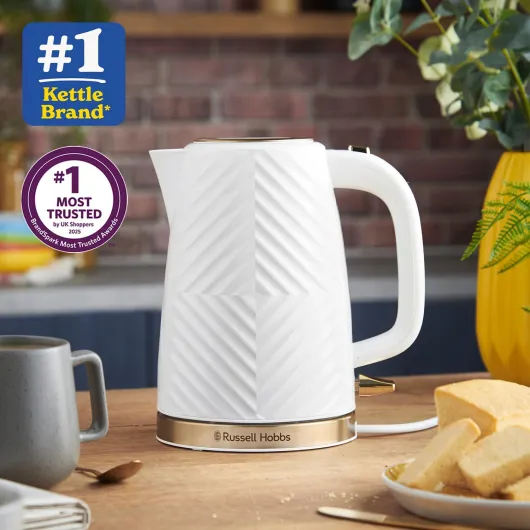
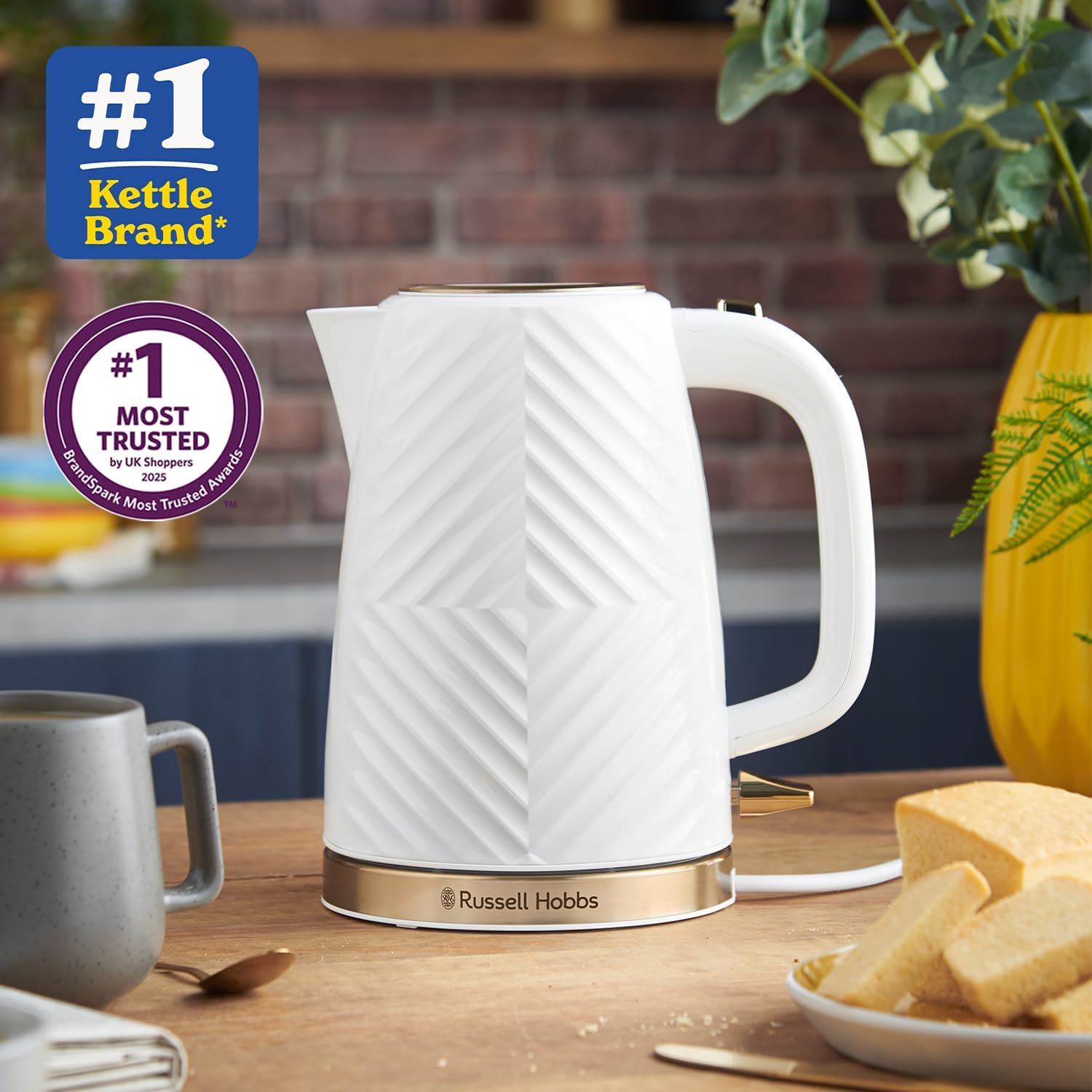
Material choice defines how safe, durable, and quiet your electric kettle feels in daily use. Plastic shells help dampen noise, which is why many of the best BPA-free plastic electric kettles are noticeably quieter than bare stainless steel models that ring or ping when heating. If you value a calm kitchen, pairing a plastic exterior with a stainless steel interior can be a smart compromise between comfort and a largely plastic-free water path.
When you compare plastic-bodied kettles with full metal or glass kettles, focus on every surface that touches water, steam, or condensed droplets under the lid. A high-quality stainless steel interior resists corrosion, avoids off flavours, and works well with limescale filters at the spout, while borosilicate glass offers visual reassurance because you can see any residue building up. Many shoppers who want a plastic-free experience inside the chamber still appreciate a plastic handle and base for grip, insulation, and protection against hot metal.
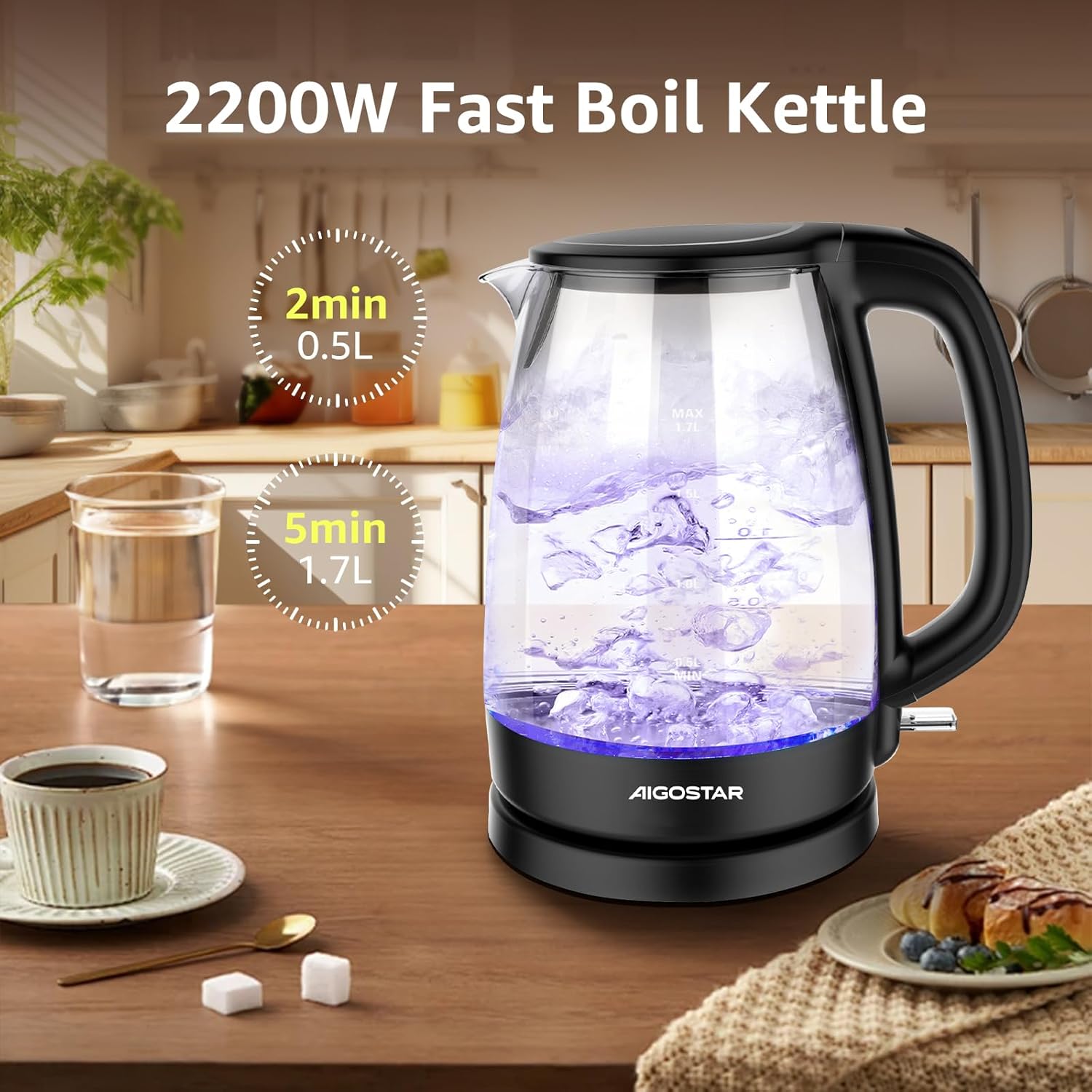
Glass kettles look elegant on the counter, and borosilicate glass resists thermal shock better than ordinary glass. However, a glass tea kettle can be louder and hotter to the touch than a plastic electric kettle, especially when the boiling water rolls vigorously against the walls. If you are sensitive to noise, consider models highlighted in independent tests of quiet electric kettles with insulated bodies that often combine plastic and stainless steel layers to muffle sound.
Stainless steel electric kettles remain the benchmark for durability and neutral taste. A stainless body with a tight-fitting lid and a well-angled spout usually pours more cleanly than many lightweight plastic kettles, which sometimes flex slightly when full. For buyers who still prefer plastic kettles, look for designs where the plastic is structural only and the stainless steel or glass interior fully shields boiling water from synthetic parts, including under the lid and around the spout.
Stovetop kettles made from stainless steel or enamelled steel avoid electric components entirely, yet they heat more slowly and lack automatic shut-off. Electric tea kettles, by contrast, offer precise temperature control and faster boiling, which can offset any concerns about plastic by reducing the time water stays hot against the interior surfaces. Whether you choose an electric kettle, a stovetop model, or a hybrid glass-and-steel design, prioritise BPA-free certification and clear material labelling on every model you consider.
Temperature control and performance for tea, coffee, and beyond
Performance is where the best BPA-free plastic electric kettles separate themselves from budget models. Many health-conscious buyers also care deeply about flavour, and that means matching water temperature to the drink, whether it is green tea, black tea, herbal infusions, or pour-over coffee. A basic electric kettle simply boils water, while a more advanced tea kettle offers temperature control presets for different brews and keeps water at those levels without repeated reboiling.
Variable-temperature electric kettles let you choose precise heat levels, often between about 40 °C and 100 °C. This matters because delicate green tea tastes bitter if brewed with fully boiling water, whereas black tea and some coffee methods prefer near-boiling temperatures for proper extraction. When you combine accurate temperature control with a stainless steel or glass interior, you protect both taste and health by avoiding overheated plastic components and reducing unnecessary thermal stress on seals.
Among design-led models, the Fellow Stagg EKG has become a reference point for pour-over coffee enthusiasts. The Fellow Stagg EKG electric kettle uses a stainless steel body, a gooseneck spout for controlled pouring, a digital PID controller, and a powerful heating element that reaches target temperature quickly, although it is not a plastic kettle and typically sits at a premium price point. Many reviewers consider the Stagg EKG best in class for precision, and its popularity has pushed other brands to improve their own temperature-control tea kettles with similar features.
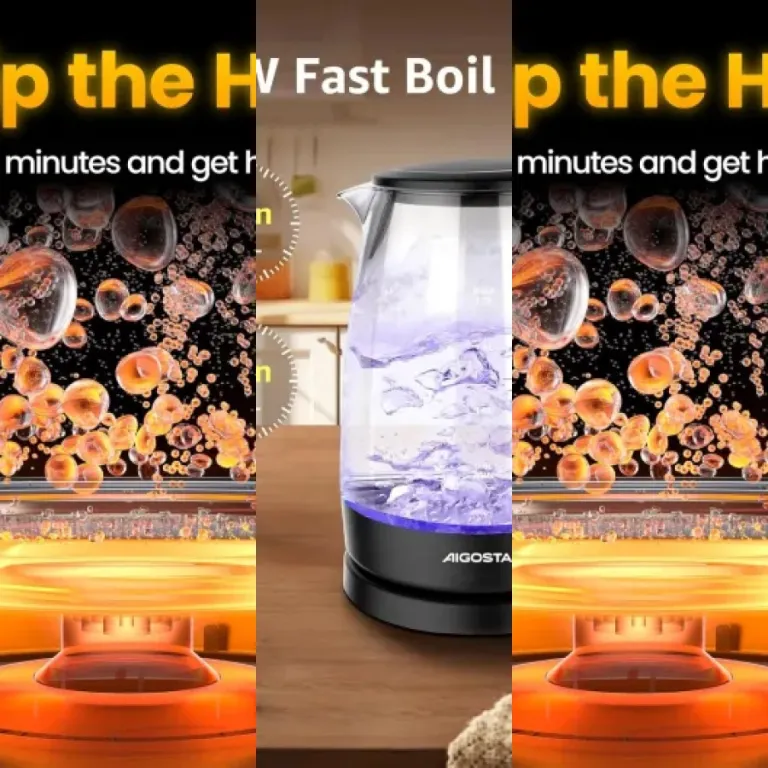
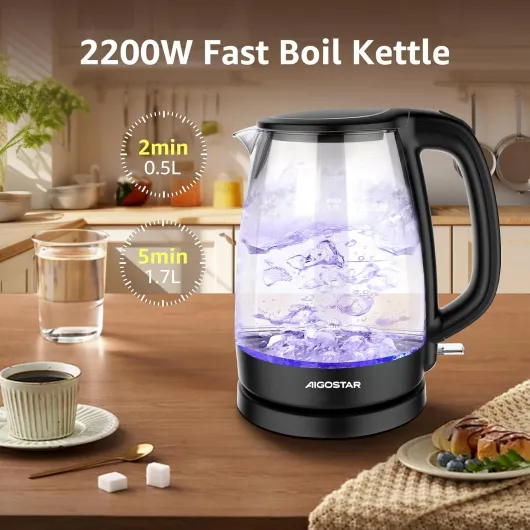
Tea drinkers who prefer glass kettles can find BPA-free electric kettles with illuminated borosilicate glass chambers and plastic-free water paths. These models often include keep-warm functions that hold water at a chosen temperature, which is useful for multiple cups of tea over an afternoon or for herbal infusions that steep longer. When evaluating such kettles, check that the lid underside, spout filter, and any internal scale guard are either stainless steel or certified BPA-free plastic designed for high-temperature contact.
Households that brew both tea and coffee should consider multi-mode electric kettles that store favourite temperature presets. Some of the best BPA-free plastic electric kettles combine a quiet insulated shell, a stainless steel interior, and a digital controller that remembers your last setting for boiling water or lower-temperature brews. For a deeper dive into how brew temperature shapes flavour across pour-over, Aeropress, and matcha, specialist guides on kettles that nail temperature and volume for tea can help you match a kettle to your exact routine.
Design details that separate safe kettles from frustrating ones
Beyond materials and temperature control, small design choices determine whether an electric kettle feels safe and satisfying. The best BPA-free plastic electric kettles pay close attention to the lid mechanism, handle ergonomics, and spout geometry, because these parts shape every interaction you have with boiling water. A poorly designed lid that snaps shut or traps steam can feel more dangerous than any theoretical chemical risk from plastic, especially in busy family kitchens.
Look for a kettle lid that opens smoothly with a button and stays open without slamming back down. This makes filling easier and keeps your hand away from rising steam, especially when the electric kettle has just finished boiling water. A wide lid opening also lets you inspect the stainless steel or glass interior for limescale, residue, or any damage to plastic seals that might compromise a plastic-free water path or allow leaks.
The spout deserves equal scrutiny, because it controls how safely boiling water leaves the kettle. Gooseneck spouts, like those on the Fellow Stagg and other pour-over focused tea kettles, offer exceptional control but slightly slower flow, which many coffee enthusiasts prefer for blooming and steady extraction. Traditional wide spouts on plastic kettles pour faster, yet they can splash if the kettle is too full or the handle angle forces an awkward wrist position during pouring.
Handle design affects both comfort and perceived weight, especially on larger electric kettles. A well-balanced stainless handle with a soft grip can make a full 1.7-litre kettle feel lighter than a poorly balanced plastic handle on a smaller model. When you test a kettle in store or read detailed reviews, pay attention to comments about wrist strain, grip comfort, and how easy it is to control the pour from full to nearly empty without twisting your arm.
Safety features round out the design checklist for any kettle best suited to family use. Automatic shut-off, boil-dry protection, and a stable base that resists tipping all matter more than cosmetic lighting or extra buttons, particularly when children may be nearby. If you plan to shop large online marketplaces, filter for BPA-free electric kettles with clear safety certifications and read verified buyer feedback that mentions lid reliability, spout control, and long-term durability rather than only appearance.
How to evaluate safety claims and avoid greenwashing
Marketing language around health and safety can be confusing when you compare the best BPA-free plastic electric kettles online. Some brands highlight a plastic-free interior while still using plastic windows or spout filters that touch hot water and steam, which complicates the picture. Others emphasise stainless steel or glass while quietly relying on adhesives or seals that are not clearly described in the specification sheet.
To cut through this noise, start by reading the technical specifications rather than the headline slogans. A trustworthy electric kettle listing will specify which parts are stainless steel, which are plastic, and whether every water-contact surface is BPA-free and food-grade. If a brand simply says “BPA-free” without clarifying whether that applies to the entire interior, lid underside, and spout filter, treat the claim with caution and look for more detailed documentation.
Independent testing and third-party certifications add another layer of reassurance. Look for references to recognised food-safety standards such as EU Regulation (EU) No 10/2011 on plastic materials or comparable national rules, and, when possible, cross-check the model name against consumer-organisation tests that evaluate both chemical safety and build quality in electric kettles. When reviewers highlight a kettle as one of the best low-toxin options, read their methodology to confirm that they inspected the interior and seals, not just the marketing copy.
Some buyers prefer to avoid plastic components entirely by choosing all-metal or glass kettles. A borosilicate glass tea kettle with a stainless steel lid and spout can offer a fully plastic-free water path, though the handle and base may still use plastic for insulation and stability. Stovetop kettles made from stainless steel or enamel-coated steel also appeal to those who want to keep electricity away from water, but they trade convenience and precise temperature control for simplicity and a more traditional ritual.
When you shop Amazon or any large retailer, use filters and search terms carefully to surface genuinely BPA-free electric kettles. Combine phrases like “stainless steel interior”, “borosilicate glass”, and “plastic-free water contact” with the model name, then read the questions and reply sections where owners often clarify what actually touches boiling water. This extra research time pays off in a kettle that aligns with your health priorities rather than just echoing fashionable sustainability language or vague eco claims.
Matching a BPA-free kettle to your brewing habits and kitchen
Once you understand materials and safety claims, the final step is choosing among the best BPA-free plastic electric kettles for your specific routine. Start with capacity, because a single person making occasional tea needs a different electric kettle from a family brewing multiple rounds of hot drinks every morning. Oversized kettles waste energy when you repeatedly heat more water than you actually use, while very small kettles can feel limiting for guests.
For tea-focused households, a dedicated tea kettle with temperature control presets for green, oolong, and black tea can transform flavour consistency. Coffee enthusiasts who favour pour-over or Aeropress often gravitate toward gooseneck designs like the Fellow Stagg EKG, even if they are not plastic kettles, because the precise spout and stable temperature profile support repeatable brewing. If you want one appliance for both tea and coffee, look for electric kettles that combine variable temperature, a balanced handle, and a spout that pours smoothly at different flow rates.
Kitchen layout also shapes which kettle best fits your space and habits. Compact plastic kettles with a small footprint suit crowded countertops, while tall glass kettles showcase boiling water as a visual feature in more open kitchens. For readers who treat brew temperature as non-negotiable, in-depth guides on choosing a kettle when brew temperature is critical explain how to align capacity, spout design, and control schemes with different brewing methods.
Maintenance should not be overlooked, because a clean interior protects both taste and health over time. Stainless steel and borosilicate glass interiors usually handle descaling with simple vinegar or citric acid solutions, while complex plastic lids and spout assemblies can trap residue that is harder to reach. When comparing electric kettles, prioritise models with wide lid openings, removable filters, and smooth interior seams that make regular cleaning quick rather than a chore.
Finally, consider long-term value rather than only the initial price tag. A durable BPA-free electric kettle with a stainless steel or glass interior, reliable temperature control, and a thoughtful lid and spout design will outlast several cheaper plastic-heavy models that crack, stain, or develop off odours. By aligning material safety, brewing performance, and practical design, you can choose a kettle that supports your daily rituals and your health for many years.
Key figures on BPA-free kettles and material safety
- In a 2020 comparative test by the German consumer organisation Stiftung Warentest on electric kettles (test “Wasserkocher 01/2020”), more than half of newly tested models used stainless steel or glass for all water-contact surfaces, reflecting a clear shift away from older designs that relied heavily on interior plastic.
- Laboratory assessments published by agencies such as the European Food Safety Authority (EFSA), including its 2015 scientific opinion on BPA exposure in food-contact materials, report that migration from certified BPA-free plastics used in modern kitchenware remains below regulatory limits when products are used according to manufacturer instructions.
- Market research on small kitchen appliances from firms like GfK and Euromonitor, summarised in several 2019–2021 kettle category reports, indicates that variable-temperature electric kettles now account for roughly one third of kettle sales in several major markets, driven largely by tea and coffee enthusiasts seeking better flavour control.
- Energy-efficiency comparisons from national energy advisers, such as guidance issued by the UK Energy Saving Trust and similar agencies, show that electric kettles can use around 30–50 % less energy than boiling the same volume of water on a stovetop, especially when users heat only the amount of water they actually need.
- Consumer complaint data summarised by several national regulators, including periodic product-safety bulletins from EU market-surveillance authorities, indicate that most safety issues reported with kettles relate to faulty lids, unstable bases, or exposed heating elements, rather than chemical concerns, underscoring the importance of robust mechanical design.