Platform choices: alexa, google, matter and long term support
Once wiring is clear, the next decision is which ecosystem should control your smart light. Many of the best smart light switches now support Alexa, Google Assistant, and Apple Home, but the details of how each switch integrates still matter. Some models are advertised as works with Alexa, while others highlight compatibility with Alexa Google and Amazon Echo speakers.
If your home already uses Amazon Echo devices, prioritise a smart switch or smart dimmer that offers native Alexa voice control. This means you can say a simple voice command to dim the light, change a scene, or turn off all switches in a room. Look for the official Works with Alexa badge, because that certified label indicates the switch passed Amazon tests for reliability and security.
Households that mix Android phones, Nest speakers, and other brands may prefer switches that support Google Assistant and the newer Matter standard. Matter is a connectivity protocol designed so that smart devices from different brands can talk to each other securely, even if the app or smart hub changes later. When a light switch is Matter certified, you gain more flexibility to move between platforms without replacing every device.
For a curated overview of current options, many readers consult a specialised guide to top rated smart light switches before purchasing. These guides often compare how each smart switch handles firmware updates, cloud dependence, and local control. Long term support is crucial, because a cheap switch with no updates can become a security risk or stop working when a cloud service shuts down.
Check whether a smart hub is required for advanced features such as multi room scenes, remote access, or integration with security systems. Some brands rely on a proprietary smart hub, while others use open standards like Zigbee or Z Wave that can connect to third party controllers. If you already own a Zigbee bridge or Z Wave gateway, choosing compatible switches can reduce both complexity and price.
Finally, consider privacy and data handling when evaluating the best smart light switches. A device that processes voice control locally, or supports local Matter control, exposes less information to remote servers. Reading the privacy policy may feel tedious, yet it is part of treating your home lighting as a long term infrastructure investment rather than a disposable gadget.
Flagship families: lutron caseta, leviton decora and decora smart
Among enthusiasts, three product families frequently appear in discussions about the best smart light switches. Lutron Caseta, Leviton Decora, and Decora Smart each take a slightly different approach to smart control, dimming, and integration. Understanding these differences helps you match the right switch or dimmer switch to your wiring and habits.
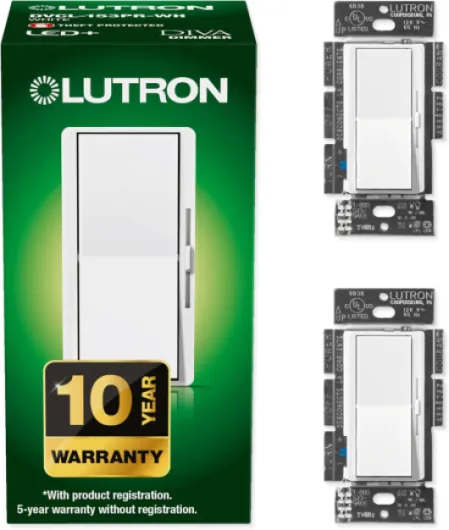
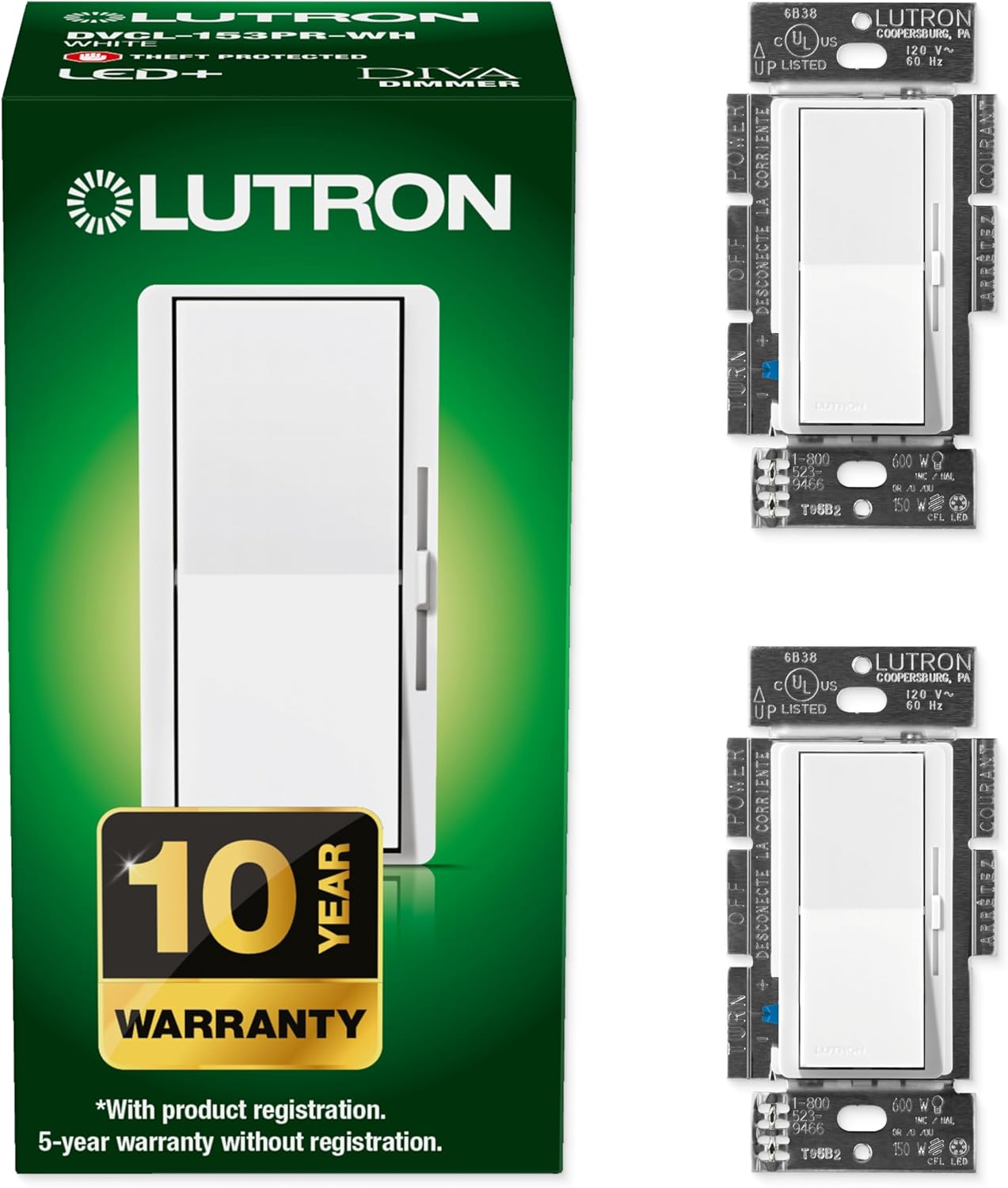
Lutron Caseta is widely respected for rock solid reliability and fast response, especially in homes with many devices. Caseta switches and smart dimmers use Lutron’s proprietary Clear Connect wireless protocol, which requires a dedicated smart hub but keeps traffic separate from Wi Fi. This architecture allows a single hub to manage dozens of light switches, plug in dimmers, and remotes without noticeable delay.
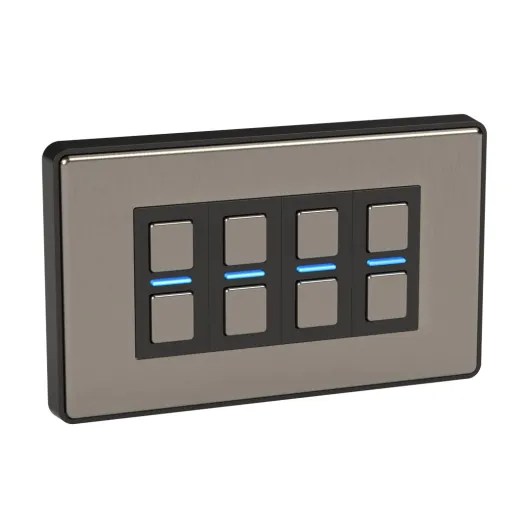
Leviton Decora and Decora Smart focus on familiar styling and flexible wiring options. Many Decora Smart models support both single pole and multiway configurations, with clear labelling for line, load, and neutral wire connections. Electricians appreciate that these switches fit standard wall plates and offer consistent white finishes that match existing décor.
When comparing Lutron Caseta to Leviton Decora Smart, think about whether you prefer a dedicated smart hub or direct Wi Fi connectivity. Caseta requires its own bridge, while many Decora Smart switches connect straight to the router, which simplifies small installations. However, in larger homes, a hub based system can reduce congestion and improve overall stability.
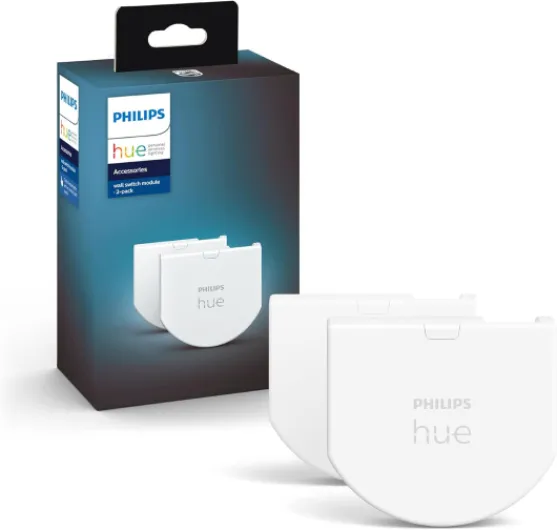
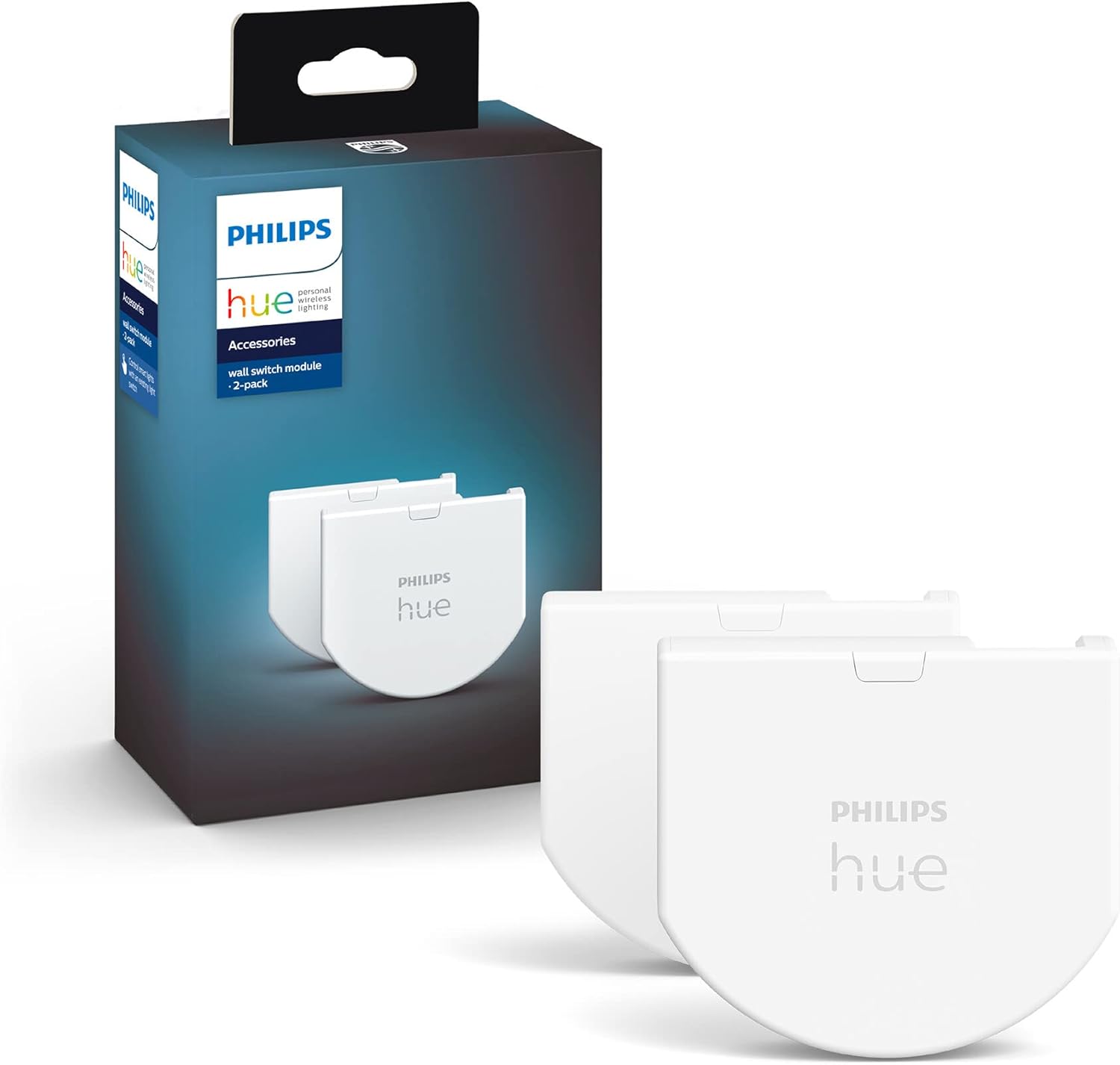
For readers interested in wall modules rather than full replacement switches, the Philips Hue ecosystem offers another path. A detailed review of the Hue smart wall switch module twin pack shows how you can keep existing hardware while gaining app and voice control. This approach suits heritage properties where changing visible switches is not desirable.
Whichever family you choose, verify that the switches are properly certified for your region and support the dimmable LED bulbs you plan to use. Check the rated load, minimum wattage, and whether a neutral wire is required for stable operation. Matching these details to your electrical layout prevents flicker, buzzing, and premature failure of both bulbs and switches.
Installation realities: neutral wire checks, single pole layouts and safety
Installing the best smart light switches is not only about technology, it is also about safe electrical work. Before touching any wire, you must cut power at the breaker and confirm with a tester that the circuit is dead. This step protects you from shock and prevents accidental short circuits that could damage the new smart switch or dimmer switch.
Most modern smart switches expect a neutral wire in the box, because their electronics need constant low level power even when the light is off. In a typical single pole layout, you will see a line wire bringing power in, a load wire going to the light, and a neutral bundle tied together at the back. If no neutral is present, you either need a specialised no neutral model or a different strategy such as a battery powered remote.
Some brands clearly mark wire required or neutral wire required on the packaging, but you should still open the instructions before installation. Pay attention to diagrams that show how to connect travellers in multiway circuits, because miswiring can cause the smart light to behave unpredictably. When in doubt, hiring a qualified electrician is cheaper than repairing damaged drywall or replacing burnt components.
Single pole circuits are usually straightforward, which makes them ideal for a first smart switch project. Start with a frequently used location such as a hallway or kitchen, where smart control and voice control will provide immediate benefits. Once you are comfortable with the process, you can extend smart switches and smart dimmers to bedrooms, living rooms, and exterior lights.
Colour and finish also play a role in how the installation feels once complete. Many buyers prefer white paddles and plates to match existing décor, but some ranges offer black, almond, or grey options. Matching the style of your new light switch to existing outlets and plates keeps the upgrade visually coherent rather than patchwork.
Finally, always check that the smart switch carries recognised safety marks and has earned positive stars in long term user reviews. A low price can be tempting, yet uncertified devices may overheat, fail early, or lack proper surge protection. Treat each switch as a permanent part of your electrical system, not a disposable gadget, and choose accordingly.
Everyday use: voice control, scenes and multi device coordination
Once installed, the best smart light switches fade into the background and simply work. You tap the paddle, issue a quick voice command, or let schedules handle routine tasks without thinking about the underlying technology. The goal is to make lighting more intuitive, not more complicated.
Voice control through Alexa, Google Assistant, or Siri turns a basic smart switch into a flexible tool for accessibility and comfort. Saying a phrase to an Amazon Echo speaker can dim the living room, turn off all bedroom lights, or activate a night scene for children. When a switch is properly certified as Works with Alexa or compatible with Alexa Google, these commands feel natural and reliable.
Scenes and automations become especially powerful when multiple devices coordinate together. A smart hub or Matter controller can group switches, smart dimmers, and other devices so that one command adjusts several rooms at once. For example, a single goodnight scene might lower dimmer switches, lock doors, and arm security sensors in one step.
In larger homes, a dedicated Zigbee or Z Wave hub often improves responsiveness and reliability. A detailed explanation of how a Zigbee hub becomes a smart gateway shows why offloading traffic from Wi Fi can matter. With a robust backbone, each smart light switch responds quickly even when many other devices share the network.
Price and deal price promotions influence how quickly people expand their systems, especially when starter kits or tapo pack bundles are discounted. Buying a multi pack of smart switches or dimmer switches can reduce the per unit price and ensure consistent styling across rooms. However, always confirm that every switch in the pack matches your wiring needs and supports the same control platform.
Over time, you may refine which lights use a full smart switch, which rely on smart bulbs, and where a simple mechanical switch still makes sense. Corridors and exterior entrances often benefit most from smart switches with motion or schedule based control. Less used storage rooms might remain on traditional switches, keeping complexity and cost under control.
Buying strategy: reading reviews, comparing stars and avoiding false economies
Shopping for the best smart light switches can feel overwhelming when dozens of similar products share the same shelf. To cut through the noise, start by filtering for certified safety marks, clear documentation, and transparent support policies. Any switch or dimmer switch that hides these basics is not worth your time.
User reviews and average stars provide a quick snapshot, but you need to read deeper. Focus on comments from people who installed the switch in similar wiring conditions, such as older homes without a neutral wire or new builds with complex multiway circuits. Pay attention to long term feedback about app stability, firmware updates, and how the switches behave after power cuts.
Price comparisons should account for more than the sticker number or temporary deal price. A slightly higher upfront cost for a well supported ecosystem like Lutron Caseta or Leviton Decora Smart can save money by avoiding repeated replacements. Consider the total number of switches you plan to install, the cost of any smart hub required, and the value of your time during installation.
Bundles such as a tapo pack or multi switch kit can be attractive when starting from scratch. These packs often include a mix of single pole switches and dimmer switches, which suits typical living spaces. However, verify that every device in the bundle supports your chosen platform, whether that is Alexa, Google Assistant, or a Matter capable controller.
Colour options, such as white, black, or almond, may seem cosmetic, yet they influence satisfaction every time you walk into a room. Matching the finish of each light switch to existing outlets and plates creates a cohesive look that feels intentional. Small details like backlit paddles or gentle status LEDs can also improve usability at night.
Finally, remember that smart switches are infrastructure, not fashion accessories. Choose brands with a track record of supporting devices for many years, issuing security patches, and maintaining cloud services when needed. This long view ensures that your investment in smart light control continues to pay off well after the initial excitement fades.
Key figures on smart light switches and dimmers
- Market analysts report that global smart lighting revenue exceeded 10 billion euros recently, with smart switches and dimmer switches representing roughly one third of that total according to multiple industry surveys.
- Consumer research from major retailers shows that smart light switches with an average rating above 4.3 stars experience significantly lower return rates than models rated below 4 stars.
- Energy agencies estimate that using dimmer switches and occupancy based control can reduce residential lighting electricity consumption by 20 to 30 percent compared with always on manual switching.
- Surveys of smart home owners indicate that more than half of respondents use voice control through platforms such as Alexa or Google Assistant for lighting at least once per day.
- Field studies in multi room homes suggest that systems using a dedicated Zigbee or Z Wave smart hub can cut wireless congestion by up to 40 percent compared with equivalent Wi Fi only installations.