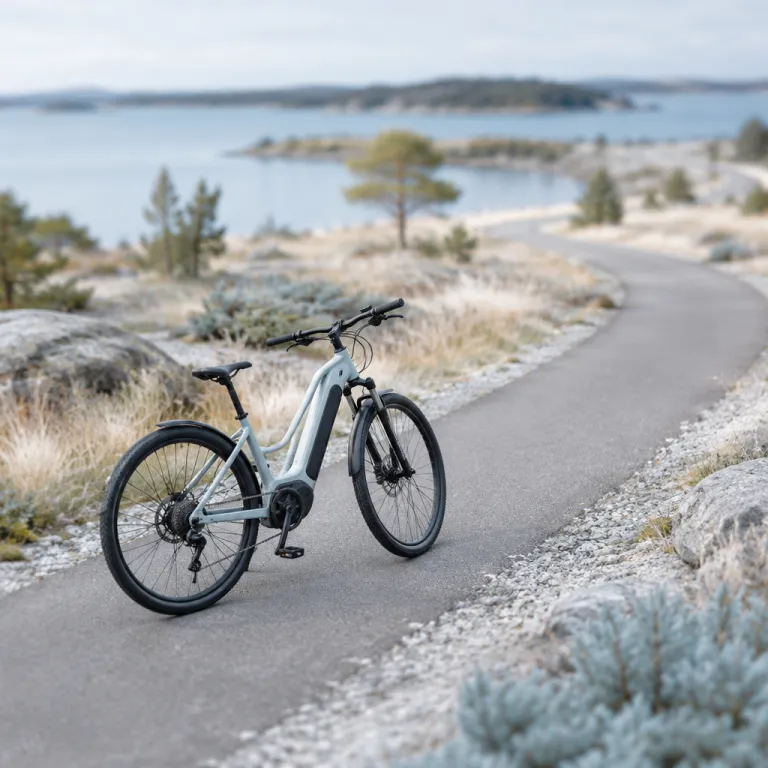
What defines a class 1 electric bike
How class 1 ebikes stand out in the electric bike world
Class 1 electric bikes, often called class 1 ebikes, are a popular choice for riders looking for a balance between traditional cycling and electric assist. These bikes are defined by their pedal assist system, meaning the motor only provides power when you are pedaling. There is no throttle, so you remain in control of your speed and effort. The motor on a class 1 ebike typically cuts off at 20 mph, making them suitable for most bike paths and city streets.
When comparing class 1 ebikes to other electric bikes, it’s important to note that class 1 models are often seen as the most accessible and versatile. They are legal on the widest range of bike paths and trails, which is a big advantage for commuters and recreational riders alike. If you’re interested in how class 1 ebikes stack up against electric scooters, you’ll find more on that in the next section.
- Pedal assist only: The motor helps you as you pedal, but won’t work on its own.
- Top speed: The assist stops at 20 mph, keeping your ride safe and manageable.
- Motor power: Most class 1 ebikes use a hub motor or mid drive system, with power typically capped at 750 watts.
- Battery: Battery capacity varies by brand and price, but most offer enough range for daily commutes or weekend rides.
Popular brands like Aventon, Rad Power, and others offer a wide range of class 1 electric bikes, including fat tire models, cargo bikes, and mountain bikes. Reviews often highlight the reliability, ease of use, and value for money, especially during sales events like Black Friday. If you’re looking for the best electric bike for your needs, consider factors like cargo capacity, motor type, and battery range. For those interested in saving money, refurbished electric bikes and scooters can be a smart option. You can learn more about the benefits and considerations of refurbished electric scooters as part of your research.
Understanding these basics will help you navigate the world of class 1 ebikes, whether you’re looking for the best price, top speed, or a reliable ride for everyday use.
Key differences between class 1 electric bikes and electric scooters
Comparing Electric Bikes and Electric Scooters: What Sets Them Apart?
When looking at class 1 electric bikes and electric scooters, it’s easy to see why people often compare them. Both offer eco-friendly alternatives for urban commuting and short trips. However, their design, operation, and legal status differ in key ways.
- Pedal Assist vs. Throttle: Class 1 electric bikes (ebikes) use pedal assist, meaning the motor only provides power when you pedal. In contrast, most electric scooters rely on a throttle system, where you control the speed with your hand, and pedaling isn’t required.
- Speed and Power: Class 1 ebikes are limited to a top speed of 20 mph with motor assist. Electric scooters can vary widely, but many models also cap at around 15-20 mph for safety and legal reasons. The motor and battery size impact both speed and range, with bikes often offering more robust options for longer rides and steeper hills.
- Ride Experience: Riding a class 1 electric bike feels similar to a traditional bike, just with added power for hills or longer distances. Scooters offer a standing ride, which can be less comfortable on rough terrain or longer commutes. Fat tire and cargo bikes provide extra stability and carrying capacity, which scooters typically lack.
- Legal Classification: Class 1 ebikes are often treated like regular bikes in many regions, allowing access to bike lanes and trails. Electric scooters may face more restrictions, especially on sidewalks or certain public paths. This can affect where and how you ride each vehicle.
- Price and Brands: The price of class 1 electric bikes can range from budget-friendly to premium, depending on features like mid drive motors, battery capacity, and cargo options. Popular brands like Aventon, Rad Power, and others offer a variety of models, including mountain bikes and cargo bikes. Electric scooters generally have a lower entry price but may lack the versatility of bikes best suited for commuting or carrying loads.
For those interested in exploring alternative options, refurbished electric scooters can be a cost-effective way to enter the electric mobility space. You can learn more about the benefits and considerations of refurbished electric scooters to see if they fit your needs.
Ultimately, choosing between a class 1 electric bike and an electric scooter depends on your priorities—whether it’s speed, comfort, price, or cargo capacity. Both have their place in the growing world of electric vehicles, and reading bike reviews or comparing brands can help you find the best fit for your lifestyle.
Legal considerations for class 1 electric bikes
Understanding the rules for class 1 electric bikes
When considering a class 1 electric bike, it is essential to know the legal framework that applies to these bikes. Class 1 ebikes are defined by their pedal assist system, which means the motor only provides power when you are pedaling, and the assist cuts off at 20 mph. This distinction sets them apart from other classes and electric scooters, which may have different speed limits or throttle controls.
Most regions treat class 1 electric bikes similarly to traditional bikes, allowing them on bike paths, multi-use trails, and public roads where regular bikes are permitted. However, laws can vary by state or municipality, so always check local regulations before you ride. For example, some areas may restrict ebikes from certain mountain bike trails or require helmets for all riders, regardless of age.
- Speed and power: Class 1 ebikes are limited to a top speed of 20 mph with pedal assist. The motor power is typically capped at 750 watts, but this can differ by region.
- Age and helmet requirements: While many places allow riders of all ages, some jurisdictions set minimum age limits or require helmets for riders of class ebikes.
- Where you can ride: Class 1 electric bikes are often allowed on bike lanes, shared paths, and even some mountain bike trails, unlike some higher class or throttle-controlled ebikes.
- Registration and insurance: In most cases, class 1 ebikes do not require registration, licensing, or insurance, making them accessible for everyday use.
It is also worth noting that the legal landscape for electric bikes, including cargo bikes and fat tire models, is evolving as their popularity grows. Brands like Aventon, Rad Power, and other power bikes manufacturers often provide guidance on compliance, but it is always best to verify with local authorities.
If you are comparing class 1 ebikes to electric scooters, understanding the speed regulations for electric scooters can help you make an informed choice about which option best fits your needs and riding environment.
Staying informed about these legal considerations ensures you can enjoy your electric bike safely and confidently, whether you are looking for the best electric mountain bike, a reliable cargo bike, or simply want to join the growing community of ebike enthusiasts.
Benefits of choosing a class 1 electric bike
Why class 1 electric bikes stand out for everyday riders
Class 1 electric bikes are gaining popularity among commuters, recreational cyclists, and even families looking for a practical way to get around. These ebikes offer pedal assist up to 20 mph, making them accessible and easy to use for most riders. Unlike some higher class ebikes, class 1 models do not have a throttle, so the motor only provides power when you pedal. This design keeps the ride feeling natural and encourages physical activity, while still giving you a boost when you need it.
Accessible and versatile for different needs
- Legal access: Class 1 electric bikes are allowed on most bike paths and trails where traditional bikes are permitted. This opens up more routes for commuting or leisure rides compared to some other electric bikes.
- Affordability: The price range for class 1 ebikes is broad, with options from budget-friendly brands to premium models. Many bike reviews highlight the value for money, especially during sales like Black Friday.
- Ease of use: With simple pedal assist systems, riders can adjust the level of motor support. This makes it easier to tackle hills or longer distances without worrying about battery drain or complex controls.
- Variety of styles: From fat tire bikes for rough terrain to cargo bikes for carrying groceries or kids, class 1 ebikes come in many forms. Brands like Aventon, Rad Power, and others offer models suited for city commuting, mountain bike trails, or even heavy-duty cargo needs.
Health, environment, and savings
Choosing a class 1 electric bike can improve your health by encouraging regular exercise with pedal assist. It’s also a greener alternative to cars, reducing emissions and traffic congestion. Over time, the savings on fuel and parking can offset the initial price of the ebike. Many riders find that the best electric bikes offer a balance of speed, power, and battery life, making daily commutes or weekend adventures more enjoyable and sustainable.
Reliable performance and trusted brands
Class 1 ebikes are built for reliability, with mid drive or hub motor options that deliver consistent power. Battery technology has improved, offering longer rides between charges. Leading brands have established reputations for quality and customer support, which is reflected in positive bike reviews. Whether you need a lightweight city bike, a robust mountain bike, or a versatile cargo bike, there are class ebikes to fit your lifestyle and budget.
Common challenges and solutions for new riders
Getting Comfortable with Your First Rides
Starting out with a class 1 electric bike can be exciting, but new riders often face a few common challenges. Understanding how pedal assist works, getting used to the extra power from the motor, and learning to manage the battery are all part of the learning curve. Many riders find the transition from traditional bikes to ebikes smooth, but it’s normal to need some time to adapt, especially when it comes to speed and handling.
Common Hurdles and Practical Solutions
- Adjusting to Pedal Assist: The pedal assist feature on class ebikes can feel surprising at first. Start on the lowest assist setting and gradually increase as you gain confidence. This helps you get used to the boost without feeling out of control.
- Managing Battery Life: New riders sometimes overestimate the range of their electric bike. To avoid running out of power mid-ride, check the battery level before heading out and plan your route based on the bike’s range. Carrying a charger or a spare battery can also be helpful, especially for longer rides or cargo bikes.
- Understanding Speed Limits: Class 1 ebikes are limited to 20 mph with pedal assist. It’s important to remember this when riding, as exceeding this speed means the motor will stop assisting. Practice maintaining a steady pace and use bike reviews to compare how different brands handle speed transitions.
- Choosing the Right Terrain: Fat tire and mountain bike models offer more stability on rough surfaces, but urban riders may prefer lighter bikes best suited for city streets. Consider your typical ride environment when selecting a class bike.
- Weight and Handling: Electric bikes, especially cargo and mid drive models, can be heavier than traditional bikes. Practice mounting, dismounting, and maneuvering your ebike in a safe area before heading into traffic.
Tips for a Smooth Start
- Read the manual for your specific model, whether it’s from Aventon, Rad Power, or another top brand.
- Check bike reviews for insights on real-world performance, especially regarding battery, motor, and assist features.
- Take advantage of local bike shops for fitting advice and maintenance tips. Many offer test rides, which can help you find the best electric bike for your needs and budget, especially during Black Friday sales.
By understanding these challenges and solutions, new riders can enjoy the benefits of class 1 electric bikes with greater confidence and safety. Whether you’re looking for the best price, top speed, or reliable power bikes for daily commutes or cargo hauling, a little preparation goes a long way.
How to choose the right class 1 electric bike for your needs
Factors to Consider Before Buying
Choosing the right class 1 electric bike can feel overwhelming, especially with so many brands and models available. To make the best decision, focus on your riding needs, budget, and the features that matter most for your lifestyle.
- Intended Use: Think about where you plan to ride. If you need a bike for city commuting, a lightweight frame and efficient pedal assist are key. For off-road or mountain bike adventures, look for fat tire options and a robust motor.
- Motor and Assist: Class 1 ebikes use pedal assist up to 20 mph. Consider whether you prefer a mid drive or hub motor, as each offers a different feel and power delivery. Mid drive motors are often praised in bike reviews for their natural ride and hill-climbing ability.
- Battery and Range: The battery size affects how far you can ride on a single charge. Check the manufacturer’s range estimates and compare them with real-world reviews. If you plan longer rides or carry cargo, a larger battery is a smart choice.
- Price and Value: Electric bikes come in a wide price range. While some bikes best suit tight budgets, others offer premium features. Look for seasonal deals like Black Friday for the best electric bike offers. Compare value, not just price.
- Build and Comfort: Test ride different models if possible. Features like adjustable seats, ergonomic handlebars, and suspension can make a big difference, especially for cargo bikes or longer commutes.
- Brand Reputation: Established brands like Aventon, Rad Power, and others often provide better support, warranties, and reliable components. Reading electric bike reviews can help you spot the best class ebikes for your needs.
Comparing Popular Options
| Brand | Motor Type | Top Speed (mph) | Battery Range | Best For |
|---|---|---|---|---|
| Aventon | Hub Motor | 20 | Up to 50 miles | Commuting, city rides |
| Rad Power | Hub Motor | 20 | Up to 45 miles | Cargo, utility, fat tire |
| Specialized | Mid Drive | 20 | Up to 60 miles | Mountain, performance |
Tips for a Smart Purchase
- Always check local regulations for class bike requirements and speed mph limits.
- Consider future needs, like adding cargo racks or upgrading the battery.
- Read multiple bike reviews to get a balanced view of real-world performance.
- Look for after-sales support and warranty coverage from your chosen brand.
By focusing on these factors, you can find the best electric bike that matches your riding style, budget, and daily needs, whether you’re after a reliable commuter, a powerful cargo bike, or a versatile mountain bike.