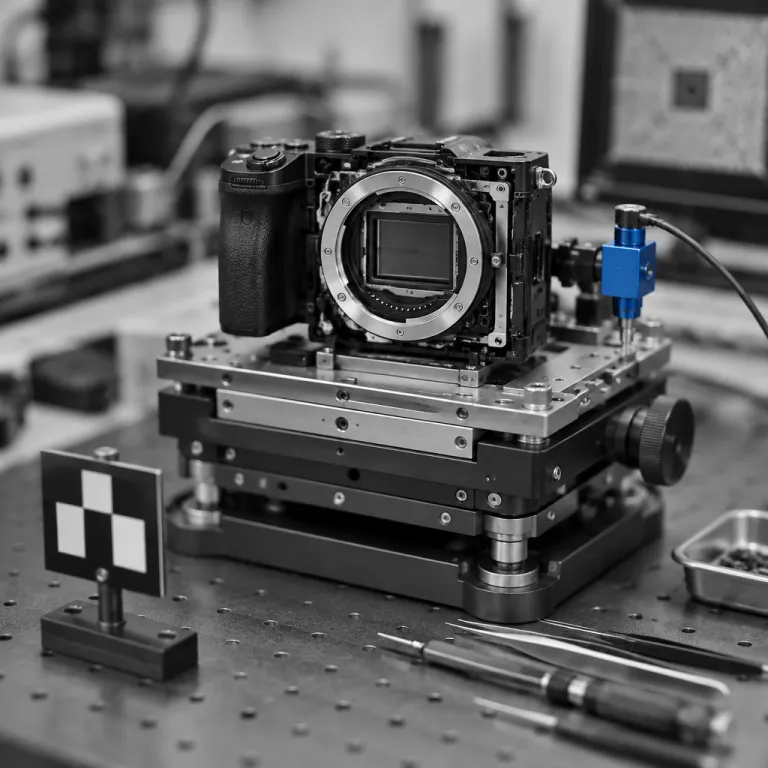
Defining IBIS in digital cameras
What is In-Body Image Stabilization?
In-body image stabilization, often called IBIS, is a technology built directly into the camera body. Unlike traditional stabilization systems that rely on the lens, IBIS works by physically moving the camera’s sensor to counteract small shakes and vibrations during shooting. This stabilisation system helps reduce blur caused by camera shake, especially at slower shutter speeds or in low light conditions.
Why IBIS Matters for Photographers and Videographers
Camera shake is a common issue, whether you’re capturing still images or shooting video. Even the steadiest hands can introduce slight movements that affect image quality. IBIS addresses this by stabilizing the sensor itself, which is particularly useful when using lenses that don’t have built-in stabilization. Major brands like Canon, Sony, Nikon, and Panasonic Lumix have integrated IBIS into many of their mirrorless camera series, such as the Canon EOS and Sony III models.
How IBIS Differs from Lens-Based Stabilization
With IBIS, the stabilization is handled by the camera body, not the lens. This means that any compatible lens you attach to the camera can benefit from stabilization, including older or manual lenses. This is different from lens-based stabilization, where only specific lenses offer this feature. IBIS can be especially valuable for photographers and videographers who use a variety of lenses or shoot in challenging light conditions.
Key Components Involved in IBIS
- Sensor: The heart of the IBIS system, moving to compensate for motion.
- Camera Body: Houses the stabilisation mechanism and controls.
- Battery: Powers the stabilization system, which can impact battery life.
- Viewfinder: Allows you to preview the stabilized image in real time.
Understanding how IBIS works inside your camera can help you make informed decisions about which features matter most for your style of shooting. For those interested in keeping their camera gear in top condition, you might also want to read about how to properly clean your astro camera for optimal performance.
How IBIS works inside your camera
What Happens Inside the Camera Body?
When you press the shutter on a modern mirrorless camera or DSLR, the in-body image stabilization (IBIS) system springs into action. The core of IBIS is a floating sensor mechanism inside the camera body. This sensor can move in multiple directions—usually five axes: up/down, left/right, pitch, yaw, and roll. As you hold the camera, tiny gyroscopic sensors detect even the slightest shake or movement. The IBIS system instantly calculates how to shift the sensor to counteract this motion, keeping your image steady.
How IBIS Communicates with the Lens and Viewfinder
IBIS works independently of lens-based stabilization, but some cameras—like certain Canon EOS, Sony, Nikon, and Panasonic Lumix models—can combine both systems for even better results. When you look through the viewfinder or use the rear screen, you’ll often see a stabilized preview, making it easier to compose your shot. This is especially helpful for photographers and videographers working in low light or using longer shutter speeds.
- Sensor movement: The sensor physically shifts to compensate for camera shake.
- Real-time correction: Adjustments happen in milliseconds, so you get sharp images even at slow shutter speeds.
- Stabilisation system: The stabilisation system is powered by the camera’s battery, so battery life can be affected during long shooting sessions.
IBIS in Action: Video and Still Photography
For video, IBIS is a game changer. It smooths out handheld footage, reducing jitters and shakes that can ruin a shot. For stills, it allows you to shoot at slower shutter speeds without blur, which is crucial in challenging light conditions. Whether you’re using a Sony III series, Canon EOS, Nikon, or Panasonic Lumix, the stabilization IBIS provides is a major advantage for both casual and professional shooting.
If you want to learn more about integrating your camera setup with other technology, check out this guide on how to use an HDMI RF modulator with your digital camera setup.
Benefits of using a camera with IBIS
Why photographers and videographers value IBIS
In-body image stabilization (IBIS) is a game-changer for both photographers and videographers. By stabilizing the camera sensor itself, IBIS helps reduce blur caused by camera shake. This is especially useful when shooting handheld, using slower shutter speeds, or working in low light conditions where even a slight movement can affect image sharpness. With IBIS, you can capture sharper images and smoother video footage, even without a tripod.
Key advantages of IBIS in modern cameras
- Sharper images in low light: IBIS allows you to use slower shutter speeds without introducing blur, making it easier to shoot in dim environments without raising ISO and risking noise.
- More flexibility with lenses: Unlike lens-based stabilization, IBIS works with almost any lens you attach to the camera body, including classic or manual focus lenses. This is a big advantage for those who want to experiment with different glass.
- Smoother video: Videographers benefit from stabilization IBIS by getting steadier footage, reducing the need for gimbals or other stabilisation systems. This is especially helpful when moving or panning during a shoot.
- Improved handheld shooting: Whether you use a mirrorless camera or a DSLR, IBIS gives you more confidence to shoot handheld, even at challenging shutter speeds.
- Enhanced viewfinder experience: With IBIS active, the image in the viewfinder or on the screen is stabilized, making it easier to compose shots and focus accurately.
Real-world impact for different camera brands
Major brands like Canon, Sony, Nikon, and Panasonic Lumix have integrated IBIS into many of their latest camera bodies. For example, the Canon EOS R series, Sony III series, and Panasonic Lumix models all feature advanced IBIS systems. These cameras IBIS solutions are designed to work seamlessly with lens-based stabilization, offering even greater performance when both systems are combined.
Considerations for battery life and system compatibility
While IBIS brings clear benefits, it can have a small impact on battery life since the sensor stabilization system is active during shooting. However, most modern cameras are optimized to balance performance and battery efficiency. If you often shoot in low light or need to capture steady video, the trade-off is usually worth it.
For those interested in maximizing their camera’s potential for handheld shooting and video, pairing IBIS with reliable accessories can make a big difference. For example, using a Sony flash with lithium battery can further enhance your results in challenging light conditions.
IBIS versus lens-based stabilization
Comparing Stabilisation: In-Body vs. Lens-Based Systems
When looking at camera stabilization, two main systems stand out: in-body image stabilization (IBIS) and lens-based stabilization. Both aim to reduce camera shake and help you capture sharper images, especially in low light or when using slower shutter speeds. However, their approach and effectiveness can differ depending on the camera body, lens, and shooting conditions.- IBIS (In-Body Image Stabilization): This system moves the camera's sensor to counteract movement. It works with any lens attached to the camera, whether it's a wide-angle, telephoto, or even a vintage manual lens. Mirrorless cameras like the Sony III series, Panasonic Lumix, and some Nikon and Canon EOS models feature advanced IBIS systems. This means you get stabilization benefits no matter which lens you use, making it versatile for both photographers and videographers.
- Lens-Based Stabilization: Here, the stabilization system is built into the lens itself. It shifts lens elements to compensate for movement. Canon, Nikon, and Sony offer many stabilized lenses, often labeled as IS (Image Stabilization), VR (Vibration Reduction), or OSS (Optical SteadyShot). This method is particularly effective for telephoto lenses, where even small shakes are magnified.
Which System Performs Better?
The answer depends on your needs and gear. IBIS shines when you want stabilization across all your lenses, especially primes or older glass without built-in stabilization. It’s also a game-changer for video, where smooth footage is crucial. Lens-based stabilization, on the other hand, can be more effective for long telephoto lenses, as it’s specifically tuned for the lens’s focal length and characteristics. Some modern cameras, like those from the Canon EOS R series or Sony Alpha line, combine both systems when using compatible lenses. This dual stabilization can deliver even better results, especially for handheld shooting in challenging light conditions.Other Factors to Consider
- Battery life: IBIS systems can use more power, potentially reducing battery life compared to cameras without stabilization.
- Viewfinder experience: With lens-based stabilization, you see the stabilized image directly in the viewfinder. With IBIS, the effect is often visible in electronic viewfinders but not always in optical ones.
- System compatibility: Not all lenses or camera bodies support both types of stabilization. Check your camera and lens specs to see what’s available.
When IBIS makes the biggest difference
Situations Where IBIS Truly Shines
In-body image stabilization (IBIS) can be a game-changer in certain shooting scenarios, especially when compared to lens-based stabilization systems. Understanding when IBIS makes the biggest difference helps photographers and videographers get the most out of their camera body and sensor technology.
- Low Light and Slow Shutter Speeds: When shooting in low light conditions, IBIS allows you to use slower shutter speeds without introducing camera shake. This is particularly useful for handheld photography where tripods aren’t practical. For example, capturing cityscapes at dusk or indoor scenes without a flash becomes much easier with stabilization IBIS.
- Telephoto and Macro Shooting: Longer lenses and macro photography amplify even the slightest hand movement. IBIS works across all compatible lenses, providing stabilization even when the lens itself lacks built-in image stabilisation. This is a major advantage for users of mirrorless camera systems like the Sony III series, Canon EOS R series, Nikon Z series, or Panasonic Lumix bodies.
- Video Recording: For video creators, IBIS helps deliver smoother footage by compensating for small shakes and jitters, especially when shooting handheld. This is crucial for run-and-gun videography or when using prime lenses without optical stabilization.
- Adapted and Vintage Lenses: Many photographers enjoy using vintage or third-party lenses that don’t offer lens-based stabilization. IBIS in the camera body ensures you still benefit from image stabilization, regardless of the lens attached.
- Travel and Street Photography: When you’re on the move, carrying a tripod isn’t always possible. IBIS allows you to react quickly to fleeting moments, keeping your images sharp even in unpredictable environments.
It’s important to note that while IBIS is highly effective, it does consume battery life, especially during extended shooting sessions. Also, the viewfinder experience can be improved with IBIS, as the stabilisation system helps steady the image preview, making composition easier. Ultimately, the impact of IBIS is most noticeable when you’re pushing the limits of handheld shooting—whether that’s in dim light, with long lenses, or when capturing video on the go.
What to consider when choosing a camera with IBIS
Key factors before buying a camera with IBIS
When looking for a camera with in-body image stabilization (IBIS), it’s important to weigh several aspects to make sure you get the most out of this technology. Not all IBIS systems are created equal, and your needs as a photographer or videographer will influence which camera body is best for you.
- Type of photography or video: If you often shoot in low light or use slower shutter speeds, IBIS can be a game changer. For handheld video, stabilization in the camera body helps reduce camera shake, especially with non-stabilized lenses.
- Camera system compatibility: Major brands like Canon (including the EOS series), Sony (such as the Sony III models), Nikon, and Panasonic Lumix offer cameras with IBIS. Check if your preferred lenses and accessories work seamlessly with the camera’s stabilisation system.
- Battery life: IBIS uses power from the camera battery. Some mirrorless cameras with advanced stabilization may have shorter battery life, so consider how long you typically shoot and whether you’ll need spare batteries.
- Viewfinder experience: Some cameras display the stabilized image in the electronic viewfinder, making it easier to compose shots in challenging light conditions. This feature is especially useful for photographers and videographers working in dynamic environments.
- Sensor size and performance: Full-frame sensors often benefit more from IBIS, especially for wide-angle and low-light shooting. However, APS-C and Micro Four Thirds cameras with IBIS can also deliver excellent results, depending on the stabilisation system’s effectiveness.
- Lens-based vs. in-body stabilization: Some lenses have built-in stabilization, while others rely on the camera body. If you already own stabilized lenses, consider how the camera’s IBIS will work in tandem with them. Some systems combine both for even better results.
- Budget and model options: IBIS is available in a range of cameras, from entry-level to professional models. Compare features, stabilization performance, and price across brands like Canon EOS, Sony, Nikon, and Panasonic Lumix to find the best fit for your needs.
Choosing a camera with IBIS is about matching the stabilization technology to your shooting style, preferred lenses, and the environments you work in. Whether you’re after smoother video, sharper handheld images, or more flexibility in low light, understanding these factors will help you make an informed decision.