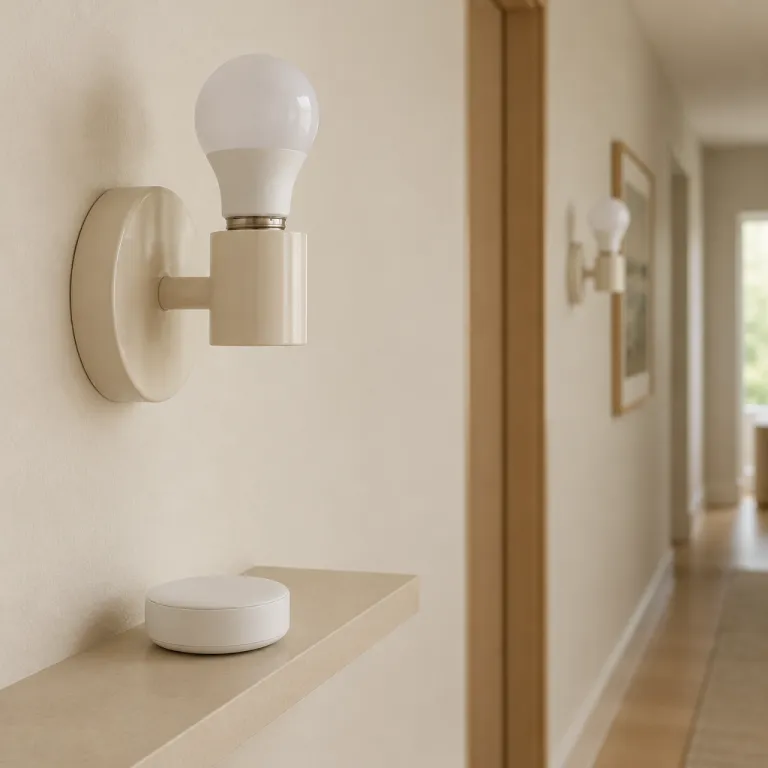
What is a Zigbee Light Bulb?
Introduction to Zigbee Light Bulbs
In the evolving landscape of smart home technology, Zigbee light bulbs have emerged as a popular choice for many. These smart LED bulbs offer versatility and control that help create the perfect ambiance in any setting. But what exactly is a Zigbee light bulb? Zigbee is a wireless communication protocol used for smart lighting and other home automation devices. It acts as a bridge, connecting your light bulbs to a central hub like the Philips Hue or Ikea Tradfri, allowing for seamless integration and control across devices. Zigbee light bulbs, such as those from Philips Hue or Sengled Smart, are designed to work within a network of compatible devices, offering features like dimmable white and color spectra, tunable white lighting, and energy-efficient operations. The popularity of Zigbee bulbs stems from their ability to provide a wide spectrum of colors and brightness levels, measured in lumens, which allows users to adjust the ambiance of their room based on preference or time of day. Some of these bulbs also include attractive features like filament designs and opal finishes, adding to the visual appeal of a room. These bulbs are not limited to just Philips or Ikea brands. Options like the Tradfri LED and Innr lights also use Zigbee to create a network of smart lights in your home. For those interested in learning more about how Zigbee smart lighting can enhance their homes, consider reading about the benefits and challenges of Zigbee smart lighting. This resource provides valuable insights into the potential of Zigbee technology and its impact on modern smart lighting solutions.Advantages of Using Zigbee Light Bulbs
Elevating Ambiance and Energy Efficiency
Smart light technology has taken the world by storm, and Zigbee light bulbs are at the forefront of this innovation. One key advantage of using Zigbee light bulbs is their ability to create different ambiances through their dimmable and tunable features. The Zigbee protocol allows you to control the hue and color spectrum of the light bulb, offering endless possibilities for personalization. Whether you prefer a warm opal glow for relaxing evenings or a bright white color to enhance concentration, Zigbee bulbs can provide it all.Seamless Integration with Smart Home Ecosystems
Zigbee light bulbs integrate effortlessly with a variety of smart home systems, offering you more control and automation possibilities. Popular Zigbee-compatible brands such as Philips Hue and Ikea Tradfri make it easy to synchronize your lighting with other smart devices. By using a hub, you can streamline the control of multiple Zigbee bulbs, adjusting settings with a simple voice command or via a smart app, enhancing the convenience factor.Reliable and Secure Wireless Connection
Due to the mesh network used by Zigbee technology, Zigbee light bulbs enjoy a reliable and secure connection. This ensures consistent performance without the frequent dropouts you might experience with other wireless protocols. As these bulbs form a mesh network, they can communicate with each other directly, reducing latency even if some bulbs are further from the hub.Cost-Effectiveness and Longevity
When considering smart lighting options, price and longevity are significant factors. Zigbee light bulbs are energy-efficient and often come in LED form, contributing to long life spans and reduced energy bills. With products like the Sengled Smart LED and the Innr LED bulb, you are assured both quality and cost-effectiveness. Check out more about Bluetooth-enabled LED lamp benefits to make informed decisions. By incorporating Zigbee light bulbs, you not only invest in a smart lighting solution but also in a sustainable and cost-effective system that enhances the ambiance and efficiency of your home environment.Comparing Zigbee with Other Smart Lighting Technologies
Comparing Smart Lighting Technologies
When diving into the world of smart lighting, you might find yourself pondering the differences between Zigbee light bulbs and other technologies. Let’s break down some popular options and see how they stack up against Zigbee.
- Zigbee: Known for its outstanding reliability and expansive range, Zigbee uses a mesh network, meaning each bulb communicates with others to ensure a stable connection. Whether using a dimmable white or a full color spectrum bulb, the Zigbee's ability to maintain strong, consistent communication is a standout feature.
- Bluetooth: Offering the convenience of a direct connection to your smartphone, Bluetooth-enabled bulbs are an excellent choice for quick setups without a hub. However, they might not be as suitable for larger homes. Considering the wireless smart lighting benefits of a Zigbee system can help address limitations in connectivity.
- Wi-Fi: While Wi-Fi light bulbs provide an easy setup, their reliance on the home's internet connection can sometimes lead to congestion or lag—something not typically experienced with Zigbee. Brands like Philips Hue and Tradfri LED often provide Wi-Fi options, ensuring similar lumens and dimmable features.
Ultimately, whether integrating Ikea Tradfri, Philips Hue, or Sengled smart bulbs into your home, each technology has its strengths. For those desiring a robust network with efficient energy consumption, Zigbee remains a solid choice.
Setting Up Your Zigbee Light Bulb System
Getting Started with Your Zigbee Light Setup
Setting up a Zigbee light bulb system is an exciting way to bring advanced smart lighting solutions into your home. To start, you'll need a few essentials to get your Zigbee bulbs up and running smoothly.- Zigbee-Compatible Hub: A hub acts as the central control point for your Zigbee network. Popular options include Philips Hue Bridge, Ikea Tradfri gateway, and Sengled Smart Hub.
- Light Bulbs: Choose your preferred Zigbee-compatible bulbs. Options include Philips Hue white and color ambiance, Tradfri LED bulbs, or Sengled Smart LED bulbs, all offering varying lumens, color, and dimming capabilities.
- Install the Hub: Connect your chosen hub to your Wi-Fi router. This establishes a central point for your smart light system. Follow the manufacturer’s instructions to pair the hub with your home network.
- Sync Light Bulbs: Screw in the Zigbee light bulbs and switch them on. Initiate the pairing process via the hub's app or web interface. Each bulb typically has its own unique setup sequence, so refer to the specific guides for Philips, Tradfri, or Sengled.
- App Controls: Download the corresponding app for your hub (e.g., Philips Hue app, Ikea Home smart app). This allows you to manage bulb lumens, adjust the color spectrum, and create automated light routines.
Troubleshooting Common Zigbee Light Bulb Issues
Identifying and Resolving Potential Issues
If you're encountering issues with your Zigbee light bulb system, you're not alone. These smart, white and color-capable LED bulbs offer incredible convenience, yet they occasionally present challenges. Here's a guide to help you troubleshoot the most common problems with Zigbee-enabled smart light systems.Common Connection Issues
- Check the Hub Connection: Ensure that the Zigbee hub or bridge—such as Phillips Hue, Ikea Tradfri, or Sengled Smart Hub—is powered on and connected to your network. A loose connection or power outage can often be the culprit.
- Proximity Matters: If your Zigbee bulb is too far from the hub, it may struggle to maintain a stable connection. Consider moving either the bulb or the hub closer.
Wireless Interference and Signal
- Interference Sources: WiFi routers, microwaves, and other electronic devices can interfere with Zigbee signals. Try to position your hub away from these potential sources of interference.
- Mesh Network Advantage: Zigbee operates on a mesh network, where each bulb can relay signals to other bulbs. Make sure there are enough intermediary bulbs to bridge the connection over greater distances.
Bulb Functionality Troubles
- Dimmable and Spectrum Adjustments: If your dimmable white or tunable white spectrum settings aren't responding, attempt to reset the bulb settings through your control app. Sometimes a quick reset can remedy unresponsive functionalities.
- Firmware Updates: Ensure that your Zigbee bulbs are updated with the latest firmware for optimal performance. Manufacturers like Philips Hue often release updates that improve functionality and connectivity.
Addressing Incompatibility and Configuration
- Compatibility Check: Make sure that your Zigbee bulbs are compatible with your hub and other smart devices. Some hubs, like the Ikea Tradfri, work seamlessly with particular bulbs, while others may require configuration adjustments.
- Factory Reset: As a last resort, perform a factory reset on your Zigbee bulbs. This action can resolve persistent issues but will require you to reconfigure all settings.
Future Trends in Zigbee and Smart Lighting
Emerging Innovations and Trends in Zigbee and Smart Lighting
The future of smart lighting, particularly with Zigbee technology, is teeming with potential innovations that could further enhance how we experience lighting in our homes and offices. Zigbee light bulbs offer a robust platform for smart integration, but there are exciting trends that are worth keeping an eye on.- Increased Interoperability: As the smart home ecosystem grows, the ability of Zigbee bulbs to seamlessly interact with other smart home devices continues to improve. This synergy enhances user experience, making integration across different products, such as those from Philips Hue and Ikea Tradfri, more streamlined.
- Advanced Color and Brightness Control: The demand for tunable white and dimmable color options is rising. Zigbee LED bulbs, including sengled smart bulbs, are expected to provide even greater flexibility in adjusting the white spectrum and other color settings to suit different moods and activities.
- Energy Efficiency: While LED bulbs are already known for their energy-saving attributes, future iterations of Zigbee bulbs might offer even lower energy consumption without compromising on bulb lumen output. This trend not only supports environmental goals but also helps in reducing electricity costs for consumers.
- Enhanced Security Features: With more devices connected to the hub, security remains a paramount concern. Future smart lights might integrate improved security protocols to protect against cyber vulnerabilities.
- Sensor Integration: Upcoming Zigbee smart lights are likely to feature advanced sensor integration, like motion or ambient light sensors, helping users automate lighting based on presence or natural light levels.