Factors Influencing Electric Fireplace Costs
The Impact of Power Consumption on Your Wallet
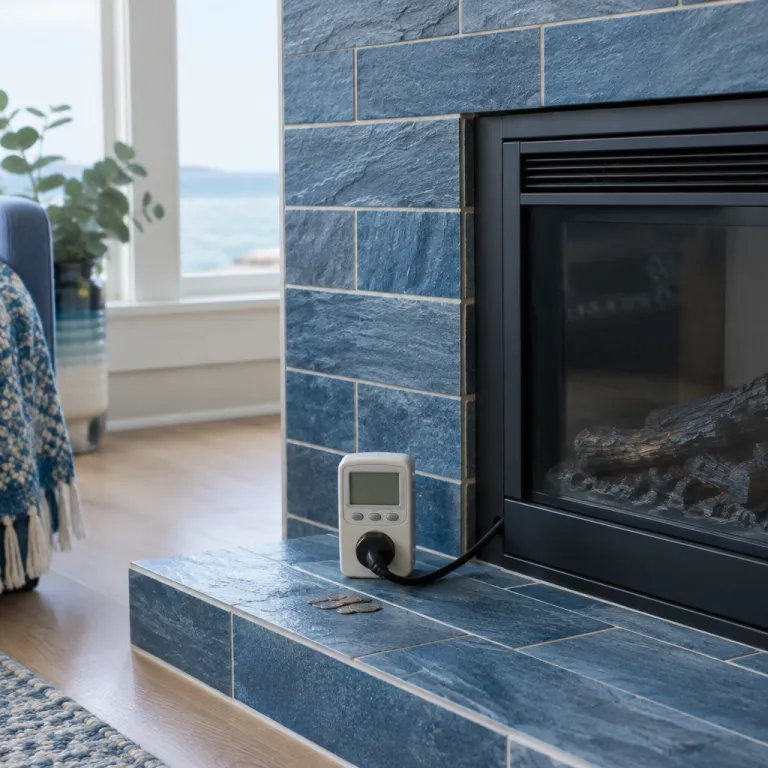
Understanding the costs associated with running an electric fireplace begins with recognizing how electricity rates play a pivotal role. Different regions have varying electricity rates per kilowatt hour (kWh), which directly affects your electric bill when using an electric fireplace. When you switch on that electric fireplace, you're essentially turning on a device that's consuming electricity to convert into heat. On average, this can range anywhere from 1,500 to 1,800 watts. But don’t fret; once you grasp the concept of calculating costs, you can manage it better.Electric vs. Gas: A Cost Per Hour Comparison
Comparatively, the running costs of an electric fireplace aren't as daunting when put side by side with traditional heating options like gas fireplaces or wood-burning setups. For instance, gas fireplaces require a consistent supply of natural gas, and the prices fluctuate based on market conditions. Meanwhile, wood-burning fireplaces involve costs not just of purchasing wood but also addressing emissions and maintenance needs. Electric fireplaces eliminate these headaches, preventing surprise fees and offering a predictable cost structure per hour. To illustrate, if your electric cost is around 12 cents per kWh and your fireplace operates at 1,500 watts (1.5 kW), you'll spend just 18 cents per hour to keep your space toasty.Why Energy Efficiency Matters
Another compelling factor is the energy efficiency of electric fireplaces, which the other sections discuss further. Unlike traditional fireplaces that lose much of their heat through the chimney or inefficiencies of fuel combustion, electric fireplaces translate electricity directly into heat output. In addition, savvy users can explore ways to reduce electric fireplace costs, ensuring they remain both a cozy and a financially smart choice over time. This is where playing with settings or investing in an energy-efficient model can lead to long-term savings. For more insights on how electric fireplaces align with other household heating solutions, consider looking into electric ceiling heaters to see how you can enhance your climate control system at home enhancing comfort with auxiliary heaters.Comparing Electric Fireplaces to Traditional Heating Options
Weighing the Pros and Cons of Electric vs. Traditional Heating
When it comes to warming up your home, the type of fireplace you choose can make a noticeable impact on both your comfort and wallet. Comparing electric fireplaces with traditional options like gas or wood-burning fireplaces offers a variety of insights into both cost and efficiency. Electric fireplaces are often praised for their affordability and convenience. They don't require fuel, like wood or natural gas, which can drastically lower everyday expenses. Instead, they run on electricity and convert it directly into heat—making them a simple plug-in solution. With modern homes increasingly focusing on energy efficiency, electric models stand out for their ability to provide heat output without the complications of ventilation or chimney cleaning that wood burning or gas fireplaces demand. Gas fireplaces, on the other hand, run on natural gas and must be connected to a gas source, which can increase installation costs. Yet, they're typically more energy-efficient than the traditional wood fireplaces, generating heat through the combustion of gas. While the monthly gas bill may increase, gas fireplaces can still be cost-effective over time, especially when used consistently for a significant number of hours each day. As for wood-burning fireplaces, while they deliver that classic ambiance and warmth, they demand regular fuel purchases and ongoing maintenance. Chopping or buying wood can add extra costs, and cleaning the chimney regularly adds to the overall expense of running a wood burning fireplace. Additionally, the heat efficiency of wood fireplaces can be much lower compared to their electric or gas counterparts, making them less practical for someone prioritizing cost-efficiency. The electric bill of an electric fireplace is impacted by your local electricity rates and the fireplace's wattage; still, thanks to their inherent design, these fireplaces can reduce overall heating costs. By supplementing existing heating systems with an electric fireplace insert, you may retain heat in commonly used spaces without overworking your primary heating unit—all while keeping energy consumption manageable. In our analysis, electric fireplaces often exhibit a stronger case for cost-efficiency, particularly for those who use the fireplace for limited "hours day." If budget and maintenance ease are high priorities, the choice becomes clearer. Of course, for further insights into optimizing your energy efficiency with added heating solutions, you may check out our section on the interplay between "electric fireplace" usage and the broader power framework at home.Energy Efficiency of Electric Fireplaces
Exploring the Green Side of Electric Fireplaces
The thought of curling up next to a warm fire sounds inviting, but you don't always think about the energy efficiency of that comfort. Electric fireplaces often ring true as a greener alternative, especially when you weigh them against wood-burning or gas fireplaces. Let’s untangle what makes them stand out. The efficiency of an electric fireplace lies in its ability to convert almost all of the electricity it consumes into heat. It’s a stark contrast to wood-burning fireplaces, which lose upwards of 40% of heat through the chimney. Electric models sidestep this inefficiency as they don't expel heat outdoors. When it comes to kilowatt-hour usage, an electric fireplace may use about 1.5 kWh. If you're running it for several hours a day, your electric bill could reflect this. Compare this to natural gas fireplaces, where part of the energy dissipates through venting. Specific electricity costs will depend on local rates, but generally, electric fireplaces can prove more economical over time, particularly if used as a supplementary heat source. Efficient heat output also means you can enjoy the ambiance sans guilt. Unlike gas fireplaces, which can pose carbon monoxide risks, electric fireplaces emit no fumes. This clean energy consumption aligns with increased awareness and demand for sustainable home solutions. It's not just about the initial fireplace cost; electric fireplaces promise long-term savings. Skipping chimney maintenance, avoiding the purchase of wood or natural gas, and opting for a direct heat source means fewer out-of-pocket costs down the line. For those keen on both ambience and energy savings, an electric fireplace could very well fit the bill. More on enhancing your home environment with realistic electric fires can be discovered here.Tips for Reducing Electric Fireplace Costs
Getting Smart with Energy Usage
Electric fireplaces can warm your heart and home without breaking the bank. But let’s face it, any device running on electricity will nibble at your electric bill. Fear not—there are practical ways to cut down on unnecessary costs and keep those cozy vibes rolling.
- Optimize Usage Time: While leaving the fireplace on 24/7 might sound tempting for that continuous warmth, it can add to the electricity costs dramatically. Instead, use the fireplace during the coldest hours of the day or when you spend most of your time in a particular room.
- Adjust Heat Settings: Electric fireplaces often come with various heat settings. Dial down the heat when you're not in immediate need of a high output. A lower setting can be more than sufficient and significantly kind to your wallet.
- Use a Smart Thermostat: When paired with a smart thermostat, an electric fireplace operates more efficiently by regulating temperature and minimizing power consumption. Smart thermostats adjust heating based on your daily routine, ensuring optimal energy efficiency.
- Seal Your Space: Ensure doors and windows are adequately sealed to trap the heat inside your living space. Reducing drafts means your electric fireplace doesn’t have to work as hard to maintain a cozy atmosphere.
Following these simple strategies can keep the warmth flowing without leaving your bank account out in the cold. With a little bit of planning, you can enjoy the benefits of an electric fireplace while also being kind to your electric bill.
Long-term Savings and Benefits
Enjoying Financial Relief with Energy-efficient Electric Fireplaces
Opting for an electric fireplace can offer potential savings over time, especially when compared to traditional heating methods like wood burning and gas fireplaces. Here's how you could benefit:- Lower Installation Costs: Unlike gas fireplaces, which often require professional installation and venting work, electric fireplaces typically involve lower initial setup costs as they just require a standard electrical outlet.
- Minimal Maintenance: Electric fireplaces save on costs related to maintenance. No need for chimney sweeps or regular inspections that you would anticipate with a wood burning or gas fireplace.
- Improved Energy Efficiency: Modern electric fireplaces are designed to be energy efficient, reducing overall power consumption—sometimes consuming as little as just cents per hour.
- Zone Heating: Electric fireplaces allow for zone heating, meaning you can target specific spaces in your home to heat without affecting your whole house electric bill. This selective heating approach can prevent unnecessarily high energy costs.
- Electricity vs. Natural Gas Savings: Electricity rates are often more stable than natural gas prices. On cold days, consuming several Kwh may still cost less in electricity than the equivalent heat output from natural gas.
Real-life Cost Examples
Real-world Examples: Electric Fireplaces in Action
Let's say you're eyeing a sleek electric fireplace for your living room. On average, electric fireplaces are about 90% efficient in converting energy into heat. How does this efficiency translate into costs? Here’s the lowdown:- Electricity Cost: If your electric fireplace has a power rating of 1500 watts (1.5 kWh), and you run it for four hours a day, over the month this will translate to around $18 on your electric bill, assuming $0.10 per kWh. Compare this to traditional heating methods, and you’ll see why these fireplaces are quite wallet-friendly.
- Gas Fireplace Comparison: A gas fireplace can cost upwards of $0.50 per hour to run, significantly more than electric models. Besides, the initial installation of gas fireplaces often entails lengthy processes, while electric fireplaces are typically plug and play.
- Cost of Wood Burning: Wood burning fireplaces, while charming, come with hidden costs. From purchasing wood to maintaining the chimney, these traditional methods can scorch your pocket. With electric fireplaces, all you’re managing is your electric bill.