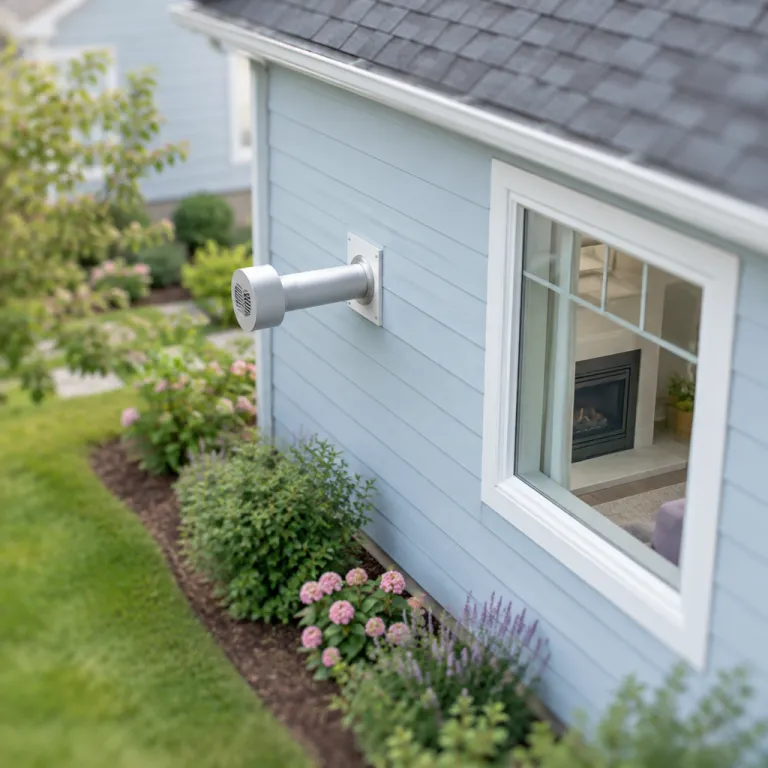
What is Direct Vent Fireplace Venting?
When it comes to direct vent fireplaces, their venting systems stand out significantly, ensuring efficient functionality for gas fireplaces. Essentially, it revolves around a closed system where combustion air used by the fireplace is sourced directly from outside the home. This fresh air is channeled through a specifically designed vent pipe, an essential part of the system.
Why Choose Direct Vent Fireplace Venting?
Direct venting provides numerous advantages over traditional methods. Firstly, it keeps the indoor air quality in check by reducing the chance of indoor air contamination. As the combustion byproducts are expelled vertically or horizontally through the wall or roof, there’s no connection to an indoor chimney, eliminating carbon monoxide risks. Moreover, since direct vent systems don't rely on indoor air for combustion, this method increases energy efficiency. This efficient air combustion process makes it an attractive option for those conscious about energy conservation.Components and Configuration of Direct Venting Systems
The direct vent system includes the fireplace, vent pipe, wall or ceiling thimbles, and the external termination cap that releases combustion byproducts outside. Duravent is a renowned brand often recommended for their high-quality vent pipe kits, which come with all necessary installation components. Typically, these systems are composed of both vertical and horizontal configurations, allowing flexibility depending on the home structure. Vertical venting directs air and byproducts through the roof, while horizontal systems vent through an outside wall. Choosing direct vent fireplaces over vent-free ones offers peace of mind with enhanced air flow management and improved safety standards, a big pro for families with indoor air quality concerns.Benefits of Direct Vent Fireplace Venting
Advantages of Opting for Direct Vent Fireplace Venting
Direct vent fireplace systems hold a reputation for transforming our relaxation time into a comforting experience. For those looking to improve air quality and safety, here are some significant benefits to consider:- Enhanced Indoor Air Quality: Unlike traditional vent fireplaces, direct vent systems draw combustion air from outside the home, ensuring no indoor air is consumed. This promotes healthier living by keeping indoor air fresh and less contaminated by combustion byproducts.
- Engineered Safety: One notable advantage is the sealed combustion system that minimizes the risk of carbon monoxide poisoning. Combustion byproducts are expelled through a vent pipe, reducing emissions indoors.
- Installation Flexibility: Deciding between horizontal and vertical venting systems depends on your home's layout. The versatility of these venting systems makes them suitable for various wall placements, with horizontal options offering more room arrangement possibilities.
- Reliable Performance: The dual vent gas setup ensures a more controlled combustion process, leading to efficient heating with consistent temperature maintenance. This means you'll enjoy a cozy atmosphere without constant adjustments.
- Minimized Maintenance Needs: Direct vent chimneys usually require less frequent cleaning and servicing compared to their traditional counterparts. With the right installation kit, including a wall thimble and termination cap, maintenance becomes less of a hassle.
Comparing Direct Vent and Traditional Venting Systems
Traditional Venting vs. Direct Vent Fireplace Systems
Direct vent fireplaces and traditional venting systems might seem alike at first glance, but they offer two very different experiences when it comes to heating your space. Understanding these differences can make your choice clearer and more aligned with your needs. Efficiency with Direct Vent Fireplaces:- Direct vent systems are sealed, meaning you won’t be wasting heated air from your living space. Instead, they draw air directly from outside the home through a dedicated vent pipe. This closed system significantly boosts efficiency—allowing you to enjoy a cozy, warm room without worrying about indoor air escaping or outdoor air seeping in.
- Traditional fireplaces, on the other hand, often draw warm indoor air for combustion, only to be lost up the chimney. This process tends to make them less efficient.
- Another standout benefit of direct vent gas fireplaces is their impact on indoor air quality. By venting combustion byproducts like carbon monoxide and other gases through the same sealed venting system, these fireplaces ensure that no harmful gases enter your home's indoor air.
- Traditional fireplaces, while charming, can sometimes let unsavory combustion byproducts into your home, especially if the chimney isn't maintained properly.
- Direct vent fireplaces excel in installations that might not suit traditional options. Whether you’re looking for a horizontal wall installation or a vertical venting setup, this versatility can simplify planning and execution. Using systems like DuraVent's, you can easily terminate at various wall heights or roof points, harnessing the flexibility to style your space creatively.
- With traditional fireplaces, you're usually limited by the placement of the existing chimney, which can restrict the fireplaces' locations in a home.
Installation Considerations for Direct Vent Fireplaces
Proper Planning for a Seamless Setup
Installing a direct vent fireplace may seem like a tall order, but with some solid foresight and understanding, you can clear the hurdles with ease. Let’s unpack the essentials for a smooth installation process and how they relate back to the benefits of venting systems.
Choosing Your Path: Horizontal or Vertical Venting
First up, pick the direction your venting will take. The choice between horizontal and vertical venting can be influenced by the layout of your home. Each option comes with its set of instructions:
- Horizontal Venting: Best suited for installations on an exterior wall. It typically requires a wall thimble for passing the vent pipe securely through your wall.
- Vertical Venting: More like a traditional chimney setup, running vertically through your home and requiring careful planning to avoid building obstructions.
Connecting the Gas Pipe: A Vital Step
Next on the checklist is the gas pipe connection. Ensure you're working with a vent pro if you’re not familiar with handling gas connections. Proper attachment between the fireplace and the source of combustion is vital for efficient operation.
Termination: Capping It Off
Completing the vent system involves installing the termination cap. This cap ensures that combustion byproducts exit safely, keeping your indoor air quality optimal. Both Duravent and other high-quality kits provide reliable options for this crucial component.
Seeking Professional Help
If at any point you feel out of your depth, it’s smart to call in a professional. A certified installer will integrate every piece smoothly, from the vent pipe to the termination cap, ensuring no loose ends. This keeps the risk of carbon monoxide at bay and enhances regular combustion air flow.
Think of this installation like crafting an excellent piece of art. With all the pieces in place correctly, your direct vented gas fireplaces provide efficient heating without compromising on safety.
Common Challenges and Solutions in Direct Vent Fireplace Venting
Troubleshooting Your Direct Venting System
Navigating potential challenges when setting up your direct vent fireplace venting can often feel like a balancing act. Thankfully, a few common issues arise consistently enough that solutions have been well-established, giving your fireplace's venting system a much-needed helping hand. One frequent issue is blockage in the vent pipe. Whether it's caused by debris, birds nesting in the termination cap, or snow piling up around a horizontal venting system, blockages can inhibit proper airflow. This can lead to combustion byproducts like carbon monoxide backing into your indoor air, potentially affecting your home's air quality. Routine inspections and keeping an eye on the vent's external components will mitigate this risk. Another concern is the challenge of getting the right balance between air intake and exhaust. Many direct vent gas fireplaces utilize dual vent pipes within a single larger pipe or opt for concentric pipes. These facilitate air combustion intake while allowing combustion gases to exit. A misalignment in this system can decrease efficiency. Ensuring proper installation of components like a wall thimble or duravent pipes, and securing the pipe connections can ensure that the system operates smoothly. In some cases, consulting with a vent pro might be necessary if your gas venting systems are not performing optimally. Installing the correct termination cap can also be a sticking point. Different fireplaces, based on whether they utilize vertical or horizontal venting, require specific termination caps that fulfill both safety and functional requirements. Make sure you're choosing the right kit for your fireplace model and installation requirements to avoid misfiring or poor fireplace performance. In some homes, adjusting to varying wall thicknesses or insulation types might present installation challenges, especially as you manage vent free and direct vent setups. Sometimes, you need to consider additional insulation around the chimney or fireplace frame to ensure the system's efficiency and safety. The optimal performance of gas fireplaces is not solely dependent on getting it right in the initial setup. Regular maintenance, alongside an awareness of the nuances of your particular vent fireplace, is key to enjoying a warm and safe home environment with your direct vent fireplace.Maintenance Tips for Optimal Performance
Maintenance for Keeping Your Direct Vent Fireplace in Peak Condition
Maintaining your direct vent fireplace ensures it runs efficiently and safely, adding warmth without worry to your home. Unlike traditional fireplaces, these modern systems rely on sealed combustion, with air for combustion and the expulsion of byproducts managed through dedicated venting pipes. Regular checks and basic maintenance can prevent problems and extend your enjoyment of cozy fireside moments.- Inspect the Venting System: Dust and debris can accumulate in the venting system. Examine the vent pipes for any signs of blockage or wear. Both horizontal and vertical venting configurations benefit from these regular checks, with particular attention to joints and the termination cap.
- Monitor the Air Combustion Quality: Since air quality indoors impacts performance, ensure the external vent provides adequate airflow for combustion. Check the vent pipe and wall thimble for obstructions as they play a critical role in ventilation.
- Check for Gas Leaks: Gas fireplaces depend on a sealed system to maximize safety. Listen for hissing sounds and use a gas leak detector if necessary to ensure there are no leaks along the vent gas lines or fireplace system.
- Examine the Burners and Ignition System: Clean the burners and pilot light regularly. Ensure they ignite reliably and consistently, providing an even flame and optimal heat output.
- Schedule Professional Servicing: Even with routine checks, a professional inspection can further ensure the system’s safety and efficiency. They can address more complex components like the combustion chamber and gas connections.
- Keep an Eye on the Chimney: Although many direct vent fireplaces don’t require a conventional chimney, ensuring the proper termination of exhaust gases through the vent system, often a duravent kit, is vital to avoid any build-up of combustion byproducts like carbon monoxide.