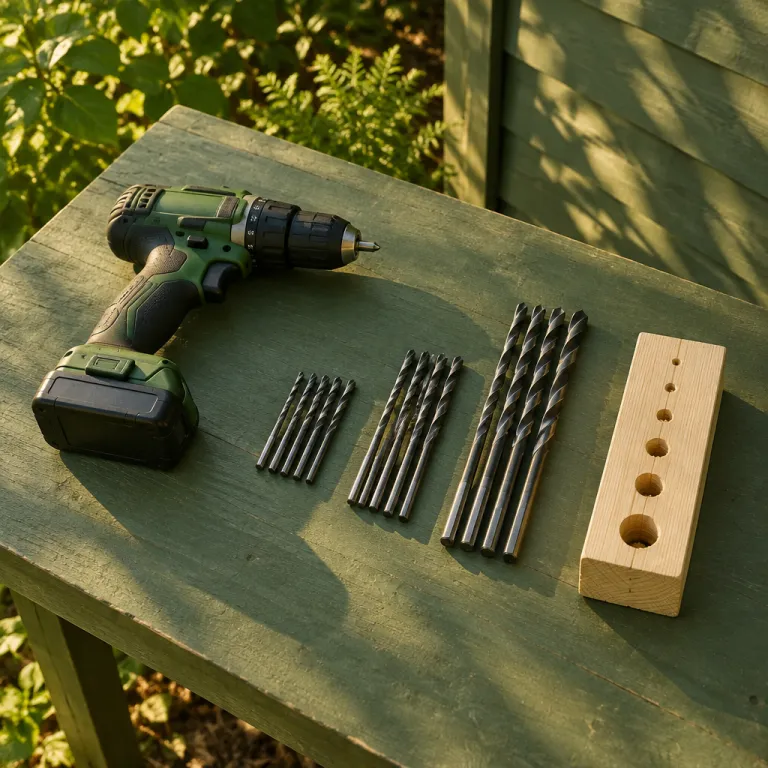
Why drill bit lengths matter in cordless drill sets
The overlooked role of drill bit length in cordless drilling
When shopping for a cordless drill set, most people focus on the power, battery life, or the number of bits included. However, the length of the drill bits is a detail that can make or break your drilling experience. Drill bit length directly affects how deep you can drill, the stability of the bit, and even the type of material you can work with. Whether you are using a standard jobber length drill bit or a long series twist drill, understanding the difference in lengths is crucial for achieving clean, precise holes and avoiding damage to your workpiece or drill.
Drill bits come in a variety of sizes and lengths, such as screw machine (short), jobber (standard), and taper or long series (extended). Each length serves a specific purpose. For example, shorter bits like screw machine bits offer more rigidity and are less likely to wander, making them ideal for drilling accurate holes in metal. On the other hand, longer bits are essential when you need to reach through thick materials or drill at an angle. The diameter and flute length also play a role in chip removal and drilling efficiency, especially when working with high speed steel bits or machine drills.
Choosing the right bit length is not just about convenience; it impacts the performance of your cordless drill and the quality of your work. Using a bit that is too long for the job can cause wobbling, reduce accuracy, and even strain your drill’s motor. Conversely, a bit that is too short may not reach the desired depth or could limit your ability to drill at an angle. For more insights into how drill bit length interacts with other factors like countersinking, check out this guide on understanding countersink and drill bit for cordless drill sets.
As you build your shopping cart for a new set of drill bits, consider not only the diameter and size but also the length that matches your typical projects. The right combination of bit lengths will help you tackle a wider range of jobs, from woodworking to metal fabrication, with greater confidence and safety.
Common drill bit lengths and their typical uses
Popular Drill Bit Lengths and Their Everyday Applications
When shopping for a cordless drill set, you’ll notice a variety of drill bit lengths and sizes. Each length serves a specific purpose, and understanding these can help you select the right bit for your job. Here’s a look at the most common drill bit lengths and how they’re typically used:
- Screw Machine Length (Stub): These are the shortest bits, often called stub or screw machine bits. Their reduced length offers greater rigidity, making them ideal for precision drilling and minimizing bit walk, especially in metal or when starting a hole.
- Jobber Length: The most common length for general-purpose drilling. Jobber length bits strike a balance between reach and stability, making them suitable for wood, plastic, and metal. Their flute length is typically 9 to 14 times the diameter of the bit, which helps with chip removal and cooling.
- Taper Length: These bits have a longer flute and overall length, allowing for deeper holes. They’re often used in applications where you need to drill through thick materials or reach into tight spaces.
- Long Series (Extra Long): Designed for jobs that require drilling deep holes or accessing hard-to-reach areas. While they offer extended reach, their increased length can make them more prone to bending or breaking if not used carefully.
Twist drill bits are the most common type across these lengths, but you’ll also find specialty bits like high speed steel, carbide, and machine drill bits in various sizes and lengths. The diameter of the bit, measured in inches or millimeters, also plays a role in selecting the right tool for your project. Number and letter sizes are often used for precision work, especially in metalworking.
When adding drill bits to your shopping cart, consider the typical jobs you’ll tackle. For most home and DIY tasks, jobber length bits in standard sizes will cover a wide range of needs. However, for specialized drilling—such as deep holes or working at an angle—long series or taper length bits may be necessary.
For more on why certain materials like carbide are essential for your cordless drill set, check out this detailed guide on carbide drill bits.
Understanding these common drill bit lengths and their uses will help you build a more versatile and effective cordless drill set, making your next project smoother and safer.
How to choose the right drill bit length for your project
Matching bit length to your drilling task
Choosing the right drill bit length for your project is crucial for both efficiency and safety. The length of a drill bit directly affects how deep you can drill, the stability of the bit, and the overall control you have during the drilling process. Whether you are working with a cordless drill or a machine drill, understanding the relationship between bit length and your specific task will help you achieve cleaner, more accurate holes.
- Shorter bits (like screw machine or stub length drills) offer better rigidity, making them ideal for drilling smaller diameter holes or when you need to avoid bit flex. These are commonly used for metalworking or precision jobs.
- Jobber length drill bits are the most common and versatile, suitable for a wide range of materials and hole depths. Their flute length and overall size make them a standard choice for most cordless drill sets.
- Long series or taper length bits are designed for deeper holes or when you need to reach into tight spaces. However, their increased length can make them more prone to bending or breaking if not used carefully.
When selecting a bit, consider the diameter of the hole you need, the material you are drilling, and the depth required. For example, drilling a deep hole in wood might call for a long series bit, while a shallow hole in metal could be best handled with a jobber or screw machine length drill.
Another factor is the type of cordless drill you are using. High speed drills can handle longer bits, but you may need to adjust your technique to maintain control and prevent wandering. If you often switch between different bit sizes and lengths, keeping a variety of bits in your shopping cart or tool kit ensures you are prepared for any job.
For those looking to maximize their cordless drill set’s performance, the choice of battery can also play a significant role. Discover how a 36V Li-ion battery can transform your cordless drill set experience by providing more power for demanding tasks and longer bit lengths.
Ultimately, matching the bit length to your project requirements will help you achieve better results, extend the life of your drill bits, and make your drilling experience safer and more efficient. Always check the recommended bit length for your specific application and material before starting your next project.
Impact of drill bit length on cordless drill performance
How Drill Bit Length Influences Cordless Drill Performance
The length of a drill bit directly affects how your cordless drill performs on the job. When selecting between short and long drill bits, it’s important to understand how each impacts drilling accuracy, control, and power efficiency.
- Stability and Control: Shorter bits, like screw machine or stub length drill bits, offer more stability and less flex. This makes them ideal for precision work, especially when drilling small diameter holes. Longer bits, such as jobber length or long series bits, can flex more, which may reduce accuracy if not handled carefully.
- Power Demand: Longer drill bits require more torque from your cordless drill. This can drain your battery faster, especially if you’re using high speed or heavy-duty machine drills. If your project involves deep holes or thicker materials, consider the battery life and power rating of your drill before choosing a long bit.
- Hole Depth: The flute length and overall bit length determine how deep you can drill in one pass. Standard jobber length bits are common for most tasks, but for extra depth, long series or taper length bits are necessary. However, deeper drilling increases friction, which can overheat both the bit and the drill motor if not managed properly.
- Bit Ejection and Chip Removal: Longer bits with extended flutes help remove chips from deep holes, reducing the risk of clogging. But, they can also be more prone to bending if too much pressure is applied at an angle.
Matching the bit length to your cordless drill’s capabilities and the job at hand is essential. Using the right size and type—whether it’s a twist drill, jobber length, or machine drill—ensures efficient drilling and extends the life of both your bits and your drill. Always check your drill’s specifications and consider the diameter drill and bit length before adding new bits to your shopping cart.
Storage and organization tips for various drill bit lengths
Keeping Your Drill Bits Sorted and Accessible
Proper storage and organization of drill bits in various lengths and sizes can make a significant difference in your workflow. When you have a mix of jobber length, screw machine, and long series bits, it’s easy for your cart or toolbox to become cluttered. This can slow down your drilling process and even lead to lost or damaged bits.- Use dedicated cases: Many cordless drill sets come with molded cases that separate bits by diameter and length. These cases help you quickly find the right size, whether you need a standard twist drill or a machine drill bit.
- Label your storage: If you store bits in drawers or bins, label each section by bit length (inches or millimeters), type (jobber, taper length, screw machine), and diameter. This makes it easier to grab the correct bit for the job.
- Magnetic strips and racks: For workshops, magnetic strips or wall-mounted racks can keep frequently used bits within arm’s reach. This is especially helpful for common sizes and lengths you use daily.
- Portable organizers: When working on-site, portable organizers with adjustable slots allow you to carry a selection of length drills, twist drills, and specialty bits without mixing them up.
Protecting Your Investment
Drill bits, especially high speed steel and specialty diameter drill bits, can be an investment. To extend their life:- Clean bits after use to remove debris and moisture, which can cause rust or dull the cutting edge.
- Store long series and taper length bits flat to prevent bending.
- Keep bits separated by size and type to avoid chipping or dulling from contact.
Quick Tips for Efficient Organization
| Bit Type | Recommended Storage | Common Lengths (inches) |
|---|---|---|
| Jobber Length | Molded case or labeled drawer | 1-6 |
| Screw Machine | Small bins or magnetic strip | 0.5-2 |
| Long Series | Flat tray or rack | 6-12 |
| Number/Letter Size | Indexed case | Varies |
Safety considerations when using different drill bit lengths
Staying Safe with Different Drill Bit Lengths
Using various drill bit lengths in your cordless drill set can make your projects more versatile, but safety should always come first. Each length, from short screw machine bits to long series twist drills, presents unique challenges and risks. Here’s what to keep in mind when working with different sizes and types:
- Stability and Control: Longer bits, such as jobber length or taper length drills, are more prone to flexing or bending, especially when drilling at an angle or through tough materials. Always start with a slow speed and steady pressure to avoid breakage or loss of control.
- Proper Bit Selection: Choosing the right diameter and length for the job is not just about efficiency—it’s about safety. Using a bit that’s too long or too thin for the material can cause it to snap, potentially causing injury.
- Secure Workpiece: No matter the bit size, always clamp your material securely. This prevents the workpiece from spinning or shifting, which is especially important with longer bits that can catch or bind in the hole.
- Clearance and Workspace: Longer bits require more clearance behind the drill. Make sure your workspace is free of obstacles and that you have enough room to operate the drill safely.
- Personal Protective Equipment: Always wear safety glasses to protect your eyes from flying debris, especially when using high speed or machine drill bits. Gloves can help, but avoid loose clothing that could get caught in the rotating bit.
- Inspect Bits Regularly: Check your drill bits for signs of wear, such as dullness or chips, before adding them to your shopping cart or using them. Damaged bits are more likely to break during use, particularly in harder materials or when using longer flute lengths.
- Use the Right Drill Settings: Adjust your cordless drill’s speed and torque settings according to the bit length and material. For example, a standard jobber length bit may require less torque than a long series bit drilling a deep hole.
By understanding the impact of bit length, diameter, and type—whether you’re using number letter sizes, machine drills, or high speed twist drills—you can reduce the risk of accidents and ensure a safer drilling experience. Always keep safety top of mind, no matter which drill bit you choose for your project.