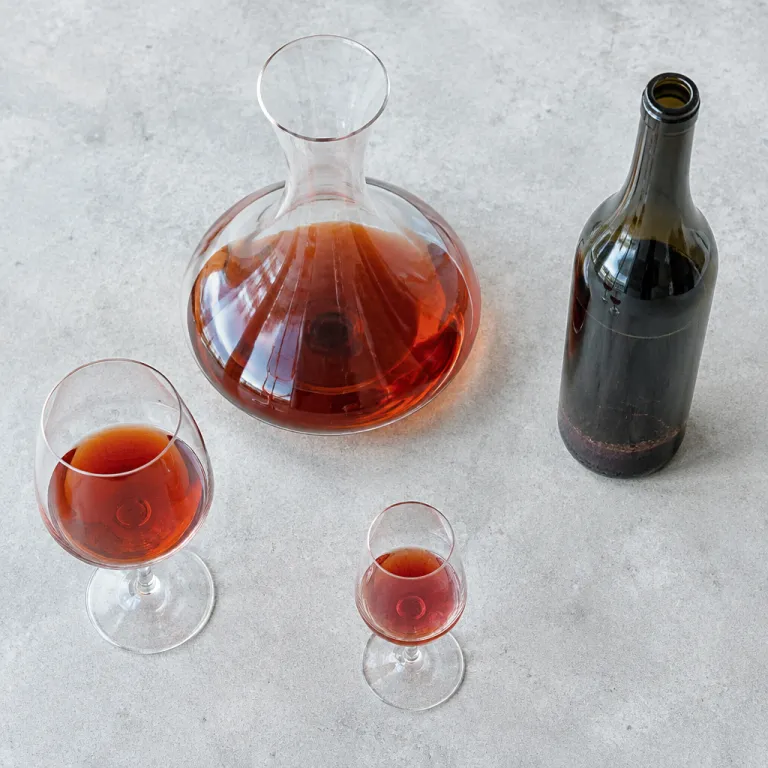
Defining a decanter and its role in wine enjoyment
What is a Decanter and Why Does it Matter?
A decanter is a vessel, often made from glass or crystal, designed to hold and serve wine or spirits. Its primary purpose is to enhance the wine drinking experience by allowing the wine to breathe and by separating sediment from the liquid. Decanters come in various shapes and sizes, but all serve the same essential function: to improve the taste, aroma, and clarity of wines, especially full bodied red wines.
When you pour wine from the bottle into a decanter, you expose it to oxygen. This oxygen exposure helps to aerate wine, unlocking flavors and aromas that might remain hidden if the wine stayed in the bottle. Decanting wine is especially important for older red wines, which may have sediment at the bottom of the bottle. By using a decanter, you can leave the sediment behind and pour only the clear, flavorful wine into your glass.
Decanters are not just for red wines. Some enthusiasts use them for spirits or even white wines, though the benefits are most noticeable with full bodied reds. The material of the decanter also matters. Lead free glass decanters are popular for everyday use, while lead crystal decanters are prized for their brilliance and elegance at the bar. However, if you plan to decant wine for several hours, lead free options are recommended for safety.
Choosing the best decanter depends on what wine you enjoy and how you plan to use it. Whether you prefer a classic wine decanter or a modern glass crystal design, the right vessel can make a noticeable difference in your wine enjoyment. For those interested in learning more about how temperature affects wine, you can explore optimal temperatures for wine coolers to further enhance your wine experience.
How decanting affects wine flavor and aroma
How Decanting Transforms Wine in the Glass
Decanting wine is more than just a ritual at the bar or dinner table. When you pour wine from the bottle into a decanter, you expose it to oxygen. This process, known as aeration, can significantly enhance the flavors and aromas of many wines, especially full bodied red wines. The time spent in the decanter allows the wine to "open up," softening harsh tannins and releasing complex scents that might otherwise stay hidden in the bottle.
For red wines, particularly those with sediment, decanting is essential. Sediment can build up in a bottle wine over time, especially with aged or bodied red varieties. By carefully pouring the wine into a decanter, you leave the sediment behind, ensuring a clearer glass and a smoother wine drinking experience. This is one of the main reasons why wine enthusiasts often decant wine before serving.
Not all wines benefit equally from decanting. While most young red wines and some spirits respond well to oxygen exposure, delicate older wines may only need a short time in the decanter to avoid losing their best qualities. The shape and material of your decanter—whether glass, crystal, or lead free—can also influence how efficiently the wine aerates. Glass decanters and crystal decanters each have their unique features, which we’ll explore further in this guide.
If you’re curious about the science and tradition behind decanting, you can find a deeper dive in our article on understanding the purpose of a wine decanter.
Types of decanters and their unique features
Exploring the Variety of Decanters for Wine and Spirits
When it comes to enhancing your wine drinking experience, the type of decanter you choose can make a noticeable difference. Decanters are available in a range of shapes, sizes, and materials, each designed to serve specific wines and spirits. Understanding these differences helps you select the best decanter for your needs and the wines you enjoy most.
- Traditional Glass Decanters: These are the most common and versatile, suitable for everyday wine drinking. Glass decanters are usually lead free, making them a safe choice for regular use. Their clear design allows you to appreciate the color and clarity of the wine as you pour from the bottle.
- Crystal Decanters: Known for their brilliance and elegance, crystal decanters are often chosen for special occasions or as display pieces at the bar. While some are made from lead crystal, many modern options are lead free, combining beauty with safety. Crystal decanters can enhance the visual appeal of both red wines and spirits.
- Wide-Bottom Decanters: These decanters have a broad base, increasing the surface area for oxygen exposure. This design is ideal for full bodied red wines that benefit from aeration, allowing the wine to open up and release its complex aromas in less time.
- Narrow-Neck Decanters: With a slimmer profile, these decanters are better suited for lighter wines or for situations where you want to limit oxygen exposure. They also help control the pour, minimizing spills and sediment transfer from the wine bottle to the glass.
- Specialty Decanters: Some decanters are designed specifically for spirits like whiskey or for aged wines that may contain sediment. These often feature unique shapes or built-in filters to catch sediment as you decant wine from the bottle.
Choosing between glass decanters and crystal decanters often comes down to personal preference, occasion, and the type of wine or spirits you plan to serve. For those interested in the broader world of wine storage and presentation, exploring the art of wine and cork storage can provide further insights into how to best care for your collection.
Ultimately, the right decanter will not only enhance the flavors and aromas of your wines but also add a touch of elegance to your wine drinking rituals. Whether you prefer a classic glass decanter or a striking crystal piece, understanding what decanter suits your needs is key to making the most of every bottle wine you open.
When and why to use a decanter
Deciding When to Decant Your Wine
Knowing when to use a decanter can elevate your wine drinking experience. Not every wine or bottle requires decanting, but understanding the right moments can make a noticeable difference in flavor and enjoyment. Here’s what to consider:
- Red wines and full bodied reds: These often benefit the most from decanting. The process helps soften tannins and allows the wine to open up, revealing complex aromas and flavors.
- Young wines: Decanting young, bold wines can help aerate wine, making them smoother and more approachable in the glass.
- Older wines with sediment: Mature wines, especially those with visible sediment in the bottle, should be decanted to separate the liquid from the sediment. This ensures a clearer pour and a better tasting experience.
- Crystal or glass decanters: Both materials are suitable for decanting, but lead free crystal decanters are a popular choice for those concerned about lead exposure. Glass decanters are also widely used and easy to clean.
- Spirits and other beverages: While decanters are most commonly associated with wine, some enthusiasts use them for spirits at the bar, mainly for presentation rather than aeration.
Why Decanting Makes a Difference
The main reasons to decant wine are to improve taste and appearance. Decanting exposes the wine to oxygen, which can enhance aromas and soften harsh notes, especially in full bodied red wines. It also allows sediment to settle at the bottom, so you can pour clear wine into your glass.
Time is a key factor. Some wines benefit from just 30 minutes in a decanter, while others may need several hours. The best approach is to taste the wine as it opens up, so you can decide when it’s at its peak.
- What wine should you decant? Most red wines, especially those that are young or have been aged for years, will benefit. Some white wines and even rosés can also improve with a short time in a decanter, but it’s less common.
- What decanter to use? The shape and size of the decanter can affect oxygen exposure. Wide-bottomed decanters are ideal for young, bold wines, while narrower ones suit older, more delicate bottles.
Ultimately, decanting is about enhancing the experience. Whether you’re pouring from a classic wine bottle or using a modern glass crystal decanter, the right approach will help you get the most from your wines.
Tips for choosing the right decanter for your needs
How to Pick the Right Decanter for Your Wine Drinking Experience
Choosing the best decanter depends on what wine you enjoy, how often you decant wine, and your personal style. Here are some practical tips to help you select a decanter that fits your needs:- Match the decanter to the wine type: Full bodied red wines, like Cabernet Sauvignon or Syrah, benefit from wide-bottomed decanters. These shapes increase oxygen exposure, helping to aerate wine and soften tannins. For lighter reds or white wines, a narrower decanter will do the job without overexposing the wine to air.
- Consider material and safety: Crystal decanters are elegant and often used for special occasions, but make sure to choose lead free crystal for everyday use. Lead crystal can leach over time, especially if spirits or wine are stored for hours. Glass decanters are a safe, practical choice for regular wine drinking.
- Think about ease of pouring and cleaning: Some decanters have complex shapes that look stunning on a bar, but can be tricky to pour or clean. If you decant wine often, look for a decanter with a wide neck and stable base. This makes it easier to pour wine from the bottle and to remove sediment without spills.
- Size matters: A standard wine bottle holds 750ml, so most wine decanters are designed to fit this volume. If you often serve magnums or want to decant multiple bottles at once, consider a larger decanter. For single-glass enjoyment, there are also smaller options.
- Style and display: Decanters come in many designs, from classic to modern. Choose one that matches your tableware or bar setup. Some wine enthusiasts prefer clear glass or crystal to appreciate the color of red wines, while others enjoy artistic shapes as a centerpiece.
Proper care and cleaning of your decanter
Keeping Your Decanter in Top Shape
Proper care and cleaning of your wine decanter is essential for preserving both its beauty and its function. Whether you use glass, crystal, or lead-free decanters, regular maintenance ensures that each pour enhances your wine drinking experience rather than detracting from it.
- Rinse Immediately: After decanting wine, rinse the decanter with warm water as soon as possible. This helps prevent stains from red wines and removes any lingering sediment.
- Avoid Soap Residue: Many experts recommend not using soap, especially with crystal decanters, as it can leave behind residues that affect the flavor and aroma of your next bottle. If you must use soap, choose a fragrance-free, gentle option and rinse thoroughly.
- Use Cleaning Tools: For stubborn stains or sediment, use decanter cleaning beads or a soft bottle brush. These tools are designed to reach the curves and corners of your decanter without scratching the glass or crystal.
- Drying Techniques: Let your decanter air dry upside down on a rack or use a decanter dryer. Avoid using cloth towels, which can leave lint or fibers inside the vessel.
- Storage Matters: Store your decanter in a dust-free area, away from direct sunlight. This preserves the clarity of glass decanters and protects lead crystal from potential damage over time.
When cleaning lead crystal decanters, be mindful of prolonged exposure to wine or spirits. Limit the time wine spends in a lead crystal decanter to a few hours, as extended contact may cause trace amounts of lead to leach into the wine. For those who decant wine frequently, lead-free options are often the best choice for peace of mind and everyday use.
By following these simple steps, you ensure your decanter wine experience remains pure, allowing every bottle wine to reveal its best character with each decanting. Proper care not only maintains the brilliance of your decanter but also supports the full enjoyment of your favorite red wines and spirits at your home bar.