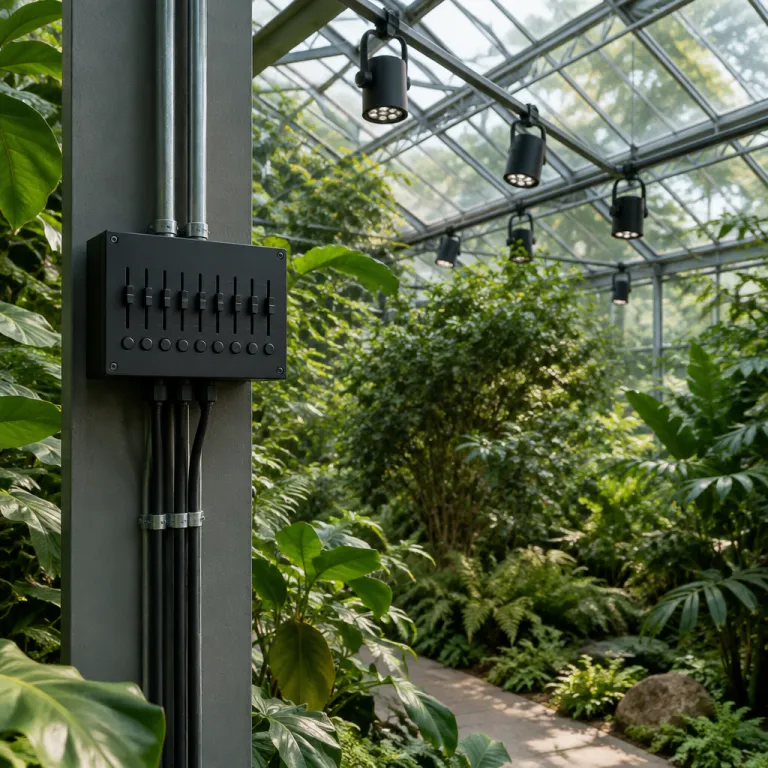
What is a DMX Light Controller?
Unpacking the Basics of DMX Light Controllers
The emergence of smart lighting has revolutionized how we illuminate our spaces, with DMX light controllers playing a pivotal role in this lighting transformation. A DMX light controller, or Digital Multiplex, is an advanced system that allows users to precisely control and manipulate the lighting equipment, including lights, fixtures, and accessories, by sending digital signals to various channels. These controllers are instrumental in transforming a simple lighting setup into a dynamic and vibrant display.
DMX controllers are an essential component for those aiming to achieve nuanced lighting schemes, whether for a small setting or a sprawling venue. They are commonly used in stage lighting, allowing operators to control a wide array of lighting fixtures from a single console. This capability is particularly crucial in theatrical productions, concerts, and events where lighting intensity and color must change dynamically in real-time.
While DMX systems can vary in complexity and price, they generally share common features such as channel control, wireless DMX capabilities, and support for a multitude of lighting fixtures including LED lights and dimmer packs. Furthermore, they often come with accessories like cables, vari lite options, and consoles that expand their functionality. For those considering a smart lighting upgrade, understanding how DMX controllers integrate with modern smart home systems could significantly amplify your control over personal or professional spaces.
In today's market, DMX lighting controllers can be found at various price points, often available at a discounted sale price. They provide a gateway to sophisticated lighting control, offering both wired and wireless options to suit different project needs. To get a quick view of their capabilities and determine the right fit for your setup, consider exploring options through guides like Finding the Perfect Illumination: A Guide to Smart Lighting, which helps demystify the vast choices available.
How DMX Controllers Enhance Smart Lighting
Transforming Smart Lighting with Advanced DMX Controllers
Understanding how DMX controllers enhance smart lighting is paramount for optimizing both functionality and aesthetics in various environments, from homes to commercial spaces. DMX, which stands for Digital Multiplex, is an industry standard for lighting control, often used in stage lighting but increasingly popular in smart lighting systems. Let's explore how these controllers bring a new dimension to lighting solutions. DMX controllers operate as the central processing unit in lighting networks, offering precision and flexibility unmatched by traditional lighting setups. Through channel-based control, these devices can independently manage multiple lighting fixtures, each with its unique address and function. This channel DMX setup means users can adjust brightness, color, and movement with remarkable accuracy, allowing for dynamic lighting displays tailored to any setting. In a smart home context, DMX controllers play a pivotal role in integrating lighting control with other automated systems. Using wireless DMX technology, households can achieve seamless connectivity across devices, from LED lights to other smart accessories. The impact of DMX controllers is profound in applications such as architectural lighting and theatrical productions. With features like preset scenes and real-time adjustments, controllers can drastically enhance the ambiance of a room or stage. This capability is complemented by lighting consoles and dimmer packs, which provide even more granularity in lighting control. Moreover, the advancement in DMX technology, such as wireless options, offers ease of installation and ultrafast response times, drastically improving user experience and satisfaction. For those exploring smart housing possibilities, particularly in innovative hubs like Austin, integrating DMX controllers proves to be a crucial step towards optimized lighting solutions. In summary, DMX controllers are at the forefront of enhancing smart lighting systems by offering customizable, intelligent control that adapts to both current needs and future trends.Key Features of Modern DMX Controllers
Modern DMX Control Innovations
Today's DMX controllers have evolved significantly, offering a range of features that enhance versatility and the overall lighting experience. Thanks to these advancements, controlling LED fixtures and dimmer packs has become more intuitive and efficient. Here are some of the key features that modern DMX lighting controllers bring to the table:
- Wireless Control: One of the major advancements is the integration of wireless DMX technology. This feature eliminates the need for extensive cabling by transmitting signals wirelessly, offering more flexibility in stage and bar setups. It not only reduces clutter but also simplifies installation and maintenance.
- Advanced Lighting Consoles: Modern lighting consoles now come equipped with enhanced processing power, enabling precise control over a multitude of lighting fixtures and channels. This includes sophisticated control over varying levels of LED intensity, color mixing, and dynamic effects.
- Intuitive User Interfaces: Newer DMX controllers often feature touchscreen interfaces and customizable apps, making it easier for users to manage complex lighting setups. This allows for a human-centric approach, enhancing the overall user experience.
- Expandable Systems: As demands grow, many controllers offer the capability to expand through additional accessories and peripherals. This scalability ensures that you can adapt to larger, more complex lighting systems over time without needing to replace the entire setup.
- Integrated Effects: Equipped with built-in libraries of standard and customizable effects, modern controllers allow for quick deployment of lighting themes and transitions, perfect for stage lighting where time and precision are crucial.
In summary, the innovations in DMX lighting control systems have played a substantial role in shaping the functionalities available to users today. Whether it's through wireless technology, advanced consoles, or expandable capabilities, modern DMX controllers provide a comprehensive solution for any lighting requirement, especially for those seeking to enhance their smart lighting projects.
Integrating DMX Controllers with Smart Home Systems
Seamless Integration with Smart Home Systems
Integrating DMX controllers into your smart home system provides a dynamic and customizable lighting environment. These controllers allow you to manage various lighting fixtures like LED strips, par cans, and stage lights through a single interface, enhancing convenience and functionality.
Wireless DMX options provide even more flexibility in connecting your lighting systems. By utilizing wireless DMX, users can eliminate the need for long cables, offering a cleaner and more efficient setup. This ease of connection is a significant benefit if you aim to integrate your lighting system with other smart home accessories, allowing control via smartphone apps or voice commands.
Moreover, DMX controllers can communicate with smart home systems through advanced lighting consoles. These consoles provide access to more complex control options, such as dimmer packs and channel DMX configurations. With a few adjustments, your lighting controller can manage various lighting scenarios, transforming your home’s ambiance.
Additionally, with price-efficient options available for sale, DMX controllers offer significant advantages in terms of cost versus functionality. The versatility provided by these systems at various price points makes them an attractive option for any smart home setup. Their integration into smart home systems bridges traditional lighting control with modern technology, offering users a broader spectrum of control and creativity in their lighting designs.
Challenges in Using DMX Controllers for Smart Lighting
Obstacles Faced When Employing DMX Controllers for Lighting Solutions
The integration of DMX controllers in lighting systems certainly offers enhanced control and flexibility. However, there are several challenges that users might encounter. Understanding these potential difficulties can better prepare users to manage their smart lighting systems effectively.
First and foremost, the technical complexity of DMX lighting systems can be daunting for some users. With various components such as lighting fixtures, dimmer packs, and consoles involved, setting up a DMX controller requires a certain level of technical expertise. Each DMX channel must be correctly assigned and configured to ensure that every par, LED, or vari lite responds as intended. This process often involves meticulous work and precise calculations, which might be challenging for users with limited experience in lighting control.
Another challenge lies in the cost associated with acquiring and maintaining DMX systems. Depending on the range and capabilities of the equipment, the price can vary significantly. While prices of controllers and accessories may seem reasonable in a quick view, the total expense can rise when additional gear like wireless DMX devices, cables, and lighting controllers come into play. Additionally, users might need to invest in high-quality fixtures and stage lighting systems to utilize the full potential of the DMX controller.
In some cases, wireless DMX systems can present connectivity issues, particularly in environments with numerous wireless devices. Interference might cause delays or interruptions, affecting the seamless delivery of lighting control commands. Therefore, users need to ensure that the frequency channels used by the DMX lighting control are free of congestion, which might require additional tools and expertise.
Finally, while integrating DMX controllers with broader smart home systems offers considerable advantages, this process might involve compatibility issues. Not all DMX lighting controllers are designed to integrate seamlessly with various smart home protocols. Users may need to resort to using specific interfaces or ensure their smart systems support DMX connections.