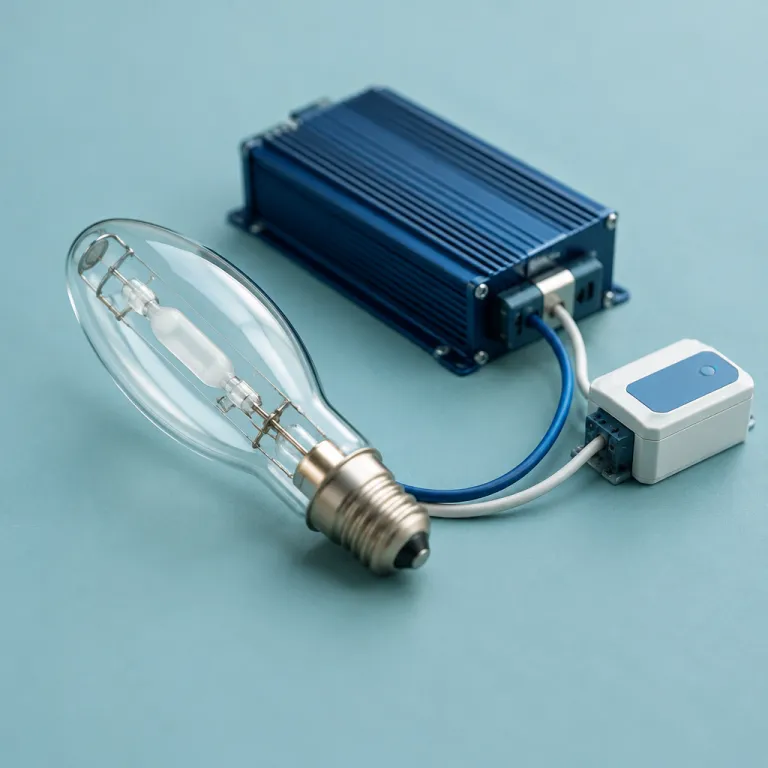
Introduction to Metal Halide Bulbs
Metal Halide Bulbs: Origins and Characteristics
Metal halide bulbs, a type of high-intensity discharge lamp, are frequently recognized for their efficiency and versatility in various lighting applications. These bulbs produce white light, which is often used in both commercial and residential settings.
A metal halide lamp generally consists of an arc tube enclosed within a clear bulb. This arc tube, often made from high-quality quartz or ceramic, contains a mixture of gases and metal halides, alongside a mercury vapor component. When the arc establishes, these metals evaporate and aid in generating a bright and intense light output.
The color rendering and color temperature of metal halide bulbs are superior to many alternative lighting technologies, making them suitable for spaces where accurate color perception is paramount.
Understanding their price, standard wattage, and base types—from the ubiquitous medium base to the hefty mogul base—can influence consumer choice, particularly when comparing them with newer technological advancements. These bulbs are available as both probe start and pulse start variants, each with distinct operational and efficiency characteristics.
Due to their long lifespan and powerful light output, metal halide lamps have been standard choices in various sectors. However, their role in smart lighting systems is evolving, met by both opportunities and challenges as discussed further. Explore the intricacies of modern lighting solutions with our insights on light bulb socket standards.
Benefits of Metal Halide Bulbs in Smart Lighting
Advantages of Incorporating Metal Halide Bulbs
The role of metal halide bulbs in smart lighting systems offers a range of noteworthy benefits that make them a popular choice for various settings. These bulbs are known for their capability to produce a high-intensity discharge of light, making them ideal for environments that require bright and efficient lighting solutions. One of the most significant advantages of metal halide lamps is their energy efficiency. They utilize the arc tube technology, which converts electrical energy into light more efficiently compared to traditional incandescent bulbs. This allows for a reduction in energy consumption while maintaining a high standard of illumination. In terms of color rendering, metal halide bulbs are highly regarded. These discharge lamps provide a white light with excellent color rendering capabilities, which makes the environment appear more natural and vibrant. Whether used in commercial or residential settings, their ability to showcase true colors enhances the ambiance and functionality of any space. Metal halide lamps are available in both mogul base and medium base configurations, offering flexibility in their application. The variety in bases, along with the range of wattages available (such as the 250-watt metal halide), allows tailored lighting solutions to suit specific requirements. Although metal halide lamps can have a higher initial price compared to some other options, such as the mercury vapor lamp, their overall value lies in long-term efficiency and bright, consistent light output. Many users find that the benefits in light quality and energy savings can justify the cost over time. For a further understanding of different options for socket compatibility and enhancements in lighting technology, you can explore more about the modern light bulb socket here. This can aid in determining the best use and fit for metal halide bulbs within diverse smart lighting setups.Challenges Faced by Metal Halide Bulbs
Obstacles in Utilizing Metal Halide Bulbs
Metal halide bulbs are well-regarded for their intense white light and high intensity, making them a popular choice in many lighting applications. However, this type of light bulb comes with its own set of challenges, particularly when it comes to integrating into modern smart lighting systems. One significant challenge is the arc tube used in metal halide lamps. This component, while critical for producing the desired light intensity, can suffer from temperature fluctuations, impacting the bulb's longevity and consistency. Metal halide bulbs typically require a lengthy time to reach full brightness – a process known as "probe start" – which can be inconvenient in dynamic lighting scenarios. Another issue is the energy efficiency of metal halides. These lamps often consume more power compared to other lighting options, which affects both running costs and the environment. Moreover, the initial "start" of a metal halide bulb can consume a significant amount of energy, further diminishing its energy efficiency credentials. Additionally, maintaining the clear, high-quality color rendering over time can be a challenge as the light's color temperature shifts as the lamp ages. The use of halides and mercury vapor in metal halide bulbs raises environmental concerns due to the potential hazardous waste produced upon disposal. These discharge lamps require careful handling and disposal processes to minimize environmental impact. Furthermore, unlike more adaptable lighting options, metal halide bulbs with their standard mogul and medium bases may not easily integrate into contemporary smart lighting systems. These systems often rely on quick response times and energy-efficient LED solutions, which can easily adjust light levels and color due to sophisticated controls. For those looking to enhance ambiance with modern adaptation, alternative approaches and products are often explored (as noted in section 4 of our series). Despite the challenges, metal halide bulbs continue to serve as a dependable lighting option in certain applications wherein their high-intensity discharge and superior color rendering are required. However, potential financial and environmental costs might encourage adopters to consider alternative lighting choices, like LED systems, which address many of the efficiency and adaptability issues faced by metal halides. Explore more about enhancing ambiance with lighting solutions here.Integration with Smart Technology
Integrating With Smart Technology: A Bright Future
Metal halide bulbs, known for their high-intensity discharge and energy efficiency, bring a unique set of qualities to smart lighting setups. Their integration with smart technology is influenced by various factors, which enhances their functionality in modern applications. One of the critical aspects of smart lighting is the ability to control light intensity and color temperature. Metal halide bulbs, with their impressive color rendering capabilities, are already ahead in producing high-quality white light. This advantage is vital for achieving the desired ambiance in a setting, whether it's a commercial space requiring consistent bright illumination or a residential area needing a softer touch. While these bulbs have traditionally relied on a probe start mechanism, advancements in smart technology allow for smoother transitions and more efficient control via digital interfaces. By upgrading to electronic ballasts, facilities can enhance the performance of halide lamps, overcoming the limitations of traditional mogul base or medium base configurations. Moreover, the adaptability of metal halides in smart setups extends to various applications, from standard discharge lamps to specialized lighting solutions like those with a tubular arc tube design. This flexibility is particularly beneficial for enterprises looking to balance price with performance, reducing operational costs while maintaining optimal lighting conditions. In comparison with other smart lighting options, such as LED systems or mercury vapor alternatives, metal halide bulbs still offer competitive advantages in certain scenarios. Their intense and consistent light output, particularly in high-intensity environments, makes them an invaluable component in a comprehensive smart lighting strategy. While there are challenges associated with older models, the constant innovations in this field promise a bright future for metal halide bulbs in smart lighting. As technology continues to advance, their integration possibilities will only expand, presenting new opportunities for both consumers and businesses to leverage their benefits effectively.Comparing Metal Halide Bulbs with Other Lighting Options
Comparing Metal Halide Bulbs with Other Lighting Technologies
When it comes to smart lighting, the choice of bulb can significantly impact the overall performance and efficiency of the system. Metal halide bulbs, known for their high intensity discharge and excellent color rendering, offer distinct advantages and challenges compared to other lighting options.
One of the primary competitors to metal halide lamps in the smart lighting arena is LED technology. LEDs are renowned for their energy efficiency and long lifespan, often surpassing metal halide bulbs in these areas. While metal halide lamps provide a high intensity white light with superior color temperature and rendering, LEDs can offer similar benefits with lower energy consumption and reduced heat output.
Another alternative is the mercury vapor lamp, which, like metal halides, is a type of discharge lamp. However, mercury vapor lamps generally have a lower color rendering index and are less efficient in terms of energy use. Metal halide bulbs, with their arc tube and mogul base design, deliver a clearer and more vibrant light, making them preferable for applications requiring high-quality illumination.
In terms of cost, metal halide bulbs can be more expensive upfront compared to standard incandescent or compact fluorescent lamps. However, their high intensity and superior color quality often justify the price for applications where these attributes are critical. The probe start mechanism in metal halide lamps also contributes to their reliability, although it may require more maintenance than LED systems.
Ultimately, the choice between metal halide bulbs and other lighting technologies depends on the specific needs of the smart lighting application. Factors such as energy efficiency, color quality, and initial cost must be weighed to determine the most suitable option. As smart technology continues to evolve, the integration of metal halide bulbs with advanced systems could further enhance their appeal in the lighting market.