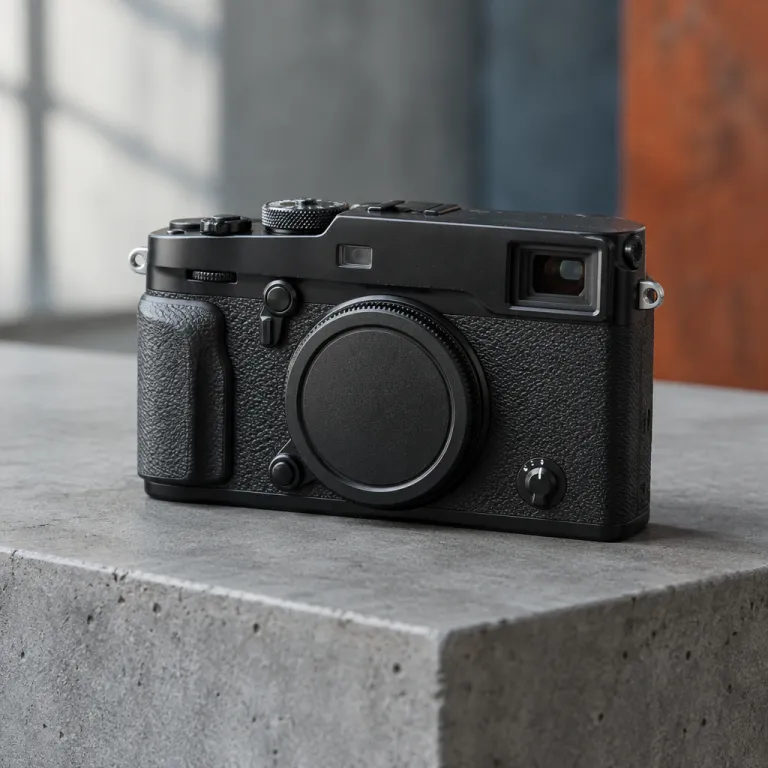
Understanding the fujifilm xpro 1’s unique design
Distinctive Rangefinder-Inspired Body and Hybrid Viewfinder
The Fujifilm X-Pro1 stands out in the digital camera world with its unique design philosophy. Drawing inspiration from classic film cameras, the X-Pro1 features a robust build quality and a tactile control layout that appeals to both seasoned photographers and newcomers. The camera’s magnesium alloy body feels solid in hand, offering a reassuring weight without being cumbersome. This attention to detail in construction is something that many camera reviews highlight as a key advantage, especially when compared to more plasticky modern alternatives.
One of the most celebrated features is the hybrid viewfinder. This innovative system allows users to switch between an optical viewfinder and an electronic viewfinder, combining the immediacy of traditional rangefinder shooting with the flexibility of digital overlays. For those who appreciate the experience of composing through an optical viewfinder, but also want the benefits of exposure previews and focus aids, the X-Pro1’s hybrid viewfinder is a game-changer. It’s a rare feature in digital cameras, and it’s part of what gives the X-Pro1 its enduring appeal among pro fujifilm enthusiasts.
Classic Controls Meet Modern Functionality
The X-Pro1’s control scheme is another nod to film-era cameras. Dedicated dials for shutter speed and exposure compensation, along with an aperture ring on most Fuji lenses, provide direct access to key settings. This design encourages photographers to slow down and engage more thoughtfully with their image making, reminiscent of shooting with film. The camera’s menu system is straightforward, and the physical controls make it easy to adjust ISO, focus mode, and other settings on the fly.
For those interested in exploring the evolution of Fujifilm’s design language, a comprehensive guide to the Fujifilm X-T20 offers useful context on how the brand has refined its approach over time.
Timeless Aesthetics and Practicality
Beyond its technical features, the X-Pro1’s understated, retro-inspired look has made it a favorite among street and documentary photographers. The camera’s design is discreet, allowing users to blend in and capture candid moments without drawing attention. Its compact size, especially when paired with a small prime lens, makes it an ideal companion for travel and everyday photography. The X-Pro1’s design is not just about nostalgia—it’s about creating a tool that feels intuitive and inspires confidence, whether you’re shooting in RAW, experimenting with film simulations, or working in low light with high ISO settings.
Image quality and sensor performance
Sensor Technology and Image Output
The Fujifilm X-Pro1 stands out in the digital camera world thanks to its unique 16.3MP APS-C X-Trans CMOS sensor. Unlike traditional Bayer sensors, the X-Trans CMOS uses a randomized color filter array, which helps minimize moiré and false colors without the need for an optical low-pass filter. This design gives the camera an edge in resolving fine detail, making it a favorite among enthusiasts who value image quality. In practical use, the sensor delivers crisp, vibrant images with excellent dynamic range, even when shooting in RAW mode. Many camera reviews still praise the X-Pro1 for its film-like rendering, especially when paired with Fujifilm’s renowned film simulations.
Performance in Various Lighting Conditions
One of the strengths of the X-Pro1 is its performance in low light. The camera’s ISO range extends up to 6400 (expandable to 25600), allowing for flexibility in challenging lighting. High ISO images retain a surprising amount of detail and color fidelity, with noise levels that remain well-controlled for an APS-C sensor of its era. This makes the X-Pro1 suitable for a variety of photography styles, from street to portrait, where lighting can be unpredictable.
Color Science and Film Simulations
Fujifilm’s color science is a major draw for many photographers. The X-Pro1 offers several film simulation modes, emulating classic film stocks such as Provia, Velvia, and Astia. These modes provide distinctive looks straight out of the camera, reducing the need for extensive post-processing. The film simulation options are especially appealing for those who appreciate the aesthetics of analog film but want the convenience of a digital camera.
RAW Flexibility and Post-Processing
For users who prefer to fine-tune their images, the X-Pro1’s RAW files offer plenty of latitude. The sensor’s dynamic range means highlights and shadows can be recovered with confidence during editing. This flexibility is valued by pro photographers and enthusiasts alike, as it allows for creative control over the final image. If you’re interested in pairing the X-Pro1 with a versatile lens, check out this review of the Fuji X 23mm f1.4, a popular choice for maximizing image quality on this system.
- Sensor: 16.3MP APS-C X-Trans CMOS
- ISO Range: 200–6400 (expandable to 100–25600)
- Film Simulations: Multiple classic Fujifilm modes
- RAW Support: Yes, with strong post-processing flexibility
While the X-Pro1 may not match the sheer resolution or speed of some modern full frame cameras, its sensor and color science continue to deliver a distinctive, high-quality image output that appeals to digital camera enthusiasts who value character and flexibility in their photography.
Handling and user experience
Everyday Handling and Build Quality
The Fujifilm X-Pro1 stands out for its robust build quality and tactile controls. The magnesium alloy body feels solid in hand, giving a sense of durability that rivals many modern digital cameras. Dials for shutter speed and exposure compensation are well-placed, making it easy to adjust settings without diving into menus. This physical feedback is something many pro photographers appreciate, especially when shooting in fast-paced environments or low light situations.
The Hybrid Viewfinder Experience
One of the most distinctive features is the hybrid viewfinder. This unique system allows users to switch between an optical viewfinder and an electronic viewfinder, blending the classic feel of film cameras with the advantages of digital technology. The optical viewfinder offers a clear, real-world view with frame lines that adjust for different focal lengths, while the electronic mode provides a live preview with exposure and white balance feedback. This flexibility is particularly useful for photographers who value both tradition and innovation in their workflow.
Focus, Shutter, and Shooting Modes
Autofocus on the X-Pro1 is contrast-detect, which was standard at its release. While not as fast as current phase-detect systems, it remains accurate for most photography needs. Manual focus is aided by clear focus peaking, making it easier to achieve sharp results with various lenses. The shutter speed dial and dedicated aperture rings on many Fuji lenses encourage a hands-on approach, reminiscent of classic film cameras. For those shooting in RAW, the camera delivers files with excellent latitude for post-processing, and film simulation modes provide creative options straight out of the camera.
Ergonomics and User Interface
The camera’s layout is straightforward, with minimal distractions. Buttons are logically placed, and the menu system is intuitive, even for those new to the Fujifilm ecosystem. The grip is comfortable for extended use, and the overall size makes it a practical choice for street photography or travel. The X-Pro1’s design encourages a slower, more thoughtful approach to photography, which many enthusiasts find rewarding.
Reliability in the Field
In real-world use, the X-Pro1 has proven itself as a reliable companion. Its battery life is respectable for a mirrorless camera of its generation, and the weather-sealed body (when paired with certain pro lenses) offers peace of mind in challenging conditions. The camera’s performance in high ISO settings is impressive, maintaining image quality even in low light scenarios. For photographers concerned about focus accuracy with flash, understanding focus shift is essential—this guide on focus shift with flash provides valuable insights relevant to any digital camera system.
Lens options and system flexibility
Exploring the X-Pro1 Lens Ecosystem
One of the standout features of the Fujifilm X-Pro1 is its compatibility with a wide range of lenses, making it a flexible choice for digital camera enthusiasts. The camera uses the Fujifilm X-mount, which has grown significantly since the X-Pro1’s release. This means users have access to a broad selection of Fujinon lenses, from compact primes to versatile zooms, each designed to maximize the performance of the camera’s trans CMOS sensor.
- Prime Lenses: These are favored for their sharpness and fast apertures, perfect for low light photography and achieving beautiful background blur. The 35mm f/1.4 is a classic choice, often highlighted in camera reviews for its film-like rendering and image quality.
- Zoom Lenses: For those who need flexibility in focal length, Fujifilm offers several high-quality zooms. These lenses are well-suited for travel, events, and situations where changing lenses is not practical.
- Third-Party Options: The X-mount has attracted third-party manufacturers, expanding creative possibilities. Manual focus lenses from brands like Samyang and Zeiss can be adapted, giving photographers even more control over their images.
System Flexibility and Creative Control
The X-Pro1’s hybrid viewfinder is a unique asset, allowing users to switch between an optical viewfinder and an electronic mode. This is especially useful when using different types of lenses, as it provides both a traditional rangefinder feel and the precision of a digital display. The camera’s build quality supports frequent lens changes, and the robust mount ensures a secure fit, even with heavier pro lenses.
Another advantage is the camera’s support for RAW image capture, which pairs well with high-quality lenses. This allows photographers to extract maximum detail and dynamic range from the trans sensor, especially when shooting in challenging lighting conditions or at high ISO settings. The film simulation modes, inspired by classic film stocks, further enhance creative options, letting users tailor the look of their images in-camera without sacrificing quality.
How the X-Pro1 Stands Out in the System Camera Market
While many modern cameras offer full frame sensors and faster autofocus, the X-Pro1 remains relevant due to its unique combination of lens compatibility, hybrid viewfinder, and film simulation features. The system’s flexibility means it can adapt to a wide range of photography styles, from street to portrait to landscape. For those who value the tactile experience of manual controls and the distinctive rendering of Fujifilm lenses, the X-Pro1 continues to deliver a satisfying and professional-level photography experience.
Comparing the fujifilm xpro 1 to modern alternatives
How Does the X-Pro1 Stack Up Against Today’s Digital Cameras?
When comparing the Fujifilm X-Pro1 to modern digital cameras, it’s important to look beyond just the age of the model. The X-Pro1’s unique hybrid viewfinder, robust build quality, and classic design still set it apart from many recent releases. While newer cameras may offer faster autofocus, higher ISO performance, and advanced features like in-body stabilization, the X-Pro1 delivers a distinctive shooting experience that many enthusiasts still value.
- Sensor and Image Quality: The X-Pro1’s 16MP X-Trans CMOS sensor produces images with excellent color depth and detail. While full frame sensors in newer cameras offer better low light performance and dynamic range, the X-Pro1’s sensor still holds its own, especially when shooting in RAW and using Fujifilm’s film simulations.
- Viewfinder Experience: The hybrid optical/electronic viewfinder remains a standout feature. Most modern cameras rely solely on electronic viewfinders, but the X-Pro1’s optical option appeals to those who appreciate a direct, lag-free view of the scene, reminiscent of classic film cameras.
- Build and Handling: The X-Pro1’s solid construction and tactile controls give it a pro feel that’s sometimes missing in newer, more compact models. The manual dials for shutter speed and exposure compensation encourage a slower, more thoughtful approach to photography.
- Lens System: While newer Fujifilm bodies support a wider range of pro lenses and faster autofocus, the X-Pro1 is compatible with the same X-mount lenses, including high-quality primes and zooms. This means users can still access the latest glass, even if the body is older.
What You Gain and Lose with the X-Pro1
Choosing the X-Pro1 over a modern camera means accepting some trade-offs. You won’t get the fastest burst rates, the highest megapixel counts, or the most advanced autofocus tracking. However, you gain a unique shooting experience, a hybrid viewfinder, and access to Fujifilm’s renowned film simulation modes. For those who value image quality, classic design, and a slower, more deliberate approach to photography, the X-Pro1 remains a compelling option in a world of ever-evolving digital cameras.
| Feature | Fujifilm X-Pro1 | Modern Alternatives |
|---|---|---|
| Sensor Type | X-Trans CMOS | Newer X-Trans / Full Frame CMOS |
| Viewfinder | Hybrid (Optical/Electronic) | Electronic Only |
| Lens Compatibility | Fujifilm X-Mount | Fujifilm X-Mount / Other Mounts |
| Film Simulations | Yes | Yes (Expanded Options) |
| Autofocus | Contrast Detect | Hybrid (Phase/Contrast) |
| Build Quality | Pro-Level, Magnesium Alloy | Varies (Often Lighter) |
| ISO Range | 200–6400 (Expandable) | Wider Native Range |
Who should consider the fujifilm xpro 1 today?
Who Finds Value in the X-Pro1 Today?
The Fujifilm X-Pro1 still attracts a dedicated group of digital camera enthusiasts, even years after its release. Its appeal comes from a blend of classic design, unique hybrid viewfinder, and the distinct image quality produced by the X-Trans CMOS sensor. But who exactly should consider this camera in the current landscape?
- Photographers Seeking a Film-Like Experience: The X-Pro1’s film simulations and optical viewfinder create a shooting experience reminiscent of classic film cameras. If you appreciate the tactile feel and slower, more thoughtful approach to photography, this camera delivers that in a digital format.
- Fans of Manual Controls and Build Quality: The robust build and manual dials for shutter speed, ISO, and exposure compensation make it a favorite for those who want direct control over their settings. The pro-level build quality stands out, especially compared to many modern digital cameras that prioritize compactness over tactile feedback.
- Image Quality Enthusiasts: Despite its age, the X-Pro1’s X-Trans CMOS sensor still produces excellent raw files with impressive dynamic range and color depth. The camera’s high ISO performance and film simulation modes allow for creative flexibility, especially in low light situations.
- Lens System Explorers: The X-Pro1 is compatible with a wide range of Fuji X-mount lenses, from compact primes to pro zooms. This flexibility makes it a solid choice for those who want to experiment with different focal lengths and lens types without switching camera systems.
- Street and Travel Photographers: The hybrid viewfinder, combining both optical and electronic modes, is particularly useful for street and travel photography. It allows for quick composition and focus adjustments, making it easier to capture candid moments.
- Budget-Conscious Shooters: As newer models have been released, the X-Pro1 has become more affordable on the used market. It offers a pro Fujifilm experience and high image quality at a fraction of the cost of current flagship models.
While the X-Pro1 may not match the speed or resolution of the latest full frame cameras, its unique blend of features, lens compatibility, and classic handling make it a compelling choice for photographers who value experience and image quality over cutting-edge specs. For those who appreciate the artistry of photography and the feel of a well-built camera, the X-Pro1 remains a relevant and rewarding tool.