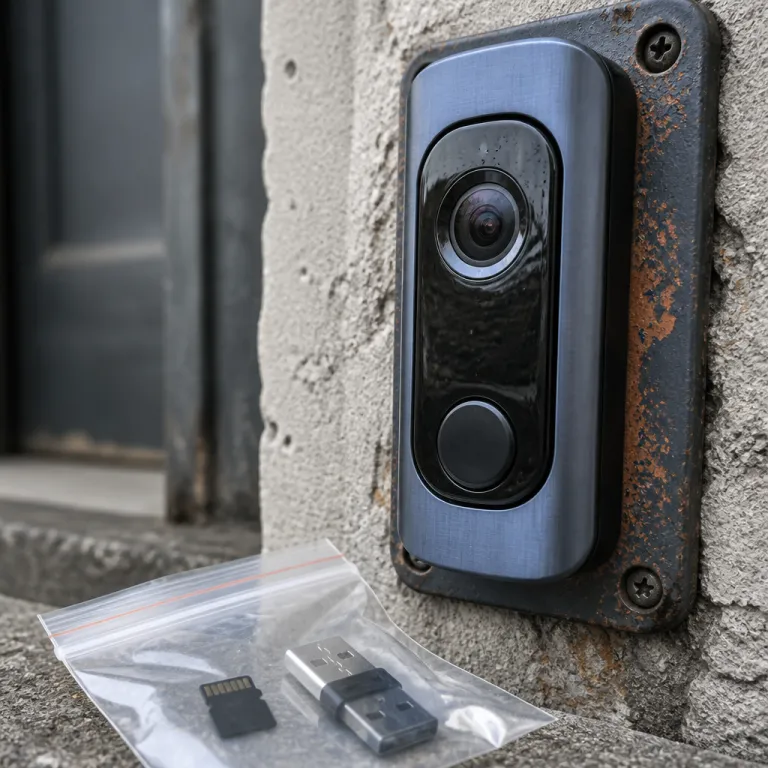
When your Ring doorbell captures a crime: first steps and safety
Your Ring doorbell camera turning on during a crime is unsettling. In that moment your first priority is personal safety, not the ring doorbell footage crime police request or any potential evidence. Step away from doors and windows, keep children inside, and call the police emergency line from a safe room.
Once everyone is safe you can think about the camera, the footage, and how this video might help public safety without putting you at risk. Treat your Ring doorbell as one part of a wider home security setup, alongside locks, lighting, and any other security cameras you own. People sometimes focus only on the doorbell camera, but the wider ring security ecosystem and nearby cameras may also hold useful camera footage for officers.
Do not confront suspects outside or try to access doorbell controls while a crime is unfolding. The law does not expect you to act like law enforcement, and your civil rights and physical safety matter more than any recording. Once police departments arrive, tell officers that your camera company system recorded video, and that you are willing to help with any reasonable request for evidence.
Saving Ring footage before it expires and preserving evidence
Ring stores motion events and live view footage in the cloud when you have a Ring Protect subscription. With that plan your video clips and other data are usually kept for up to about 180 days, so you must act quickly after any ring doorbell footage crime police request or incident. Without a subscription, the camera may show live video but will not keep camera footage for later police access or review.
Open the Ring app as soon as it is safe and locate the relevant event from your doorbell camera timeline. Download the original video file to a secure device, such as a laptop or external drive, and avoid editing, trimming, or adding filters that could complicate any later legal process. If you have multiple doorbell cameras or other security cameras from the same camera company, repeat this for each angle so enforcement agencies and officers can see the full sequence.
To preserve a clean chain of custody, write down the exact time, date, and Ring device name for each clip. Keep a simple log of who you send the footage to, including any police departments, insurance companies, or neighbors, and note each email address or sharing method used. For deeper context on how hacked devices can undermine safety and evidence, review guidance on hidden risks in connected home security cameras before you rely on any security camera for critical incidents.
How police can request Ring footage and what you can refuse
Many owners are unsure how the law shapes ring doorbell footage crime police request situations. In practice police access to your video is limited, and officers cannot simply take your camera or force you to share footage without going through a defined legal process. You remain the customer of the camera company, and your consent still matters even when law enforcement is investigating serious crime.
Police departments can knock on your door, call you, or send an email address based request asking for specific camera footage. These community requests are voluntary, meaning people can say yes, say no, or offer only part of the video, and officers must respect that choice unless they later obtain a court order. Ring as a company also receives formal data requests from enforcement agencies, and its transparency reports explain how often it provides video or account data under warrants or other legal orders.
After Ring changed its policy, police can no longer send direct warrantless requests through the neighbors app to pull footage from your doorbell cameras. Instead, they must either ask you directly through the Ring app or pursue a warrant or similar legal tool if they want to compel access to your ring security recordings. For a broader look at how Ring is positioning itself as a community safety platform, you can read about its evolving role in neighborhood and public safety monitoring.
Sharing, posting, and protecting privacy when video becomes evidence
Once your Ring camera captures a crime, you may feel tempted to post the footage everywhere. Before you upload video clips to social media or the neighbors app, pause and think about the legal and safety tradeoffs around any ring doorbell footage crime police request. Public sharing can help neighbors stay alert, but it can also complicate investigations or expose you to civil claims if you misidentify people.
When police request assistance, the safest path is usually to share the original file privately with law enforcement first. Use the Ring app or a secure file transfer method suggested by officers, and avoid posting the same camera footage publicly until investigators confirm that it will not harm their work or endanger witnesses. Be especially careful when minors, victims, or bystanders appear in the video, because publishing their faces can raise sensitive privacy and safety concerns.
Defamation law can also come into play if you label someone a criminal online before any charges or trial. Even if your security camera seems clear, the footage might not tell the whole story, and people have sued over misidentification in public posts. A more measured approach is to let police departments handle suspect identification while you focus on maintaining your security cameras, cooperating with any formal requests, and keeping your community informed without naming individuals.
Building a privacy smart Ring setup that still helps your community
Owning a Ring doorbell means balancing home security with responsible data handling. Every ring doorbell footage crime police request sits inside a larger pattern of how your cameras, your neighbors, and law enforcement interact over time. The goal is to support public safety while keeping control over your own information and daily routines.
Start by reviewing privacy settings in the Ring app for each doorbell camera and any linked security camera devices. Use motion zones and audio controls to limit what your cameras capture from neighbors’ homes, sidewalks, or shared spaces, because less unnecessary footage means fewer privacy headaches later. When community requests arrive through the app or by email address, decide case by case whether sharing that specific video truly advances safety without oversharing your family’s habits.
Ring publishes transparency reports that show how often the company responds to law enforcement data requests and what types of legal tools are used. Reading those reports helps you understand how your camera company behaves when enforcement agencies seek video or account data behind the scenes. For a layered approach that goes beyond the camera and keeps parcels, people, and property safer, consider strategies like the three layer package theft defense described in this guide to building a more resilient home security plan.
FAQ
Do I have to give Ring footage to the police if they ask?
When officers make an informal ring doorbell footage crime police request, you generally do not have to share unless they present a warrant or similar court order. Voluntary sharing can help public safety, but you are allowed to decline or limit what you provide. If you feel pressured, ask which specific law or legal process supports their request and consider speaking with a lawyer.
How long does Ring keep my videos, and what if I need them longer?
With a Ring Protect subscription, most accounts store footage for up to about 180 days, after which older clips are deleted from the cloud. If your camera records a crime, download the relevant video files immediately and save them to your own devices so you control the duration. Without a subscription, your doorbell camera may not keep recordings at all, so consider that when planning your security cameras strategy.
Can police get my Ring footage without telling me?
Police departments can apply to a court for a warrant or similar order that compels Ring to hand over specific camera footage or account data. In those cases the camera company may be legally barred from notifying you right away, depending on the order. Ring’s transparency reports summarize how often such law enforcement requests occur and what types of legal tools are used.
Is it safe to post crime videos from my Ring on social media?
Posting video from your security camera can alert neighbors, but it also carries risks. You might misidentify people, expose victims, or interfere with an active investigation, which can create legal and safety problems. A safer approach is to share footage privately with officers first, then ask whether wider sharing through the neighbors app or other platforms would still be helpful.
What should I tell my neighbors if my Ring recorded them during a crime?
If your doorbell cameras captured neighbors during an incident, transparency usually builds trust. Let them know that your security camera recorded part of the event, that police may review the footage, and that you are trying to protect everyone’s safety and privacy. Reassure them that you use your Ring security system to monitor your own property, not to track their daily movements.