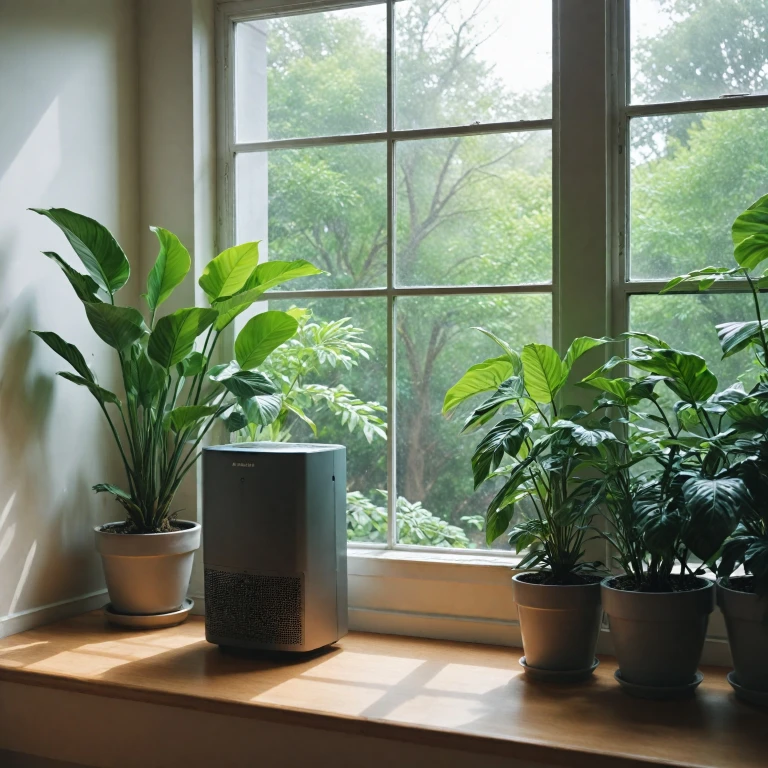
Understanding how air purifiers work
The Fundamentals: Purification Through Filtration
Understanding how an air purifier operates is crucial in determining its effectiveness in eliminating odors. At the core of any air purifier lies its intricate filtration system, which plays a pivotal role in maintaining indoor air quality. Air purifiers primarily work by drawing in air and passing it through a series of filters that capture particles, allergens, and various pollutants. Many purifiers incorporate High Efficiency Particulate Air (HEPA) filters, renowned for their ability to trap fine particles, including pet dander and smoke, ensuring that even minuscule pollutants are addressed. While these filters are highly effective with solid particles, odors and gaseous pollutants require additional technologies such as active carbon filters.Activated Carbon: The Key to Odor Remediation
The integration of activated carbon filters in air purification systems significantly enhances their ability to remove odors. These carbon filters rely on a process known as adsorption, where odor molecules adhere to the porous surface of the activated carbon, effectively eliminating smells from the environment. This method is particularly useful for targeting volatile organic compounds and common household odors, such as pet odors and kitchen smells. For those seeking clean air free from unpleasant odors, purifiers help by employing these advanced filtration options. As the next section will explore, knowing which types of odors air purifiers can tackle is just as important as understanding their operational mechanisms. For a deeper dive into the benefits of charcoal air filters, consider exploring this informative article.Types of odors air purifiers can tackle
Odors Air Purifiers Can Combat
Air purifiers are designed to tackle a variety of odors, making them a popular choice for those seeking to improve indoor air quality. Some of the key odors they can target include:
- Pet Odors: Pet dander and odors can be challenging, especially in homes with multiple animals. Certain purifiers help reduce these odors effectively.
- Smoke: Whether from tobacco or cooking, smoke is a persistent irritant. Air purifiers with specialized filters are adept at removing smoke particles and masking the smell.
- Cooking Smells: Strong food smells can linger long after the meal is over. A combination of HEPA and carbon filters can be particularly effective in neutralizing these odors.
- Volatile Organic Compounds (VOCs): These compounds include odors from cleaning products, paints, and new furniture. An activated carbon air purifier can help absorb VOCs, improving indoor air quality.
- General Household Odors: Everyday smells from garbage, toilets, or laundry can be minimized with the right air purifier.
For more information on how specific filters like the charcoal air filter play a critical role in combating these elusive smells, you can read about their benefits here.
Key features to look for in an air purifier for odor removal
Essential Features to Combat Odors
When it comes to selecting an air purifier specifically aimed at removing odors, there are certain features that stand out as particularly effective. Here’s what you should look for:
- HEPA Filters: High-Efficiency Particulate Air (HEPA) filters are known for their ability to capture tiny particles, including pet dander and other pollutants. While primarily designed for removing particulate matter, they do play a role in reducing certain smell components.
- Activated Carbon Filters: A crucial element for odor elimination, activated carbon filters are excellent at adsorbing volatile organic compounds (VOCs) and smoke. These filters are especially useful in removing pet odors and other persistent smells. For more information on the best applications of HEPA and carbon filters, check out this helpful resource.
- Room Coverage: Ensure the air purifier you choose is suitable for the size of your room. An air purifier that is too small for the space won’t effectively remove odors. Consider the square footage mentioned in the product specifications.
- Air Quality Sensors: Some advanced air purifiers come with sensors that detect odors and adjust the speed of purification accordingly. This feature ensures that your indoor air remains consistently fresh and clean.
- Additional Features: Look for purifiers with features like UV-C light, which can help in breaking down the pollutants further, although they are not directly responsible for odor removal.
Each of these components contributes to the overall ability of an air purifier to effectively tackle unwanted odors, helping you maintain higher air quality in your indoor environment.
Comparing air purifiers: Which ones perform best for odor removal?
Top Performers in Odor Elimination
When it comes to choosing the best air purifiers for odor removal, certain models stand out due to their advanced filtration capabilities and innovative designs to ensure fresh, clean air in your home.- HEPA and Activated Carbon Filters: Air purifiers that combine high-efficiency particulate air (HEPA) filters with activated carbon filters are typically more effective at removing odors. HEPA filters capture tiny particles, including those carrying odors, while activated carbon filters absorb gaseous pollutants and volatile organic compounds. This combination is particularly useful for tackling smoke, pet odors, and cooking smells.
- Air Purifiers with Strong Airflow: To efficiently remove odors, purifiers need to circulate and filter the air rapidly. Models with strong airflow rates, often measured in Clean Air Delivery Rate (CADR), can refresh a room's air frequently, which helps in continuously removing persistent smells.
- Specialized Filters for Specific Odors: Some air purifiers come with filters specifically designed to combat certain types of smells, such as those caused by pets or smoking. These filters often contain specialized additives to target the chemical compositions of these odors more effectively.
- Smart Technologies: Leading air purifier brands incorporate smart technology, allowing real-time air quality monitoring and automated adjustments. This feature ensures that the purifier operates at the optimal level whenever it detects a spike in odor-causing particles.
- User-Friendly Features: Models that offer ease of maintenance, easy-to-change filters, and low noise levels can enhance the user experience and encourage proper usage, leading to better odor removal.
Limitations of air purifiers in odor removal
Unmasking the Limitations
While air purifiers are effective in reducing common odors and improving air quality, there are some limitations to consider. Not every purifier can effectively eliminate all types of smells or particles. Here’s what you should know:
- Specific Odors: Some air purifiers are better suited for tackling specific scents, such as pet odors, smoke, or volatile organic compounds. Selecting a device with the right filters, like activated carbon filters, is crucial for targeting these smells.
- HEPA Filters: While HEPA filters are excellent for capturing particles such as dust and pet dander, they might not help significantly with odors, which require the absorption capabilities provided by carbon filters.
- Volume of Space: The size of the room influences the purifier’s capacity to remove odors. Smaller purifiers may struggle in larger rooms, reducing their effectiveness in ensuring clean air.
- Old Filters: Regular maintenance is key. Overused or clogged filters lose efficacy over time, impacting the purifier’s ability to manage air quality effectively.
- Chemical Complexity: Complex chemical odors may require more specialized purifiers specifically designed to remove these types of smells, beyond the capabilities of standard HEPA or activated carbon air purifiers.
Understanding these limitations will help in selecting the best air purifier for your specific needs and ensuring you use it to its full potential, enhancing indoor air quality to maintain a pleasant environment.
Tips for maximizing the effectiveness of your air purifier
Proven Tips to Enhance Odor Removal with Your Air Purifier
To make the most out of your air purifier and effectively eliminate unwanted odors, there are a few essential tips that can significantly boost its performance. Here’s what you need to know:- Choose the Right Location: Position your air purifier in the room where smells are most prevalent. Ensure it has enough space around it for air circulation. Avoid placing it in corners or behind furniture.
- Regular Maintenance: Keep the filters in top condition by checking them regularly. Replace HEPA filters and carbon filters as per manufacturer recommendations to ensure they efficiently trap particles and volatile organic compounds (VOCs).
- Layer of Protection: Consider an air purifier with both HEPA filters and activated carbon for comprehensive results. The HEPA filter will capture minute particles, while the carbon filter is excellent for trapping odors, smoke, and pet dander.
- Seal the Area: For best air quality, close windows and doors in the room where the purifier operates. Containing the indoor air will enable the purifier to clean more effectively without outside interference.
- Utilize All Features: Utilize additional features such as ionizers or UV-light settings if your air purifier includes them. These can help neutralize stubborn smells and improve clean air output.
- Address the Source of Odors: While your purifier is working to remove odors, it helps to tackle the source directly whenever possible. Regularly clean known odor hotspots like pet areas, trash cans, or kitchens.
- Adjust Settings for Time of Day: Run the air purifier on higher settings during daytime or when odors are most noticeable, and choose a quieter mode at night for uninterrupted rest, especially if in a bedroom setting.