Understanding How Air Purifiers Work
How Air Purifiers Function in Your Space
When it comes to battling unpleasant odors, understanding how air purifiers operate is essential. Air purifiers are designed to improve the quality of indoor air by removing airborne particles, including smoke, pet dander, and volatile organic compounds that contribute to indoor smells.
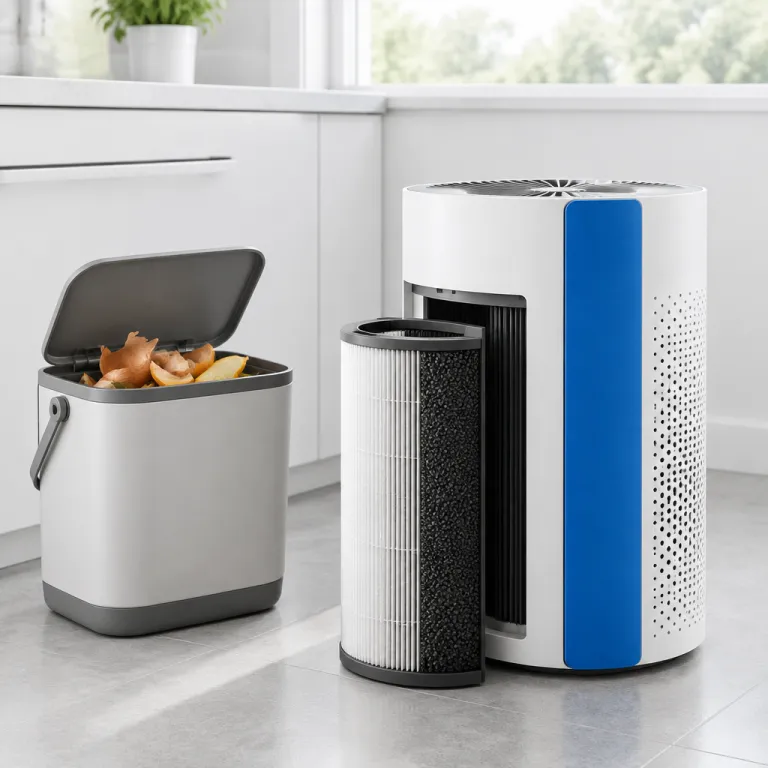
The core components of most purifiers include several kinds of filters, fans, and sometimes, specialized technologies. HEPA filters, for instance, are renowned for their ability to capture particles as small as 0.3 microns. These filters excel at removing not just smells, but a wide array of airborne pollutants, thereby significantly cleaning the air.
For odors, a special kind of filter comes into play: the activated carbon filter. These carbon filters are effective at tackling volatile organic compounds and certain gaseous pollutants which ordinary filters might miss. Essentially, charcoal-like substances in the carbon filter absorb the compounds responsible for stubborn smells.
The Coway Airmega and Blue Pure purifiers are popular models that incorporate both HEPA and activated carbon filters, providing a comprehensive solution to capturing odors and maintaining clean air. Depending on the fan speed and room size, purifiers help in different degrees, so it's wise to consider these factors when selecting a device. Want to dive deeper into the factors affecting air purifier efficiency and learn how effectively air purifiers can eliminate odors? Follow this insightful deep dive.
The Science Behind Odor Removal
The Mechanics of Odor Elimination
Understanding how air purifiers tackle unpleasant odors requires a dive into the science behind these devices. At the heart of most air purifiers designed for odor removal are two critical components: HEPA filters and activated carbon filters. HEPA Filters and Tiny Particles High-Efficiency Particulate Air (HEPA) filters are renowned for capturing microscopic particles as small as 0.3 microns. While HEPA filters excel at trapping particles like pet dander and dust, they aren't primarily responsible for odor removal. They do, however, contribute to improved indoor air quality by ensuring cleaner air as a whole. The Role of Activated Carbon Filters Activated carbon filters are specifically engineered to combat odors. Their porous nature allows them to capture volatile organic compounds (VOCs) and other odors present in the air. These filters work by adsorption, a process where odor molecules adhere to the surface of the activated carbon. For those interested in delving deeper into the benefits of charcoal filters in air purifiers, additional information is available. The Complementary Functions Utilizing both HEPA and carbon filters creates a balanced approach where particulate matter is captured by the HEPA component, and odors and gasses are absorbed by the carbon filter. This tandem filtration enhances the overall effectiveness of purifiers, making them suitable for tackling a range of odors from cigarette smoke to pet odors. To identify the best air purifiers for odor control, it's important to prioritize those units with substantial activated carbon filters. While the Coway Airmega Mighty and Blue Pure models are noteworthy, always consider factors such as room size and required fan speed for optimal results.Types of Odors Air Purifiers Can Address
Common Odors and Their Challenges for Purifiers
When considering air purifiers’ capability to eliminate unpleasant odors, it’s essential to understand the diverse range of sources from which these smells originate. Air purifiers tackle a variety of common odors, aiming to enhance indoor air quality.- Pet Odors: For pet owners, managing pet odors, particularly from cats and dogs, can be quite challenging. Air purifiers equipped with carbon filters can effectively reduce these odors, improving the overall air quality in your room.
- Cooking Smells: While cooking, especially foods with strong spices, can leave lingering smells that spread from the kitchen to other rooms. HEPA filters, combined with activated carbon air filters, are well-suited to tackling such volatile organic compounds.
- Smoke Smells: Smoke, whether from tobacco or other sources, releases tiny particles that can be hard to remove. Here, a high-quality air purifier with a true HEPA filter can help capture smoke particles effectively.
- Musty and Moldy Odors: Often found in damp and enclosed spaces, these odors result from mold or mildew, requiring an air purifier with a powerful fan speed and robust filtering system.
Efficiency and Preference
When selecting the best air purifier to eliminate odors, consider devices such as the Coway Airmega or the Blue Pure series, renowned for their efficiency in improving indoor air conditions. While different types and models offer varying results, the presence of both HEPA and carbon filters typically ensures a higher success rate in odor removal. For those seeking alternatives, exploring the benefits of filterless air cleaners might be worthwhile, depending on your specific needs and preferences.Factors Influencing Air Purifier Effectiveness
Factors That Can Affect the Performance
The effectiveness of an air purifier is highly dependent on a multitude of elements that can influence its ability to combat odors. It's essential to examine some of these factors to understand how they might impact the purity and freshness of indoor air.
- Type and Quality of Filters: A significant factor is the type and quality of filters used in the purifier. High-Efficiency Particulate Air (HEPA) filters are renowned for capturing fine particles, while activated carbon filters are essential for absorbing odors and volatile organic compounds. The best air purifiers often combine both to tackle particles and smells effectively.
- Room Size and Placement: The size of the room and where you place your air purifier can also impact its performance. Purifiers like the Airmega mighty are designed with specific room size recommendations. Ensuring that your purifier is appropriately matched to room dimensions is critical for optimal results.
- Fan Speed and Settings: The majority of air purifiers come with adjustable fan speeds. For instance, the Coway Airmega allows you to control this to meet different needs. Higher speeds might be preferable when dealing with more intense pet odors or smoke, whereas lower settings can suffice for regular daily use.
- Indoor Pollution Levels: The amount of pollutants and types of odors present indoors can naturally influence how well the purifier can perform. Having sources like pet dander or ongoing smoke issues will require more robust purification solutions compared to an environment with minimal contaminants.
- Maintenance and Filter Replacement: Regular replacement of filters, including both HEPA and carbon filters, is crucial. Overused or clogged filters may not only fail to efficiently remove smells but could also become breeding grounds for particles, hence reducing the air quality.
Addressing these factors with proper care and choice of air purifier can greatly enhance indoor air quality, providing a cleaner and more pleasant environment free of undesirable smells and particles.
Comparing Air Purifiers: What to Look For
Key Features to Consider When Choosing an Air Purifier
Selecting the right air purifier can significantly affect the indoor air quality in your home and how effectively unpleasant odors are eliminated. Here's a breakdown of the key features to consider:- Filter Types: Air purifiers often come equipped with HEPA filters, carbon filters, or a combination of both. HEPA filters are crucial for capturing small particles like pet dander and smoke, but for odor removal, activated carbon filters are essential. They are particularly effective in trapping volatile organic compounds and gaseous pollutants.
- Coverage Area: Ensure that the purifier's coverage area is compatible with the size of your room. A purifier too small for its intended space won't provide optimal results.
- Fan Speed and Noise Levels: The ability to adjust fan speed can help manage the air cleaning effectiveness. However, keep in mind that higher settings might produce more noise, which could be disruptive.
- Real-Time Air Quality Monitoring: Some models offer air quality sensors and displays that give real-time feedback. This feature can be beneficial in evaluating the purifier's performance in removing odors and particles from indoor air.
- Maintenance and Filter Replacement: Regular maintenance is critical for continued effectiveness. Check how often the filters need replacing and if they are easily accessible and reasonably priced.
Real-World Experiences and User Reviews
User Testimonials on Odor Reduction
When it comes to choosing an air purifier to tackle unwanted smells, real-world feedback can be invaluable. Many users report significant changes in air quality when using effective purifiers, highlighting both strengths and occasional limitations.
Key Experiences and Observations
- Improved Pet Odors: Users with pets often note a noticeable reduction in pet-related smells. This is frequently attributed to purifiers equipped with HEPA and carbon filters that target particles and odors associated with pet dander.
- Tackling Smoke: Smoke odors are a common concern, and many have found relief with air purifiers specifically designed to handle volatile organic compounds (VOCs) and particles common in smoke. The Coway Airmega has been praised for its efficacy in such scenarios.
- Cooking Smells Mitigated: Cooking odors, particularly from pungent foods, have been better managed with air purifiers featuring activated carbon filters. Users have reported an improvement in indoor air quality by reducing these lingering smells.
Considerations for Effective Use
Several factors influence how well air purifiers perform in real-world settings:
- Fan Speed: Adjusting the fan speed can impact the speed and efficiency of odor removal. Higher speeds generally enhance the purifier's capability to circulate and clean air quickly.
- Room Size: Ensuring that a purifier is appropriately sized for a room can determine how effectively it removes odors. Smaller purifiers may struggle in large spaces, leading to less effective odor control.
- Filter Maintenance: Regular maintenance of filters is crucial. Replacing HEPA and carbon filters as recommended ensures the purifier remains effective in capturing and neutralizing odors.
In conclusion, user feedback emphasizes the importance of selecting the right type of air purifier and using it correctly to achieve the best results in odor elimination. While individual experiences may vary, understanding the science behind odor removal and keeping realistic expectations can lead to satisfying outcomes.