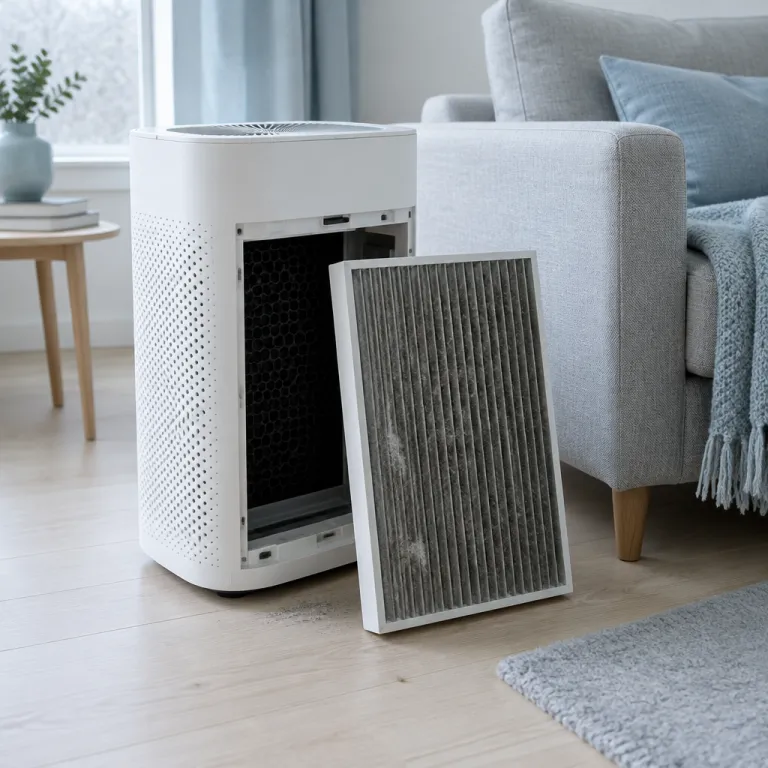
Understanding how dust accumulates indoors
Why Dust Builds Up Indoors
Dust is a common concern for people seeking cleaner indoor air. It’s not just about visible dirt—dust is a mix of tiny particles, including dead skin cells, pollen, dust mites, fibers, and even microscopic debris from outdoors. These particles settle on surfaces and float in the air, affecting air quality and sometimes triggering allergy or asthma symptoms. According to the Environmental Protection Agency, indoor air can be more polluted than outdoor air, especially in homes with poor ventilation or lots of soft furnishings that trap dust.
Main Sources of Indoor Dust
- Outdoor air: Dust enters homes through open windows, doors, and on shoes or pets.
- Indoor activities: Everyday actions like cooking, cleaning, and moving around stir up dust particles.
- Textiles and furniture: Carpets, curtains, and upholstered furniture shed fibers and collect dust mites.
- Human and pet skin: Dead skin cells from people and pets are a major dust component.
Why Dust Matters for Health
Dust isn’t just unsightly. For people with allergies or asthma, dust particles and dust mites can trigger symptoms and reduce indoor air quality. Even for those without allergies, breathing in dust over time isn’t ideal. The Environmental Protection Agency highlights the importance of reducing indoor dust to help with overall air quality and well-being.
How Dust Moves and Settles
Dust particles are lightweight and can stay suspended in the air for hours. Activities like vacuuming or even walking can send dust back into the air, making it harder to remove dust completely. This is why regular cleaning and using the right tools, like air purifiers with HEPA filters, can help with dust control.
For more details on achieving a dust-free environment and how active air purifiers can help, you can read this guide on achieving a dust-free environment with active air purifiers.
How air purifiers work against dust
Capturing Dust Particles: The Role of Filters
Air purifiers help with dust by pulling indoor air through a series of filters designed to trap dust particles. Most modern purifiers use HEPA filters, which are highly effective at capturing tiny particles, including dust, dust mites, and even some allergens. According to the Environmental Protection Agency, HEPA filters can remove at least 99.97% of airborne particles as small as 0.3 microns. This means they can significantly reduce the amount of dust circulating in your home, leading to cleaner air and potentially fewer allergy or asthma symptoms for sensitive people.
How Air Circulation Improves Indoor Air Quality
When an air purifier runs, it continuously cycles air through its filters. This process helps rid dust from the air, especially in rooms where dust tends to settle. The more times the air passes through the purifier, the more dust particles are removed. This can be particularly helpful in homes with pets, carpets, or high foot traffic, where dust accumulation is common. However, it’s important to note that purifiers work best when used alongside regular cleaning routines, as dust can still settle on surfaces.
Types of Filters and Their Impact on Dust Removal
- HEPA Filters: These are the gold standard for dust removal, capturing fine dust, pollen, and even some bacteria.
- Pre-Filters: These catch larger particles like pet hair and visible dust, helping extend the life of the main filter.
- Activated Carbon Filters: While mainly used for odors and gases, they can also trap some dust particles.
Some purifiers use additional technologies, like ionizers or ozone generators, but the Environmental Protection Agency advises caution with ozone, as it can negatively affect indoor air quality and health.
What the Data Says About Air Purifiers and Dust
Studies and data from health agencies indicate that air purifiers with HEPA filters can help reduce airborne dust levels, leading to cleaner indoor air. However, they do not remove dust that has already settled on surfaces. For more details and a deeper dive into how air purifiers reduce dust in your home, check out this in-depth look at air purifiers and dust reduction.
Who Benefits Most from Air Purifiers?
People with allergies, asthma, or sensitivities to dust particles may notice the biggest improvements in air quality. Air purifiers can help create a cleaner environment, but they work best as part of a broader cleaning and dust control strategy. For more on how dust accumulates and practical cleaning tips, see the earlier section of this article.
Key features to look for in an air purifier for dust
What Makes an Air Purifier Effective for Dust?
When looking for an air purifier to help with dust, it's important to focus on features that directly impact its ability to remove dust particles from indoor air. Not all purifiers are created equal, and some are better suited for dust control than others. Here are the key aspects to consider:
- HEPA Filters: High-Efficiency Particulate Air (HEPA) filters are widely recognized for their ability to capture at least 99.97% of particles as small as 0.3 microns, including dust, dust mites, and pollen. The Environmental Protection Agency (EPA) and other health organizations recommend HEPA filters for improving indoor air quality, especially for people with allergies or asthma.
- Pre-Filters: Many purifiers include a pre-filter to trap larger particles like hair and visible dust before they reach the main filter. This helps extend the life of the HEPA filter and improves overall cleaning efficiency.
- CADR Ratings: The Clean Air Delivery Rate (CADR) measures how quickly a purifier can remove dust, smoke, and pollen from the air. A higher CADR for dust means the device is more effective at cleaning dust air in a given room size. Always check the CADR rating when comparing models.
- Filter Replacement Indicators: Regular filter changes are essential for maintaining performance. Look for purifiers with indicators that alert you when it's time to replace the filter, ensuring the unit continues to remove dust efficiently.
- Ozone-Free Operation: Some air purifiers generate ozone, which can be harmful to people, especially those with asthma or other respiratory issues. The EPA advises choosing purifiers that do not produce ozone for safe indoor air quality improvement.
Other Features That Can Help With Dust Removal
- Room Size Compatibility: Make sure the purifier matches the size of your room. Using a device that's too small for the space will not effectively rid dust from the air.
- Fan Speeds and Modes: Adjustable fan speeds allow you to increase air cleaning during high dust periods, such as after cleaning or when windows are open.
- Noise Levels: If you plan to run the purifier in a bedroom or living area, consider the noise output at different speeds to ensure comfort.
Proper placement of your air purifier is also crucial for maximizing its dust removal capabilities. For practical advice on best placement for your air purifier, check out expert recommendations to ensure you get the most clean air possible.
By focusing on these features and following best practices, air purifiers help with dust control and contribute to a cleaner, healthier indoor environment for people sensitive to dust and allergies.
Limitations of air purifiers in controlling dust
Why Air Purifiers Alone Can’t Eliminate All Dust
While air purifiers with HEPA filters are effective at capturing many dust particles, they have their limits. Even the best purifiers can’t remove all sources of dust in your home. Dust settles quickly on surfaces, and not all of it stays airborne long enough to be captured by the purifier’s filter. This means that while purifiers help with reducing airborne dust, they can’t rid dust that has already settled on furniture, floors, or electronics.
Limitations Related to Filter Type and Size
Not all air purifiers are created equal. Models without true HEPA filters may miss smaller dust particles, dust mites, or allergens. The size of the purifier also matters. If the device is too small for your room, it won’t clean the air efficiently. Some purifiers use filters that need regular replacement to maintain air quality, and neglecting this can reduce their effectiveness. It’s important to check the manufacturer’s data on room size and filter type before buying.
Other Factors Affecting Dust Removal
- Air Circulation: Purifiers need good airflow to capture dust. If furniture or walls block the device, it can’t filter the air properly.
- Continuous Dust Sources: Activities like cleaning, opening windows, or having pets introduce new dust particles constantly. Purifiers help with airborne dust, but can’t prevent new dust from entering your indoor air.
- Ozone-Producing Purifiers: Some purifiers, especially those using ionizers, may release ozone. The Environmental Protection Agency warns that ozone can be harmful, especially for people with asthma or allergy concerns. Always check if the purifier is ozone-free for safe indoor air quality.
What Air Purifiers Can and Cannot Do
Air purifiers are a valuable tool for improving indoor air quality, especially for people with asthma or allergies. They help remove dust particles from the air, but they are not a complete solution. Regular cleaning with a vacuum and damp cloth, along with using a quality purifier with HEPA filters, offers the best protection against dust. Remember, no purifier can completely remove dust or replace good cleaning habits.
Complementary strategies to reduce dust at home
Simple Habits That Make a Big Difference
While air purifiers with HEPA filters can help remove dust particles from indoor air, they work best when combined with regular cleaning habits. Dust tends to settle on surfaces, so it’s important to address both airborne and settled dust for better indoor air quality. Here are some practical steps:
- Vacuum regularly using a vacuum cleaner equipped with a HEPA filter. This helps trap fine dust, dust mites, and allergens that can trigger asthma or allergy symptoms.
- Wet dusting surfaces instead of dry dusting prevents dust from becoming airborne again. Microfiber cloths are especially effective for trapping particles.
- Wash bedding and curtains frequently. Fabrics can collect dust and dust mites, so regular washing in hot water helps reduce buildup.
- Declutter your space to minimize surfaces where dust can settle. Fewer objects mean less dust accumulation and easier cleaning.
- Seal windows and doors to limit outdoor dust from entering your home, especially in areas with high dust or pollen counts.
Managing Humidity and Ventilation
Maintaining optimal humidity levels (ideally between 30% and 50%) can help with dust control. High humidity encourages dust mites, while very dry air can make dust more airborne. Using a dehumidifier or humidifier as needed can support your air purifier’s efforts. Proper ventilation, such as using exhaust fans in kitchens and bathrooms, also helps remove dust and improve air quality.
Choosing Cleaning Products Wisely
Some cleaning products release volatile organic compounds (VOCs) that can affect indoor air quality. Opt for fragrance-free or low-emission products to avoid adding more particles to your air. The Environmental Protection Agency recommends checking product labels and using products as directed to minimize indoor pollution.
Pet Care and Flooring Choices
For people with pets, regular grooming and cleaning of pet bedding can help reduce pet dander and dust. If possible, consider hard flooring instead of carpets, as carpets can trap dust and are harder to clean thoroughly. Area rugs that can be washed are a good alternative.
Combining Strategies for Best Results
Air purifiers help with airborne dust, but a holistic approach—combining cleaning, humidity control, and smart product choices—offers the best protection for people with allergies or asthma. Data from the Environmental Protection Agency supports using multiple strategies to achieve cleaner indoor air and reduce exposure to dust particles.
Frequently asked questions about air purifiers and dust
Can air purifiers completely remove dust from indoor air?
Air purifiers, especially those equipped with HEPA filters, are effective at capturing dust particles suspended in the air. However, they cannot remove all dust from your home. Dust settles on surfaces and in areas where air circulation is limited. While purifiers help with reducing airborne dust, regular cleaning is still necessary to rid dust from furniture, floors, and other surfaces.
Do HEPA filters help with dust mites and allergies?
HEPA filters are designed to capture tiny particles, including dust mites and their waste, which are common triggers for allergy and asthma symptoms. By trapping these particles, air purifiers with HEPA filters can help improve indoor air quality and may reduce allergy symptoms for sensitive people. However, they work best as part of a broader cleaning routine.
Are all air purifiers equally effective against dust?
No, not all purifiers are created equal. Models with true HEPA filters are most effective at capturing fine dust particles. Some purifiers use filters that do not meet HEPA standards, so always check the filter specifications. The Environmental Protection Agency (EPA) recommends HEPA filters for the best results in improving air quality and removing dust particles.
Is there a risk of ozone with air purifiers?
Some air purifiers, especially those using ionizers or ozone generators, can produce ozone as a byproduct. Ozone can irritate the lungs and worsen asthma or allergy symptoms. The EPA advises choosing purifiers that do not emit ozone, focusing instead on mechanical filtration like HEPA filters for clean air without added risks.
How often should filters be replaced to maintain air quality?
Filter replacement depends on the purifier model, usage, and indoor air quality. Most HEPA filters need to be replaced every 6 to 12 months. Clogged filters reduce the purifier’s effectiveness at removing dust and other particles. Always follow the manufacturer’s guidelines for filter maintenance to ensure optimal performance.
Can air purifiers help people with asthma or allergies?
Yes, air purifiers with HEPA filters can help people with asthma or allergies by reducing airborne dust, pollen, and other allergens. However, they are not a cure and should be used alongside other strategies, such as regular cleaning and minimizing sources of indoor air pollution, for the best results.
What other steps can I take to keep my home clean with less dust?
While air purifiers help with airborne dust, combining them with frequent cleaning, using vacuum cleaners with HEPA filters, and controlling humidity can further reduce dust accumulation. Washing bedding regularly and minimizing clutter also help keep dust mites and particles at bay.