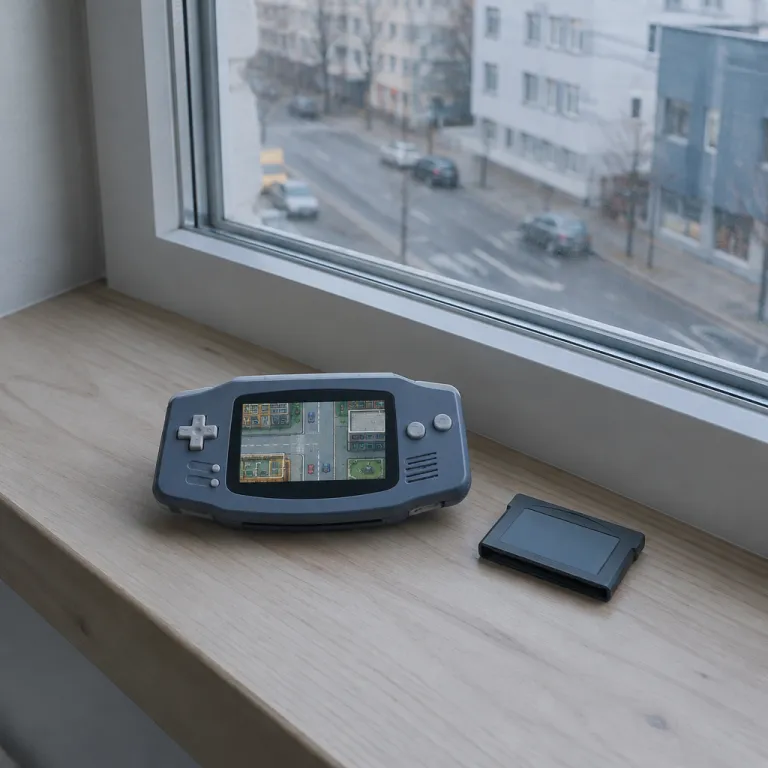
Understanding the Game Boy Advance hardware
What Made the Game Boy Advance Unique?
The Game Boy Advance, often called the GBA, was a major step forward for Nintendo’s handheld consoles when it launched in 2001. Compared to earlier Game Boy models, the GBA featured a 32-bit ARM processor, a wider color screen, and improved sound capabilities. This allowed for more complex video games, richer graphics, and better audio, making it a favorite among fans of portable gaming at the time.
Despite these improvements, the GBA still had its limitations. Its hardware was not as powerful as home consoles like the PlayStation 2 or Xbox, which were dominating the video game market. The GBA’s screen resolution was 240x160 pixels, and it lacked advanced 3D graphics support. These factors influenced the types of games that could be developed for the system, especially when it came to open-world titles like those in the Grand Theft Auto series.
- 32-bit ARM processor for faster gameplay
- Colorful, backlit screen (in later models)
- Limited 3D graphics capabilities
- Compact design for gaming on the go
At the time, the GBA was competing with other handhelds, but it stood out for its strong library of games and sales success. Its design made it perfect for classic platformers, racing games, and RPGs, but it posed challenges for more ambitious titles like open-world theft auto games. For a deeper look at how portable consoles evolved, check out this exploration of the Sega Game Gear's legacy.
Understanding the GBA’s hardware helps explain why certain games, including those set in sprawling cities like Liberty City or Vice City, were difficult to bring to the system. This context is important when looking at the history of grand theft auto games on handhelds and the technical challenges developers faced.
Grand Theft Auto’s history with handheld consoles
Handheld Gaming and the Rise of Grand Theft Auto
The journey of Grand Theft Auto (GTA) from its early days to becoming a household name in video games is closely tied to the evolution of gaming hardware. While the series first made waves on home consoles and PCs, the idea of bringing the open-world chaos of GTA to handheld devices like the Game Boy Advance (GBA) was a significant challenge. At the time, the GBA was one of Nintendo's most popular portable systems, known for its compact design and impressive sales figures. However, the hardware limitations of the GBA meant that not every game, especially complex titles like GTA, could be easily adapted.
Handheld consoles before the GBA, such as the original Game Boy, focused on simpler experiences. As technology advanced, players began to expect more immersive games on the go. The demand for action-packed titles, including those with city exploration and crime themes, grew. This shift in expectations set the stage for developers to experiment with bringing popular franchises, like Grand Theft Auto, to portable formats.
- The original GTA games were known for their open-world city environments, radio stations, and a mix of driving and action gameplay.
- Handheld versions needed to adapt these features to fit the technical constraints of devices like the GBA.
- Publishers and developers, including Rockstar and Atari, explored ways to deliver the core experience of auto theft and city exploration in a portable format.
As the popularity of the GTA series grew, so did the interest in seeing a version on the Game Boy Advance. The challenge was not just about fitting a large city like Liberty City or Vice City onto a small screen, but also about capturing the essence of the auto game experience. This period saw a rise in GTA-inspired games and collections on handhelds, as developers sought to bring the thrill of grand theft and open-world gameplay to a new audience.
For those interested in how other franchises adapted to handheld consoles, exploring Fire Emblem Conquest's 3DS gameplay and console experience offers valuable insights into the challenges and successes of translating complex games to portable systems.
Was GTA ever released for Game Boy Advance?
GTA’s Official Arrival on Game Boy Advance
When it comes to the question of whether Grand Theft Auto ever made its way to the Game Boy Advance, the answer is yes. In 2004, Rockstar Games released "Grand Theft Auto Advance" (often called GTA Advance) specifically for the Nintendo handheld. This was a significant moment for fans who wanted to experience the open-world chaos of Liberty City on a portable device. GTA Advance was developed by Digital Eclipse and published by Rockstar Games, with distribution handled by Atari. The game aimed to bring the essence of the Grand Theft Auto series to the Game Boy Advance, despite the hardware’s limitations. Set in Liberty City, the same city featured in Grand Theft Auto III, this title offered a top-down perspective reminiscent of the original GTA games, rather than the 3D graphics seen on home consoles.- Story and Gameplay: The game follows a new protagonist navigating the criminal underworld of Liberty City. While it doesn’t feature the same characters as GTA III, it shares the city’s layout and many familiar elements, such as car theft, missions, and radio stations (though the latter are text-based due to hardware constraints).
- Technical Adaptation: GTA Advance was tailored to fit the Game Boy Advance’s capabilities. The developers had to reimagine the open-world experience, focusing on 2D graphics and simplified mechanics. Despite these changes, the game managed to capture the spirit of the series, offering a variety of missions and vehicles.
- Sales and Reception: While GTA Advance didn’t achieve the blockbuster sales of its console counterparts, it was praised for bringing a complex, mature video game experience to a handheld platform. Its release expanded the reach of the Grand Theft Auto franchise and demonstrated the potential for ambitious games on the GBA.
Alternatives to GTA for Game Boy Advance
Notable Open-World and Crime-Themed Games on Game Boy Advance
While the Game Boy Advance never received an official Grand Theft Auto (GTA) release at the time, fans of open-world action and crime-themed video games still had some interesting options. The GBA library included several titles that captured elements of the grand theft auto experience, even if they didn’t offer the full liberty city or vice city sandbox gameplay found in the main GTA series.
- Payback: This advance game was often compared to the original auto grand titles. It featured a top-down perspective, urban environments, and missions involving theft and car chases, echoing the early auto gta formula. While not developed by Rockstar or published by Atari, Payback became known as a spiritual successor to the classic auto iii style.
- Driver 2 Advance: Bringing the popular driving and crime series to the boy advance, this game offered a mix of driving and on-foot missions. Although the open-world elements were limited by the gba hardware, it still delivered a taste of city-based action and pursuit gameplay.
- Max Payne: While not an auto game, this title brought a mature narrative and action-packed shooting mechanics to the advance gameboy. It stood out for its gritty story and was developed by the same company behind some grand theft auto games.
Why GTA-Style Games Were Rare on GBA
The technical limitations of the Game Boy Advance made it challenging to deliver the full grand theft auto experience. The gba’s hardware struggled with large, open city environments and complex radio stations or voice acting. As a result, most crime-themed games on the platform focused on smaller, mission-based gameplay rather than the expansive freedom of auto iii or liberty city stories.
Other Genres That Captured the Spirit
Beyond direct crime-themed games, the GBA offered a collection of action, racing, and adventure titles that appealed to fans of the grand theft genre. Many advance game releases experimented with open-ended missions, urban settings, and fast-paced action, keeping the spirit of auto grand alive for handheld players.
While the Game Boy Advance may not have hosted a true GTA game, its library still provided engaging alternatives for those seeking a taste of the grand theft auto experience on a portable Nintendo console. For players interested in the broader impact of GTA-inspired games on handhelds, exploring the legacy of these titles reveals how developers adapted big console ideas for the compact world of the GBA.
Technical challenges of porting GTA to Game Boy Advance
Why Bringing GTA to Game Boy Advance Was So Difficult
Translating a complex video game like Grand Theft Auto to the Game Boy Advance posed significant technical challenges. The GBA, released by Nintendo, was a powerful handheld for its time, but it had clear limitations compared to home consoles and PCs where the GTA series originally thrived.
- Hardware Constraints: The Game Boy Advance featured a 32-bit processor, but its memory and graphics capabilities were modest. Rendering a detailed city like Liberty City or Vice City, with open-world environments, was a major hurdle. The GBA could not handle the 3D graphics or expansive maps seen in games like GTA III.
- Storage Limitations: GBA cartridges had limited storage, making it tough to include the large amount of audio, such as radio stations, and diverse missions that define a typical auto game in the GTA collection.
- Control Scheme: The GBA’s button layout was simpler than home consoles. Mapping the complex controls needed for a grand theft auto game—driving, shooting, and interacting with the city—required creative compromises.
- Performance Issues: The handheld’s processor struggled with fast-paced action and large numbers of on-screen characters or vehicles, which are core to the GTA experience.
Developers had to rethink how to deliver the essence of a grand theft auto experience on the GBA. This meant simplifying the city design, reducing the number of missions, and changing the perspective from 3D to a top-down view, similar to earlier entries in the series. Even with these adjustments, the GBA version could not fully replicate the scale and freedom of its console counterparts.
Despite these challenges, the attempt to bring a GTA game to the Game Boy Advance demonstrated both the ambition of developers and the popularity of the franchise. It also paved the way for other advance gameboy titles inspired by the open-world formula, influencing the portable video games market for years to come.
The legacy of GTA-inspired games on portable consoles
How GTA-Inspired Games Shaped Portable Gaming
The influence of the Grand Theft Auto series on portable consoles, especially during the time of the Game Boy Advance, is hard to ignore. Even though the original GTA games were designed for more powerful hardware, the concept of open-world crime, city exploration, and mission-based gameplay found its way into many advance gameboy titles. Developers took inspiration from the freedom and structure of auto grand titles, adapting these ideas to fit the technical limits of the GBA.
- Open-World Elements: While the Game Boy Advance could not fully replicate the sprawling liberty city or vice city environments of auto iii, some advance games introduced hub-based maps and non-linear missions, echoing the spirit of grand theft auto.
- Mission Variety: Many gba games began to offer a mix of driving, action, and exploration, similar to the mission structure in auto gta titles. This approach kept gameplay fresh and engaging, even with hardware constraints.
- Radio Stations and Atmosphere: Although the GBA lacked the audio capabilities for full radio stations, some games included creative soundtracks and ambient effects, aiming to capture the immersive feel of a gta game.
Sales figures for these gta-inspired games on the Game Boy Advance were often strong, showing that players were eager for portable versions of their favorite video game experiences. The success of these titles encouraged publishers like Atari and developers such as Digital Eclipse to experiment further with the genre, leading to a collection of memorable advance games that pushed the boundaries of what was possible on Nintendo's handheld.
Today, the legacy of grand theft auto on portable consoles is seen in the continued demand for open-world experiences on handheld devices. The GBA era proved that even with limited hardware, the core excitement of a theft auto game could be adapted and enjoyed by a new generation of players.