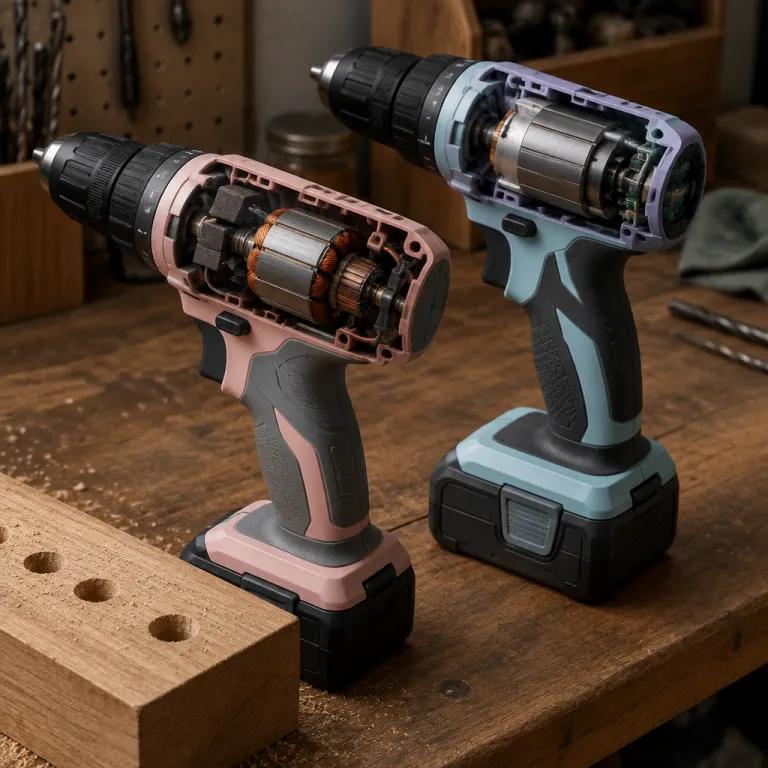
Understanding the basics of brushless and brushed drills
How Brushed and Brushless Drills Work
When you’re looking at cordless drill sets, you’ll often see the terms brushed and brushless. These refer to the type of motor inside the drill, which is the heart of any power tool. Understanding the difference can help you make an informed decision for your projects.
- Brushed drills use carbon brushes and a commutator to deliver power to the rotor. The brushes make physical contact with the commutator, creating a magnetic field that spins the motor and drives the drill bit.
- Brushless drills eliminate the need for brushes and commutators. Instead, they use electronic circuitry to control the magnetic field, resulting in a more efficient transfer of power to the rotor.
This core difference in technology affects everything from performance and heat generation to maintenance and durability. For a deeper dive into how a cordless drill’s motor operates, check out this guide on the role of a cordless drill motor’s starting ratchet.
Key Differences at a Glance
| Feature | Brushed Drill | Brushless Drill |
|---|---|---|
| Motor Design | Uses brushes and commutator | No brushes, uses electronics |
| Heat Generation | More heat due to friction | Less heat, more efficient |
| Maintenance | Brushes wear out over time | Minimal maintenance needed |
| Performance | Good for basic tasks | High performance, better for heavy duty use |
Whether you’re tackling heavy duty jobs or just need a reliable product for occasional use, knowing how drills brushed and drills brushless operate is the first step. The next sections will explore how these differences impact power, efficiency, and overall value for your tools collection.
Performance comparison: power, speed, and efficiency
How Motor Technology Impacts Power and Speed
When comparing brushless and brushed drills, the core difference lies in the motor technology. Brushed drills use carbon brushes and a commutator to transfer electricity to the rotor, creating a magnetic field that spins the motor. In contrast, brushless drills rely on electronic circuitry to achieve the same effect, eliminating the need for brushes and commutator. This difference directly affects the power, speed, and overall performance of each tool.
- Power Output: Brushless drills generally deliver higher power and torque compared to their brushed counterparts. The absence of friction from brushes allows brushless motors to convert more electrical energy into rotational force, making them ideal for heavy duty projects and high performance tasks.
- Speed Consistency: Brushless models maintain speed more effectively under load. When drilling into dense materials, a brushless drill will often keep up its speed, while a brushed drill may slow down due to increased resistance and heat.
- Efficiency: Brushless technology is more efficient because it reduces energy loss from friction and heat. This means brushless drills can run longer on a single battery charge, which is a significant advantage for cordless drill users tackling large projects.
For a deeper dive into how the starting ratchet and motor design influence your cordless drill's performance, check out this detailed explanation on the role of a cordless drill motor's starting ratchet.
Heat Management and Longevity in Use
Heat is a critical factor in drill performance. Brushed drills generate more heat due to friction between the brushes and commutator, which can lead to power loss and wear over time. Brushless drills, with fewer moving parts and no brushes, stay cooler during extended use. This not only improves performance but also extends the life of the tool, making brushless models a better investment for frequent or high intensity use.
| Feature | Brushed Drills | Brushless Drills |
|---|---|---|
| Power | Good for light to medium tasks | High, suitable for heavy duty projects |
| Speed | Can drop under load | Consistent, even under stress |
| Heat Generation | Higher, due to brushes commutator | Lower, stays cooler longer |
| Efficiency | Lower, more energy lost to heat | Higher, better battery use |
Understanding these differences will help you make an informed decision about which drill technology best matches your needs, whether you prioritize high performance, efficiency, or durability for your next project.
Maintenance and durability considerations
How design impacts maintenance needs
When comparing brushless and brushed drills, the way each motor is built plays a major role in how much maintenance the tool will need over its lifetime. Brushed drills use carbon brushes and a commutator to transfer power to the rotor. Over time, these brushes wear down and need to be replaced. This is a normal part of using a brushed drill, but it does mean you’ll have to open up the tool and swap out parts every so often, especially if you use your drill for heavy duty projects or high performance tasks.
Brushless drills, on the other hand, use advanced technology that eliminates the need for brushes and a commutator. Instead, they rely on electronic controls and a magnetic field to power the rotor. This design reduces friction and heat, which means less wear and tear on the internal components. As a result, brushless models typically require less maintenance and can last longer than their brushed counterparts.
Durability and heat management
Heat is a common enemy of any power tool. In brushed drills, the friction between the brushes and commutator generates heat, which can lead to faster wear and even damage if the tool is pushed too hard. This is especially important to consider if you’re planning on using your cordless drill for extended periods or for demanding projects.
Brushless drills handle heat much better. The lack of brushes and the efficiency of the brushless motor mean less heat is produced during operation. This not only helps the tool last longer but also maintains high performance throughout its life. For users who want a product that will stand up to frequent use and deliver consistent power, brushless drills offer a clear advantage.
What this means for your projects
If you’re looking for a power tool that will serve you well over time, the maintenance and durability differences between brushless and brushed drills are worth considering. Brushless models are generally better suited for users who want to minimize downtime and get the most out of their investment. Brushed drills can still be a good choice for lighter, occasional use, but keep in mind the need to replace brushes and monitor for heat buildup.
For more details on how these differences affect your choice of cordless drill set, check out this guide to drills and drivers for your cordless drill set.
Cost analysis: initial investment and long-term value
Comparing Upfront Costs and Long-Term Value
When looking at cordless drill sets, the price tag is often the first thing that stands out. Brushed drills are usually more affordable at the start, making them attractive for those on a tight budget or for occasional projects. The technology behind brushed motors is simpler, relying on carbon brushes and a commutator to transfer power to the rotor. This simplicity keeps manufacturing costs lower, which is reflected in the retail price. Brushless drills, on the other hand, use more advanced technology. Instead of brushes and a commutator, they rely on electronic circuitry to manage the magnetic field and power delivery. This results in a higher initial investment. However, the benefits of brushless models go beyond just the upfront cost.- Maintenance savings: Brushless drills do not have brushes that wear out, so you avoid the cost and hassle of replacing carbon brushes over time.
- Longer lifespan: With fewer moving parts and less heat generated during operation, brushless motors tend to last longer, especially in heavy duty or high performance projects.
- Efficiency: Brushless technology often means better battery life and less energy wasted as heat, which can reduce the frequency and cost of battery replacements.
Battery life and cordless convenience
How Battery Technology Impacts Your Cordless Experience
When it comes to cordless drill sets, battery life is a key factor that can make or break your experience on the job. The type of motor inside your drill—whether brushless or brushed—directly affects how long you can work before needing a recharge. Brushless drills use advanced technology to reduce friction and heat, which means they draw less power from the battery compared to traditional brushed drills. This efficiency translates to longer run times and more consistent power output, especially during heavy duty projects.
Brushless vs Brushed: Real-World Battery Performance
- Brushless drills are known for their high performance and energy efficiency. The absence of carbon brushes and a commutator means less energy is lost to heat, so the battery lasts longer per charge. This is especially noticeable when using the tool for demanding tasks or over extended periods.
- Brushed drills rely on brushes and a commutator to transfer power to the rotor. This older technology creates more friction and heat, which drains the battery faster. For users who need a power tool for quick, light jobs, this might not be a dealbreaker, but for those tackling bigger projects, it can be limiting.
Convenience and Flexibility for Your Projects
With cordless drills, the freedom to move around without being tethered to an outlet is a major advantage. Brushless models enhance this convenience by allowing you to work longer between charges. This means fewer interruptions, especially when working on high intensity or heavy duty projects. For professionals and DIYers alike, this can lead to better productivity and less downtime.
Making an Informed Decision
Choosing between a brushless drill and a brushed drill is not just about upfront cost or raw power. Consider how often you’ll use your tool, the types of projects you tackle, and how important cordless convenience is for your workflow. Brushless drills offer longer battery life and better performance, making them a smart investment for those who value efficiency and reliability in their power tools. On the other hand, brushed drills can still be a practical choice for occasional use or lighter tasks.
Choosing the right drill for your projects
Matching Drill Technology to Your Project Needs
Selecting the right cordless drill set for your projects means weighing the advantages of brushless and brushed drills against your specific requirements. Each technology offers unique benefits, and understanding these can help you make an informed decision.- Light DIY and Occasional Use: If your projects involve basic tasks like assembling furniture, hanging shelves, or light drilling in wood, a brushed drill can be a practical choice. These tools are generally more affordable and still deliver reliable power for less demanding jobs. The traditional motor with carbon brushes and a commutator is straightforward, making maintenance easier for beginners.
- Frequent or Heavy-Duty Projects: For users tackling high performance tasks—such as drilling into masonry, metal, or working on construction sites—a brushless drill is often better. Brushless motors use advanced technology, eliminating brushes and commutators, which reduces heat and wear. This means brushless drills offer higher efficiency, longer tool life, and consistent power output, especially under heavy loads.
- Precision and Efficiency: If you value longer battery life and want a tool that adapts power output to the task, brushless models are designed for you. The absence of brushes and the use of a magnetic field in the rotor allow these drills to run cooler and quieter, making them ideal for extended use and high precision work.
Other Factors to Consider
- Budget: While brushless drills often come with a higher initial price, their durability and lower maintenance costs can offer better long-term value for frequent users. Brushed drills remain a cost-effective option for occasional use.
- Tool Longevity: If you want a power tool that lasts, brushless motors typically outlast brushed motors due to less friction and heat generation. This can be especially important for professionals or anyone using their drill regularly.
- Project Variety: Consider the range of tasks you plan to tackle. If your projects vary from light to heavy duty, investing in a brushless drill set may provide the versatility and high performance needed for different materials and applications.