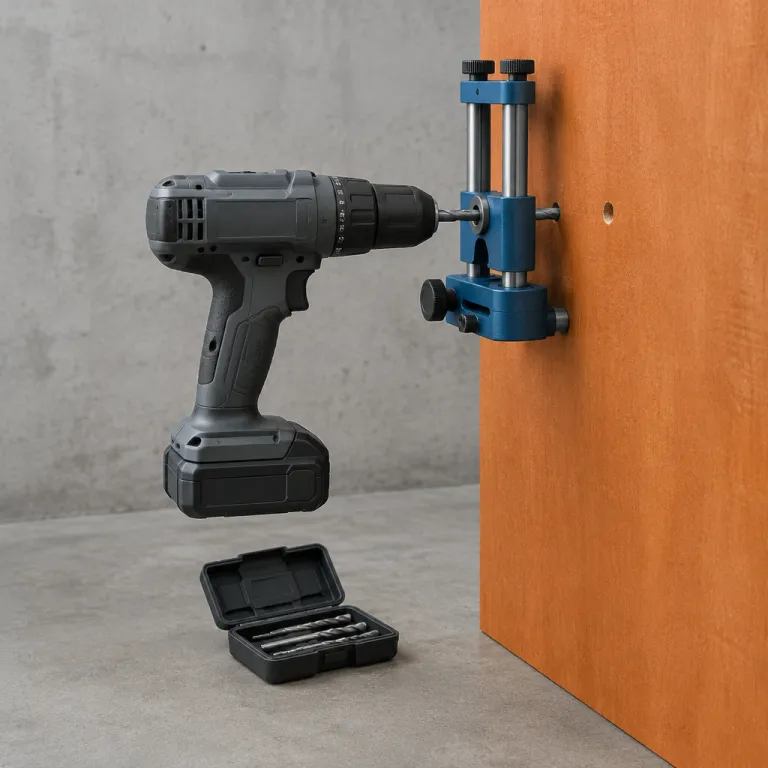
Understanding the role of a drill with guide
Why a Drill Guide Matters in Your Cordless Drill Set
When working with a cordless drill, achieving accurate and straight holes can be challenging, especially if you’re drilling into different materials or at various angles. This is where a drill guide becomes essential. A drill guide, sometimes called a drilling jig or guide jig, acts as a portable drill press, helping you maintain the correct angle and position for each hole. Whether you’re using a hand drill, angle drill, or even a small portable drill, the guide ensures your drill bit stays on track, reducing the risk of slipping or creating uneven holes.
How Drill Guides Improve Precision and Efficiency
Drill guides are designed to work with different chucks and drill bits, allowing you to create straight holes or angled holes as needed. The base of the guide provides stability, while centering pins or centering features help align your drill bit perfectly. This is especially useful when working on projects that require repeated accuracy, such as installing hardware or assembling furniture. With a quality drill guide, you can achieve results similar to a drill press, but with the flexibility of a portable tool.
- Reduces errors when drilling multiple holes
- Helps maintain a straight hole, even on uneven surfaces
- Works with various drill products and accessories, including jigs and centering pins
- Ideal for both DIYers and professionals seeking consistent results
Choosing the Right Drill Guide for Your Needs
With so many products on the market, from brands like Rockler to Tool Stars, it’s important to consider the features that matter most for your projects. Some guides offer adjustable angles, while others focus on centering or portability. Price and product reviews can help you compare options, but always look for a guide with a sturdy base and compatibility with your cordless drill’s chuck and drill bits. For those interested in expanding their toolkit, learning about enhancing your drilling experience with an auger drill attachment can provide even more versatility.
Key features to look for in a drill guide
Essential Qualities for a Reliable Drill Guide
When selecting a drill guide for your cordless drill set, focusing on the right features can make a big difference in your drilling results. The market offers a variety of products, but not all drill guides are created equal. Here are some key aspects to consider before making a purchase:
- Sturdy Base: A stable base helps ensure straight holes and reduces wobble. Look for a guide with a wide, non-slip base, especially if you plan to use it as a portable drill press or on uneven surfaces.
- Adjustable Angle: The ability to set and lock the drilling angle is crucial for versatility. Some guides allow you to drill at multiple angles, making them suitable for angled holes or when using an angle drill attachment.
- Chuck Compatibility: Make sure the guide works with your drill’s chuck size. Some guides are designed for specific drill bits or require a chuck key, so check compatibility with your cordless drill and drill bits. For more details on choosing the right chuck, see how to choose the right drill chuck for your cordless drill set.
- Drill Bit Support: A good guide should accommodate various drill bit sizes. Some products come with centering pins or bushings to help keep the bit aligned, which is especially useful for small holes or when using a drill jig.
- Portability: If you need to drill in different locations, a lightweight and portable drill guide is ideal. Some guides are compact enough to fit in a tool bag, while others, like the Rockler drill guide, are designed for bench use.
- Precision Features: Look for features like centering guides, depth stops, or a guide jig for repeatable, accurate drilling. These help when you need straight holes or are working with delicate materials.
- Price and Reviews: Compare the price and product reviews before buying. Stars and ratings from other users can give insight into durability and ease of use. Some products may offer extra accessories, like a drilling jig or additional centering pins, which can add value.
Choosing a drill guide with these features will help you achieve precise, straight holes and make your cordless drill set more versatile. Remember, the right guide can turn your hand drill into a portable drill press, making even challenging drilling tasks easier and more accurate.
Types of drill guides available
Comparing Popular Drill Guide Types
When looking for the right drill guide for your cordless drill set, you’ll notice there are several types, each designed for specific tasks and levels of precision. Here’s a breakdown to help you understand the differences:- Portable Drill Guides: These are compact and lightweight, making them ideal for on-the-go projects. They attach directly to your hand drill and help you drill straight holes without needing a full drill press. Many users appreciate their versatility for small jobs and tight spaces.
- Drill Press Attachments: If you want the accuracy of a drill press but don’t have space for a full machine, these attachments convert your portable drill into a mini drill press. They often include a sturdy base and adjustable angle settings, letting you drill at precise angles or straight down.
- Angle Drill Guides: Perfect for when you need to drill at a specific angle, these guides offer adjustable settings. They’re especially useful for furniture making or cabinetry, where angled holes are common.
- Drill Jigs and Centering Guides: Jigs, like the popular Rockler drilling jig, are designed for repetitive tasks. Centering guides use centering pins to help you drill perfectly centered holes in dowels or round stock. These are great for woodworking and crafts where precision is key.
| Type | Main Use | Key Features | Typical Price Range |
|---|---|---|---|
| Portable Drill Guide | General drilling, straight holes | Lightweight, easy to use, portable | Low to moderate |
| Drill Press Attachment | Precision drilling, angle drilling | Stable base, angle adjustment, mimics drill press | Moderate |
| Angle Drill Guide | Angled holes, cabinetry | Adjustable angle, compact | Moderate |
| Drill Jig / Centering Guide | Repetitive tasks, centering holes | Jig design, centering pins, repeatability | Moderate to high |
Choosing the Right Guide for Your Needs
When selecting a drill guide, consider the type of projects you tackle most often. If you need to drill straight holes in various materials, a portable drill guide or a drill press attachment could be your best bet. For specialized tasks, like drilling at an angle or centering holes, look for angle drill guides or centering jigs. It’s also worth checking product reviews and ratings (stars) to compare how different products perform in real-world use. Some guides come with extra features like built-in chuck keys, adjustable bases, or compatibility with a wide range of drill bits. The price can vary, so balance your budget with the features you need. For more on the versatility of cordless drill sets and how different guides can expand your tool’s capabilities, check out this detailed article on the versatility of a Craftsman battery operated drill.How to use a drill with guide for precise results
Steps for Achieving Accurate Drilling with a Guide
Using a drill guide with your cordless drill set can make a big difference in the precision of your work. Here’s a straightforward approach to help you get straight holes and consistent results:- Secure the Base: Place the base of your drill guide or jig firmly on the workpiece. Some products, like the Rockler portable drill guide, have non-slip pads or clamps for added stability. Make sure the base is flat and doesn’t wobble.
- Set the Angle: Adjust the guide to the desired angle if you’re not drilling straight holes. Many drill guides offer preset angles, while others allow for custom adjustments. Double-check the angle setting before you start drilling.
- Insert the Drill Bit: Choose the right drill bit for your material and insert it into the chuck of your hand drill or angle drill. Tighten it securely with a chuck key if needed. Some guides have centering pins or bushings to help align the bit.
- Align the Guide: Use centering pins or markings on the guide to position it exactly where you want the hole. For small or portable drill guides, take extra care to keep everything steady.
- Start Drilling: Hold the drill firmly and begin drilling at a slow speed. Let the guide do its job—don’t force the drill. If you’re using a drilling jig or guide jig, keep the drill bit perpendicular to the guide’s surface for straight holes.
- Check Your Progress: Pause occasionally to clear debris and check the depth. Some drill guides have depth stops or adjustable collars for repeatable holes.
Tips for Consistent Results
- Use a drilling press or drill press guide for repetitive or high-precision tasks.
- For portable drill guides, make sure the product is rated for your drill’s size and power.
- When drilling multiple holes, mark each location clearly and double-check alignment before drilling.
- Always use sharp drill bits and the correct size for your project.
Common Tools and Accessories
| Accessory | Purpose |
|---|---|
| Drill guide | Helps maintain angle and position for straight or angled holes |
| Drill jig | Ideal for repetitive drilling tasks and precise spacing |
| Centering pins | Ensure accurate hole placement |
| Chuck key | Tightens or loosens the drill chuck for bit changes |
| Depth stop | Controls hole depth for consistent results |
Common mistakes to avoid when using drill guides
Frequent Pitfalls When Working With Drill Guides
Using a drill guide or jig can make drilling straight holes much easier, but there are common mistakes that can compromise your results or even damage your tools. Here are some of the most frequent issues to watch out for:- Incorrect Chuck or Drill Bit Selection: Using the wrong drill bit size or not securing the bit tightly in the chuck can lead to wobbling and imprecise holes. Always match the drill bit to your guide and material, and ensure the chuck is firmly tightened, using a chuck key if needed.
- Poor Guide Alignment: Not aligning the guide base or centering pins properly with your workpiece can result in angled or off-center holes. Double-check the position before drilling, especially when using portable drill guides or centering jigs.
- Forgetting to Secure the Guide: Failing to clamp or hold the guide with enough stability can cause it to shift during drilling. This is especially true for small or portable products. Use clamps or a stable base whenever possible.
- Ignoring Depth Stops: Many drill guides and jigs come with depth stops. Not setting these can cause you to drill too deep or too shallow, which may damage your product or not meet your project needs.
- Using Excessive Force: Applying too much pressure when drilling can damage the guide, the drill bit, or the workpiece. Let the drill and bit do the work, especially when drilling straight holes or using a drill press guide.
- Neglecting Maintenance: Skipping regular cleaning or lubrication of your drill guide, chuck, and drill bits can lead to poor performance and shorter tool life. Refer to your product manual for care instructions.
- Not Checking for Compatibility: Some drill guides, such as those from Rockler or Tool Stars, are designed for specific drill sizes or types. Always verify compatibility with your hand drill, angle drill, or drill press before use.
Maintenance and care for your drill guide and cordless drill set
Keeping Your Drill Guide and Cordless Drill Set in Top Shape
Proper maintenance is essential for ensuring your drill guide, drill bits, and cordless drill set deliver accurate, straight holes every time. Neglecting care can lead to misaligned holes, worn chucks, and even safety hazards. Here are some practical steps to keep your tools working like new:- Clean after every use: Remove dust, wood chips, and metal shavings from your drill guide, base, and chuck. A small brush or compressed air works well for cleaning hard-to-reach areas, especially around centering pins and guide jigs.
- Inspect for wear: Regularly check the drill guide, jig, and chuck for signs of damage or excessive wear. Look for cracks in the guide base, worn centering pins, or loose parts in your portable drill guide. Replace damaged components promptly to maintain accuracy and safety.
- Lubricate moving parts: Apply a light machine oil to the drill guide’s moving joints and the chuck key mechanism. This helps prevent rust and ensures smooth operation, especially when drilling at different angles or using the guide with a hand drill.
- Store properly: Keep your drill, drill bits, and guides in a dry, organized case. Avoid tossing small products like centering pins or chuck keys loosely into toolboxes, as they can get lost or damaged. Many users prefer tool stars-rated cases for their durability and organization.
- Sharpen and replace drill bits: Dull drill bits can cause wandering and imprecise holes. Sharpen bits regularly or replace them when they become worn. Using the right bit for the material—whether wood, metal, or even small rockler projects—ensures cleaner, straighter holes.
- Check alignment: Before each project, verify that your drill guide and drill press attachments are properly aligned. Misalignment can lead to angled holes, even when using a high-quality drilling jig or centering guide.
| Maintenance Task | Frequency | Tools/Products Needed |
|---|---|---|
| Cleaning | After every use | Brush, compressed air |
| Lubrication | Monthly or as needed | Machine oil |
| Bit sharpening/replacement | When dull or worn | Sharpening tool, new drill bits |
| Alignment check | Before each project | Square, centering pins |
| Storage | Always | Case, organizer |